








✓ Medically reviewed by · Last reviewed: May 2026
Pharmacy Researcher · 8 years experience
Pharmacy researcher with 8 years reviewing clinical drug information, generic formulation equivalence, and international pharmaceutical standards. Focuses on patient-facing accuracy in medication education.
Roughly eight in ten people who try topical tretinoin for the first time quit within six months — not because it stops working, but because they picked the wrong formulation for their skin. If you’ve been wondering whether tretinoin cream vs gel really matters, the short answer is yes: it might be the single biggest factor in whether you stick with treatment long enough to see results.
This guide breaks down every meaningful difference between the two formulations — from how fast each absorbs to which one your dermatologist is more likely to recommend if you’ve got dry, oily, sensitive, or combination skin. We’ll walk through the clinical evidence, side-effect profiles, practical usage tips, and the specific scenarios where one formulation clearly outperforms the other.
Key Takeaways
- Tretinoin cream is better tolerated by dry, sensitive, and mature skin thanks to its emollient base.
- Tretinoin gel absorbs faster and suits oily, acne-prone, and humid-climate users.
- Both formulations contain the same active molecule — differences come from the vehicle, not the drug.
- Gel tends to produce faster visible results but also more peeling and redness in weeks 2–6.
- Strength (0.025%, 0.05%, 0.1%) matters more than formulation for long-term efficacy.
- Switching formulations during treatment is safe and sometimes clinically recommended.
Last updated: April 8, 2026 · Reviewed by [Board-Certified Dermatologist]
Jump to section:
What it is · How it works · Cream vs gel difference · Key uses · Safety & side effects · Research · vs alternatives · How to use · FAQ · Bottom line
What Is Tretinoin? (Definition & Background)
Tretinoin is a prescription-strength topical retinoid derived from vitamin A (all-trans retinoic acid) used to treat acne, photoaging, fine lines, and uneven skin tone. It works by accelerating skin-cell turnover, unclogging pores, and stimulating new collagen production. Unlike over-the-counter retinol, tretinoin binds directly to retinoic-acid receptors in skin cells — no conversion step required — which is why it is significantly more potent.
Tretinoin has been FDA-approved since 1971, when it was first released under the brand name Retin-A for acne. Researchers stumbled on its anti-ageing benefits in the late 1980s when long-term acne patients started reporting smoother, younger-looking skin. Today it remains one of the most evidence-backed molecules in all of dermatology.
For the everyday reader, here’s what matters most: tretinoin is not a cosmetic. It is a medicine. That means formulation — the vehicle that delivers the drug into your skin — matters almost as much as the molecule itself.
Why the vehicle changes everything
The active tretinoin molecule is identical across every brand and strength. What differs is what it is dissolved in. A cream uses water, oils, and emollients. A gel uses alcohol, propylene glycol, and polymer thickeners. Those bases change how the drug penetrates, how quickly it releases, and how your skin reacts at the surface.
How Does Tretinoin Work? (The Science Behind Both Formulations)
Once tretinoin reaches the deeper layers of your epidermis, it binds to retinoic-acid receptors (RAR-α, RAR-β, RAR-γ) inside skin-cell nuclei. Those receptors then switch specific genes on or off, triggering three major downstream effects:
- Accelerated keratinocyte turnover — old, dead surface cells shed faster, clearing microcomedones before they become blackheads or pimples.
- Collagen synthesis — fibroblasts produce more type I and type III collagen, gradually plumping fine lines and improving skin texture.
- Melanin regulation — melanocytes release pigment more evenly, fading dark spots and post-inflammatory hyperpigmentation over 3–6 months.
Think of tretinoin as a software update for your skin. It doesn’t add anything new — it rewrites the instructions your cells already follow, telling them to behave like younger, healthier skin.
🔬 Research Spotlight. A landmark 1988 study by Weiss and colleagues, published in JAMA, was the first randomised controlled trial to prove tretinoin reverses visible photoaging. Within 16 weeks, 14 of 15 participants showed clinically significant improvement in fine wrinkles, roughness, and pigmentation. Dozens of follow-up studies have replicated these findings, making tretinoin the most-studied topical anti-ageing molecule in history.
Where cream and gel diverge
Here’s where the tretinoin cream vs gel question becomes concrete. The active molecule follows the same biochemical pathway either way — but the vehicle determines:
- Absorption rate: gel releases the drug in minutes; cream releases it more gradually.
- Surface hydration: cream leaves a moisturising film; gel evaporates quickly and can be drying.
- Irritation potential: gel’s alcohol base increases early-stage redness and peeling.
- Photostability: both are photo-unstable and must be applied at night.
Tretinoin Cream vs Gel — The Core Difference Explained
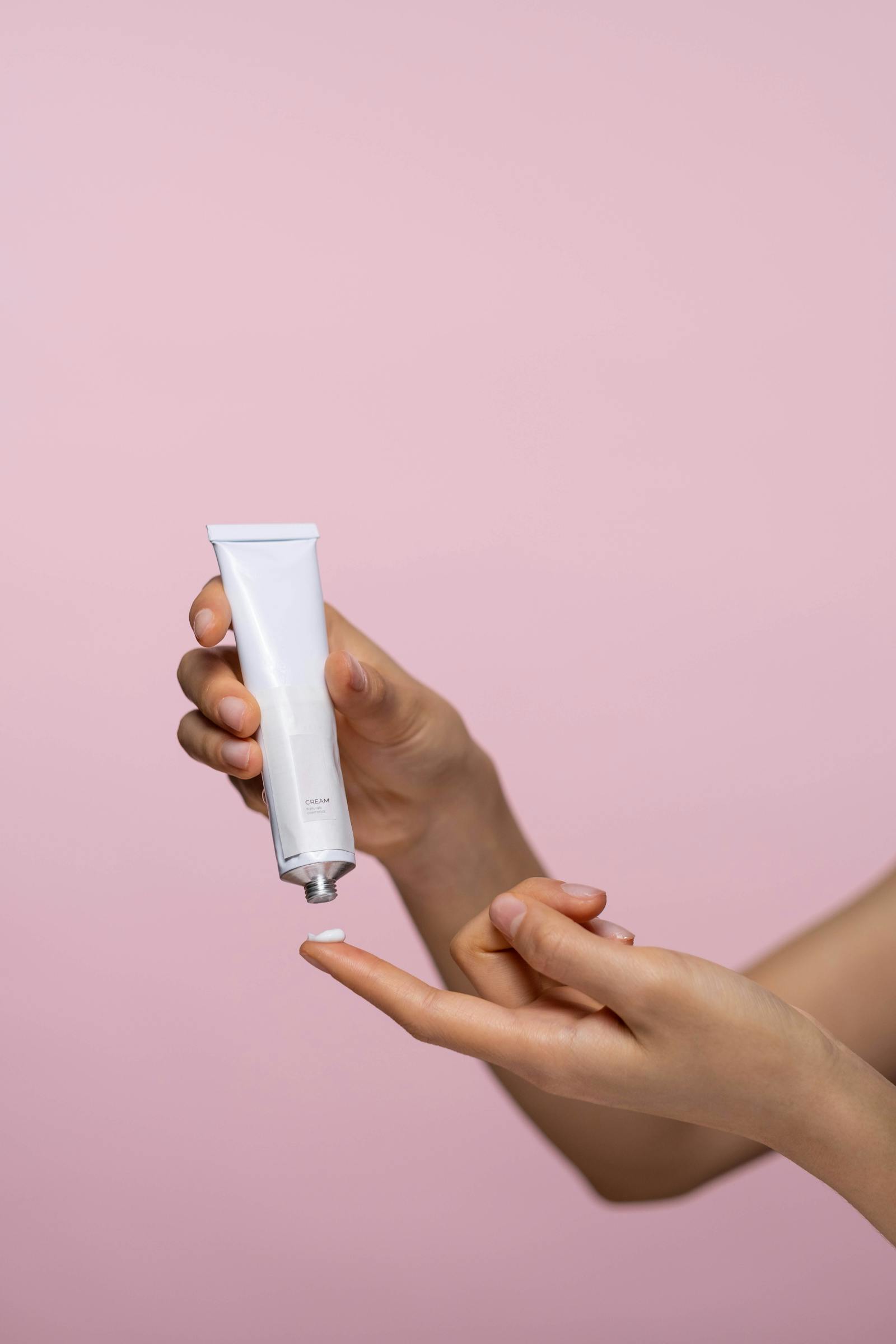
Here’s the bit everyone misses: the active ingredient is identical. A 0.025% cream and a 0.025% gel both contain 0.025% tretinoin. What differs is the base — the inactive ingredients that carry the drug into your skin.
- Cream bases are emulsions of oil and water, usually with humectants (such as glycerin) and emollients (such as stearic acid). They cushion the active, slow absorption slightly, and leave the skin barrier feeling intact.
- Gel bases are typically alcohol-based or water-based with thickening polymers. They evaporate quickly, leave a matte finish, and push the active into the skin faster — which can feel more “intense” even at the same concentration.
That speed-of-delivery difference is why many users report gel feels stronger than cream at the same concentration. It is not stronger in terms of active dose; it just gets there more aggressively.
Why the vehicle changes your experience
The base dictates three practical things:
- Tolerance — cream is usually better tolerated on dry, sensitive, or mature skin.
- Finish — gel sits lighter; cream sits heavier.
- Behaviour in humidity — gel is preferred in hot, humid climates where cream can feel occlusive.
None of this changes the long-term endpoint. Studies comparing equal-strength cream and gel formulations generally show similar efficacy at the 12+ week mark — but tolerability during the notorious “retinisation” window differs noticeably.
Key Uses & Applications of Tretinoin
Both cream and gel formulations are approved for the same conditions. What changes is which one your dermatologist is more likely to recommend based on your goal and skin type.
Treating acne and breakouts
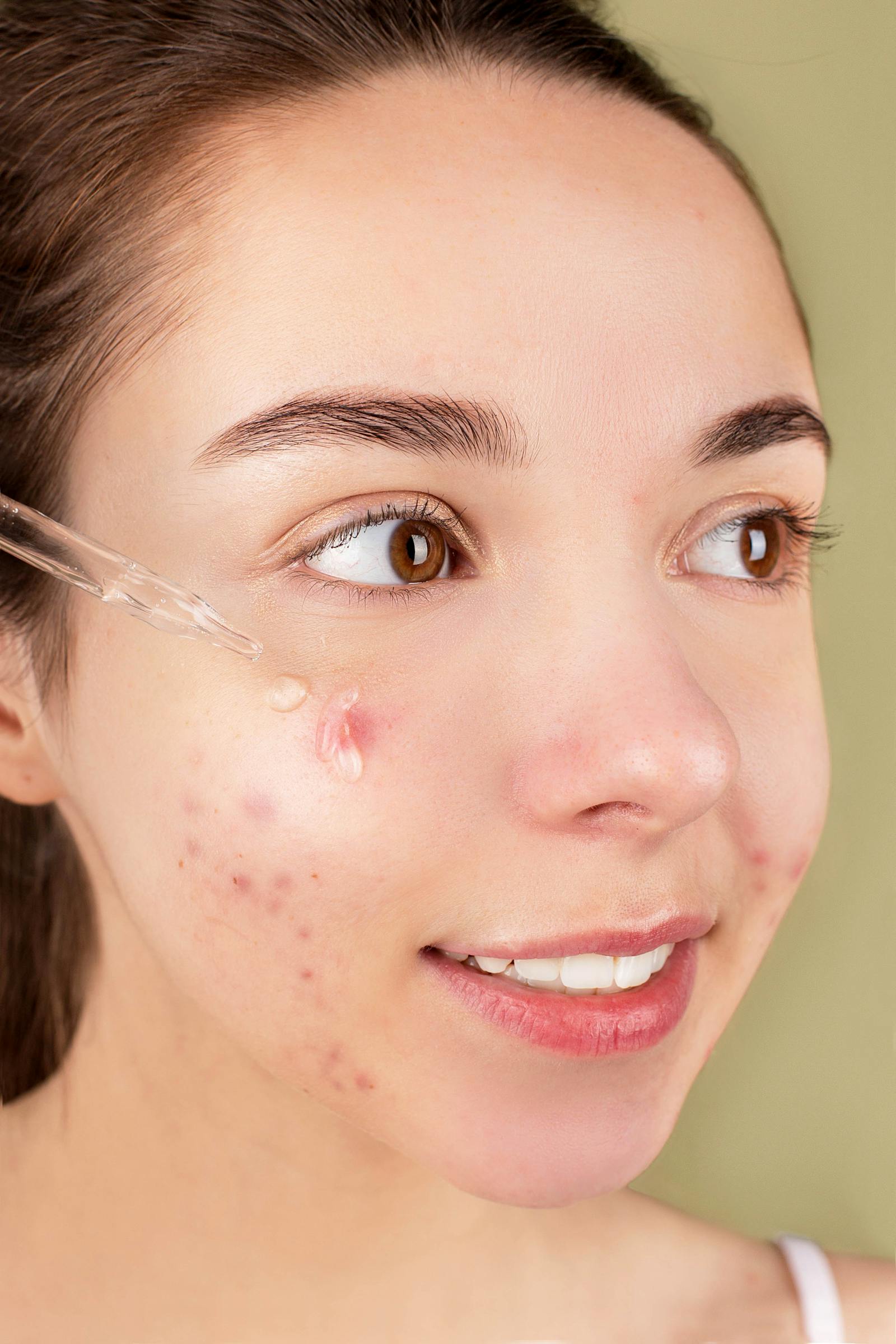
Tretinoin is first-line therapy for inflammatory and comedonal acne. It prevents new pimples from forming by keeping pores clear rather than just killing surface bacteria. Tretinoin gel is frequently preferred here because acne-prone skin tends to be oilier, and the gel’s lighter finish feels less occlusive. For practical guidance on starting a routine, see our dedicated guide on how to use tretinoin for acne treatment.
Anti-ageing and photodamage reversal
For fine lines, crêpey texture, and sun damage, tretinoin cream is the more common pick. Mature skin usually produces less sebum and benefits from the emollient base, which offsets the drying effect of the active ingredient. Long-term cream users typically see continued improvement in wrinkles and skin texture for up to a full year.
Hyperpigmentation and melasma
Both formulations fade pigmentation effectively, often combined with hydroquinone and a mild corticosteroid (the Kligman formula). Cream is gentler for long-term use on darker skin tones, which are more prone to post-inflammatory hyperpigmentation if irritated. For the full breakdown of combination therapy, see our complete guide to melasma triple combination therapy.
Smoothing rough texture and enlarged pores
Accelerated cell turnover refines texture and gives pores a tighter appearance — though tretinoin doesn’t literally “shrink” pores (no topical does).
Emerging and investigational uses
Early research is exploring tretinoin for stretch marks, certain forms of actinic keratosis, and scarring alopecia. Evidence is limited but promising — discuss off-label use with a dermatologist before trying.
👤 Who Is This For?
Tretinoin cream or gel is best suited for:
- Adults with persistent hormonal or comedonal acne that hasn’t responded to OTC products
- People aged 30+ seeking evidence-based anti-ageing
- Those struggling with post-acne dark marks, melasma, or early photodamage
- Anyone willing to commit to at least 12 weeks of consistent nightly use
It is not recommended for:
- Pregnant or breastfeeding women, or anyone planning pregnancy
- People with active eczema or rosacea flares (without dermatologist supervision)
- Those using other strong exfoliants simultaneously
Tretinoin Safety Profile, Side Effects & Dosage
Let’s be honest: tretinoin is effective because it is strong, and almost everyone experiences some side effects in the first 4–8 weeks. Knowing what’s normal — and what isn’t — helps you push through the awkward “purge” phase instead of quitting too early.
The “retinisation” period
The first 2 to 8 weeks of tretinoin use are the hardest. Expect some combination of redness, flaking, dryness, stinging, and the occasional “purge” breakout as hidden microcomedones surface faster. This is normal. It is also the single biggest reason people quit — and quitting is why most people don’t see results.
Side effects at a glance
| Side Effect | Frequency | Severity | Typical Onset |
|---|---|---|---|
| Dryness & flaking | Very common (>50%) | Mild | Week 1–4 |
| Redness (erythema) | Common (30–50%) | Mild–moderate | Week 1–6 |
| Peeling | Common (30–50%) | Mild | Week 2–4 |
| Stinging on application | Common (20–40%) | Mild | Week 1–2 |
| Initial “purge” breakout | Common (20–30%) | Mild–moderate | Week 2–6 |
| Photosensitivity | Very common | Moderate | Ongoing |
| Severe irritation / dermatitis | Uncommon (<5%) | Moderate | Any time |
| Allergic contact dermatitis | Rare (<1%) | Severe | Any time |
In head-to-head comparisons, gel formulations cause more irritation at matched strengths — especially in the first month. If you’re brand new to retinoids, starting with cream is often the gentler on-ramp.
Contraindications and interactions
- Pregnancy & breastfeeding: absolute contraindication. Topical retinoids are associated with theoretical teratogenic risk and guidelines universally advise against use.
- Other retinoids: don’t layer with adapalene, tazarotene, or retinol — too much irritation.
- Benzoyl peroxide: can oxidise tretinoin if applied at the same time. Use BP in the morning and tretinoin at night, or use a stabilised microsphere formulation.
- Chemical exfoliants (AHAs/BHAs): space them out by at least 24 hours or alternate nights.
- Waxing and IPL: avoid on tretinoin-treated skin for at least a week before and after.
General dosage guidance
Start low and slow. Most dermatologists begin patients on 0.025% cream for sensitive or dry skin, or 0.025% gel for oily, acne-prone skin. Apply a pea-sized amount to the entire face 2–3 nights a week for the first 2 weeks, then increase frequency as tolerated. Always consult a licensed dermatologist before starting or adjusting a prescription retinoid.
What Does the Research Say? (Evidence & Clinical Studies)
Few topical drugs have been studied as extensively as tretinoin. Here’s a snapshot of the most relevant evidence when comparing cream and gel formulations.
| Study | Year | Key Finding | Source |
|---|---|---|---|
| Weiss et al. | 1988 | 0.1% cream significantly reduced fine wrinkles and pigmentation in 16 weeks | JAMA |
| Weinstein et al. | 1991 | 0.05% cream improved fine wrinkling, coarse wrinkling, and hyperpigmentation over 24 weeks | Arch Dermatol |
| Lucky et al. | 1998 | 0.025% gel matched 0.05% cream for acne efficacy with comparable irritation | J Am Acad Dermatol |
| Nyirady et al. | 2002 | Microsphere gel 0.04% had lower irritation scores than conventional gel 0.025% | Cutis |
| Kang et al. | 2005 | 0.02% cream produced collagen-level improvements after 24 weeks in photoaged skin | Arch Dermatol |
| Leyden et al. | 2017 | 0.05% lotion non-inferior to cream with improved tolerability | J Drugs Dermatol |
What we can say with confidence (proven)
- Tretinoin reliably reduces inflammatory and comedonal acne after 8–12 weeks of consistent use.
- Long-term tretinoin use (12+ months) measurably reduces fine lines and improves skin texture.
- Cream formulations produce less early-stage irritation than standard gel at matched strengths.
What’s emerging (promising but limited)
- Microsphere and lotion formulations may combine gel-like absorption with cream-like tolerability.
- Tretinoin may enhance outcomes of cosmetic procedures (microneedling, chemical peels) when used beforehand.
What’s anecdotal (use caution)
- Claims that one formulation is “stronger” than the other at matched concentrations — the molecule is identical.
- Internet claims that tretinoin permanently thins the skin — research suggests the opposite; long-term use thickens the dermis via new collagen.
Tretinoin Cream vs Gel vs Alternatives — How Does It Compare?
Tretinoin isn’t the only topical retinoid on the market. Here’s how it stacks up against the most common alternatives.
| Feature | Tretinoin Cream | Tretinoin Gel | Adapalene | Retinol | Tazarotene |
|---|---|---|---|---|---|
| Prescription | Yes | Yes | OTC / Rx | No | Yes |
| Potency | High | High | Medium | Low | Very high |
| Irritation | Moderate | Moderate–high | Low–moderate | Low | High |
| Best for | Dry, mature, sensitive | Oily, acne-prone | First-timers | Beginners | Severe acne / psoriasis |
| Visible results | 8–12 weeks | 6–10 weeks | 10–12 weeks | 12–24 weeks | 6–8 weeks |
| Pregnancy safe | No | No | No | No | No |
The takeaway: if you’ve tried retinol and hit a plateau, stepping up to either tretinoin cream or gel is the next logical move. If you’re brand new to retinoids, adapalene is the gentlest starting point. For a deeper dive into how the two compare, see our tretinoin vs retinol comparison.
How to Use Tretinoin Correctly — A Practical Playbook
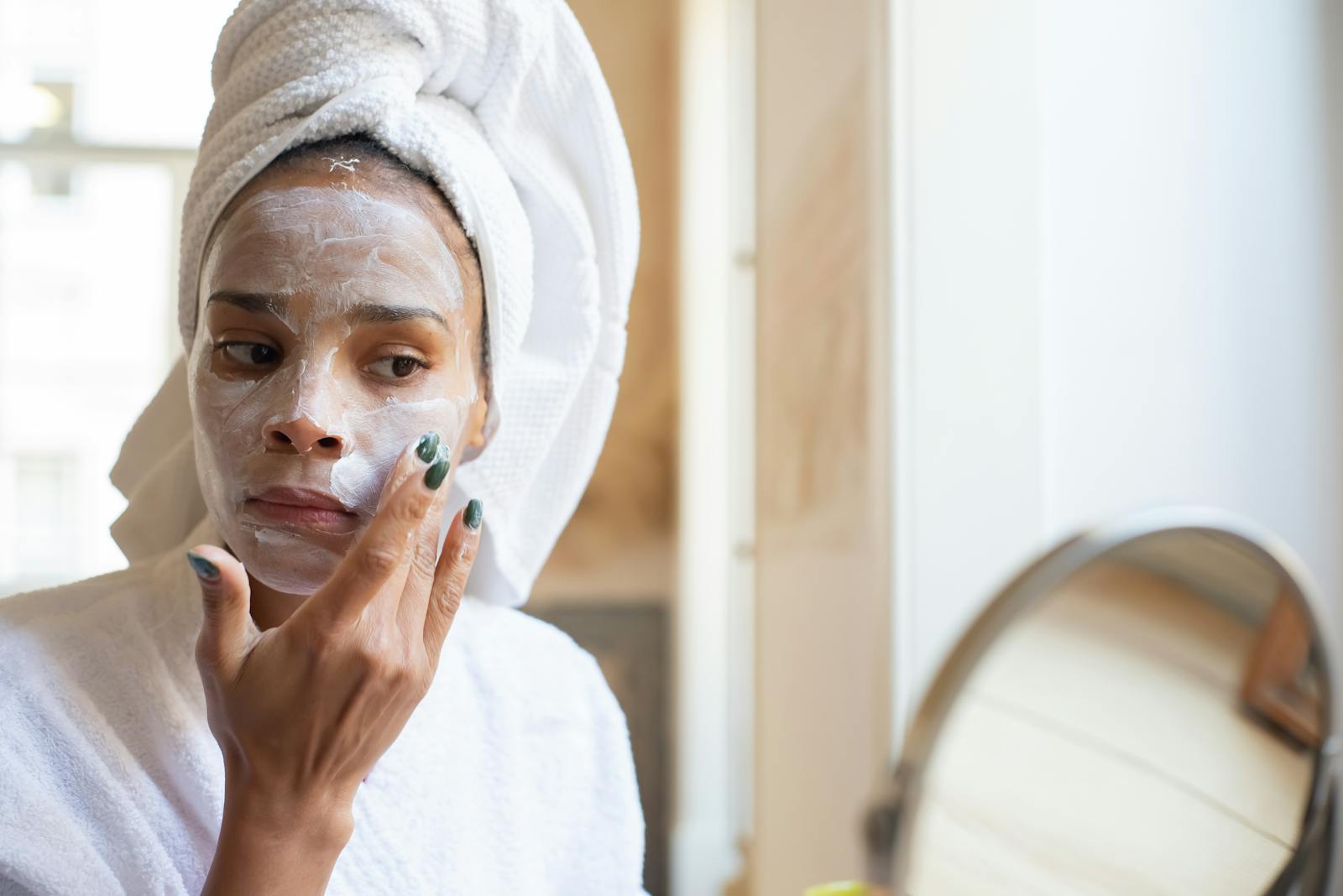
Getting results from tretinoin comes down to consistency and damage control. Here’s the routine that gives your skin the best chance to respond without revolting.
Step-by-step nightly application
- Cleanse with a gentle, non-foaming cleanser. No scrubs, no acids.
- Wait 20–30 minutes until your skin is fully dry. This is the single biggest factor in irritation control.
- Dispense a pea-sized amount. Dot it on forehead, each cheek, chin, and nose.
- Spread in a thin, even layer. Avoid the eye area, corners of the mouth, and nostrils.
- Wait another 10–15 minutes, then apply a bland, barrier-supporting moisturiser (ceramides, hyaluronic acid, or squalane work well).
- Always use SPF 30+ the next morning. Non-negotiable. Tretinoin makes your skin more vulnerable to UV damage — and sun exposure reverses the benefits you’re paying for.
The sandwich method (for sensitive skin)
If you’re struggling with irritation, apply a layer of moisturiser before tretinoin and another after. This slows absorption slightly and blunts the irritation curve without meaningfully reducing long-term results.
Forms available
Tretinoin is sold in several vehicles:
- Cream — 0.025%, 0.05%, 0.1% — best for dry, sensitive, normal, or mature skin.
- Gel — 0.01%, 0.025%, 0.05% — best for oily, combination, or acne-prone skin.
- Microsphere gel (e.g., Retin-A Micro) — 0.04%, 0.06%, 0.08%, 0.1% — time-release delivery, often better tolerated than conventional gel.
- Lotion — 0.05% — newer hydrating formulation.
Choose strength based on tolerance, not ambition. Higher percentages don’t work faster; they just irritate more.
What to look for in a quality source
- Clear labelling of active strength (e.g., “tretinoin 0.025%”)
- Manufactured under regulated pharmaceutical standards
- Sealed, tamper-evident packaging
- Batch number and expiry date printed clearly
- Sold by a licensed pharmacy with prescription verification
Browse our verified range of tretinoin formulations: Retino-A Cream, A-Ret Gel, Retino-A Micro Gel, Tretiheal Cream, and Tretinex Cream.
Frequently Asked Questions About Tretinoin Cream vs Gel
Q: Is tretinoin cream or gel better for dry skin?
A: Tretinoin cream is generally the better choice for dry skin. The emulsion-based vehicle contains emollients and humectants that buffer the active ingredient and support the skin barrier. Gel, by contrast, is often alcohol-based and evaporates quickly, which can leave dry skin feeling tight and irritated. If you have dry or mature skin, most dermatologists suggest beginning with a 0.025% cream two or three nights a week.
Q: Does tretinoin gel work faster than cream?
A: Tretinoin gel feels like it works faster because it absorbs more quickly and delivers the active ingredient with less delay. However, research comparing equal-strength cream and gel formulations shows similar efficacy at the 12- to 24-week mark. The cream isn’t slower at working — it’s slower at penetrating, which is usually a feature, not a bug, for sensitive skin types.
Q: Which is stronger, tretinoin cream or gel?
A: Strength is determined by the percentage of tretinoin, not the formulation. A 0.05% cream and a 0.05% gel contain the same amount of active ingredient. That said, gel often feels more intense because it delivers the active more rapidly and without the protective cushion of an emollient base. If you’re comparing 0.025% gel to 0.05% cream, the cream is technically “stronger” by concentration.
Q: Can you use tretinoin gel on sensitive skin?
A: You can, but it usually isn’t the first choice. Sensitive skin generally tolerates cream formulations better because of the gentler vehicle. If you have sensitive skin and your clinician has prescribed gel, consider starting at the lowest strength (0.01% or 0.025%), applying only 2–3 nights per week, and using the sandwich method (moisturiser-tretinoin-moisturiser) to buffer irritation.
Q: What percentage of tretinoin should a beginner use?
A: Most dermatologists recommend beginners start with 0.025% — whether cream or gel — applied 2–3 nights per week for the first two weeks. From there you slowly build up frequency before considering a higher strength. Jumping straight to 0.05% or 0.1% is the fastest way to trigger a severe irritation flare and quit the product before it starts delivering results.
Q: Can you switch from tretinoin gel to cream mid-treatment?
A: Yes, switching is safe and sometimes clinically recommended. If your gel is causing persistent dryness, peeling, or redness beyond week 6, your dermatologist may suggest stepping down to a cream at the same or lower strength. There is no wash-out period needed — simply swap formulations on your next application night. Many people cycle between gel in summer and cream in winter based on weather and skin behaviour.
Q: Will tretinoin gel dry out my skin permanently?
A: No. Any dryness from tretinoin is temporary and reverses within days of stopping treatment. Research actually suggests long-term tretinoin use improves the skin barrier by stimulating new collagen and glycosaminoglycans. If dryness persists beyond month 2, the issue is usually insufficient moisturising or applying tretinoin too frequently — not permanent damage.
Q: How long does tretinoin take to show results?
A: Expect an initial “purge” in weeks 2–6, smoother texture by month 3, fading hyperpigmentation by months 3–6, and full anti-ageing benefits after 6–12 months of consistent nightly use. Gel may show visible changes slightly sooner than cream, but the long-term endpoint is comparable. Patience is the single best predictor of success with tretinoin.
The Bottom Line — Tretinoin Cream vs Gel, Which Should You Choose?
Here’s the honest verdict after weighing the evidence: there is no universal winner in the tretinoin cream vs gel debate. There’s only a better match for your skin type, climate, and tolerance.
Choose tretinoin cream if you:
- Have dry, mature, or sensitive skin
- Live in a cool or dry climate
- Are new to prescription retinoids
- Want primarily anti-ageing benefits
- Have a history of eczema or rosacea (discuss with a dermatologist first)
Choose tretinoin gel if you:
- Have oily or acne-prone skin
- Live in a humid or tropical climate
- Dislike the feel of heavy creams
- Want a faster-absorbing texture for daily use
- Have tolerated retinol or adapalene previously
The goal isn’t picking the “strongest” formulation — it’s picking the one you’ll actually use consistently for 6–12 months. Consistency beats intensity every time with tretinoin.
Whichever you choose, start low, go slow, moisturise generously, and never skip morning SPF. Do those four things and both tretinoin cream and gel can transform your skin.
Ready to start? Browse our verified range: Retino-A Cream for dry and mature skin, or A-Ret Gel and Retino-A Micro Gel for oily, acne-prone skin.
⚕️ Medical Disclaimer
This article is for informational purposes only and does not constitute medical advice. Tretinoin is a prescription medication and should only be used under the supervision of a qualified healthcare professional. Always consult your doctor or dermatologist before starting, stopping, or changing any medication, including topical retinoids. Do not use tretinoin if you are pregnant, planning to become pregnant, or breastfeeding. Individual results vary, and the information above does not replace a personalised clinical assessment. MedsBase.com and its authors accept no responsibility for decisions made solely on the basis of this content.

Written by
Sophie ChenPharmaceutical Content Researcher · 8 years experience
Sophie Chen is a pharmaceutical content researcher with 8 years covering generic medication access and clinical pharmacology. She specialises in international regulatory frameworks, bioequivalence standards, and patient-facing education on therapeutic drug classes. She is not a clinician.