





























Cancer treatment falls into several distinct medication classes, each targeting a different cancer biology — hormonal therapy (breast and prostate cancer), tyrosine kinase inhibitors (chronic myeloid leukaemia, GIST, renal cell carcinoma, advanced solid tumours), cytotoxic chemotherapy (alkylating agents, antimetabolites), antiproliferative agents (hydroxyurea), and supportive-care medications (cancer cachexia, bone-targeted therapy).
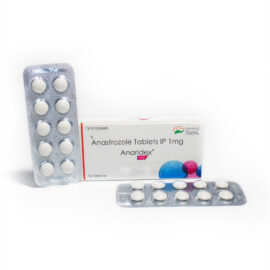
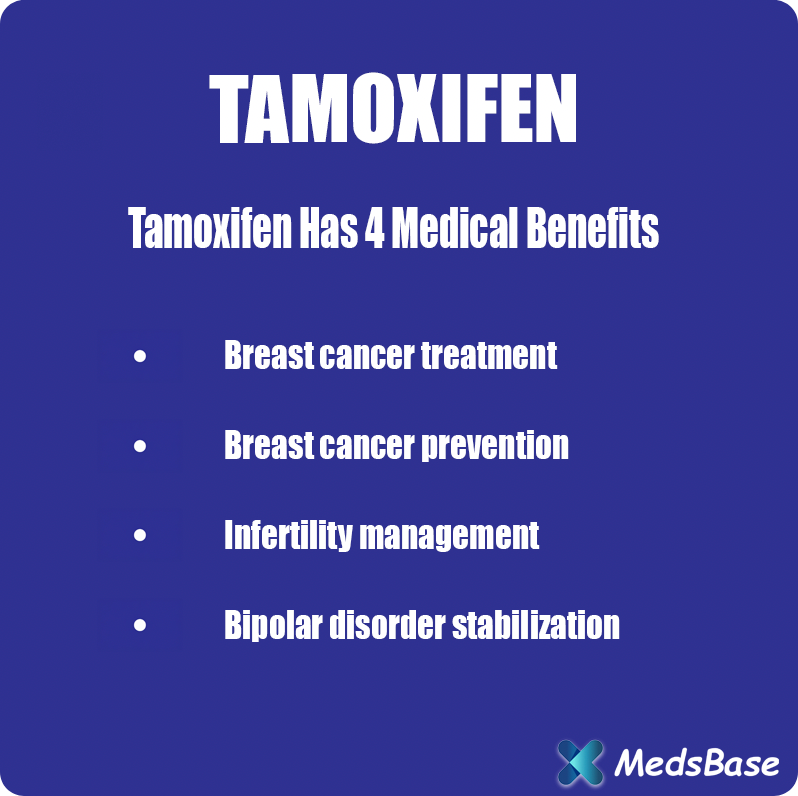
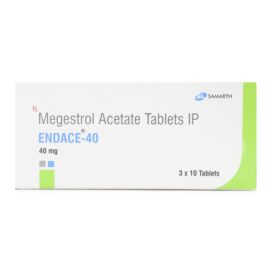
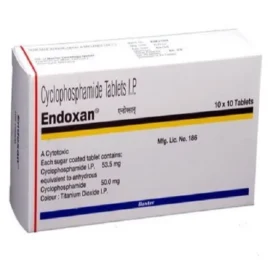
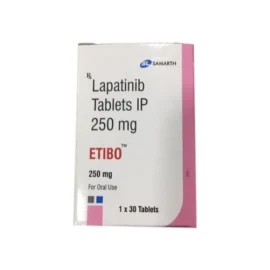
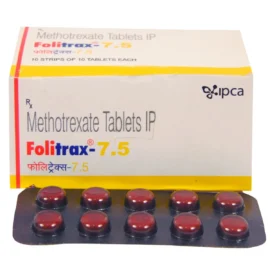
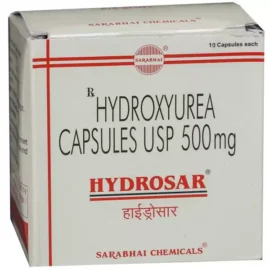
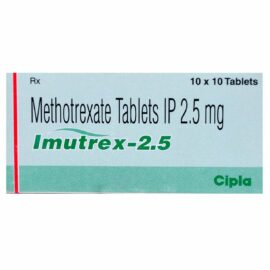
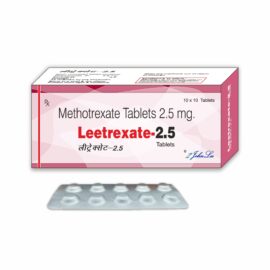
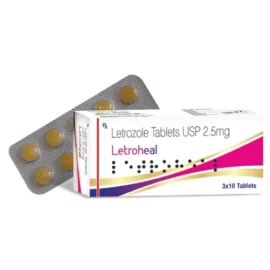
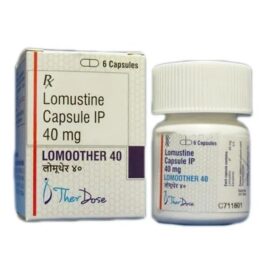
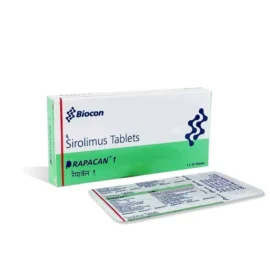
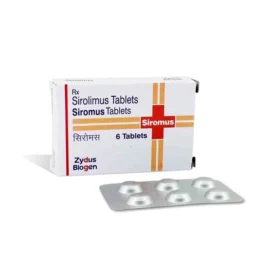
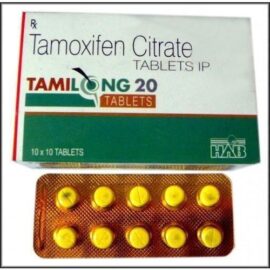
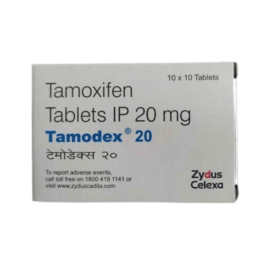
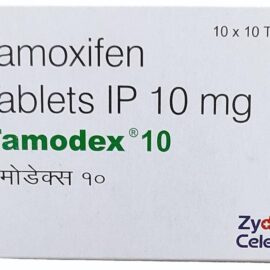
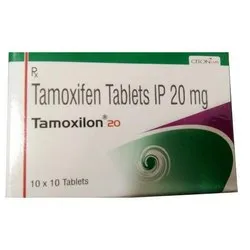
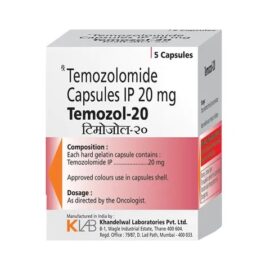
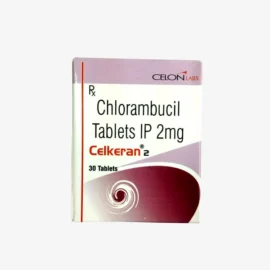
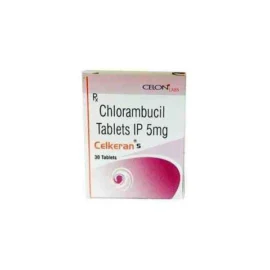
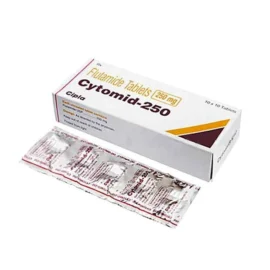
MedsBase stocks the major outpatient oral oncology medications. Aromatase inhibitors for hormone-receptor-positive breast cancer (postmenopausal): Anaridex (anastrozole 1 mg), Xtane (exemestane 25 mg), Fempro (letrozole 2.5 mg), Letroheal (letrozole 2.5 mg). Tamoxifen (SERM) for premenopausal breast cancer and high-risk women: Tamilong, Tamodex, Tamoxilon, Cytotam, Caditam. Lapatinib (HER2-targeted): Etibo. Anti-androgens for advanced prostate cancer: Bdenza (enzalutamide 40 mg), Bicalumutide (bicalutamide 50 mg), Cytomid (flutamide 250 mg). Imatinib (BCR-ABL TKI) for chronic myeloid leukaemia and GIST: Imat, Imatib, Veenat. Pazopanib (multi-kinase TKI) for renal cell carcinoma and soft-tissue sarcoma: Votrient. Methotrexate (low-dose, for both rheumatology and certain leukaemias): Folitrax, Imutrex, Noltrexate, Leetrexate. Hydroxyurea (chronic myeloproliferative disease, sickle cell): Hydrosar, Ondrea, Riborea. Oral cytotoxics: Endoxan (cyclophosphamide), Celkeran (chlorambucil), Temotero + Temozol (temozolomide for glioma), Lomoother (lomustine). Endace (megestrol) for cancer cachexia and palliative appetite stimulation.
This page lists outpatient oncology prescription medications. All cancer drugs require diagnosis, baseline staging, and ongoing supervision by a specialist oncologist. Most carry significant side effects (myelosuppression, hepatotoxicity, embryotoxicity), drug interactions, and require regular blood test monitoring (FBC, LFT, renal function). Many are absolutely contraindicated in pregnancy and require strict contraception. Please read the individual product page for full dosing, monitoring and safety information, and never start, stop or change a cancer medication without your oncologist's explicit instruction.