







Baycip
✅ Antibacterial medication
✅ Treats bacterial infections
✅ Prevents bacterial growth
✅ Oral and intravenous use
✅ Wide spectrum antibiotic
✓ Medically reviewed by Morgan Ellis — Pharmacy Researcher · 8 years experience · Last reviewed: May 2026
⚡ Quick Answer — What is Baycip?
Baycip is a ciprofloxacin tablet (250 mg / 500 mg, Bayer) — a fluoroquinolone first developed by Bayer (Cipro is the original US brand). Used for complicated UTI, prostatitis, GI infections, and as a key Pseudomonas-active oral agent.
📦 Every order is covered by our Reshipment Assurance Policy — if your parcel does not arrive within 20 business days, we reship it.
Why order from MedsBase
Our generic medications are sourced from WHO-GMP certified manufacturers and shipped worldwide in discreet, plain packaging — no medication name on the parcel exterior. Card payments are routed through a regulated processor (statement descriptors include a regulated card-payment processor — never “MedsBase” or any medication name). Crypto and SEPA bank transfer are also accepted. Every order is backed by our Reshipment Assurance Policy.
How Baycip works
Baycip contains Ciprofloxacin, a fluoroquinolone antibiotic that inhibits bacterial DNA gyrase (topoisomerase II) and topoisomerase IV — the enzymes that supercoil and decatenate bacterial DNA during replication. Without functional gyrase / topoisomerase, the bacterial chromosome fragments and the cell dies. Fluoroquinolones are bactericidal and exhibit concentration-dependent killing with a long post-antibiotic effect, supporting once-daily dosing in many indications.
Ciprofloxacin has the strongest Gram-negative activity of the older fluoroquinolones (E. coli, Pseudomonas aeruginosa, Salmonella, Shigella, Campylobacter), modest pneumococcal activity, and weak anaerobic cover. Local Pseudomonas resistance varies — confirm before relying on it as monotherapy.
Indications & dosing
| Indication | Dose | Duration |
|---|---|---|
| Uncomplicated UTI | 250 mg twice daily / 500 mg once daily (XR) | 3 days |
| Pyelonephritis | 500 mg twice daily / 1 g once daily (XR) | 7–14 days |
| Bacterial prostatitis | 500 mg twice daily | 4–6 weeks |
| Travellers’ diarrhoea | 500 mg twice daily | 1–3 days |
| Salmonella / Shigella / typhoid (sensitive) | 500 mg twice daily | 7–14 days |
| Anthrax post-exposure prophylaxis | 500 mg twice daily | 60 days |
Renal dose adjustment: all fluoroquinolones except moxifloxacin require dose extension below CrCl 50. Moxifloxacin is hepatically cleared and does not need renal adjustment.
Fluoroquinolones carry FDA black-box warnings for: tendinitis and tendon rupture (Achilles most commonly; risk increased with age > 60, corticosteroid use, organ transplant); peripheral neuropathy (may be permanent — discontinue at first symptom); central nervous system effects (anxiety, confusion, hallucinations, seizures); and aortic aneurysm / dissection (relative risk ~2.0, especially in older adults with hypertension, atherosclerosis, or known aneurysm). The 2016 FDA review concluded that for uncomplicated UTI, sinusitis, and acute bronchitis the risks may outweigh benefits — reserve fluoroquinolones for indications without alternatives. Stop the drug at the first sign of tendon pain, paresthesia, or neuropsychiatric change.
Side effects
- GI: nausea, diarrhoea (5–10%), abdominal pain.
- CNS: headache, dizziness, insomnia, vivid dreams; less commonly anxiety, confusion, depression, hallucinations, seizures (lower the seizure threshold — caution in epilepsy).
- Tendon injury: Achilles tendinitis or rupture (most common in patients > 60 on corticosteroids).
- Peripheral neuropathy: can be permanent; presents as burning / tingling / numbness in feet or hands.
- QT prolongation: moxifloxacin highest, then sparfloxacin, then levofloxacin / gemifloxacin / ciprofloxacin (modest).
- Glucose dysregulation: hypoglycaemia (especially with sulfonylureas) and hyperglycaemia reported.
- Photosensitivity: increased sunburn risk — strongest with sparfloxacin / lomefloxacin; moderate with ciprofloxacin / ofloxacin / moxifloxacin.
- Aortic aneurysm / dissection: emerging signal in older adults.
- C. difficile colitis. Fluoroquinolones are a leading driver — be alert to new diarrhoea.
Contraindications
- Known fluoroquinolone hypersensitivity.
- History of fluoroquinolone-related tendon injury.
- Children & adolescents (relative — use only when no alternative; quinolones cause cartilage damage in juvenile animal models).
- Pregnancy and breastfeeding (relative — use only when no alternative).
- Concurrent QT-prolonging drugs in a high-risk patient (especially moxifloxacin).
- Myasthenia gravis (may worsen).
Drug interactions
| Drug | Effect | Action |
|---|---|---|
| Antacids / iron / zinc / dairy / sucralfate | Chelation reduces absorption by up to 80% | Take Baycip 2 hours BEFORE or 6 hours AFTER |
| Warfarin | INR rise — sometimes substantial | Check INR within 3–5 days; counsel |
| Sulfonylureas / insulin | Hypoglycaemia risk | Monitor capillary glucose; counsel |
| NSAIDs | May lower seizure threshold | Caution in patients with seizure history |
| Theophylline | Cipro & ofloxacin raise theophylline levels | Monitor theophylline level; consider alternative |
| Methotrexate | Increased levels and toxicity | Hold methotrexate or monitor |
| Class IA / III antiarrhythmics | Additive QT prolongation | Avoid combination (especially moxifloxacin) |
| Tizanidine | Severe hypotension and sedation (cipro is a strong CYP1A2 inhibitor) | Absolute contraindication |
Pregnancy & Breastfeeding
Fluoroquinolones are category C. Animal data show cartilage damage; human data have not consistently shown teratogenicity but the safety margin is narrow. Avoid in pregnancy unless no alternative exists. In breastfeeding, low milk transfer occurs but most authorities consider short courses compatible — alternatives are usually preferred.
Storage
Store below 25 °C, away from direct sunlight and moisture. Keep in original packaging. Keep out of reach of children. Discard any unused tablets after the printed expiry date — degraded antibiotics can lose potency or release breakdown products.
This medicine is only effective against bacterial infections. Do not use it for viral illnesses (common cold, most sore throats, flu, COVID-19), do not stop early when you feel better, and do not save leftovers for future infections. Misuse drives drug-resistant bacteria like MRSA, ESBL, and CRE — the WHO ranks antimicrobial resistance among the top 10 global public-health threats.
Frequently Asked Questions
Should I take Baycip on an empty stomach?
Food does not significantly reduce fluoroquinolone absorption — but dairy, antacids, iron, zinc, magnesium, and calcium supplements can chelate the drug and dramatically reduce absorption. Separate any of these by 2 hours before or 6 hours after the dose.
I am taking my multivitamin — when can I take Baycip?
Multivitamins typically contain iron, zinc, calcium, and magnesium — all of which chelate fluoroquinolones. Take the antibiotic 2 hours BEFORE the multivitamin or 6 hours AFTER it.
Why are fluoroquinolones avoided for simple infections now?
The 2016 FDA review concluded the risk profile (tendon, neuropathy, neuropsychiatric, aortic) outweighs benefit for uncomplicated UTI, sinusitis, and acute bronchitis when narrow alternatives are available. Reserve fluoroquinolones for resistant pathogens, complicated UTI/pyelonephritis, prostatitis, and CAP requiring atypical cover.
I have noticed pain in my Achilles tendon — what should I do?
Stop the antibiotic and contact your prescriber the same day. Tendon rupture can occur even after the drug is stopped. Avoid heavy exercise during the course and for 2–4 weeks after — particularly if you are over 60 or taking corticosteroids.
Will it interact with my warfarin?
Yes — INR can rise meaningfully. Check INR within 3–5 days and counsel on bleeding signs (gum bleeding, easy bruising, dark stools, blood in urine). Adjust warfarin dose only on physician advice.
Can I drive on this medicine?
Most patients can drive normally. If you experience dizziness, vivid dreams, drowsiness, or difficulty concentrating, do not drive until they resolve.
Why did my doctor say “no fluoroquinolones for diabetes”?
Fluoroquinolones can trigger both hypo- and hyperglycaemia — especially in patients on sulfonylureas (gliclazide, glimepiride, glibenclamide). The risk is highest with gemifloxacin and gatifloxacin. Monitor capillary glucose closely if alternatives are unavailable.
Can I take it if I have epilepsy?
Fluoroquinolones lower the seizure threshold. Use cautiously — and only if alternatives are unavailable — under specialist guidance. Concurrent NSAIDs amplify the risk.
Will it cover Pseudomonas?
Ciprofloxacin and levofloxacin have meaningful Pseudomonas activity (subject to local susceptibility). Moxifloxacin does NOT — never use moxifloxacin for Pseudomonas.
Are fluoroquinolones safe for my child?
Generally avoided in growing children due to animal data on cartilage damage and recent post-marketing musculoskeletal signal in humans. Reserve for cystic fibrosis exacerbations, MDR pathogens, complicated UTI when alternatives have failed.
Other Antibiotics & Anti-Infective Medications
- Levomac (Levofloxacin) — respiratory fluoroquinolone
- Cifran (Ciprofloxacin) — UTI / GI / Pseudomonas cover
- Moxif (Moxifloxacin) — broad respiratory cover with anaerobic activity
- Azee (Azithromycin) — atypical-pathogen alternative
- Augmentin (Amoxicillin + Clavulanic acid) — beta-lactam alternative
More options in Antibiotics
Ranked by recent MedsBase order volume — what other customers in this category are picking.
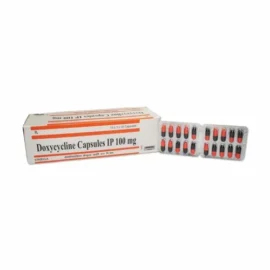

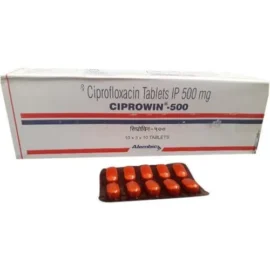
| Strength | 500 mg |
|---|---|
| Quantity | 30 Tablet/s, 60 Tablet/s, 90 Tablet/s |
| Pharma Form | Tablet/s |
| Manufacturer | Bayer Pharma |
| Treatment | Bacterial infections |
| Generic Brand | Ciprofloxacin |
Q & A
Related products







Reviews
There are no reviews yet