








✓ Medically reviewed by · Last reviewed: May 2026
Pharmacy Researcher · 8 years experience
Pharmacy researcher with 8 years reviewing clinical drug information, generic formulation equivalence, and international pharmaceutical standards. Focuses on patient-facing accuracy in medication education.
Key Takeaways
- Past 70, the “best” blood pressure drug is the one that lowers BP without raising fall risk, kidney injury, or polypharmacy load. Class matters more than brand.
- Modern starting points: ARB (telmisartan, losartan) or amlodipine — both are once-daily, smooth-acting, and don’t cause electrolyte chaos. ACE inhibitors are a fine alternative if dry cough doesn’t bother you.
- Atenolol and other older beta blockers should not be first-line in older adults with uncomplicated hypertension — they reduce BP but don’t reduce stroke or death as well as ARBs/CCBs in this age group.
- Target: <130/80 mm Hg if tolerated, but 140/90 is acceptable for frail seniors with orthostatic symptoms (SPRINT, HYVET, 2024 ESH guideline).
- Start one drug at half-dose, retitrate every 2–4 weeks, and measure standing BP at every visit. Most fall-related injuries come from drugs added too fast, not drugs taken too long.
Hypertension is the most common modifiable risk factor for stroke, heart failure and dementia in adults over 65. Roughly two-thirds of Americans aged 65–74 and three-quarters of those 75+ have it. The good news: treating it works at every age — the HYVET trial in 2008 settled the question for the over-80s by showing a 30% stroke reduction and 21% mortality reduction with a thiazide-like diuretic plus an ACE inhibitor.
The hard part isn’t whether to treat. It’s which drug, how low to go, and how fast to get there without trading a future stroke for a present hip fracture.
This guide walks through the 2024–2026 guideline picks, the side-effect tradeoffs that actually matter once you cross 70, and the cheaper generic alternatives we ship worldwide for buyers who want a known molecule without the brand-name markup.
Why blood pressure medication for seniors is different
Three things change with age that flip the drug-choice logic:
1. Arterial stiffness rises. Older arteries lose elastin. That widens pulse pressure (systolic minus diastolic) and makes isolated systolic hypertension — a high top number with a normal or low bottom number — the dominant pattern. The drugs that work best for this pattern are calcium channel blockers (CCBs) and thiazide-type diuretics, because both target large-artery stiffness directly.
2. Baroreflex sensitivity falls. The body’s automatic response to standing up — pumping more blood up to the brain — slows. A drug that drops BP smoothly all day is fine; a drug that drops it abruptly when you stand up is dangerous. This is why long-acting amlodipine outperforms short-acting nifedipine, and why we generally avoid alpha blockers (terazosin, doxazosin) as first-line in older patients.
3. Renal reserve shrinks. Glomerular filtration rate (eGFR) declines by roughly 1 mL/min/1.73 m² per year after 40. By 75, many seniors have an eGFR in the 45–60 range without ever being told they have “kidney disease.” This affects dose selection (ACE inhibitors, ARBs and most diuretics need monitoring) and changes which drugs accumulate — for example, water-soluble beta blockers like atenolol clear renally and can build up.
The 2024–2026 guideline starting points
The four big guideline bodies — ACC/AHA (US), ESH (Europe), NICE (UK) and ISH (international) — converge on roughly the same first-line shortlist for older adults:
| Guideline | First-line in age 65+ | Target BP |
|---|---|---|
| ACC/AHA 2017 (US, reaffirmed 2023) | Thiazide, CCB, ACE-i or ARB | <130/80 |
| ESH 2023 (Europe) | ACE-i/ARB + CCB or thiazide | <140/80 (130/80 if tolerated) |
| NICE NG136 (UK) | CCB first if >55 or Black African/Caribbean | <150/90 if 80+, else 140/90 |
| ISH 2020 (global) | ARB or CCB; combine if needed | <140/90, individualised |
Across all four: beta blockers are not first-line for uncomplicated hypertension in older adults (they’re still first-line if you also have angina, atrial fibrillation, heart failure with reduced ejection fraction, or recent myocardial infarction). And alpha blockers are never first-line at any age — they’re reserved for resistant hypertension or men who also need symptomatic relief from benign prostatic hyperplasia.
For a wider comparison across all ages, our companion piece Best Blood Pressure Medications: 10 Evidence-Backed Drugs Across All Classes goes class-by-class with full mechanism and trial citations.
Class-by-class: what actually works at 70+
1. ARBs (angiotensin receptor blockers) — telmisartan, losartan, olmesartan
The cleanest first-line choice for most older adults. ARBs block angiotensin II at the receptor, reproducing every benefit of ACE inhibitors without the dry cough (no bradykinin accumulation). Once-daily, smooth 24-hour profile, well-tolerated in renal impairment with monitoring, neutral on lipids and glucose.
- Telmisartan 40–80 mg has the longest half-life (24 h+) of any ARB, which translates to the most stable 24-hour pressure control — useful for seniors whose adherence drifts. Sold as Telma (40 / 80) generic.
- Losartan 50–100 mg is the cheapest ARB and was the comparator in the LIFE trial (2002) that proved ARBs reduce stroke better than atenolol in seniors with LVH. Generic: Losar (25 / 50 / 100).
- Watch for: hyperkalaemia if combined with a potassium-sparing diuretic or NSAID; mild eGFR drop in the first 2–4 weeks (acceptable up to 30%).
2. Calcium channel blockers — amlodipine
The NICE-recommended first pick for anyone over 55 with hypertension, and a reasonable choice anywhere. Amlodipine relaxes arterial smooth muscle, lowers peripheral resistance, and has the longest half-life (~35 h) of any oral antihypertensive — missing a dose by 12 hours barely registers.
- Amlodipine 2.5–10 mg once daily. Start at 2.5 mg in frail seniors, titrate up over 4–6 weeks. Generic: Amlopres (2.5 / 5 / 10).
- Strengths in older adults: very low orthostatic risk (it targets the resistance vessels, not the venous side); doesn’t affect kidney function; safe with most other drugs.
- Watch for: ankle oedema (10–15% of users at 10 mg; dose-related; not heart failure, but cosmetically annoying); rare gingival hyperplasia; modest interaction with simvastatin (cap simvastatin at 20 mg).
3. ACE inhibitors — perindopril, ramipril, lisinopril
Equivalent in efficacy to ARBs and slightly cheaper. The HYVET trial used indapamide ± perindopril in over-80s with stunning results — 30% stroke reduction, 21% all-cause mortality reduction at two years. That single trial is why an ACE-i + thiazide-like combination is the default European pick for the oldest old.
- Perindopril 4–8 mg — long half-life, smooth 24-hour curve, the HYVET drug. Coversyl (4 / 8).
- Ramipril 2.5–10 mg — the HOPE-trial drug; particularly good if you also have established coronary disease or diabetes with proteinuria. Cardace (2.5 / 5 / 10) or the combo Ramipres.
- Watch for: dry cough in 10–20% of users (it doesn’t usually settle — switch to an ARB); angioedema (rare but more common in Black patients); same hyperkalaemia / eGFR caveat as ARBs.
4. Thiazide / thiazide-like diuretics — indapamide, chlorthalidone, hydrochlorothiazide
Cheap, effective for isolated systolic hypertension, and proven in the largest seniors-only trial we have (HYVET used indapamide). The drawback is electrolyte disturbance — hyponatraemia and hypokalaemia — which is more common and more consequential in older adults.
- Use low doses (indapamide 1.25–2.5 mg, chlorthalidone 12.5–25 mg, HCTZ 12.5–25 mg) — higher doses don’t lower BP much more but multiply the metabolic side effects.
- Check sodium and potassium at 2 weeks, 6 weeks, then yearly.
- Pairs naturally with an ACE-i or ARB (the diuretic-driven RAAS activation is blocked by the partner drug).
5. Loop diuretics — furosemide, torsemide
Not a first-line antihypertensive in seniors. Reserved for patients who also have heart failure with fluid overload, severe chronic kidney disease (eGFR < 30) where thiazides stop working, or refractory hypertension despite three other classes.
- Lasix (furosemide 40 mg) remains the workhorse. If you’re on it for BP alone without HF or advanced CKD, ask why.
6. Beta blockers — bisoprolol, metoprolol succinate, carvedilol
De-emphasised as first-line in older adults with uncomplicated hypertension since the LIFE (2002) and ASCOT-BPLA (2005) trials showed they reduce stroke and death less than ARBs or CCBs in this group. Atenolol came out particularly poorly.
That said, beta blockers remain first-line if you also have: heart failure with reduced ejection fraction (bisoprolol, carvedilol, metoprolol succinate), atrial fibrillation needing rate control, recent myocardial infarction, or symptomatic angina. Concor (bisoprolol 2.5 / 5 / 10) is the most-prescribed cardio-selective option globally.
7. Alpha blockers — terazosin, doxazosin
Generally avoid as primary antihypertensives in seniors. The ALLHAT trial stopped the doxazosin arm early in 2000 because of a doubled heart-failure rate compared with chlorthalidone. Reserve for men with concurrent benign prostatic hyperplasia who need a single drug doing two jobs, accepting the orthostatic hypotension risk.
The four side-effect tradeoffs that matter most at 70+
Orthostatic hypotension and fall risk
Standing BP drop > 20/10 mm Hg or symptoms (dizziness, near-syncope) within 3 minutes of standing = orthostatic hypotension. Roughly 1 in 5 community-dwelling seniors over 75 has it. Hip fractures from medication-related falls cost more — in quality-adjusted life years — than the strokes the medication prevented in many cases. Always measure sitting and standing BP, every visit.
Highest-risk drugs in this regard: alpha blockers (doxazosin, terazosin), loop diuretics, short-acting CCBs (nifedipine immediate-release), and any combination of three or more antihypertensives. Lowest-risk: amlodipine, ARBs.
Renal function decline
ACE inhibitors and ARBs cause a modest eGFR drop (10–20%) in the first 2–4 weeks of treatment. This is expected — it reflects the haemodynamic mechanism of the drug, not kidney injury, and is usually protective long-term. But it crosses a clinical line in three scenarios:
- Drop > 30% from baseline → stop, recheck, look for renal artery stenosis or volume depletion.
- Acute illness (dehydration from gastroenteritis, fever, surgery) → temporarily hold the ACE-i/ARB and any diuretic — the so-called sick-day rules.
- Baseline eGFR < 30 → still use, but at lower dose with closer monitoring.
Polypharmacy and drug interactions
The average 75-year-old takes 4–6 prescription medications. Each added drug increases adverse event risk roughly geometrically. Before adding a BP drug, look hard at whether you can subtract something:
- NSAIDs (ibuprofen, naproxen, diclofenac) blunt every antihypertensive class and worsen kidney function. Switching chronic NSAID use to topical diclofenac or paracetamol often drops systolic BP by 5–10 mm Hg.
- Decongestants (pseudoephedrine, phenylephrine) in over-the-counter cold remedies can raise BP significantly. Switch to saline rinses or intranasal steroids.
- Liquorice (glycyrrhizin) in some “health” teas and pastilles causes mineralocorticoid-like hypertension and hypokalaemia.
Cognitive effects
Good news: lowering BP reduces the risk of vascular dementia and slows cognitive decline. SPRINT-MIND showed a 19% reduction in mild cognitive impairment with intensive (<120 mm Hg) versus standard treatment. That benefit applies in the over-75s too, provided you don’t tip into orthostatic territory.
Bad news: a handful of antihypertensives have anticholinergic or central side effects worth watching for — clonidine and methyldopa can cause sedation or depression; beta blockers occasionally cause vivid dreams or sleep disturbance; thiazides can cause hyponatraemia with confusion.
Goal: how low to go?
SPRINT (2015) randomised 9,361 adults — including 2,636 aged 75+ — to a target of <120 vs <140 mm Hg systolic. The intensive arm had 25% fewer cardiovascular events and 27% lower all-cause mortality. The benefit held in the seniors subgroup.
But SPRINT used unattended automated office BP, which reads roughly 5–10 mm Hg lower than the cuff-on-arm reading you get at a normal clinic. In practice this means SPRINT’s “<120” target maps to roughly <130 in a normal office, which is what the 2017 ACC/AHA guideline endorsed.
Practical target ladder for seniors:
- Fit, ambulatory, no orthostatic symptoms: <130/80 mm Hg.
- Frail, history of falls, on 4+ medications: <140/90 mm Hg.
- Symptomatic orthostatic drop: standing systolic > 110 mm Hg is the floor — drop the dose if you go below that.
And measure at home, not in the clinic. The 2018 ESC guideline accepts home BP <135/85 as equivalent to clinic <140/90. White-coat hypertension is rampant in seniors.
Cheaper generic alternatives — what we ship worldwide
Every drug discussed above has a WHO-GMP-certified generic available. We stock the molecules our buyers most often re-order — typically at 40–80% off US retail brand pricing. No prescription needed, FDA-approved active ingredients, plain-envelope discreet packaging worldwide.
| Molecule | Class | Brand on medsbase | Typical senior dose |
|---|---|---|---|
| Telmisartan | ARB | Telma 40 / 80 | 40 mg → 80 mg OD |
| Losartan | ARB | Losar 25 / 50 / 100 | 25 mg → 100 mg OD |
| Amlodipine | CCB | Amlopres 2.5 / 5 / 10 | 2.5 mg → 10 mg OD |
| Perindopril | ACE-i | Coversyl 4 / 8 | 2 mg → 8 mg OD |
| Ramipril | ACE-i | Cardace 2.5 / 5 / 10 | 1.25 mg → 10 mg OD |
| Bisoprolol | β-blocker (cardio-selective) | Concor 2.5 / 5 / 10 | 2.5 mg → 10 mg OD (only if HF/AF/CAD) |
| Furosemide | Loop diuretic | Lasix 40 | 20 mg → 40 mg OD (HF only) |
Combination tablets (ARB + amlodipine, or ACE-i + amlodipine in a single capsule) cut pill burden roughly in half. Ask what’s currently stocked when you order — combos rotate.
Lifestyle measures that genuinely move the needle
Drugs are not a substitute for the four lifestyle interventions that consistently lower BP by 4–10 mm Hg each in older adults:
- Brisk walking 30 min × 5 days/week — drops systolic BP by 5–7 mm Hg. See our walking and blood pressure guide for the timing and intensity that matters.
- Sodium reduction to < 2 g/day — drops systolic 4–6 mm Hg in salt-sensitive seniors (the salt-sensitive fraction rises with age).
- DASH-style diet — high in potassium-rich vegetables, fruits and pulses; another 4–8 mm Hg.
- Weight loss if BMI > 27 — roughly 1 mm Hg per kg lost.
Stacked, these can do the work of one antihypertensive drug. Important if the alternative is adding a fourth pill at age 78.
When to escalate — and when to de-escalate
The standard escalation sequence in older adults is: start one drug at half dose, titrate up over 2–4 weeks, add a second class if not at target by 6–8 weeks, add a third by 3 months, and look for a secondary cause (primary aldosteronism, renal artery stenosis, sleep apnoea) if you need a fourth.
Equally important — and frequently neglected — is de-escalation. A senior who hits 90 and has consistent home systolic BP in the low 110s on three drugs is almost certainly over-treated. The OPTIMISE trial (2020) showed that dropping one drug in elderly patients with BP under control did not raise BP back into the danger zone in most participants over 12 weeks. Worth discussing with your prescriber annually.
If you’re starting from scratch in your sixties and want a wider primer, our companion piece on the best hypertension medication for the elderly covers the historical trial evidence in more depth. For comorbidity planning, the best cholesterol medications guide pairs naturally — most seniors on BP meds also need a statin discussion.
Frequently asked questions
Is amlodipine safe to take long-term in your 70s and 80s?
Yes. Amlodipine has 30+ years of long-term safety data, including in seniors. The most common nuisance is ankle swelling, which is dose-dependent — dropping from 10 mg to 5 mg usually resolves it. Long-acting CCBs do not cause kidney damage, do not affect glucose or lipids, and were the comparator drug in the ASCOT-BPLA trial that reshaped older-adult guidelines.
Should I stop my blood pressure pill if I feel dizzy when standing?
Don’t stop without measuring. Sit for 5 minutes, take a BP, then stand for 1 and 3 minutes and re-measure. If standing systolic drops more than 20 mm Hg or below 110 mm Hg, your dose is too high — but the right next step is dose reduction or switching classes, not stopping cold. Sudden stopping of beta blockers or clonidine can trigger a rebound hypertensive crisis. Always taper.
Which BP drug is least likely to cause falls?
Amlodipine and ARBs (telmisartan, losartan) have the lowest orthostatic-hypotension signal in the literature. Alpha blockers (doxazosin, terazosin), short-acting CCBs (nifedipine IR) and loop diuretics top the fall-risk list. Combinations of 3+ antihypertensives raise fall risk independently of the individual drugs.
Do I still need BP medication if my numbers are normal at home?
Probably. If your home BP runs below 135/85 consistently on your current regimen, the regimen is working — but stopping usually causes BP to climb back to the pre-treatment baseline within 4–12 weeks. What’s worth discussing is de-escalation: dropping the dose or removing one of three drugs and re-monitoring at home for a month.
Are ARBs really better than ACE inhibitors?
For cardiovascular outcomes — essentially equivalent. For tolerability — ARBs win, mostly because of the 10–20% ACE-inhibitor cough rate. For cost — ACE inhibitors are slightly cheaper. For renal protection in diabetes with proteinuria — both work; head-to-head trials favour neither convincingly. Start with whichever is cheaper or whichever your doctor uses most often; switch to the other class if you have a problem.
What about herbal supplements — does anything actually work?
The honest answer is: very little, at clinically meaningful doses. Garlic extracts and beetroot juice have small but consistent effects (3–5 mm Hg). Hibiscus tea shows a modest signal. CoQ10, magnesium and L-arginine have weaker evidence. None of these replace a proven drug class. If you’re using a supplement, tell your prescriber — many interact with antihypertensives or potassium balance.
Can I order amlodipine or telmisartan online without a prescription?
Yes — we ship worldwide with no prescription needed. The active ingredients are FDA-approved, manufactured in WHO-GMP-certified facilities, and the molecule is identical to what you’d get in a US or UK pharmacy. The brand name on the blister will be the Indian generic (Telma, Amlopres, Coversyl, etc.) rather than the originator (Micardis, Norvasc, Aceon). Same molecule, much lower price.
How fast can I expect my BP to drop after starting a new pill?
Amlodipine: peak effect at 1–2 weeks but full effect takes 4 weeks. ARBs and ACE inhibitors: useful effect by day 3, peak at 2–4 weeks. Thiazides: peak at 2–4 weeks. Beta blockers: useful within days, full effect at 1–2 weeks. Don’t expect a dramatic overnight drop — that usually signals dose too high, not drug working.
Medical Disclaimer
This article is for general health education and does not constitute personalised medical advice. Antihypertensive selection and dose depend on your individual cardiovascular risk, renal function, electrolytes, comorbidities and current medications. Always work with a clinician who knows your full history before starting, stopping or changing a blood pressure medication — and never stop a beta blocker or clonidine abruptly without tapering. If you experience chest pain, sudden severe headache, vision changes, weakness on one side or fainting, call emergency services.
Reviewed against the 2017 ACC/AHA hypertension guideline (reaffirmed 2023), 2023 ESH guideline, NICE NG136 (2022 update) and the HYVET, SPRINT, LIFE, ASCOT-BPLA, ALLHAT, HOPE and OPTIMISE trial publications. Editorial standards: our editorial policy. Shipping protection: Reshipment Assurance covers every order undelivered within 20 business days.
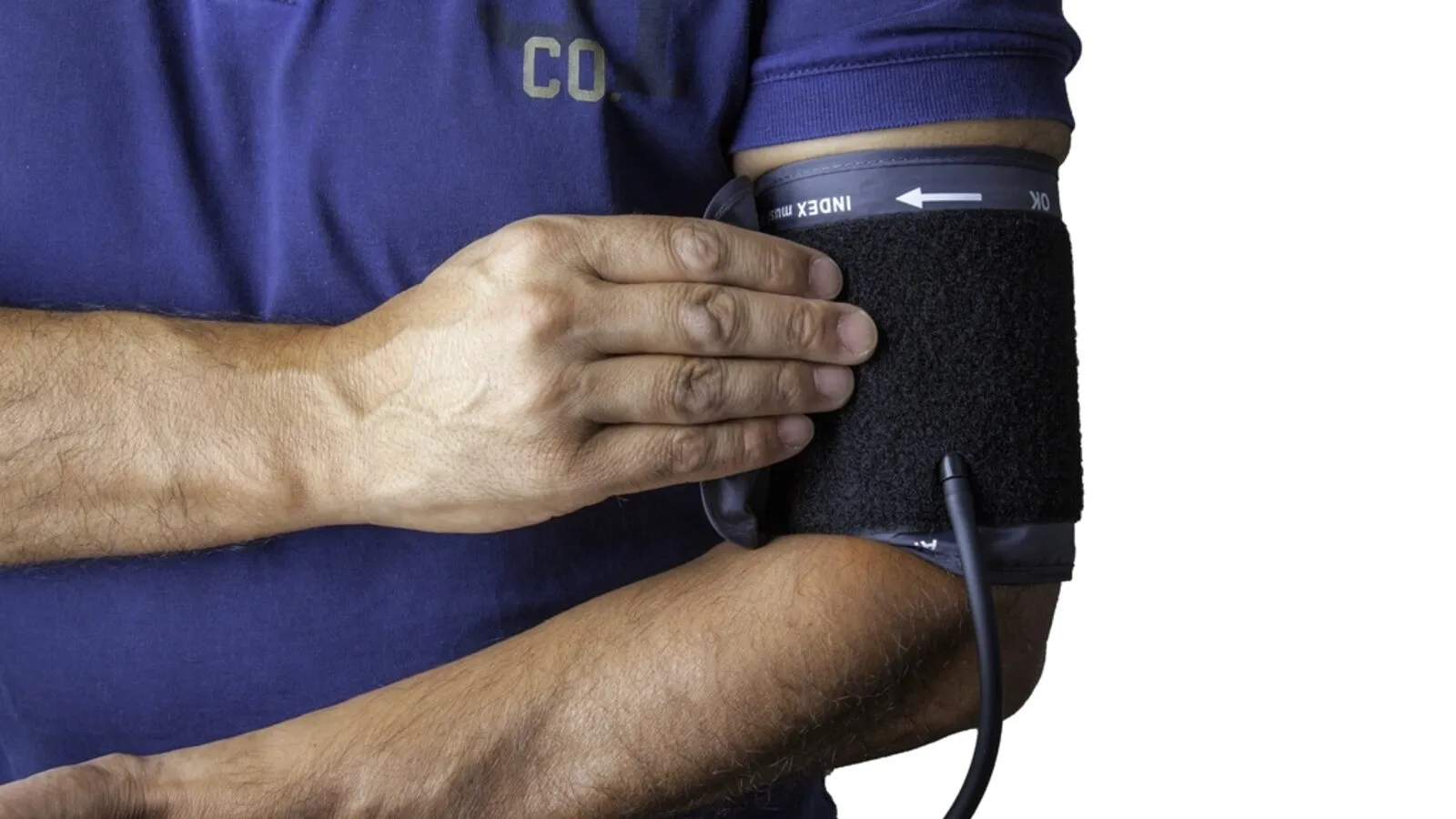
Image: rawpixel via Openverse (CC0).

Written by
Sophie ChenPharmaceutical Content Researcher · 8 years experience
Sophie Chen is a pharmaceutical content researcher with 8 years covering generic medication access and clinical pharmacology. She specialises in international regulatory frameworks, bioequivalence standards, and patient-facing education on therapeutic drug classes. She is not a clinician.