








✓ Medically reviewed by · Last reviewed: May 2026
Pharmacy Researcher · 8 years experience
Pharmacy researcher with 8 years reviewing clinical drug information, generic formulation equivalence, and international pharmaceutical standards. Focuses on patient-facing accuracy in medication education.
metformin immediate release vs extended release — You start metformin — the most prescribed diabetes medication in the world — and your blood sugar numbers improve. But within days, your stomach is in knots. Diarrhea, nausea, bloating. You’re not alone: nearly half of people on standard metformin experience gastrointestinal side effects, and many stop taking it because of them. The extended-release version addresses this problem directly, cutting GI side effects nearly in half while providing essentially identical blood sugar control.
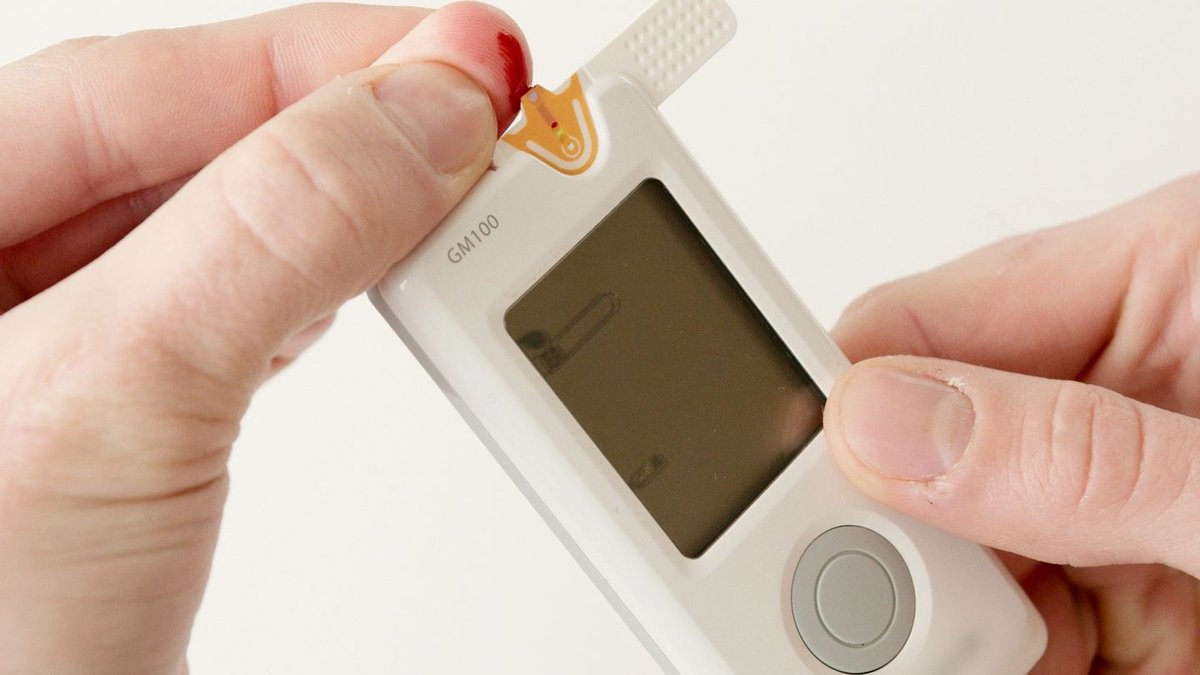
You start metformin — the most prescribed diabetes medication in the world — and your blood sugar numbers improve. But within days, your stomach is in knots. Diarrhea, nausea, bloating. You’re not alone: nearly half of people on standard metformin experience gastrointestinal side effects, and many stop taking it because of them.
There’s another option. Metformin extended release (ER) uses a different delivery system that releases the medication slowly over 8–12 hours instead of all at once. The result? Gastrointestinal side effects are cut nearly in half — and the blood sugar control is almost identical.
, yet surprisingly few resources compare the two formulations head-to-head with real data. Here’s everything the evidence tells us about metformin immediate release vs extended release and which formulation is better for you.
Key Takeaways
- Metformin ER cuts GI side effects nearly in half — 24.5% vs 45.2% in a 2026 cohort study — with significantly better treatment satisfaction
- The HbA1c difference between the two formulations is just 0.09% — clinically negligible
- Metformin ER is taken once daily, not 2–3 times daily, which improves adherence
- Nearly all patients who tolerate metformin IR can switch to ER without losing blood sugar control
- The ER formulation is not more expensive than IR in most markets
What Is Metformin? — Metformin immediate release vs extended release Explained
metformin is a biguanide medication that lowers blood glucose primarily by reducing glucose production in the liver and improving insulin sensitivity in muscle and fat tissue. It is the first-line medication for type 2 diabetes, recommended by the American Diabetes Association, the European Association for the Study of Diabetes, and virtually every major diabetes guideline worldwide.
unlike many diabetes medications, metformin does not cause hypoglycemia (dangerously low blood sugar) when used alone, and it has a modest weight-neutral or weight-loss effect — both significant advantages over insulin and sulfonylureas.
Metformin is available in two main formulations, and the choice of metformin immediate release vs extended release affects tolerability, convenience, and satisfaction: immediate release (IR) and extended release (ER, also called XR or SR). The active ingredient is identical. The difference is in how the tablet delivers that ingredient to your body.
Metformin immediate release vs extended release: How Do the Two Formulations Work?
Metformin immediate release is a standard tablet that dissolves quickly in the stomach after swallowing. The medication is absorbed rapidly, reaching peak blood concentration within about 2.5 hours. Because it clears from the body relatively quickly, IR metformin is typically taken 2–3 times daily with meals.
Metformin extended release uses a controlled-release delivery system. The most common technology — the GelShield Diffusion System used in Glucophage XR — swells on contact with fluid in the stomach, forming a gel matrix that releases metformin gradually over 8–12 hours. This sustained release means the peak concentration of metformin in the blood is lower and more even, and the medication can be taken just once daily.
The lower peak concentration is the key to why metformin immediate release vs extended release matters for GI tolerability metformin ER causes fewer GI side effects. The gastrointestinal tract is exposed to a lower concentration of metformin at any given moment, reducing the local irritation that triggers diarrhea, nausea, and bloating.
Side Effects: Metformin IR vs ER — Metformin immediate release vs extended release Explained
gastrointestinal side effects are the Achilles’ heel of metformin. Diarrhea, nausea, vomiting, abdominal discomfort, and bloating affect 20–50% of people starting metformin IR. While most people adapt over several weeks, a significant minority never fully tolerate the medication and either reduce their dose or stop entirely.
The most recent and compelling evidence on metformin immediate release vs extended release comes from a 2026 prospective cohort study published in Medicine that followed 119 newly diagnosed type 2 diabetes patients in Saudi Arabia — 62 on metformin IR and 57 on metformin ER — over 6 months, tracking GI tolerability, quality of life, and treatment satisfaction.
Here’s what they found:
| Outcome | Metformin IR | Metformin ER | Clinical Significance |
|---|---|---|---|
| Any GI side effect at 6 months | 45.2% | 24.5% | Near-halving (P < .05) |
| Therapy interruptions due to GI upset | Higher | Lower | Significant |
| Treatment satisfaction score (OHA-Q) | 86.31 | 92.59 | Statistically significant (P < .05) |
| Quality of life (DTR-QOL) | Improved | Improved | No significant difference between groups |
The message is clear: metformin ER is significantly better tolerated than IR, and the better tolerability translates into measurably higher treatment satisfaction. Both formulations improved diabetes-related quality of life, but patients on ER were more satisfied with their treatment.
These findings are consistent with a 2021 systematic review and meta-analysis of 9 randomized controlled trials involving 2,609 adults. The meta-analysis found that metformin ER was associated with a statistically significant reduction in dyspepsia (indigestion) — risk ratio 0.58 (95% CI 0.34–0.98) — meaning patients on ER were 42% less likely to experience dyspepsia. However, the two formulations had similar cumulative incidence of other key GI symptoms including diarrhea, nausea, and abdominal pain.
The meta-analysis on metformin immediate release vs extended release also noted that the overall quality of evidence for GI tolerability differences was moderate, and the benefit of ER was most pronounced for dyspepsia specifically. The more recent 2026 cohort study, with its prospective design and standardized assessment tools, strengthens the evidence that ER is genuinely better tolerated overall.
An earlier 2004 retrospective cohort study examining 971 patients found that those switched from metformin IR to metformin ER had fewer GI side effects, and that patients who had previously discontinued metformin IR due to GI intolerance were often able to tolerate the ER formulation.
What this means for you: If you’re struggling with metformin IR side effects, switching to ER is the single most evidence-based intervention. It’s not a guarantee — about 1 in 4 people on ER still experience some GI symptoms — but it cuts the risk nearly in half.
How Does Metformin IR vs ER Compare for Blood Sugar Control?
The million-dollar question: does the better tolerability of metformin ER come at the cost of weaker blood sugar control?
The 2021 meta-analysis on metformin immediate release vs extended release addressed this directly, pooling data from 9 RCTs. Across 2,609 patients, the pooled mean difference in HbA1c (the gold-standard measure of blood sugar control over 2–3 months) was just 0.09% in favor of metformin IR (95% CI 0.01% to 0.17%). This difference is statistically significant but clinically negligible — it’s smaller than the measurement error of the HbA1c test itself.
In plain language: metformin IR and ER lower blood sugar almost identically. The 0.09% difference, even if real, would not be noticeable to a patient or their doctor. For perspective, the American Diabetes Association considers an HbA1c reduction of 0.5% or more to be clinically meaningful. Metformin typically reduces HbA1c by 1.0–1.5% from baseline — so a 0.09% difference represents about 6–9% of the total effect.
The 2026 cohort study did not find a significant difference in HbA1c between the two groups at 6 months, consistent with the meta-analysis.
Bottom line: You do not sacrifice meaningful blood sugar control by choosing metformin ER over IR.
Dosing and Convenience
Metformin IR is typically started at 500 mg once or twice daily and titrated up to 1,000 mg twice daily (2,000 mg total daily dose). The maximum dose is 2,550 mg per day. Taking it with meals — not before or after — reduces GI side effects.
Metformin ER is typically started at 500 mg once daily with the evening meal and titrated up to 2,000 mg once daily. The maximum dose is 2,000 mg per day (slightly lower than IR). The once-daily dosing is a significant convenience advantage — one pill in the evening versus 2–3 pills spread throughout the day.
The once-daily dosing of ER also improves adherence. In the 2026 cohort study, patients on ER reported fewer interruptions of therapy and higher satisfaction specifically related to the convenience of daily dosing.
Cost and Availability
In most markets, generic metformin ER is slightly more expensive than generic metformin IR — but the difference is usually modest. Both formulations are available as low-cost generics and are typically covered by insurance. The brand-name version (Glucophage XR) is more expensive but rarely necessary given the availability of generic alternatives.
In developing countries and some European markets, metformin ER may be less widely available than IR. However, it is increasingly common and is now the preferred formulation in many treatment guidelines for patients who cannot tolerate IR.
Who Should Consider Switching to Metformin ER?
Metformin ER is particularly worth considering if you’re evaluating metformin immediate release vs extended release and:
- You have significant GI side effects on metformin IR — diarrhea, nausea, bloating, or abdominal pain that persists beyond the first 2–4 weeks of treatment
- You have previously stopped metformin IR due to intolerance — the 2004 retrospective study found that many patients who could not tolerate IR were able to tolerate ER
- You struggle with taking medications 2–3 times daily — the once-daily dosing of ER is more convenient and may improve adherence
- You are newly starting metformin — starting with ER may prevent GI side effects from developing in the first place, rather than trying to fix them after they occur
Who Should Stick With Metformin IR?
Metformin IR may be preferable if you’re weighing metformin immediate release vs extended release and:
- You tolerate IR well — if you’ve been on metformin IR for months without GI issues, there’s no compelling reason to switch
- You need the maximum possible HbA1c reduction — the 0.09% absolute difference is tiny, but for someone on the cusp of their HbA1c target, every fraction of a percent may matter
- Metformin ER is not available or is significantly more expensive in your area — the tolerability advantage is real but not worth paying a large premium for if you tolerate IR well
- You need doses above 2,000 mg daily — the maximum approved dose of metformin ER is 2,000 mg, while IR can go to 2,550 mg
How to Switch From Metformin IR to ER
If you and your doctor decide to switch, the process is usually straightforward:
- Stop metformin IR at your last evening dose
- Start metformin ER the next evening at the same total daily dose (or the nearest available ER dose)
- Monitor your blood sugar for the first 1–2 weeks to ensure stability
- Titrate up if needed — most people can switch at an equivalent dose without a washout period
The switch does not require a tapering period or gradual cross-over. Because the active ingredient is identical, the transition is pharmacologically simple. However, always make medication changes under medical supervision.
Frequently Asked Questions
Q: Is metformin extended release better than immediate release?
A: For most people, metformin ER is better tolerated than metformin IR — it cuts GI side effects nearly in half (24.5% vs 45.2% in a 2026 cohort study) and improves treatment satisfaction. The HbA1c difference between the two formulations is just 0.09%, which is clinically negligible. If you tolerate metformin IR well, there’s no compelling reason to switch. But if you’re struggling with GI side effects, ER is the most evidence-based option.
Q: Does extended release metformin cause less diarrhea?
A: Metformin ER is associated with lower rates of gastrointestinal side effects overall, including diarrhea. In the 2026 cohort study, the ER group reported significantly fewer GI side effects of any type (24.5% vs 45.2%). The 2021 meta-analysis found that ER specifically reduced dyspepsia (indigestion) by 42%, though the difference in diarrhea rates did not reach statistical significance in the pooled analysis. Individual experience varies, but ER is consistently better tolerated.
Q: What is the difference between metformin IR and ER?
A: The active ingredient (metformin hydrochloride) is identical. The difference is the delivery system: metformin IR dissolves quickly in the stomach and is taken 2–3 times daily, while metformin ER uses a controlled-release technology (usually the GelShield Diffusion System) that releases the medication gradually over 8–12 hours, allowing once-daily dosing. The lower peak concentration of ER is the primary reason for its better GI tolerability.
Q: Why does metformin cause stomach problems?
A: Metformin causes GI side effects through several mechanisms: (1) increased serotonin release in the gut, which stimulates intestinal motility, (2) alterations in the gut microbiome, (3) increased intestinal glucose uptake with subsequent lactate production, and (4) direct irritation of the intestinal lining. The higher peak concentration of metformin IR exposes the gut to a larger dose at once, which is why the ER formulation — with its lower, sustained release — causes fewer GI symptoms.
Q: Can I switch from metformin immediate release to extended release?
A: Yes, switching from metformin IR to ER is straightforward and can usually be done without a washout period. Your doctor will typically stop the IR formulation at your last evening dose and start the ER formulation the next evening at the same total daily dose. The switch does not require tapering because the active ingredient is identical. Always make this change under medical supervision.
Q: Is metformin ER as effective as metformin IR for blood sugar?
A: Yes, metformin ER and IR lower blood sugar almost identically. The 2021 meta-analysis of 9 randomized controlled trials on metformin immediate release vs extended release (2,609 patients) found a pooled HbA1c difference of just 0.09% in favor of IR — a statistically significant but clinically negligible difference. For context, metformin typically reduces HbA1c by 1.0–1.5%, so a 0.09% difference represents about 6–9% of the total effect and would not be noticeable to a patient or their doctor.
Q: How do you take metformin extended release?
A: Metformin ER is taken once daily, typically with the evening meal. Taking it with food — not before or after the meal — further reduces GI side effects. The tablet should be swallowed whole; do not crush, chew, or break it, as this would destroy the extended-release mechanism. The starting dose is usually 500 mg once daily, titrated up to 2,000 mg once daily as tolerated.
Q: Is metformin ER more expensive than IR?
A: In most markets, generic metformin ER is slightly more expensive than generic metformin IR — but the difference is usually modest (often a few dollars per month). Both formulations are widely available as low-cost generics and are typically covered by insurance. The tolerability and convenience benefits of ER generally outweigh the small cost difference for most patients who experience GI side effects on IR.
Related Reading
- Metformin Gastrointestinal Side Effects: Why They Happen and 8 Ways to Manage Them
- Metformin and Vitamin B12 Deficiency: What Every Long-Term User Needs to Know
- PPIs and Muscle Loss: What the Research Says About Long-Term Use
The Bottom Line
The choice between metformin IR and ER is not about which formulation is objectively “better” — it’s a question of which one is better for you. The evidence on metformin immediate release vs extended release is clear: metformin ER causes significantly fewer GI side effects, requires just once-daily dosing, and produces nearly identical blood sugar control. For anyone struggling with metformin IR side effects, the metformin immediate release vs extended release evidence points to switching to ER is the single most evidence-based intervention available.
If you’re tolerating metformin IR well, there’s no need to switch — the metformin immediate release vs extended release decision is straightforward in that case. But if you’re among the 45% of people who experience GI side effects, know that the ER formulation could make the difference between abandoning a highly effective medication and taking it comfortably for years.
If you’re dealing with metformin stomach issues, our guide to managing metformin gastrointestinal side effects covers 8 practical strategies beyond formulation switching. And if you’ve been on metformin long-term, our article on metformin and vitamin B12 deficiency explains why you should have your B12 levels checked.

Written by
Sophie ChenPharmaceutical Content Researcher · 8 years experience
Sophie Chen is a pharmaceutical content researcher with 8 years covering generic medication access and clinical pharmacology. She specialises in international regulatory frameworks, bioequivalence standards, and patient-facing education on therapeutic drug classes. She is not a clinician.