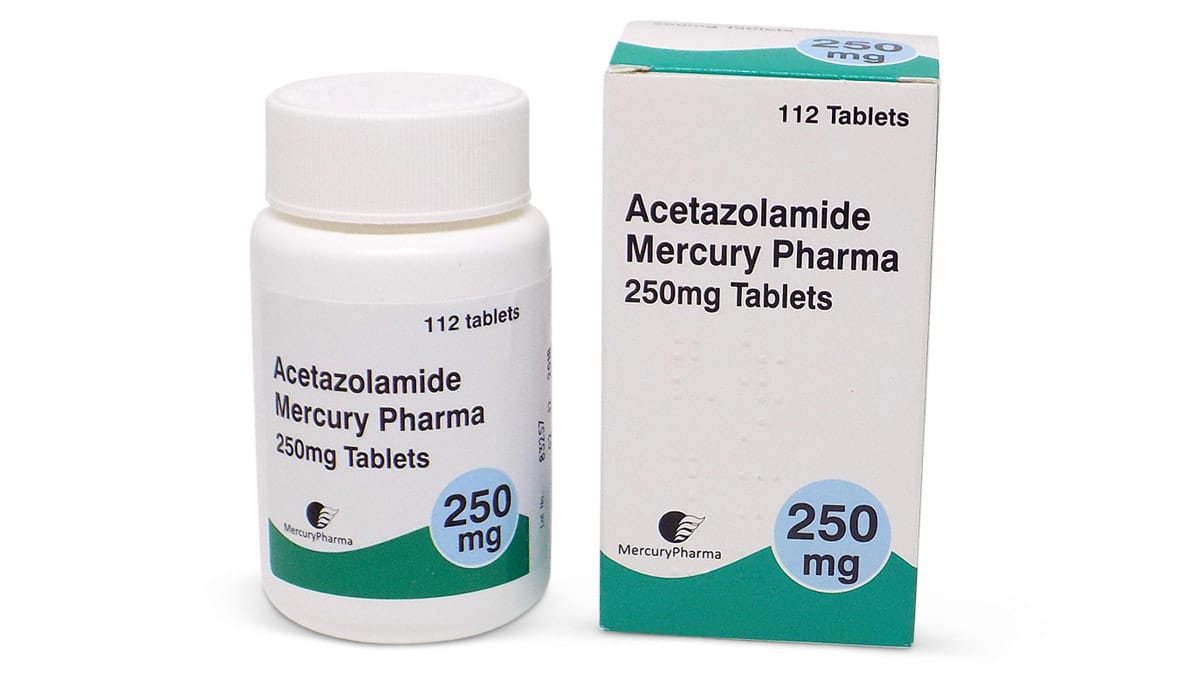
Diamox



✅ Reduces intraocular pressure
✅ Treats glaucoma
✅ Manages altitude sickness
✅ Alleviates edema
✅ Controls epilepsy
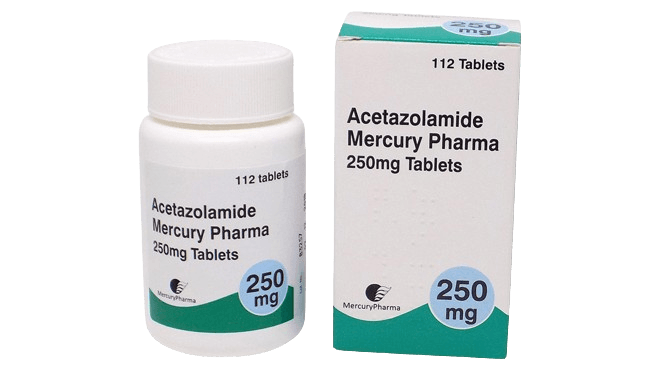
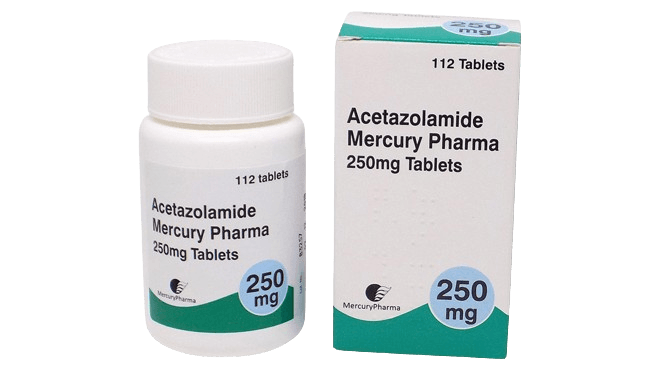
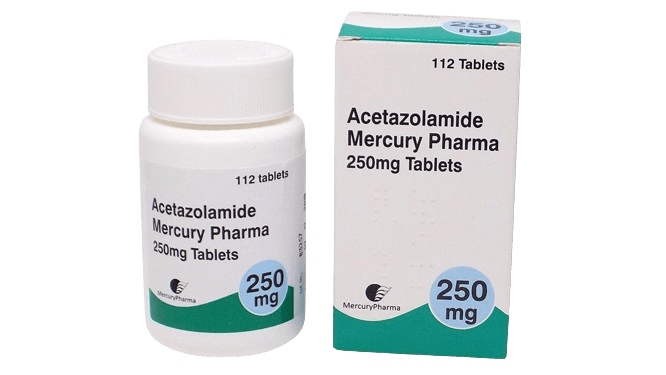
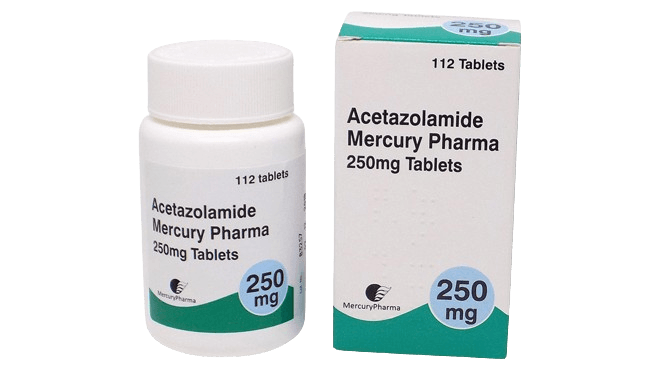
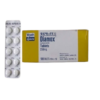
Diamox contains Acetazolamide.
✓ Medically reviewed by Morgan Ellis — Pharmacy Researcher · 8 years experience · Last reviewed: May 2026
⚡ Quick Answer — What is Diamox?
Diamox is an acetazolamide 250 mg tablet, a carbonic anhydrase inhibitor used primarily for open-angle and acute-angle-closure glaucoma (to reduce intraocular pressure), prevention and treatment of acute mountain sickness, idiopathic intracranial hypertension, and as a mild diuretic in specific clinical situations. Typical adult dose is 250 mg two to four times daily depending on indication. Diamox contains a sulfonamide group and is contraindicated in patients with a documented sulfa-drug reaction.
📦 Every order is covered by our Reshipment Assurance Policy — if your parcel does not arrive within 20 business days, we reship it.
Why order from MedsBase
Our generic medications are sourced from WHO-GMP certified manufacturers and shipped worldwide in discreet, plain packaging — no medication name on the parcel exterior. Card payments are routed through a regulated processor (statement descriptors include a regulated card-payment processor — never “MedsBase” or any medication name). Crypto and SEPA bank transfer are also accepted. Every order is backed by our Reshipment Assurance Policy.
Diamox 250 mg is an oral tablet of acetazolamide, one of the original FDA-approved medicines (1953) and still a widely used agent today. Acetazolamide is a carbonic anhydrase inhibitor — it reversibly blocks the enzyme that catalyses the conversion of carbon dioxide and water into bicarbonate and hydrogen ions. Because carbonic anhydrase is active in many tissues (eyes, kidneys, red blood cells, brain, stomach), acetazolamide has unusually diverse clinical applications.
Diamox is on the WHO Essential Medicines List. Its primary role is in ophthalmology (glaucoma) and altitude medicine (mountain sickness), with additional uses in neurology, nephrology, and sports medicine.
What Is Diamox Used For?
- Open-angle glaucoma — second- or third-line when eye drops alone are not enough; reduces intraocular pressure by lowering aqueous humour production
- Acute-angle-closure glaucoma — as urgent adjunct to topical therapy and surgical planning
- Secondary glaucoma — post-operative or post-traumatic raised IOP
- Prevention and treatment of acute mountain sickness (AMS) — starts 24 hours before ascent above 2,500 m, continued for 48 hours at altitude
- High altitude cerebral oedema (HACE) and high altitude pulmonary oedema (HAPE) — adjunct alongside descent and oxygen
- Idiopathic intracranial hypertension (IIH / pseudotumour cerebri) — first-line medical therapy
- Central serous chorioretinopathy — specialist ophthalmology use
- Refractory epilepsy — occasional adjunct, particularly in catamenial (menstrually-related) seizures
- Familial periodic paralysis — hypokalaemic and hyperkalaemic forms
- Metabolic alkalosis — in ICU, to correct contraction alkalosis
- Sleep apnoea with high-altitude periodic breathing
Note on the “BP” listing. Diamox has a mild diuretic (water-losing) action, which historically placed it alongside other diuretics in some formularies. It is not a standard blood-pressure medication — for hypertension, thiazide diuretics (HCTZ, indapamide), ACE inhibitors, ARBs, and calcium channel blockers are the proper first-line choices.
How Does Diamox Work?
Acetazolamide reversibly inhibits the enzyme carbonic anhydrase, which is present in multiple body tissues. The clinical effects depend on the tissue:
- Eye (ciliary body): reduces bicarbonate production and consequently aqueous humour formation, lowering intraocular pressure by 15–25%
- Kidney (proximal tubule): reduces bicarbonate reabsorption, producing a mild diuresis with bicarbonate loss and a metabolic acidosis
- Respiratory (peripheral chemoreceptors, central): the induced metabolic acidosis stimulates ventilation, which speeds acclimatisation to high altitude and protects against periodic breathing
- Brain (choroid plexus): reduces CSF production, lowering intracranial pressure in idiopathic intracranial hypertension
- Red blood cells: reduces CO₂ hydration, shifting the oxygen-haemoglobin dissociation curve
Diamox Dosing
- Glaucoma: 250–1,000 mg/day in divided doses (often 250 mg TID-QID). Slow-release 500 mg capsules (Diamox SR) allow BID dosing.
- Acute mountain sickness prevention: 125 mg twice daily starting 24 hours before ascent above 2,500 m, continued for 48 hours at altitude. Some protocols use 250 mg BID.
- Acute mountain sickness treatment: 250 mg twice daily, plus descent if possible
- Idiopathic intracranial hypertension: typically start at 500 mg BID; titrate up to 1–2 g/day as tolerated
- Refractory epilepsy (adjunct): 250–1,000 mg/day
- Children: weight-based; specialist supervision
- Elderly and mild renal impairment: start at 125 mg BID
- Severe renal impairment (CrCl < 10 mL/min): avoid
Take with food to reduce GI upset. Swallow tablets whole with water. Dose in the morning and at lunchtime (not evening) to avoid diuresis-related sleep disruption.
Who Should Not Take Diamox?
- Known hypersensitivity to acetazolamide or any sulfonamide
- Sulfa-drug allergy — acetazolamide contains a sulfonamide group; cross-reactivity is possible although typically not severe
- Severe liver disease or hepatic cirrhosis (risk of hepatic encephalopathy)
- Severe renal impairment (CrCl < 10 mL/min)
- Addisonian adrenal insufficiency
- Low serum sodium or potassium levels
- Hyperchloraemic acidosis
- Long-term use in chronic non-congestive angle-closure glaucoma (can worsen by closing the anterior chamber further)
- Pregnancy (category C) — specialist decision
- Breastfeeding — use only if clearly necessary
Side Effects of Diamox
- Very common: paraesthesia (tingling of fingers, toes, and face — a hallmark effect that affects most users), metallic taste (particularly with carbonated drinks), frequent urination (polyuria)
- Common: fatigue, drowsiness, nausea, loss of appetite, mild hypokalaemia, metabolic acidosis (usually asymptomatic)
- Uncommon: weight loss, decreased libido, photosensitivity, altered taste
- Rare but serious: severe skin reactions (Stevens-Johnson syndrome), aplastic anaemia, thrombocytopenia, acute liver injury, kidney stones, rarely sulphonamide-hypersensitivity reactions
Stop Diamox and seek medical advice for: a rash (especially blistering), prolonged severe fatigue, unusual bleeding or bruising, yellow skin or eyes, or severe abdominal pain.
Drug Interactions
- Aspirin (high-dose): displaces acetazolamide from protein binding and raises levels — salicylate toxicity possible
- Lithium: acetazolamide promotes lithium excretion — monitor levels
- Digoxin and antiarrhythmics: hypokalaemia can worsen digoxin toxicity and arrhythmia risk
- Metformin: additive lactic acidosis risk — caution in high-altitude use
- Topiramate, zonisamide: additive carbonic anhydrase inhibition, raised risk of metabolic acidosis and kidney stones
- Corticosteroids: additive hypokalaemia
Ordering & Delivery
MedsBase offers worldwide shipping on every order. Orders are dispatched in discreet packaging and arrive in branded manufacturer packs. If your preferred strength or pack size is out of stock, contact customer support for an ETA.
Medical disclaimer. The information on this page is provided for general education only. It is not a substitute for advice from your own doctor or pharmacist. Talk to a qualified healthcare professional before starting, stopping, or changing therapy.
Frequently Asked Questions
What is Diamox used for?
Diamox (acetazolamide 250 mg) is mainly used for glaucoma (to lower intraocular pressure), prevention and treatment of acute mountain sickness, idiopathic intracranial hypertension, and occasionally for refractory epilepsy, familial periodic paralysis, and metabolic alkalosis in specific clinical contexts.
Does Diamox really prevent altitude sickness?
Yes, with strong evidence. Started 24 hours before ascent above 2,500 m and continued for 48 hours at altitude, acetazolamide 125–250 mg twice daily reduces the risk of acute mountain sickness by about 50% in most studies. It works by inducing a mild metabolic acidosis that stimulates ventilation and speeds acclimatisation.
Why do my fingers tingle on Diamox?
Paraesthesia — tingling in the fingers, toes, and around the mouth — is the most characteristic side effect of acetazolamide and affects the majority of users. It is caused by the mild metabolic acidosis the drug produces. It is harmless and usually resolves when the drug is stopped.
Why does my cola taste strange when I take Diamox?
Carbonated drinks taste metallic, flat, or unpleasant on acetazolamide because the drug inhibits carbonic anhydrase in the mouth, altering the perception of carbonation. This is a direct pharmacological effect and is not harmful.
Is Diamox a blood-pressure medicine?
Not primarily. Diamox has a mild diuretic effect but is not a standard antihypertensive. Blood pressure tablets for routine use are thiazide diuretics, ACE inhibitors, ARBs, calcium channel blockers, and beta-blockers — not acetazolamide.
Can I take Diamox if I am allergic to sulfa antibiotics?
Acetazolamide contains a sulfonamide group. Cross-reactivity with antibiotic sulphonamides does occur in a minority of patients but is less strict than once feared. Discuss with your doctor before starting; the decision depends on the nature of your original sulfa reaction.
How long can I take Diamox?
Duration depends on the indication. Altitude prophylaxis is a few days; glaucoma and idiopathic intracranial hypertension may be months to years. Long-term therapy needs periodic monitoring of electrolytes, renal function, and consideration of kidney stone risk.
Can Diamox cause kidney stones?
Yes — long-term acetazolamide therapy is associated with an increased risk of calcium phosphate kidney stones, related to the induced metabolic acidosis and changes in urine chemistry. Maintain good hydration and discuss monitoring with your doctor if you are on long-term therapy.
Can I drink alcohol on Diamox?
Light drinking is usually tolerated. Heavy drinking can worsen the metabolic acidosis and increase the risk of electrolyte problems.
Is Diamox safe in pregnancy?
Acetazolamide is pregnancy category C and has been associated with limb abnormalities in animal studies at very high doses. In humans, data are limited. Use in pregnancy should be a specialist decision, balancing the maternal benefit (e.g. idiopathic intracranial hypertension, glaucoma) against theoretical fetal risk.
What should I do if I miss a dose of Diamox?
Take it when you remember unless the next dose is due within 2 hours — then skip. Never double up.
Related Alternatives
Other products in Chronic Conditions that customers also view:
More options in High Blood Pressure Medication
Ranked by recent MedsBase order volume — what other customers in this category are picking.


| Strength | 250 mg |
|---|---|
| Quantity | 30 Tablet/s, 60 tablet/s, 90 tablet/s, 180 tablet/s |
Q & A
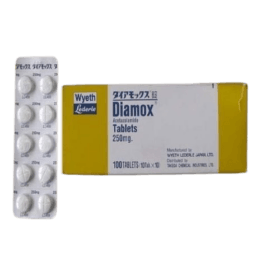 Diamox
Related products