








✓ Medically reviewed by · Last reviewed: May 2026
Pharmacy Researcher · 8 years experience
Pharmacy researcher with 8 years reviewing clinical drug information, generic formulation equivalence, and international pharmaceutical standards. Focuses on patient-facing accuracy in medication education.
Doxycycline and azithromycin are two of the most widely prescribed antibiotics in the world — and for good reason. Between them, they cover an enormous range of bacterial infections, from common sinus infections and bronchitis to sexually transmitted diseases, acne, and even tick-borne illnesses like Lyme disease. Yet despite being prescribed millions of times each year, most patients receive little explanation about why their doctor chose one over the other.
Understanding the differences between these two antibiotics — how they work, what they treat best, their side effect profiles, and when one clearly outperforms the other — can help you have more informed conversations with your healthcare provider and get better outcomes from your treatment. This evidence-based 2026 guide provides the complete comparison of doxycycline vs azithromycin, covering everything from mechanism of action to real-world clinical applications.
What Are Doxycycline and Azithromycin?
Both doxycycline and azithromycin are broad-spectrum antibiotics, meaning they are effective against a wide variety of bacteria. However, they belong to entirely different antibiotic classes, work through different mechanisms, and have distinct clinical profiles.
Doxycycline Overview
Doxycycline is a tetracycline-class antibiotic that has been in clinical use since the 1960s. It is a semi-synthetic derivative of oxytetracycline, developed to improve oral absorption and extend the duration of action compared to earlier tetracyclines. The FDA has approved doxycycline for more than a dozen indications, making it one of the most versatile antibiotics available.
Doxycycline is available in multiple formulations — immediate-release capsules, delayed-release tablets, oral suspension, and intravenous injection — giving clinicians flexibility in how they prescribe it. It is also one of the most affordable antibiotics, with generic versions widely available.
Azithromycin Overview
Azithromycin is a macrolide antibiotic — specifically, it is the first of a subclass called azalides. Developed by Croatian pharmaceutical company Pliva in the 1980s and later licensed to Pfizer (marketed as Zithromax and the famous Z-Pack), azithromycin quickly became one of the most prescribed antibiotics in history due to its short treatment courses and excellent tolerability.
What makes azithromycin unique among antibiotics is its remarkable tissue penetration and long half-life. A single dose can remain active in infected tissues for days, which is why the standard Z-Pack (5-day course) actually provides approximately 10 days of antibiotic coverage. This convenience factor — fewer pills, shorter courses — has made azithromycin a go-to choice for outpatient infections.
How Do Doxycycline and Azithromycin Work? (Mechanism of Action)
Both antibiotics are classified as bacteriostatic — they inhibit bacterial growth rather than directly killing bacteria (though both can be bactericidal at high concentrations). Despite this shared classification, they target bacteria through completely different mechanisms.
How Doxycycline Works
Doxycycline works by binding to the 30S ribosomal subunit of bacterial ribosomes. This blocks the attachment of aminoacyl-tRNA to the mRNA-ribosome complex, effectively preventing the bacteria from synthesizing proteins they need to grow and multiply. Without new proteins, the bacteria cannot replicate, repair their cell walls, or produce virulence factors — allowing the immune system to clear the infection.
Key pharmacological features of doxycycline:
- Oral bioavailability: 90–100% (excellent absorption)
- Half-life: 16–22 hours (allows once or twice-daily dosing)
- Protein binding: 80–93%
- Elimination: Primarily through the GI tract (fecal), with some renal excretion — making it safer in kidney disease than many other antibiotics
- Unique advantage: Also has anti-inflammatory properties beyond its antibacterial effects, which is why it works so well for acne and rosacea
How Azithromycin Works
Azithromycin binds to the 50S ribosomal subunit of bacterial ribosomes. This blocks the translocation step during protein synthesis — essentially preventing the ribosome from moving along the mRNA strand to read the next codon. The result is the same: bacteria cannot produce essential proteins and stop growing.
Key pharmacological features of azithromycin:
- Oral bioavailability: ~37% (lower than doxycycline, but compensated by exceptional tissue distribution)
- Half-life: 68 hours (extremely long — the longest of any commonly used antibiotic)
- Tissue concentration: 10–100× higher in tissues than in blood plasma
- Elimination: Primarily biliary (liver/fecal), with minimal renal excretion
- Unique advantage: Concentrates heavily inside phagocytes (white blood cells), which carry it directly to sites of infection — a built-in drug delivery system
Doxycycline vs Azithromycin: Quick Comparison Table
| Feature | Doxycycline | Azithromycin |
|---|---|---|
| Drug Class | Tetracycline | Macrolide (Azalide) |
| Mechanism | Binds 30S ribosomal subunit | Binds 50S ribosomal subunit |
| Typical Dosing | 100 mg twice daily (7–14 days) | 500 mg day 1, then 250 mg days 2–5 |
| Half-Life | 16–22 hours | ~68 hours |
| Take with Food? | Yes (reduces GI upset, but avoid dairy) | Can be taken with or without food |
| Sun Sensitivity | Yes (significant) | No |
| Safe in Pregnancy? | No (Category D) | Generally yes (Category B) |
| Pediatric Use | Generally avoided under age 8 | Safe for children |
| Cardiac Risk | Minimal | Small QT prolongation risk |
| Cost (Generic) | $4–$25 | $4–$20 |
| Common Brand Names | Vibramycin, Doryx, Oracea | Zithromax, Z-Pack, Zmax |
What Does Doxycycline Treat? (Uses and Indications)
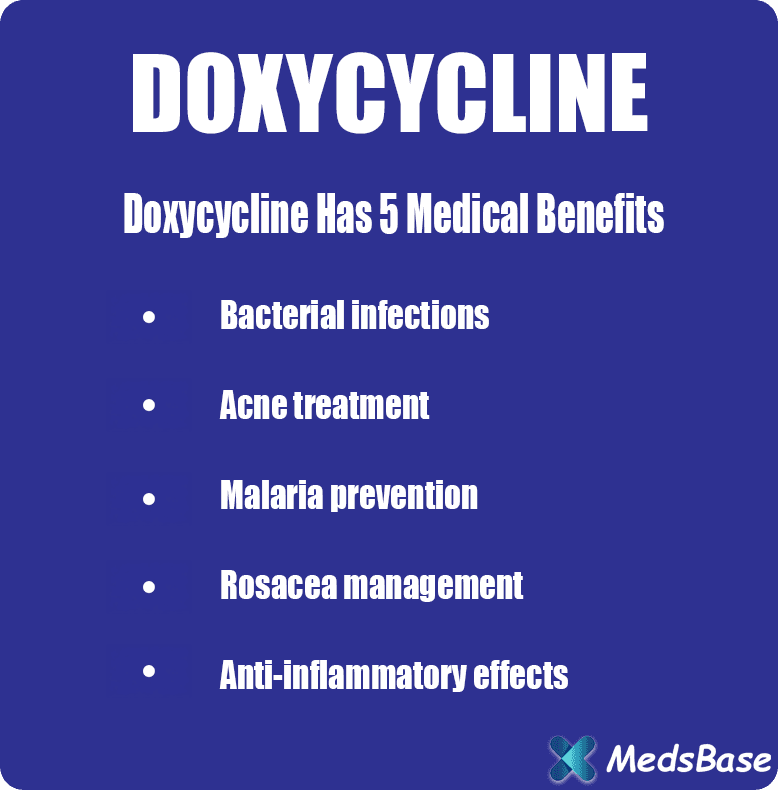
Doxycycline has one of the broadest spectrums of any oral antibiotic. Its FDA-approved and well-established uses include:
Respiratory Infections
- Community-acquired pneumonia (atypical pathogens)
- Acute bronchitis with bacterial superinfection
- Sinusitis (as a second-line agent)
- COPD exacerbations
Sexually Transmitted Infections
- Chlamydia — first-line treatment (100 mg twice daily for 7 days)
- Syphilis — alternative for penicillin-allergic patients
- Lymphogranuloma venereum
- Mycoplasma genitalium — part of combination therapy
- Pelvic inflammatory disease (PID) — in combination regimens
Tick-Borne and Vector-Borne Diseases
This is where doxycycline truly shines — it is the undisputed first-line treatment for virtually all tick-borne infections in the United States:
- Lyme disease (all stages)
- Rocky Mountain spotted fever
- Ehrlichiosis and anaplasmosis
- Q fever
- Tularemia
Skin Conditions
- Moderate-to-severe acne vulgaris — one of the most common prescriptions for acne
- Rosacea — low-dose doxycycline (40 mg/day) is FDA-approved specifically for rosacea
- Skin and soft tissue infections including MRSA (community-acquired)
Other Important Uses
- Malaria prophylaxis — recommended for travelers to chloroquine-resistant areas
- Anthrax — post-exposure prophylaxis and treatment
- Cholera
- Periodontal disease
- H. pylori eradication — in some combination regimens

What Does Azithromycin Treat? (Uses and Indications)
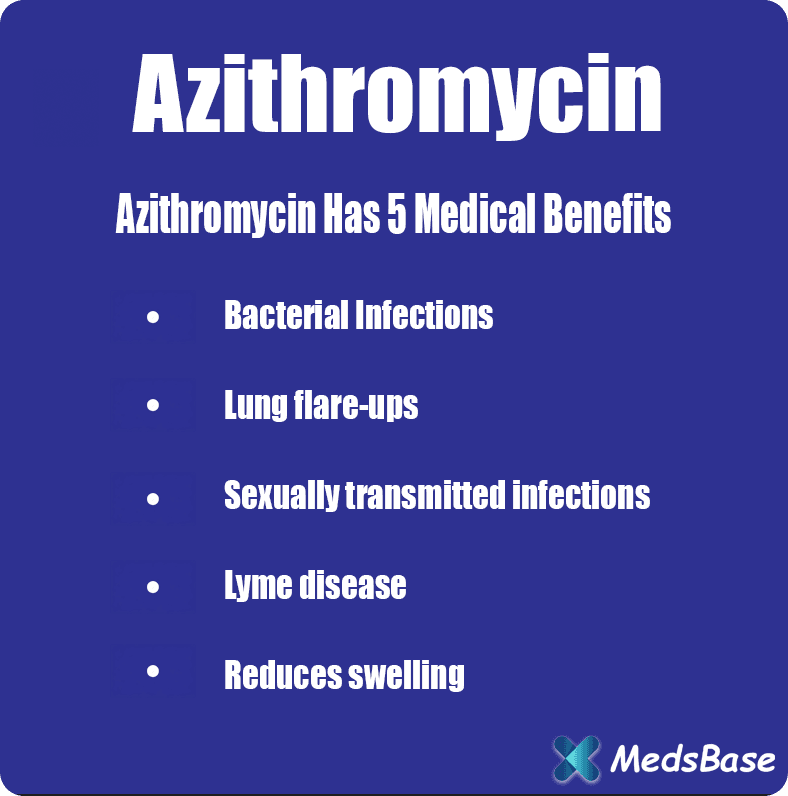
Azithromycin’s strength lies in respiratory infections, certain STDs, and situations requiring short, convenient treatment courses. For a deeper look at this antibiotic, see our detailed guide on what azithromycin is and how it works.
Respiratory Infections (Primary Strength)
- Community-acquired pneumonia — one of the most commonly prescribed treatments
- Acute bacterial sinusitis
- Acute exacerbation of chronic bronchitis
- Pharyngitis/tonsillitis — second-line for patients with penicillin allergy
- Pertussis (whooping cough) — treatment and post-exposure prophylaxis
- Legionnaires’ disease
Ear and Eye Infections
- Acute otitis media (middle ear infection) — especially in children
- Bacterial conjunctivitis (topical formulation)
- Trachoma — the WHO recommends single-dose azithromycin for trachoma eradication programs
Sexually Transmitted Infections
- Chlamydia — single 1 g dose (historically first-line, but current guidelines increasingly favor doxycycline)
- Gonorrhea — part of dual therapy with ceftriaxone (now removed from some guidelines due to resistance concerns)
- Chancroid
Other Uses
- Traveler’s diarrhea
- MAC prophylaxis in HIV/AIDS patients
- Babesiosis — in combination with atovaquone
- Cat scratch disease
- Cystic fibrosis — chronic use for anti-inflammatory effects and prevention of exacerbations

Doxycycline Dosage Guide
Doxycycline dosing varies significantly depending on the condition being treated. The following are standard adult dosages based on current clinical guidelines:
| Condition | Dose | Duration |
|---|---|---|
| General infections | 100 mg twice daily | 7–14 days |
| Chlamydia | 100 mg twice daily | 7 days |
| Lyme disease (early) | 100 mg twice daily | 10–21 days |
| Acne | 50–100 mg once or twice daily | 6–12 weeks |
| Rosacea | 40 mg once daily (sub-antimicrobial) | 12–16 weeks |
| Malaria prophylaxis | 100 mg once daily | Start 1–2 days before travel, continue 4 weeks after |
| MRSA skin infection | 100 mg twice daily | 7–14 days |
| Rocky Mountain spotted fever | 100 mg twice daily | Until afebrile for 48+ hours |
| Syphilis (penicillin-allergic) | 100 mg twice daily | 14–28 days |
Important administration tips:
- Take with a full glass of water and remain upright for at least 30 minutes to prevent esophageal irritation
- Can be taken with food to reduce nausea — but avoid dairy products, antacids, and iron supplements within 2 hours (they bind to doxycycline and reduce absorption)
- Maintain consistent dosing schedule — if taking twice daily, space doses approximately 12 hours apart
Azithromycin Dosage Guide (Z-Pack and Beyond)
Azithromycin’s long half-life allows for shorter treatment courses and less frequent dosing. Here are the standard adult dosages:
| Condition | Dose | Duration |
|---|---|---|
| Z-Pack (standard course) | 500 mg day 1, then 250 mg days 2–5 | 5 days (provides ~10 days of coverage) |
| Community-acquired pneumonia | 500 mg day 1, then 250 mg days 2–5 | 5 days |
| Sinusitis | 500 mg once daily | 3 days |
| Chlamydia | 1 g as a single dose | One time |
| Gonorrhea (adjunct) | 1–2 g as a single dose | One time (with ceftriaxone) |
| Acute otitis media (children) | 10 mg/kg day 1, then 5 mg/kg days 2–5 | 5 days |
| Traveler’s diarrhea | 1 g as a single dose or 500 mg daily | 1–3 days |
| MAC prophylaxis (HIV) | 1,200 mg once weekly | Ongoing |
| Pertussis | 500 mg day 1, then 250 mg days 2–5 | 5 days |
Administration tips:
- Tablets can be taken with or without food
- Oral suspension should be taken on an empty stomach (1 hour before or 2 hours after meals)
- Complete the full course even if symptoms improve — stopping early promotes antibiotic resistance
Side Effects: Doxycycline vs Azithromycin
Both antibiotics are generally well-tolerated, but they carry distinctly different side effect profiles. Understanding these differences can help you anticipate and manage potential issues.
Doxycycline Side Effects
Common (affecting 1–10% of patients):
- Nausea and vomiting — the most frequent complaint; reduced by taking with food
- Diarrhea
- Photosensitivity — increased sunburn risk, sometimes severe. This is doxycycline’s most notable side effect. Use SPF 30+ sunscreen and avoid prolonged sun exposure
- Esophageal irritation — can cause ulceration if the pill gets stuck; always take with plenty of water while sitting upright
- Vaginal yeast infection — due to disruption of normal flora
Less common but important:
- Tooth discoloration — primarily in children under 8 (reason for age restriction, though recent data suggests short courses may be safe)
- Intracranial hypertension (pseudotumor cerebri) — rare but serious; symptoms include severe headache and vision changes
- Pill esophagitis — can cause significant esophageal damage if tablets are swallowed without adequate water
- Skin hyperpigmentation — with prolonged use (months to years), bluish-grey discoloration can occur
Azithromycin Side Effects
Common (affecting 1–10% of patients):
- Diarrhea — the most frequent complaint (approximately 5% of patients)
- Nausea and abdominal pain
- Vomiting
- Headache
Less common but important:
- QT prolongation — azithromycin can slightly extend the QT interval on an ECG, which in rare cases may trigger serious heart arrhythmias. Patients with existing heart rhythm disorders or those taking other QT-prolonging medications should use caution
- Hepatotoxicity — rare cases of liver injury, including cholestatic jaundice
- Hearing loss — typically with high doses or prolonged IV use; usually reversible
- Clostridioides difficile (C. diff) colitis — risk exists with any antibiotic but is relatively low with azithromycin
- Allergic reactions — rash, angioedema, and rarely anaphylaxis
Side Effect Comparison Summary
| Side Effect | Doxycycline | Azithromycin |
|---|---|---|
| GI upset (nausea, diarrhea) | Moderate | Mild to moderate |
| Sun sensitivity | Significant risk | Not a concern |
| Esophageal irritation | Yes (take with water upright) | No |
| Heart rhythm risk (QT) | Minimal | Small but real risk |
| Yeast infection risk | Higher (longer courses) | Lower (shorter courses) |
| Safe in pregnancy | No | Generally yes |
| Safe for children | Caution under age 8 | Yes |
| Overall tolerability | Good (with precautions) | Very good |
Drug Interactions and Warnings
Knowing what medications and substances interact with these antibiotics is essential for safe use.
Doxycycline Drug Interactions
- Antacids, calcium, iron, magnesium supplements — form insoluble complexes with doxycycline, dramatically reducing absorption. Separate by at least 2 hours
- Dairy products — calcium in milk and cheese can bind doxycycline. Unlike other tetracyclines, the effect is moderate with doxycycline, but separation is still recommended
- Warfarin — doxycycline can enhance the anticoagulant effect, increasing bleeding risk. INR monitoring is advised
- Oral contraceptives — theoretically may reduce effectiveness (evidence is weak, but backup contraception is often recommended)
- Isotretinoin (Accutane) — never combine with doxycycline, as both can cause intracranial hypertension
- Barbiturates, phenytoin, carbamazepine — may increase doxycycline metabolism, reducing its effectiveness
- Methotrexate — doxycycline may increase methotrexate levels and toxicity
Azithromycin Drug Interactions
- QT-prolonging drugs — avoid combining with medications like amiodarone, sotalol, fluoroquinolones, or certain antipsychotics, as this can increase arrhythmia risk
- Warfarin — azithromycin can potentiate warfarin’s effect; monitor INR
- Digoxin — azithromycin may increase digoxin levels by affecting gut bacteria that normally metabolize it
- Nelfinavir — increases azithromycin levels; monitoring for side effects is recommended
- Cyclosporine — azithromycin may raise cyclosporine levels; monitor closely
- Statins — rare reports of increased risk of rhabdomyolysis, particularly with simvastatin and lovastatin
- Aluminum/magnesium antacids — reduce the rate (but not extent) of azithromycin absorption; separate by 2 hours
Doxycycline vs Azithromycin for Specific Conditions
This is where the practical, real-world differences matter most. Here is a head-to-head comparison for the conditions where both antibiotics are commonly prescribed.
For Sinus Infections (Sinusitis)
Winner: Depends on the scenario
Neither doxycycline nor azithromycin is considered first-line for acute bacterial sinusitis — that designation goes to amoxicillin-clavulanate. However, both are used as alternatives:
- Doxycycline is recommended by the Infectious Diseases Society of America (IDSA) as a preferred second-line agent for sinusitis in patients with penicillin allergy
- Azithromycin was once widely prescribed for sinusitis but is now no longer recommended as first-line by most guidelines due to high rates of Streptococcus pneumoniae resistance to macrolides
Bottom line: For sinusitis, doxycycline is the better choice between these two options.
For Bronchitis and Pneumonia
Winner: Azithromycin (for typical outpatient pneumonia)
For community-acquired pneumonia in otherwise healthy outpatients, current guidelines recommend azithromycin (or doxycycline) as monotherapy. The choice often comes down to:
- Azithromycin — simpler dosing, shorter course, slightly better compliance, excellent coverage of atypical organisms (Mycoplasma, Chlamydophila, Legionella)
- Doxycycline — equally effective for atypical coverage and may be preferred when macrolide-resistant S. pneumoniae is a concern
For acute bronchitis, note that antibiotics are rarely indicated — most cases are viral. When bacterial superinfection is suspected, both antibiotics are reasonable choices.
For Acne
Winner: Doxycycline (clear advantage)
Doxycycline is a first-line oral antibiotic for moderate-to-severe acne, recommended by the American Academy of Dermatology. Azithromycin is sometimes used off-label for acne but lacks the same level of evidence and guideline support.
Doxycycline’s advantage for acne goes beyond antibacterial activity — its anti-inflammatory properties (inhibiting matrix metalloproteinases and reducing cytokine production) directly address the inflammatory component of acne. Low-dose doxycycline (40 mg/day, sub-antimicrobial dose) can treat acne-related inflammation without contributing to antibiotic resistance.
For Chlamydia
Winner: Doxycycline (current guidelines favor it)
This is a significant shift in medical practice. For years, a single 1 g dose of azithromycin was the preferred treatment for chlamydia due to its convenience and directly observed therapy potential. However, the 2021 CDC STI Treatment Guidelines changed the first-line recommendation to doxycycline 100 mg twice daily for 7 days.
The reason? Clinical data showed that doxycycline achieves higher cure rates — approximately 97% vs. 94% for azithromycin. While this difference seems small, across millions of chlamydia cases per year, it translates to thousands of treatment failures prevented.
Azithromycin (1 g single dose) remains an acceptable alternative, particularly when adherence to a 7-day course is a concern.
For Lyme Disease
Winner: Doxycycline (no contest)
Doxycycline is the definitive first-line treatment for all stages of Lyme disease. Azithromycin is sometimes used as an alternative in patients who cannot take doxycycline, but it is considered less effective and is not recommended as a primary option by any major guideline.
- Early localized Lyme: Doxycycline 100 mg twice daily for 10–14 days
- Early disseminated Lyme: Doxycycline 100 mg twice daily for 14–21 days
- Added bonus: Doxycycline also treats potential co-infections (anaplasmosis, ehrlichiosis) that may be transmitted by the same tick bite
For Traveler’s Diarrhea
Winner: Azithromycin
Azithromycin is the preferred antibiotic for traveler’s diarrhea, especially in regions where fluoroquinolone resistance is common (Southeast Asia, South Asia). A single 1 g dose or a 3-day course of 500 mg daily is effective against most bacterial causes.
Doxycycline is not commonly used for this indication due to higher rates of resistance among the bacteria that typically cause traveler’s diarrhea.
Can You Take Doxycycline and Azithromycin Together?
Yes, in certain clinical situations, doxycycline and azithromycin can be prescribed together. Because they target different ribosomal subunits (30S vs. 50S), they do not directly interfere with each other’s mechanism of action.
Clinical scenarios where combination therapy may be used:
- Pelvic inflammatory disease (PID) — some regimens include both antibiotics as part of a broader combination
- Severe community-acquired pneumonia — when covering both typical and atypical pathogens
- Co-existing infections — for example, treating Lyme disease with doxycycline while using azithromycin for a concurrent respiratory infection
However, this combination should only be used under direct medical supervision. Self-prescribing multiple antibiotics is dangerous and contributes to antibiotic resistance.
Antibiotic Resistance: What You Need to Know
Antibiotic resistance is one of the most pressing public health threats of the 21st century, and both doxycycline and azithromycin are affected.
Resistance Patterns for Azithromycin
Azithromycin resistance has become a growing concern, particularly among respiratory pathogens:
- Streptococcus pneumoniae: Macrolide resistance rates have risen to 30–40% in some regions, which is why azithromycin is no longer recommended as first-line for sinusitis in many guidelines
- Neisseria gonorrhoeae: Rising azithromycin resistance led to its removal from the preferred gonorrhea treatment regimen in some countries
- Mycoplasma genitalium: Macrolide resistance now exceeds 50% in some populations, making azithromycin monotherapy increasingly ineffective
Resistance Patterns for Doxycycline
Doxycycline resistance is generally less problematic, but it exists:
- Streptococcus pneumoniae: Some resistance exists but is less widespread than macrolide resistance
- MRSA: Most community-acquired MRSA strains remain susceptible to doxycycline, making it a valuable oral option
- Enterobacteriaceae: Many gram-negative bacteria have developed tetracycline resistance, limiting doxycycline’s utility for urinary tract infections
How to Help Prevent Antibiotic Resistance
- Complete your full course — even if you feel better before finishing
- Never share antibiotics or use leftover medication
- Do not request antibiotics for viral infections — colds, flu, and most sore throats do not respond to antibiotics
- Follow your doctor’s instructions on dose and timing precisely
Which Antibiotic Is Right for You?
The choice between doxycycline and azithromycin depends on several factors. Here is a practical decision guide:
Doxycycline may be the better choice if you:
- Have a tick-borne illness (Lyme disease, RMSF, ehrlichiosis)
- Need treatment for chlamydia or other STIs
- Are treating acne or rosacea
- Need malaria prophylaxis for travel
- Can tolerate twice-daily dosing for 7–14 days
- Do not have significant sun exposure concerns
- Are not pregnant
Azithromycin may be the better choice if you:
- Have a respiratory infection (pneumonia, bronchitis)
- Need a shorter treatment course (convenience is important)
- Are pregnant or breastfeeding
- Are treating a child under 8 years old
- Spend significant time in the sun or cannot avoid sun exposure
- Have esophageal issues (GERD, Barrett’s esophagus)
- Need treatment for traveler’s diarrhea
- Do not have a cardiac arrhythmia or QT prolongation risk
Important reminder: Antibiotics should always be prescribed by a healthcare provider based on your specific infection, medical history, allergies, and local resistance patterns. This guide is educational — it is not a substitute for professional medical advice.
Emerging Research and Off-Label Applications (2026 Update)
Both antibiotics continue to be studied for applications beyond their traditional uses:
Doxycycline Research
- Anti-inflammatory and anti-cancer properties — research suggests doxycycline may inhibit matrix metalloproteinases (MMPs) involved in tumor progression and metastasis. Early-phase clinical trials are exploring its potential as an adjunctive cancer therapy
- Neuroprotection — studies are investigating doxycycline’s ability to inhibit protein aggregation in neurodegenerative diseases like Alzheimer’s and Parkinson’s
- Post-exposure STI prophylaxis (doxy-PEP) — one of the most significant developments in sexual health: taking a single 200 mg dose of doxycycline within 72 hours after unprotected sex has shown up to 65–87% reduction in chlamydia, syphilis, and gonorrhea incidence in clinical trials. The CDC issued guidelines on doxy-PEP in 2024
Azithromycin Research
- Anti-inflammatory effects in chronic lung diseases — long-term, low-dose azithromycin (250 mg three times per week) has shown benefits in reducing exacerbations of COPD, non-cystic fibrosis bronchiectasis, and post-transplant bronchiolitis obliterans
- Cardiovascular risk clarification — large-scale studies continue to refine our understanding of azithromycin’s cardiac safety, with most recent data suggesting the absolute risk increase is very small in healthy patients
- Global health applications — mass azithromycin distribution programs in Sub-Saharan Africa have shown reductions in childhood mortality, likely through effects on multiple infectious diseases simultaneously
Frequently Asked Questions (FAQ)
Is doxycycline stronger than azithromycin?
Neither antibiotic is universally “stronger.” They target different types of bacteria through different mechanisms. Doxycycline is more effective for tick-borne diseases, acne, and chlamydia, while azithromycin excels for respiratory infections and offers more convenient dosing. The “best” antibiotic depends entirely on the specific infection being treated.
Can you take doxycycline and azithromycin at the same time?
Yes, in specific clinical situations, these antibiotics can be used together because they target different parts of the bacterial ribosome (30S vs. 50S subunit). Combined use may be prescribed for pelvic inflammatory disease or severe pneumonia. However, this should only be done under medical supervision — never combine antibiotics on your own.
How long does doxycycline take to work?
Most patients begin to notice symptom improvement within 24–48 hours of starting doxycycline. For acne, visible improvement typically takes 6–8 weeks because the medication needs time to reduce inflammation and bacterial counts. For infections like chlamydia or Lyme disease, the full course must be completed even if symptoms resolve earlier.
How long does azithromycin take to work?
Azithromycin begins working within hours of the first dose, and most patients feel improvement within 2–3 days. Because of its extremely long half-life (68 hours), the drug continues working for approximately 5 days after the last dose of a Z-Pack. This extended activity means the standard 5-day course provides about 10 days of antibiotic coverage.
Can you drink alcohol while taking doxycycline or azithromycin?
Neither antibiotic has a dangerous direct interaction with alcohol. However, alcohol can worsen GI side effects (nausea, stomach upset) that both drugs may cause. Alcohol also impairs immune function and can slow recovery. Most healthcare providers recommend limiting or avoiding alcohol while taking any antibiotic to support optimal healing.
Why did the CDC change the chlamydia treatment from azithromycin to doxycycline?
The 2021 CDC STI Treatment Guidelines changed the preferred treatment for chlamydia from single-dose azithromycin to doxycycline 100 mg twice daily for 7 days based on clinical evidence showing higher cure rates with doxycycline (~97% vs. ~94%). This shift also helps reduce macrolide resistance and improves treatment of potential concurrent Mycoplasma genitalium infections.
Does doxycycline make you sensitive to the sun?
Yes, photosensitivity is one of doxycycline’s most well-known side effects. It can cause exaggerated sunburn, skin rash, and in some cases blistering with even moderate sun exposure. To protect yourself: use broad-spectrum SPF 30+ sunscreen, wear protective clothing, and avoid prolonged direct sun exposure. This effect can persist for several days after stopping the medication.
Is azithromycin safe during pregnancy?
Azithromycin is classified as Category B in pregnancy, meaning animal studies have not shown risk and it is generally considered safe when clinically needed. It is commonly prescribed for pregnant patients who need antibiotic treatment for respiratory infections or chlamydia. Doxycycline, by contrast, is Category D (contraindicated) in pregnancy due to risks of fetal tooth discoloration and bone growth effects.
Can I take doxycycline with milk or dairy?
It is best to avoid dairy products within 1–2 hours of taking doxycycline. Calcium in dairy can bind to the drug and reduce its absorption, though this effect is less pronounced with doxycycline than with older tetracyclines like tetracycline itself. If you need to take it with food to reduce nausea, choose non-dairy options.
What is a Z-Pack, and when should you take one?
A Z-Pack (also spelled Z-Pak or Zithromax) is a pre-packaged 5-day course of azithromycin containing six 250 mg tablets: 500 mg (two tablets) on day 1, followed by 250 mg (one tablet) daily on days 2 through 5. It is commonly prescribed for upper and lower respiratory infections, sinusitis, and certain skin infections. Despite its popularity, a Z-Pack should only be taken when a doctor confirms a bacterial infection — it will not help with viral illnesses like the common cold.
Which antibiotic has fewer side effects — doxycycline or azithromycin?
Overall, azithromycin tends to have fewer and milder side effects for most patients, partly because of its shorter treatment courses. Doxycycline’s most troublesome side effects — sun sensitivity and esophageal irritation — are avoidable with proper precautions. Azithromycin’s main concern (QT prolongation) affects a very small number of patients, mostly those with pre-existing heart conditions.
Do these antibiotics treat UTIs (urinary tract infections)?
Neither doxycycline nor azithromycin is a standard treatment for typical UTIs. Most urinary tract infections are caused by E. coli and other Enterobacteriaceae, which are often resistant to both tetracyclines and macrolides. First-line UTI treatments include nitrofurantoin, trimethoprim-sulfamethoxazole, or fosfomycin. If you suspect a UTI, consult a healthcare provider for appropriate testing and treatment.
Conclusion
Doxycycline and azithromycin are both indispensable antibiotics that have helped treat billions of infections worldwide. While they share the goal of stopping bacterial growth, their differences in mechanism, spectrum of activity, side effects, and optimal use cases make each one uniquely suited to specific clinical scenarios.
Doxycycline stands out for its versatility — it is the go-to treatment for tick-borne diseases, the updated first-line choice for chlamydia, a cornerstone of acne therapy, and an important option for malaria prevention. Its main drawbacks — sun sensitivity and the need for careful administration — are manageable with simple precautions.
Azithromycin excels in convenience and tolerability — the Z-Pack’s short course and extended post-dose activity make it ideal for respiratory infections and situations where treatment adherence is a concern. It remains one of the safest antibiotics for pregnant patients and children.
The most important takeaway? The right antibiotic is the one that matches your specific infection, medical history, and circumstances. Always work with your healthcare provider to determine the best treatment. Never self-prescribe antibiotics, and always complete your full course to help combat the growing threat of antibiotic resistance.
This article is for informational purposes only and does not constitute medical advice. Always consult a qualified healthcare provider before starting, stopping, or changing any medication.

Written by
Sophie ChenPharmaceutical Content Researcher · 8 years experience
Sophie Chen is a pharmaceutical content researcher with 8 years covering generic medication access and clinical pharmacology. She specialises in international regulatory frameworks, bioequivalence standards, and patient-facing education on therapeutic drug classes. She is not a clinician.