








✓ Medically reviewed by · Last reviewed: May 2026
Pharmacy Researcher · 8 years experience
Pharmacy researcher with 8 years reviewing clinical drug information, generic formulation equivalence, and international pharmaceutical standards. Focuses on patient-facing accuracy in medication education.
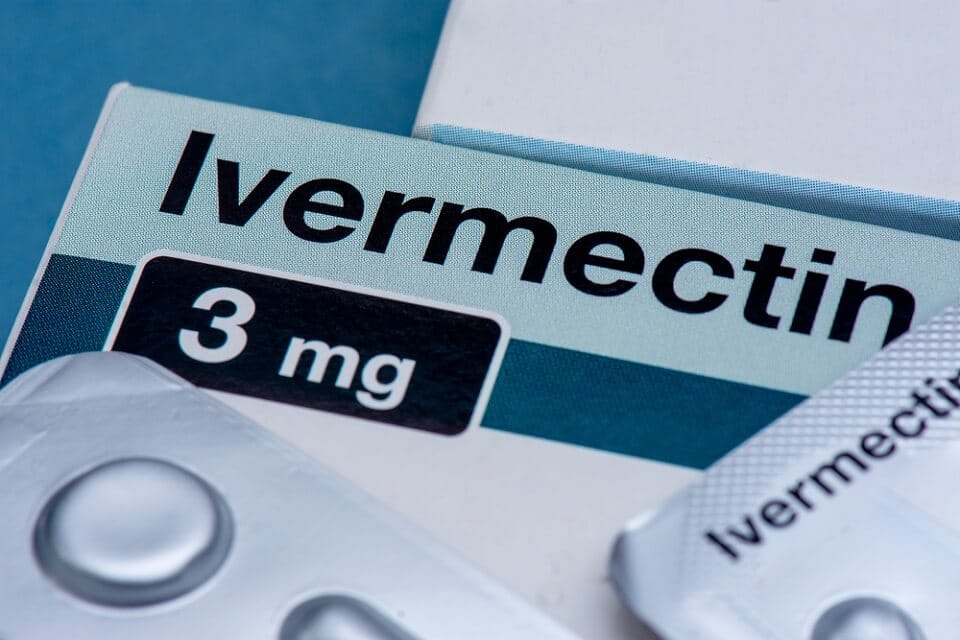
Fenbendazole and Ivermectin are two antiparasitic medications that have attracted enormous attention for their potential anticancer properties. While they are both used to treat parasitic infections, they belong to entirely different drug classes, work through different molecular mechanisms, and have very different histories in human medicine.
The growing interest in these drugs — fueled by the Joe Tippens Protocol, emerging preclinical research, and thousands of patient testimonials — has left many people asking the same question: Should I take fenbendazole, ivermectin, or both?
This comprehensive guide compares both drugs head-to-head across every relevant dimension: approved uses, mechanisms of action, cancer research, parasitic effectiveness, dosing, side effects, drug interactions, and practical guidance for choosing between them.
| Feature | Fenbendazole | Ivermectin |
|---|---|---|
| Drug class | Benzimidazole anthelmintic | Avermectin antiparasitic |
| Originally developed for | Veterinary deworming (dogs, livestock) | Human and veterinary parasites |
| FDA-approved for humans? | No (veterinary drug only) | Yes (for parasitic infections) |
| Primary mechanism | Disrupts microtubule formation | Binds glutamate-gated chloride channels |
| Cancer research status | Preclinical + anecdotal (Joe Tippens protocol) | Preclinical + early clinical trials |
| Nobel Prize connection | None | 2015 Nobel Prize in Medicine (discovery) |
| Safety profile | Excellent (wide safety margin) | Excellent (decades of human use data) |
| Availability at MedsBase | Wormentel (Fenbendazole) | Combo Pack |
What Is Fenbendazole?
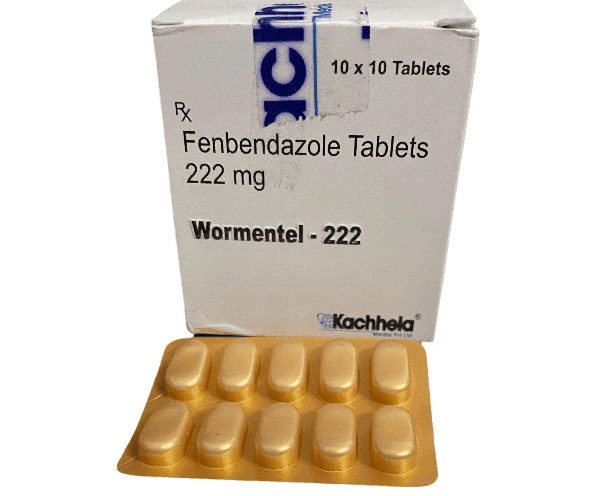
Fenbendazole is a broad-spectrum benzimidazole anthelmintic (dewormer) that has been used in veterinary medicine since the 1970s. It is prescribed to treat parasitic worms in dogs, cats, horses, cattle, and other livestock. Common brand names include Panacur, Safe-Guard, and Wormentel.
Fenbendazole entered the public consciousness as a potential anticancer agent in 2019 when Joe Tippens, diagnosed with terminal small-cell lung cancer, publicly credited fenbendazole as part of the treatment regimen that led to his complete remission. His story spawned the Joe Tippens Protocol, which has since been adopted by thousands worldwide.
How Fenbendazole Works (Mechanism of Action)
Fenbendazole works by binding to beta-tubulin, a structural protein that is essential for forming microtubules. Microtubules serve as the cell’s internal skeleton and railway system — they maintain cell shape, transport nutrients, and are absolutely critical for cell division (mitosis).
By disrupting microtubule assembly, fenbendazole:
- Prevents cell division — cells cannot form the mitotic spindle needed to separate chromosomes, causing mitotic arrest and eventual cell death
- Blocks glucose uptake — fenbendazole downregulates GLUT4 glucose transporters, cutting off the primary fuel supply for cancer cells (which consume glucose at 10–100× the rate of normal cells)
- Stabilizes p53 — the tumor suppressor protein that triggers programmed cell death in damaged cells. p53 is suppressed in over 50% of cancers; restoring it promotes cancer cell apoptosis
- Induces apoptosis — through the combined effects above, fenbendazole triggers programmed cell death in multiple cancer cell types
This microtubule disruption mechanism is the same mechanism used by established chemotherapy drugs like paclitaxel (Taxol) and vincristine — but fenbendazole is significantly less potent, which may explain its much lower toxicity profile.
Traditional Veterinary Uses
- Roundworms, hookworms, whipworms, and certain tapeworms in dogs and cats
- Giardia (off-label in veterinary practice)
- Lung worms and intestinal parasites in cattle, horses, and swine
- Encephalitozoon cuniculi in rabbits
For a complete overview, read our Fenbendazole Complete Guide.
What Is Ivermectin?
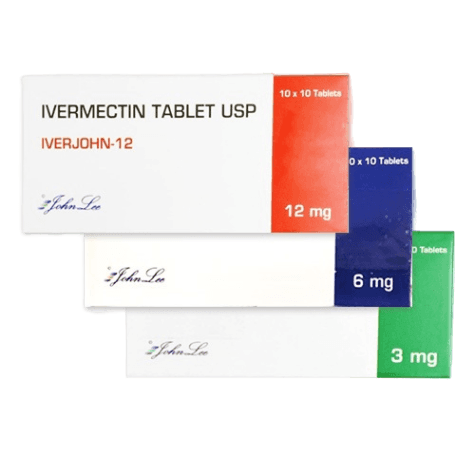
Ivermectin is an antiparasitic medication that was discovered in 1975 and has since become one of the most important drugs in global health history. Its creators — William Campbell and Satoshi Omura — were awarded the 2015 Nobel Prize in Physiology or Medicine for its transformative impact on treating parasitic diseases, particularly river blindness (onchocerciasis) and lymphatic filariasis in sub-Saharan Africa.
Unlike fenbendazole, ivermectin is FDA-approved for human use and has been safely administered to hundreds of millions of people worldwide through the World Health Organization’s mass drug administration programs.
How Ivermectin Works (Mechanism of Action)
Ivermectin’s antiparasitic mechanism is fundamentally different from fenbendazole. It works by binding to glutamate-gated chloride channels in parasite nerve and muscle cells. This binding causes an influx of chloride ions, leading to hyperpolarization of the cell membrane, paralysis, and death of the parasite.
In mammals, these chloride channels exist primarily in the central nervous system and are protected by the blood-brain barrier (BBB). At therapeutic doses, ivermectin cannot cross the BBB in significant quantities, making it safe for humans and other mammals.
Ivermectin’s Anticancer Mechanisms
Ivermectin’s potential anticancer activity operates through mechanisms entirely different from fenbendazole:
- Akt/mTOR pathway inhibition — The PI3K/Akt/mTOR pathway is one of the most commonly activated signaling cascades in cancer, promoting cell growth, survival, and proliferation. Ivermectin suppresses this pathway, reducing cancer cell viability.
- Mitochondrial dysfunction — Ivermectin disrupts mitochondrial membrane potential in cancer cells, triggering the release of cytochrome c and activating the intrinsic apoptosis pathway.
- Autophagy induction — Ivermectin triggers autophagy (cellular self-digestion) in cancer cells, a process that can lead to autophagic cell death in cells that are resistant to conventional apoptosis.
- Cancer stem cell targeting — Cancer stem cells are believed to drive tumor recurrence and metastasis. Ivermectin has shown activity against cancer stem cell populations in breast, colorectal, and ovarian cancer models.
- WNT/β-catenin pathway modulation — This developmental pathway is aberrantly activated in many cancers, particularly colorectal cancer. Ivermectin inhibits WNT signaling, reducing cancer cell proliferation.
- Immunomodulation — Emerging evidence suggests ivermectin may enhance the anti-tumor immune response, potentially complementing immunotherapy treatments.
Approved Human Uses (FDA-Approved)
- Onchocerciasis (river blindness) — first-line treatment
- Strongyloidiasis (intestinal roundworm) — first-line treatment
- Scabies (skin mites) — oral and topical formulations
- Head lice (topical formulation)
- Lymphatic filariasis (elephantiasis) — used in mass drug administration programs
For comprehensive information, read our Ivermectin Complete Guide.
Cancer Research: Fenbendazole vs Ivermectin — Head-to-Head
Both drugs have shown anticancer potential in preclinical research, but through different pathways and with different levels of evidence:
Fenbendazole Cancer Research
- 2018 — Scientific Reports (Nature): Landmark study showing fenbendazole inhibited tumor growth in mice bearing human lymphoma cells, with significant tumor reduction and improved survival.
- 2020 — Multiple in vitro studies: Demonstrated antiproliferative activity against colorectal, prostate, breast, and lung cancer cell lines.
- 2021 — Synergy research: Several groups showed enhanced anticancer effects when fenbendazole was combined with other agents like dichloroacetate, vitamin E succinate, and conventional chemotherapy.
- No completed human clinical trials as of 2026, though several are in early stages.
- Extensive anecdotal evidence from the Joe Tippens Protocol community — online groups with 100,000+ members documenting outcomes.
Ivermectin Cancer Research
- 2014–2020 — Extensive preclinical studies: Multiple research groups demonstrated ivermectin’s anticancer activity through diverse mechanisms (Akt/mTOR inhibition, autophagy, cancer stem cell targeting) across breast, ovarian, glioblastoma, leukemia, and colorectal cancer models.
- 2020 — American Journal of Cancer Research review: Comprehensive review identifying ivermectin as a promising candidate for drug repurposing in oncology, calling for clinical investigation.
- 2021 — Pharmacological Research review: Detailed analysis of ivermectin’s multi-target anticancer mechanisms and potential for combination therapy.
- Early clinical evidence emerging: Small-scale human studies showing preliminary signals of activity, though no large randomized controlled trials have been completed.
- Stronger academic and institutional interest compared to fenbendazole, partly because ivermectin is already FDA-approved for humans.
Key Differences in Cancer Research — Summary Table
| Aspect | Fenbendazole | Ivermectin |
|---|---|---|
| Primary anticancer mechanism | Microtubule disruption, glucose uptake inhibition, p53 stabilization | Akt/mTOR inhibition, autophagy, mitochondrial dysfunction, cancer stem cell targeting |
| Volume of preclinical studies | Moderate (growing rapidly) | Extensive (100+ published studies) |
| Human clinical trials | None completed | Early/limited (small-scale) |
| Anecdotal human evidence | Extensive (Joe Tippens Protocol community) | Moderate |
| FDA-approved for humans | No | Yes (for parasites) |
| Cancer types studied | Lung, colorectal, prostate, breast, lymphoma, melanoma | Breast, ovarian, glioblastoma, leukemia, colorectal, liver |
| Mechanism overlap with chemo | Similar to taxanes (paclitaxel) | Unique mechanisms (limited overlap) |
Fenbendazole vs Ivermectin for Parasites
While cancer research drives much of the interest in these drugs, their primary approved use remains treating parasitic infections. Here is how they compare for parasitic applications:
| Parasite Type | Fenbendazole | Ivermectin |
|---|---|---|
| Roundworms (Ascaris) | Highly effective | Highly effective |
| Hookworms | Highly effective | Effective |
| Whipworms (Trichuris) | Highly effective | Less effective |
| Tapeworms (Taenia) | Effective (some species) | Not effective |
| Scabies (Sarcoptes) | Not used | First-line treatment |
| River blindness (Onchocerca) | Not used | First-line treatment |
| Strongyloides | Less effective | First-line treatment |
| Giardia | Effective (vet use) | Not effective |
| Head lice | Not used | Effective (topical) |
| Lung worms | Effective | Limited data |
Key takeaway: Fenbendazole is stronger against intestinal worms (especially whipworms and tapeworms), while ivermectin has broader human applications including ectoparasites (scabies, lice) and tissue-dwelling parasites (river blindness, strongyloides).
The Joe Tippens Protocol — Fenbendazole With or Without Ivermectin
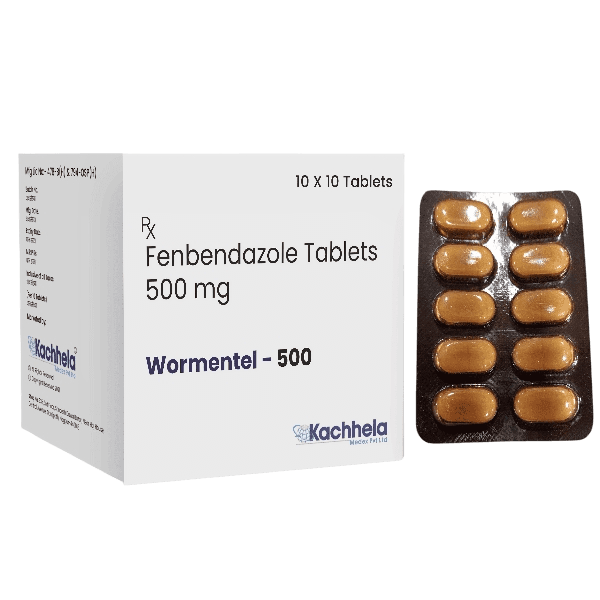
The most widely followed fenbendazole cancer protocol was popularized by Joe Tippens and includes:
- Fenbendazole: 222 mg daily, taken 3 days on / 4 days off (or 6 on / 1 off)
- Vitamin E: 800 IU daily (tocotrienols preferred)
- CBD oil: 25 mg daily
- Curcumin: 600 mg daily (bioavailable form with piperine or liposomal)
The Enhanced Protocol: Adding Ivermectin
Many practitioners and patients now add Ivermectin 12–24 mg, taken 2–3 times per week to the Joe Tippens Protocol. The scientific rationale is straightforward:
- Fenbendazole attacks cancer through structural and metabolic pathways (microtubules, glucose uptake)
- Ivermectin attacks cancer through signaling and cellular recycling pathways (Akt/mTOR, autophagy, cancer stem cells)
- The combination targets at least six independent anticancer mechanisms, reducing the chance of resistance
- There are no known drug interactions between fenbendazole and ivermectin
- Both drugs have favorable safety profiles with minimal overlapping toxicity
For the complete dosing protocol and step-by-step guide, see our Joe Tippens Protocol: Complete Guide.
Side Effects Comparison — Fenbendazole vs Ivermectin
Both drugs have remarkably favorable safety profiles at recommended doses, but their side effect patterns differ:
Fenbendazole Side Effects
- Very well tolerated — wide therapeutic margin documented in veterinary studies
- Occasional mild GI upset — nausea, loose stools (usually resolves within days)
- Rare: elevated liver enzymes — the most clinically significant concern with prolonged use. Liver function monitoring every 4–6 weeks is recommended
- Very rare: mild hair thinning — related to microtubule disruption in rapidly dividing follicle cells, usually reversible
Ivermectin Side Effects
- Well tolerated at approved doses (150–200 mcg/kg or 12–24 mg for most adults)
- Dizziness, nausea, diarrhea — transient, mild
- Mazzotti reaction — when treating onchocerciasis only (caused by dying parasites releasing inflammatory mediators, not by ivermectin itself). Symptoms include fever, rash, itching, and joint pain
- Rare: neurological effects — only at very high doses (many times above therapeutic range) or in patients with compromised blood-brain barrier
- Drug interaction: warfarin — ivermectin may increase the anticoagulant effect of warfarin. INR monitoring is recommended
Side Effect Comparison Table
| Side Effect | Fenbendazole | Ivermectin |
|---|---|---|
| GI upset (nausea, diarrhea) | Occasional | Occasional |
| Liver enzyme elevation | Possible with extended use | Rare |
| Dizziness | Rare | Occasional |
| Hair thinning | Rare (long-term use) | Not reported |
| Neurological effects | Not reported at standard doses | Very rare (overdose) |
| Skin reactions | Very rare | Possible (Mazzotti reaction in onchocerciasis) |
| Drug interactions | Minimal known interactions | Warfarin, some CYP3A4 substrates |
Can You Take Fenbendazole and Ivermectin Together?
Yes. Many people following anticancer protocols use both fenbendazole and ivermectin together. The rationale:
- They target cancer through entirely different molecular mechanisms
- There are no known direct drug interactions between them
- They have different metabolic pathways — fenbendazole is metabolized primarily by CYP1A, while ivermectin is metabolized by CYP3A4
- Their side effect profiles have minimal overlap
- The enhanced Joe Tippens Protocol specifically recommends using both
MedsBase offers both drugs in a single convenient package: the Ivermectin & Fenbendazole Combo Pack.
Important precautions: If you take either drug for any purpose, inform your healthcare provider. Both drugs are metabolized by the liver, and patients taking blood thinners (warfarin), certain antifungals, or HIV protease inhibitors should be monitored more closely.
Fenbendazole vs Ivermectin: Dosing Comparison
| Parameter | Fenbendazole | Ivermectin |
|---|---|---|
| Standard antiparasitic dose | 50 mg/kg (veterinary) | 150–200 mcg/kg (human) |
| Joe Tippens Protocol dose | 222 mg daily, cycled | 12–24 mg (0.2–0.4 mg/kg), 2–3x/week |
| Take with food? | Yes — fat-containing meal (improves absorption significantly) | Empty stomach (for parasites) or with fat (for off-label cancer use) |
| Cycling required? | Recommended (3 on / 4 off or 6 on / 1 off) | Not typically cycled (2–3 fixed days per week) |
| Half-life | ~6–12 hours (varies by species) | ~18 hours in humans |
| Liver monitoring needed? | Yes — every 4–6 weeks | Recommended with prolonged use |
Which Should You Choose? Decision Framework
The choice between fenbendazole and ivermectin — or using both — depends on your specific situation:
Choose Fenbendazole If:
- You are specifically following the Joe Tippens Protocol
- Your cancer type involves rapid cell division (the microtubule disruption mechanism is most effective against rapidly dividing cells)
- You want a drug with a very wide safety margin and extensive anecdotal community support
- You are looking for a complement to taxane-based chemotherapy (discuss with your oncologist — there may be overlapping mechanisms)
Choose Ivermectin If:
- You prefer an FDA-approved drug with decades of documented human safety data
- Your cancer type involves the Akt/mTOR pathway or cancer stem cells
- You want the broadest range of anticancer mechanisms from a single drug
- You also need antiparasitic treatment for human parasites (scabies, strongyloides, etc.)
Choose Both (Enhanced Protocol) If:
- You want to maximize the number of independent anticancer mechanisms targeted
- You are following the enhanced Joe Tippens Protocol
- You have aggressive or treatment-resistant cancer and want to cover as many pathways as possible
- Both drugs are well tolerated individually and you have normal liver function
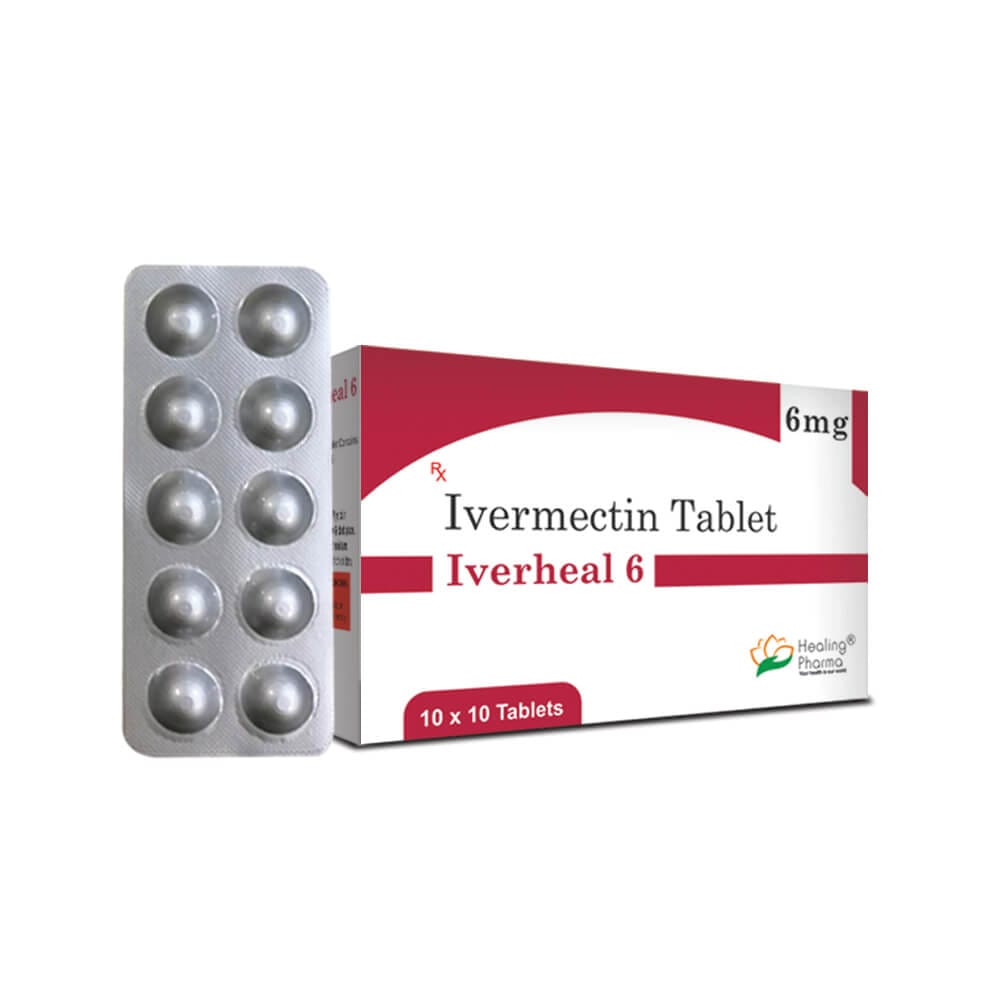
Available Products at MedsBase
| Product | Active Ingredient | Strength |
|---|---|---|
| Wormentel | Fenbendazole | 222 mg / 444 mg / 500 mg |
| Vetina CanWorm Suspension | Fenbendazole (liquid) | Adjustable dosing |
| Ivermectin & Fenbendazole Combo Pack | Both medications | Combined package |
| Ultimate Antiparasitic Combo Pack | Complete antiparasitic kit | Multiple agents |
All products ship worldwide with no prescription required and discreet packaging.
Safety Monitoring: What to Test and When
If you are taking fenbendazole, ivermectin, or both for any extended period, responsible use requires regular monitoring. Here is a practical monitoring schedule:
Before Starting (Baseline)
- Complete metabolic panel (CMP) — includes liver enzymes (ALT, AST), kidney function (creatinine, BUN), and electrolytes
- Complete blood count (CBC) — white blood cells, red blood cells, platelets
- If using for cancer: Relevant tumor markers and baseline imaging (CT, PET, MRI as applicable)
At 4 Weeks
- Liver function tests (ALT, AST, bilirubin) — the most important early check. If significantly elevated (>2–3× upper limit of normal), pause fenbendazole and retest in 2 weeks
- CBC — monitor white blood cell counts, particularly if combining with chemotherapy
Ongoing (Every 4–8 Weeks)
- Liver function tests — continue every 4–6 weeks for the first 6 months, then every 8–12 weeks if stable
- CMP and CBC — at least quarterly
- If using for cancer: Imaging every 3 months and tumor markers as directed by your oncologist
Red Flags — When to Stop and Seek Medical Attention
- ALT or AST rising above 3× the upper limit of normal
- Yellowing of skin or eyes (jaundice)
- Severe abdominal pain
- Unusual bruising or bleeding
- Significant neurological symptoms (confusion, vision changes, severe dizziness)
Real-World Considerations: Cost, Sourcing, and Quality
When sourcing fenbendazole and ivermectin for off-label use, quality and consistency matter. Here are practical considerations:
- Pharmaceutical-grade vs. veterinary-grade: While many people start with veterinary products (Panacur granules, animal ivermectin paste), pharmaceutical-grade formulations offer more accurate dosing and quality control. Products like Wormentel are specifically manufactured as tablets with precise fenbendazole content.
- Dosing consistency: Veterinary paste products require measuring by weight, which introduces dosing variability. Tablet formulations provide exact dosing with every administration.
- Third-party testing: Reputable suppliers have their products independently tested for purity and potency. This is especially important for compounds not regulated for human use.
- Storage: Both fenbendazole and ivermectin should be stored at room temperature (15–30°C / 59–86°F) away from moisture and direct sunlight. Neither requires refrigeration.
- Shelf life: Both drugs are chemically stable with shelf lives of 2–3 years when properly stored.
Frequently Asked Questions
Is fenbendazole or ivermectin better for cancer?
There is insufficient clinical evidence to definitively say one is better than the other for cancer. They work through entirely different mechanisms — fenbendazole primarily disrupts microtubules and glucose uptake, while ivermectin targets the Akt/mTOR pathway, induces autophagy, and affects cancer stem cells. Ivermectin has more published preclinical research, while fenbendazole has more extensive anecdotal human reports through the Joe Tippens Protocol. Many practitioners recommend using both for maximum multi-target coverage. Neither is a proven cancer treatment. For authoritative guidance on unproven and complementary approaches, see the U.S. National Cancer Institute on complementary and alternative medicine.
Is fenbendazole safe for humans?
Fenbendazole has a very wide safety margin documented through decades of veterinary use and has been taken by thousands of humans following the Joe Tippens Protocol with minimal reported side effects. However, it is not FDA-approved for human use, and long-term human safety data from controlled studies is limited. The main concern with extended use is elevated liver enzymes, which is why liver function monitoring every 4–6 weeks is essential. For more details, read our Fenbendazole Complete Guide.
Can I buy fenbendazole and ivermectin together?
Yes. MedsBase offers the Ivermectin & Fenbendazole Combo Pack — both medications shipped together worldwide with no prescription required and discreet packaging. This is the most convenient and cost-effective option for those following the enhanced Joe Tippens Protocol.
What is the Joe Tippens Protocol?
The Joe Tippens Protocol is a fenbendazole-based cancer regimen popularized by Joe Tippens, who achieved remission from terminal lung cancer. The standard protocol includes fenbendazole 222 mg (cycled 3 days on / 4 days off), vitamin E 800 IU, CBD oil 25 mg, and curcumin 600 mg — all taken daily. The enhanced version adds ivermectin 12–24 mg, 2–3 times per week. It is not FDA-approved for cancer treatment.
How long does fenbendazole take to work?
For parasites, fenbendazole typically works within 2–7 days. For off-label anticancer use, anecdotal reports vary widely — some describe visible changes on imaging within 4–8 weeks, while others report gradual improvement over 3–6 months. There is no standardized timeline because no clinical trials have established pharmacodynamics for anticancer dosing. Many practitioners recommend imaging at 3-month intervals to assess response.
Can I take ivermectin and fenbendazole with chemotherapy?
This must be discussed with your oncologist. Some integrative oncologists are open to adding repurposed drugs alongside conventional treatment, while others are not. Important considerations include: fenbendazole shares the microtubule disruption mechanism with taxane chemotherapy (potential overlapping effects), ivermectin is metabolized by CYP3A4 (potential interactions with drugs using the same pathway), and both drugs require liver metabolism (cumulative hepatic load with chemotherapy). Your oncology team needs to monitor blood counts, liver function, and drug levels accordingly.
Are there any drug interactions between fenbendazole and ivermectin?
There are no known direct drug interactions between fenbendazole and ivermectin. They are metabolized through different cytochrome P450 enzymes (CYP1A vs. CYP3A4) and target different molecular pathways. Thousands of people take both drugs concurrently as part of the enhanced Joe Tippens Protocol. However, both are metabolized by the liver, so patients with pre-existing liver conditions should be monitored more closely.
Related Articles
- Joe Tippens Protocol: Complete Fenbendazole Cancer Protocol Guide (2026)
- Fenbendazole: Complete Guide — Uses, Dosage, Cancer Research & Safety
- Ivermectin: Complete Guide — Uses, Dosage, Side Effects & Cancer Research
- The 4-Point Defense Against Spike Protein Persistence

Written by
Sophie ChenPharmaceutical Content Researcher · 8 years experience
Sophie Chen is a pharmaceutical content researcher with 8 years covering generic medication access and clinical pharmacology. She specialises in international regulatory frameworks, bioequivalence standards, and patient-facing education on therapeutic drug classes. She is not a clinician.
where are your sources for any of the statements made in this article? without references it could all be made up.. just saying
Hi Eli — that’s a fair challenge, and you’re right to ask. We’ve now added inline citations throughout the article so you can check the primary sources yourself rather than take our word for it. The key references now linked in the text:
• The fenbendazole microtubule / cancer-cell findings link to the 2018 study in Nature’s Scientific Reports (Dogra et al.).
• Ivermectin’s anticancer mechanisms link to the drug-repurposing review in the American Journal of Cancer Research (via PubMed).
• Ivermectin’s 2015 Nobel Prize, its approved human uses, and the mass-treatment programs link to NobelPrize.org, the U.S. National Library of Medicine (MedlinePlus), and the World Health Organization respectively.
One thing we want to be transparent about: the cancer research for both drugs is still largely preclinical (cell and animal studies) plus anecdotal reports — neither is a proven or approved cancer treatment, and anyone considering them should do so under the care of their oncologist. We’ve linked the U.S. National Cancer Institute’s guidance on complementary and alternative approaches for exactly that reason, so you can weigh the evidence at its real strength.
Thanks for keeping us honest.
— Sophie Chen, MedsBase