








✓ Medically reviewed by · Last reviewed: May 2026
Pharmacy Researcher · 8 years experience
Pharmacy researcher with 8 years reviewing clinical drug information, generic formulation equivalence, and international pharmaceutical standards. Focuses on patient-facing accuracy in medication education.
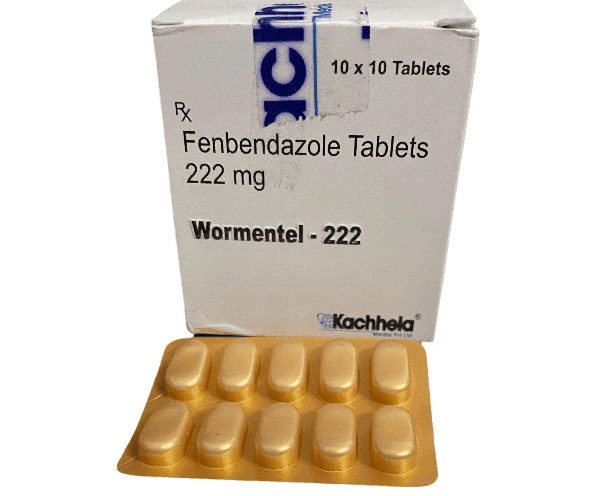
The Joe Tippens Protocol has become one of the most widely discussed alternative cancer treatment approaches in the world. Named after Joe Tippens, an Oklahoma businessman who was diagnosed with terminal small-cell lung cancer in 2016, this protocol centers on fenbendazole — a veterinary deworming drug — combined with a handful of over-the-counter supplements.
Joe Tippens was given approximately three months to live after his cancer metastasized throughout his body. On the suggestion of a veterinarian friend, he began taking fenbendazole alongside his conventional immunotherapy treatment. Within months, his PET scans came back clean. He achieved complete remission — and his story went viral when he shared it on his blog, “My Cancer Story Rocks,” in 2019.
Since then, thousands of cancer patients worldwide — particularly those with late-stage or treatment-resistant cancers — have adopted variations of the Joe Tippens Protocol. Online communities on Facebook, Reddit, and dedicated forums have documented cases ranging from tumor shrinkage to complete remission.
Important disclaimer: The Joe Tippens Protocol is not FDA-approved for cancer treatment. No completed randomized clinical trials have proven its efficacy in humans. This guide is for informational purposes only. Always discuss any alternative or complementary treatments with your oncologist before making changes to your care plan.
What Is the Joe Tippens Protocol?
The Joe Tippens Protocol is a specific regimen that combines fenbendazole with three supporting supplements. The protocol was designed based on Joe Tippens’ personal experience and subsequently refined through community experimentation and input from integrative medicine practitioners.
The core philosophy behind the protocol is multi-target therapy — attacking cancer cells through multiple independent mechanisms simultaneously, which is actually aligned with how modern oncology approaches drug-resistant cancers. Rather than relying on a single pathway, the Joe Tippens Protocol targets microtubule assembly, glucose metabolism, oxidative stress, and inflammatory signaling.
The Standard Joe Tippens Protocol: Complete Dosing Guide
The standard Joe Tippens Protocol consists of four components taken daily:
| Supplement | Dose | Schedule | Purpose |
|---|---|---|---|
| Fenbendazole | 222 mg | Once daily, 3 days on / 4 days off | Anti-tubulin agent — disrupts cancer cell division and glucose uptake |
| Vitamin E | 800 IU | Daily (no cycling) | Antioxidant — tocotrienols preferred over tocopherols for anticancer synergy |
| CBD Oil | 25 mg | Daily (no cycling) | Anti-inflammatory, may enhance apoptosis in cancer cells |
| Curcumin | 600 mg | Daily (no cycling) | Anti-inflammatory, NF-κB pathway inhibition — use bioavailable form (with piperine or liposomal) |
Fenbendazole Dosing Details
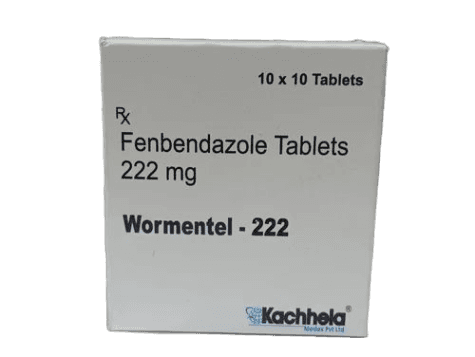
Getting the fenbendazole dose right is one of the most common questions from people starting the protocol. Here is what you need to know:
- 222 mg = 1 gram of Panacur granules (22.2% fenbendazole concentration) — this was Joe Tippens’ original source. One packet of Panacur C canine dewormer contains 1 gram of granules = 222 mg fenbendazole.
- Pure fenbendazole tablets or capsules at 222 mg per dose are now widely available and offer more accurate, consistent dosing. Products like Wormentel 222 mg provide pharmaceutical-grade fenbendazole specifically dosed for this protocol.
- Cycling schedule explained: The original protocol calls for 3 consecutive days of fenbendazole followed by 4 days off. This cycling is intended to reduce potential liver stress from continuous dosing. Some practitioners have modified this to 6 days on / 1 day off, or even continuous daily dosing based on tolerance and liver enzyme monitoring.
- Always take with food containing fat — Fenbendazole is a lipophilic (fat-soluble) compound. Taking it with a meal containing healthy fats (avocado, olive oil, nuts, eggs) significantly improves intestinal absorption and bioavailability. Taking it on an empty stomach dramatically reduces how much reaches your bloodstream.
- Time of day does not matter — Take it with whichever meal is most convenient, as long as that meal includes fat.
Supplement Details and Selection
Each supplement in the protocol plays a specific role:
Vitamin E (800 IU daily): Joe Tippens recommends tocotrienols over the more common tocopherol form. Tocotrienols are the unsaturated form of vitamin E and have demonstrated stronger anticancer activity in preclinical studies. They inhibit the mevalonate pathway — the same pathway targeted by statin drugs — which cancer cells use for growth signaling. Look for supplements labeled “mixed tocotrienols” or “delta-tocotrienol” for maximum benefit.
CBD Oil (25 mg daily): Cannabidiol (CBD) has shown anti-inflammatory and pro-apoptotic properties in multiple cancer cell lines. It may modulate the endocannabinoid system to support immune function. Use full-spectrum CBD oil for the entourage effect. The dose is relatively low compared to some cancer-focused CBD protocols, which use 50–200 mg daily.
Curcumin (600 mg daily): Curcumin is the active compound in turmeric and is one of the most researched natural anticancer substances. It inhibits the NF-κB pathway — a master switch for inflammation that is chronically activated in most cancers. Bioavailability is critical: standard curcumin is poorly absorbed. Use formulations with piperine (black pepper extract), liposomal delivery, or nanoparticle technology. Brands like Longvida, Theracurmin, or curcumin with BioPerine are recommended.
Why Fenbendazole? The Science Behind the Protocol
Fenbendazole’s potential as an anticancer agent is not random folk medicine — it is based on well-characterized molecular mechanisms that overlap with established chemotherapy drugs. Here is what the research shows:
1. Microtubule Disruption — The Primary Mechanism
Fenbendazole binds to beta-tubulin, a structural protein that cells need to form microtubules. Microtubules are the internal scaffolding of cells — they are essential for cell division (mitosis), intracellular transport, and maintaining cell shape.
When fenbendazole disrupts microtubule assembly, cells cannot complete division and undergo mitotic arrest followed by apoptosis (programmed cell death). This is the exact same mechanism used by established chemotherapy drugs including:
- Paclitaxel (Taxol) — first-line treatment for breast, ovarian, and lung cancers
- Vincristine — used in lymphoma, leukemia, and other cancers
- Vinblastine — used in Hodgkin’s disease and testicular cancer
Cancer cells divide far more rapidly than most normal cells, making them disproportionately vulnerable to microtubule-disrupting agents. Fenbendazole is less potent than these chemotherapy drugs, which may actually be an advantage — it appears to provide anticancer activity with significantly fewer side effects.
2. Glucose Uptake Inhibition — Starving the Cancer
Cancer cells consume glucose at 10–100 times the rate of normal cells — a phenomenon known as the Warburg effect. This metabolic reprogramming is so consistent that it forms the basis of PET scans, which detect cancer by tracking glucose uptake.
Fenbendazole has been shown to downregulate GLUT4 glucose transporters in cancer cells, effectively cutting off their primary fuel supply. Normal cells, which rely on oxidative phosphorylation and can metabolize fats and amino acids, are far less dependent on glucose transporters and are relatively unaffected.
3. p53 Tumor Suppressor Stabilization
The p53 protein is known as the “guardian of the genome” — it detects DNA damage and triggers either repair or apoptosis (cell death) in damaged cells. In over 50% of human cancers, p53 is either mutated or functionally suppressed, allowing damaged cells to continue dividing unchecked.
Research published in Scientific Reports (Nature, 2018) demonstrated that fenbendazole stabilizes wild-type p53 protein, restoring its ability to trigger apoptosis in cancer cells. This p53 stabilization appears to be independent of the microtubule disruption mechanism, providing an additional pathway for anticancer activity.
4. Apoptosis Induction Across Multiple Cancer Types
Laboratory studies have demonstrated that fenbendazole induces apoptosis in multiple cancer cell lines, including:
- Non-small cell lung cancer (NSCLC)
- Colorectal cancer
- Prostate cancer
- Breast cancer
- Melanoma
- Lymphoma
- Glioblastoma (brain cancer)
The multi-target nature of fenbendazole’s action — disrupting division, starving glucose, restoring p53, and triggering programmed death — makes it difficult for cancer cells to develop resistance through a single mutation, which is a common problem with single-mechanism therapies.
The Enhanced Protocol: Adding Ivermectin for Synergy
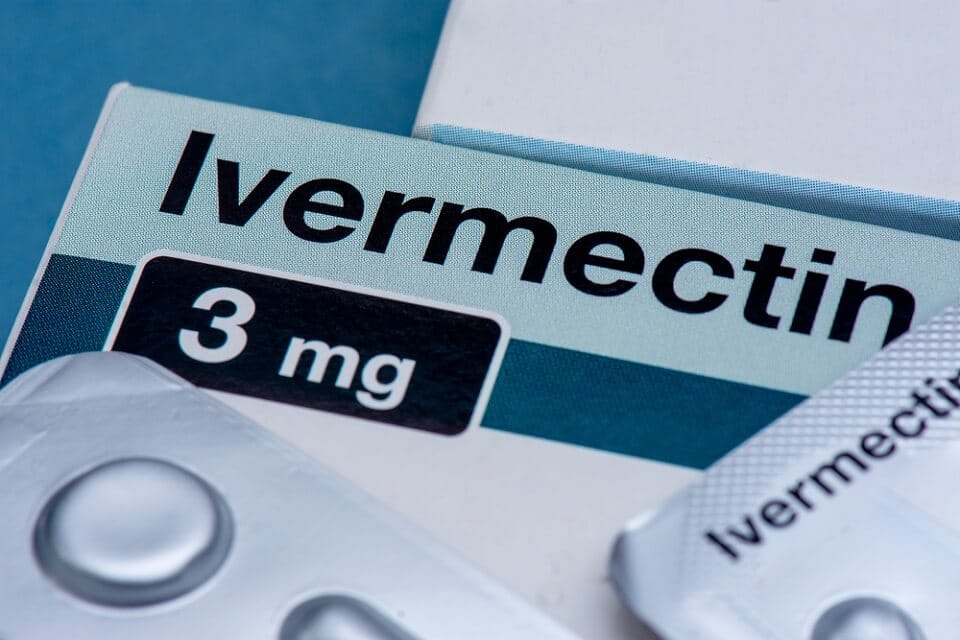
Many practitioners and patients have expanded the Joe Tippens Protocol to include Ivermectin, another antiparasitic drug with well-documented anticancer mechanisms that work through entirely different pathways than fenbendazole:
| Addition | Dose | Schedule | Rationale |
|---|---|---|---|
| Ivermectin | 12–24 mg (0.2–0.4 mg/kg body weight) | 2–3 times per week | Targets Akt/mTOR pathway, induces autophagy, modulates cancer stem cells — different mechanisms than fenbendazole for potential synergy |
Why Combine Fenbendazole and Ivermectin?
The scientific rationale for combining these two drugs is compelling:
- Fenbendazole primarily targets microtubules and glucose uptake — structural and metabolic pathways.
- Ivermectin targets the Akt/mTOR signaling pathway, induces mitochondrial dysfunction, triggers autophagy, and affects cancer stem cells — signaling and cellular recycling pathways.
- The combination attacks cancer through at least six independent mechanisms, dramatically reducing the likelihood that cancer cells can develop resistance.
- Both drugs have favorable safety profiles with minimal overlapping toxicity.
- This multi-target approach is conceptually aligned with modern combination chemotherapy, which uses multiple drugs targeting different pathways.
Both medications are available together in the Ivermectin & Fenbendazole Combo Pack at MedsBase, providing convenience and cost savings for those following the enhanced protocol.
For a comprehensive side-by-side comparison of both drugs, read our detailed guide on Fenbendazole vs Ivermectin: Differences, Cancer Research & Which to Choose.
What Does the Research Say? Evidence Review
Understanding the strength and limitations of the evidence is essential for making informed decisions. Here is an honest assessment:
Supporting Evidence
- 2018 — Scientific Reports (Nature): A landmark study showed fenbendazole significantly inhibited tumor growth in mice bearing human lymphoma cells. Treated mice showed reduced tumor volume and improved survival compared to controls. The study also identified p53 stabilization as a key mechanism.
- 2020 — Multiple in vitro studies: Fenbendazole demonstrated antiproliferative activity against colorectal, prostate, breast, and lung cancer cell lines in laboratory settings. Dose-dependent growth inhibition was consistently observed.
- 2021 — Synergy studies: Several research groups demonstrated enhanced anticancer effects when fenbendazole was combined with other agents, including dichloroacetate (DCA), vitamin E succinate, and conventional chemotherapy drugs.
- Thousands of anecdotal reports: Online communities (Joe Tippens’ blog, Facebook groups with 100,000+ members, Reddit r/fenbendazole) document cases of tumor regression, stable disease, improved tumor markers, and enhanced quality of life. While these are not controlled studies, the sheer volume and consistency of reports is noteworthy.
- Decades of safety data: Fenbendazole has been used in veterinary medicine since the 1970s with an excellent safety record. At human-equivalent doses, serious adverse effects are extremely rare.
Limitations and Honest Assessment
- No completed randomized controlled trials (RCTs) in humans. This is the most significant limitation. Several trials are in early stages, but results are not yet available.
- Anecdotal reports have inherent bias. Patients who experience improvement are far more likely to share their stories publicly than those who do not. This creates survivorship bias in online communities.
- Most positive cases combined fenbendazole with conventional treatment. Joe Tippens himself was receiving the immunotherapy drug Keytruda (pembrolizumab) when he added fenbendazole. It is impossible to determine from his case alone how much each treatment contributed to his remission.
- Lab results do not always translate to humans. Many compounds that kill cancer cells in petri dishes fail to work in living organisms due to pharmacokinetic limitations, immune system complexity, and tumor microenvironment factors.
- Dosing has not been optimized through clinical trials. The 222 mg dose is based on veterinary dosing extrapolation and Joe Tippens’ personal experience, not pharmacokinetic studies in human cancer patients.
Side Effects, Safety, and Monitoring
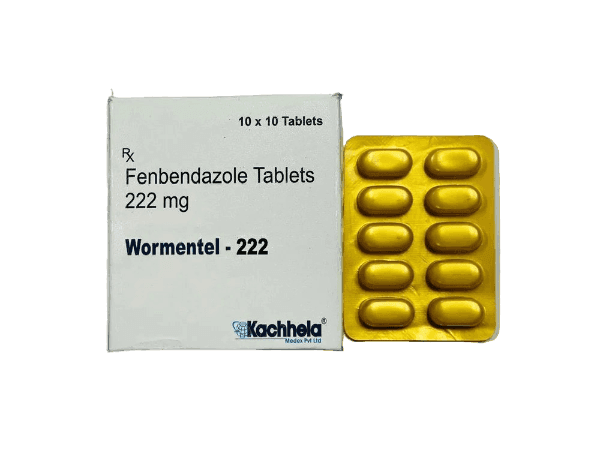
Fenbendazole has a remarkably wide safety margin. Veterinary studies have shown safety at doses many times higher than the standard protocol dose. However, responsible use requires monitoring:
Common Side Effects (Mild, Usually Transient)
- Gastrointestinal upset: Mild nausea, loose stools, or abdominal discomfort — typically resolves within the first week of use. Taking fenbendazole with food minimizes GI symptoms.
- Mild fatigue: Some users report transient tiredness during the first 1–2 weeks, which may be related to the body processing cellular debris from apoptosis (sometimes called a “die-off” effect).
Uncommon Side Effects (Require Monitoring)
- Elevated liver enzymes (ALT, AST): This is the most clinically significant concern with prolonged use. Fenbendazole is metabolized by the liver, and sustained use can cause transient enzyme elevation. This is usually asymptomatic and reversible upon discontinuation or cycling.
Rare Side Effects
- Mild hair thinning: Reported by some long-term users, likely related to the microtubule disruption mechanism affecting rapidly dividing hair follicle cells. Usually mild and reversible.
- Allergic reaction: Extremely rare at standard doses.
Essential Monitoring Protocol
Liver function testing is non-negotiable. Anyone following the Joe Tippens Protocol should:
- Get baseline liver function tests (ALT, AST, bilirubin, alkaline phosphatase) before starting the protocol.
- Repeat testing at 4 weeks after starting.
- Continue testing every 4–6 weeks for the first 6 months.
- If enzymes remain stable, extend to every 8–12 weeks thereafter.
- If ALT or AST rises above 2–3× the upper limit of normal, pause fenbendazole immediately and retest in 2 weeks. Most cases resolve within 2–4 weeks of stopping.
Who Is Using the Joe Tippens Protocol?
The protocol has been adopted by a wide range of cancer patients and health-conscious individuals:
- Late-stage or terminal cancer patients who have been told there are no remaining conventional options. For these patients, the protocol represents hope when standard treatments have been exhausted.
- Patients using it alongside conventional treatment (concurrent with chemotherapy, immunotherapy, or radiation) — some with their oncologist’s knowledge, others without. Integrative oncologists are increasingly open to discussing repurposed drug protocols.
- Cancer survivors in remission who use it as a maintenance protocol to reduce recurrence risk. Some follow a lower-dose or less frequent schedule for long-term prevention.
- Cancer prevention — a growing number of people with family history or genetic risk factors use low-dose fenbendazole (111–222 mg, 2–3 times per week) as a preventive measure, though no evidence supports this specific use.
Step-by-Step: How to Start the Joe Tippens Protocol
If you are considering the protocol, here is a practical guide to getting started:
- Consult your healthcare provider. Inform your oncologist or primary care physician. While many doctors are unfamiliar with the protocol, transparency about what you are taking is essential for safe care coordination.
- Get baseline blood work. Complete metabolic panel (CMP) including liver enzymes, complete blood count (CBC), and your relevant tumor markers.
- Source pharmaceutical-grade fenbendazole. Consistent dosing is important. Wormentel fenbendazole tablets provide accurate 222 mg dosing. MedsBase also offers the Ivermectin & Fenbendazole Combo Pack for those following the enhanced protocol.
- Start the protocol. Begin with the standard dosing (222 mg fenbendazole, 3 days on / 4 days off) plus all three supplements. Take fenbendazole with a fat-containing meal.
- Monitor at 4 weeks. Repeat liver function tests. If enzymes are normal, continue. If elevated, pause and retest.
- Track your progress. Keep a log of symptoms, energy levels, and any side effects. Request imaging (CT, PET) and tumor marker tests at regular intervals as directed by your oncologist.
- Adjust as needed. Some patients increase the cycling to 6 days on / 1 day off if tolerance is good and liver enzymes remain normal. Others add ivermectin after 4–8 weeks on fenbendazole alone.
Available Fenbendazole Products
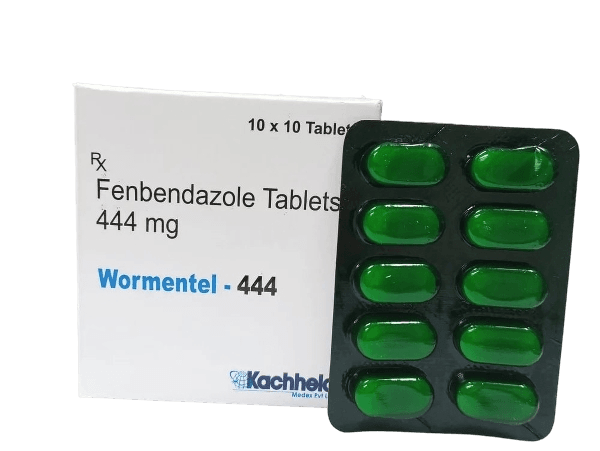
MedsBase offers pharmaceutical-grade fenbendazole products shipped worldwide with no prescription required:
| Product | Strength | Best For |
|---|---|---|
| Wormentel 222 mg | 222 mg per tablet | Standard Joe Tippens Protocol dosing |
| Wormentel 444 mg | 444 mg per tablet | Higher-dose protocols or splitting into two 222 mg doses |
| Wormentel 500 mg | 500 mg per tablet | Higher-dose modified protocols |
| Vetina CanWorm Suspension | Liquid fenbendazole | Patients who have difficulty swallowing tablets or need flexible dosing |
| Ivermectin & Fenbendazole Combo Pack | Both medications | Enhanced protocol with both fenbendazole and ivermectin |
| Ultimate Antiparasitic Combo Pack | Complete antiparasitic kit | Comprehensive antiparasitic and repurposed drug protocol |
Frequently Asked Questions
Does the Joe Tippens Protocol actually work for cancer?
There are no completed clinical trials proving the protocol’s efficacy against cancer in humans. However, the scientific mechanisms are well-established (microtubule disruption, glucose uptake inhibition, p53 stabilization), and thousands of anecdotal reports describe positive outcomes including complete remission, tumor shrinkage, improved tumor markers, and stable disease. Most documented cases also involved conventional treatment, making it difficult to isolate fenbendazole’s contribution. The protocol is best viewed as a complementary approach, not a replacement for proven cancer treatments.
Is fenbendazole safe for humans?
Fenbendazole has a very wide safety margin and has been used by thousands of people worldwide with minimal reported side effects. The most significant concern is elevated liver enzymes with prolonged use, which is why regular liver function monitoring (every 4–6 weeks) is essential. Fenbendazole is not FDA-approved for human use, but its decades-long veterinary safety record and the volume of human use data are reassuring.
Can I use the Joe Tippens Protocol with chemotherapy?
Some patients use it concurrently with conventional treatment, and some integrative oncologists are open to this approach. However, you must inform your oncologist. Fenbendazole’s microtubule disruption mechanism is similar to taxane chemotherapy drugs (paclitaxel, docetaxel), which could theoretically create overlapping effects. Your oncology team needs to monitor your blood counts and liver function with this in mind.
How long should I follow the Joe Tippens Protocol?
There is no standardized duration. Joe Tippens has stated publicly that he continues the protocol indefinitely as maintenance. Most practitioners recommend continuing as long as the protocol is well tolerated and liver function remains normal, with reassessment every 3–6 months based on imaging and tumor markers. Some cancer survivors transition to a reduced maintenance schedule (e.g., 222 mg three times per week) after achieving remission.
Where can I buy fenbendazole for the Joe Tippens Protocol?
MedsBase offers pharmaceutical-grade Wormentel fenbendazole tablets in 222 mg, 444 mg, and 500 mg strengths, as well as the Ivermectin & Fenbendazole Combo Pack for the enhanced protocol. All products ship worldwide with no prescription required. For detailed information about fenbendazole, read our Fenbendazole Complete Guide.
Should I add ivermectin to the Joe Tippens Protocol?
Adding ivermectin (12–24 mg, 2–3 times per week) is a popular modification supported by the scientific rationale that ivermectin targets cancer through entirely different mechanisms than fenbendazole (Akt/mTOR pathway, autophagy, cancer stem cells vs. microtubules and glucose uptake). There are no known direct drug interactions between fenbendazole and ivermectin. The combo pack is available at MedsBase. For a detailed comparison, see our guide: Fenbendazole vs Ivermectin.
What is the difference between fenbendazole and mebendazole?
Both are benzimidazole anthelmintics that target beta-tubulin. Mebendazole is FDA-approved for human use (for parasitic infections), which gives it a clearer regulatory path. However, fenbendazole has a wider safety margin and more extensive anecdotal data in the cancer context due to the Joe Tippens Protocol’s popularity. Some practitioners alternate between the two.
Can fenbendazole cure cancer?
No substance can be definitively called a “cancer cure” without rigorous clinical trial evidence, and fenbendazole does not have this. What can be said is that its mechanisms of action are scientifically plausible for anticancer activity, thousands of people report benefit, and it has a favorable safety profile. It is most responsibly used as part of a comprehensive treatment plan that includes conventional oncology care.
Related Articles
- Fenbendazole: Complete Guide — Uses, Dosage, Cancer Research & Safety (2026)
- Ivermectin: Complete Guide — Uses, Dosage, Side Effects & Cancer Research (2026)
- Fenbendazole vs Ivermectin: Differences, Cancer Research & Which to Choose
- The 4-Point Defense Against Spike Protein Persistence

Written by
Sophie ChenPharmaceutical Content Researcher · 8 years experience
Sophie Chen is a pharmaceutical content researcher with 8 years covering generic medication access and clinical pharmacology. She specialises in international regulatory frameworks, bioequivalence standards, and patient-facing education on therapeutic drug classes. She is not a clinician.
I have Prostate Cancer and my Gleason score went from 3 to 3, to 4 to 3, what should my Protocol be to remedy this?
Hi Mike — thank you for reading, and I’m sorry you’re dealing with this. A change from Gleason 3+3 to 4+3 is a meaningful upgrade in grade, and that specific finding is exactly what your urologist or oncologist needs to walk you through promptly — the right options at that stage are very individual and depend on your PSA, your MRI and biopsy findings, and your overall health.
What we can’t responsibly do — in the article or in these comments — is recommend a personal protocol for cancer. As the disclaimer at the top of this guide says, fenbendazole is not approved for human use and no completed clinical trial has shown it treats prostate cancer. This article documents what Joe Tippens has publicly described; it isn’t a treatment plan, and it’s not a substitute for evidence-based care — which for intermediate-risk prostate cancer has genuinely strong outcomes.
If you do consider adding any supplement or off-label compound, please bring it to your oncology team first so they can check for interactions with whatever treatment path you choose. Wishing you the best with your next steps.
— Sophie Chen, MedsBase