







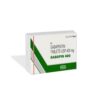
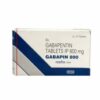
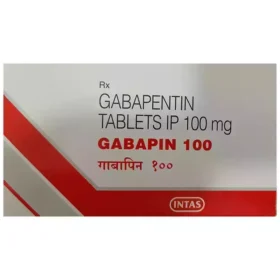
Gabapin
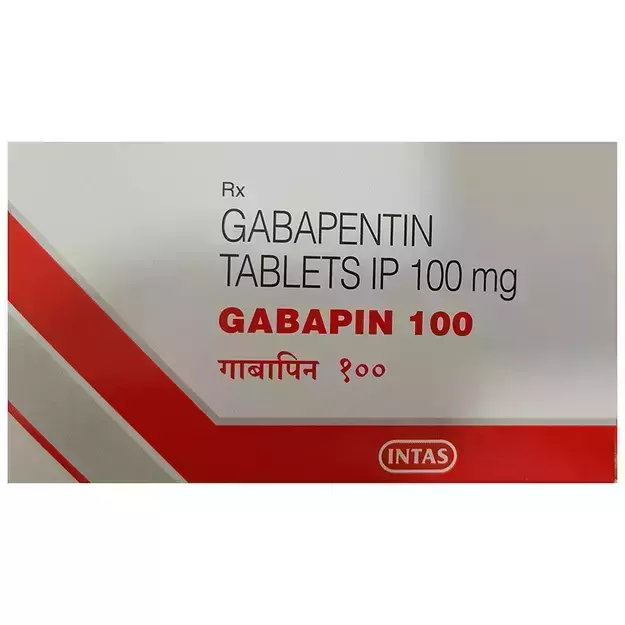
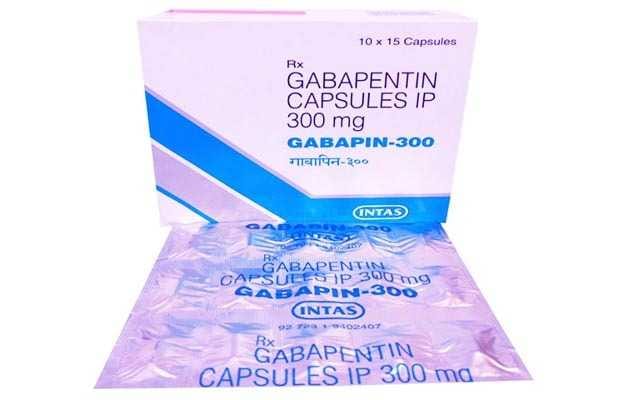
✅ Relieves nerve pain
✅ Treats seizures
✅ Manages neuropathy
✅ Reduces anxiety
✅ Improves sleep
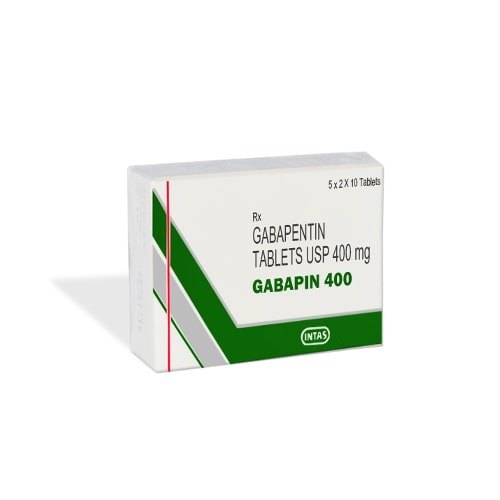
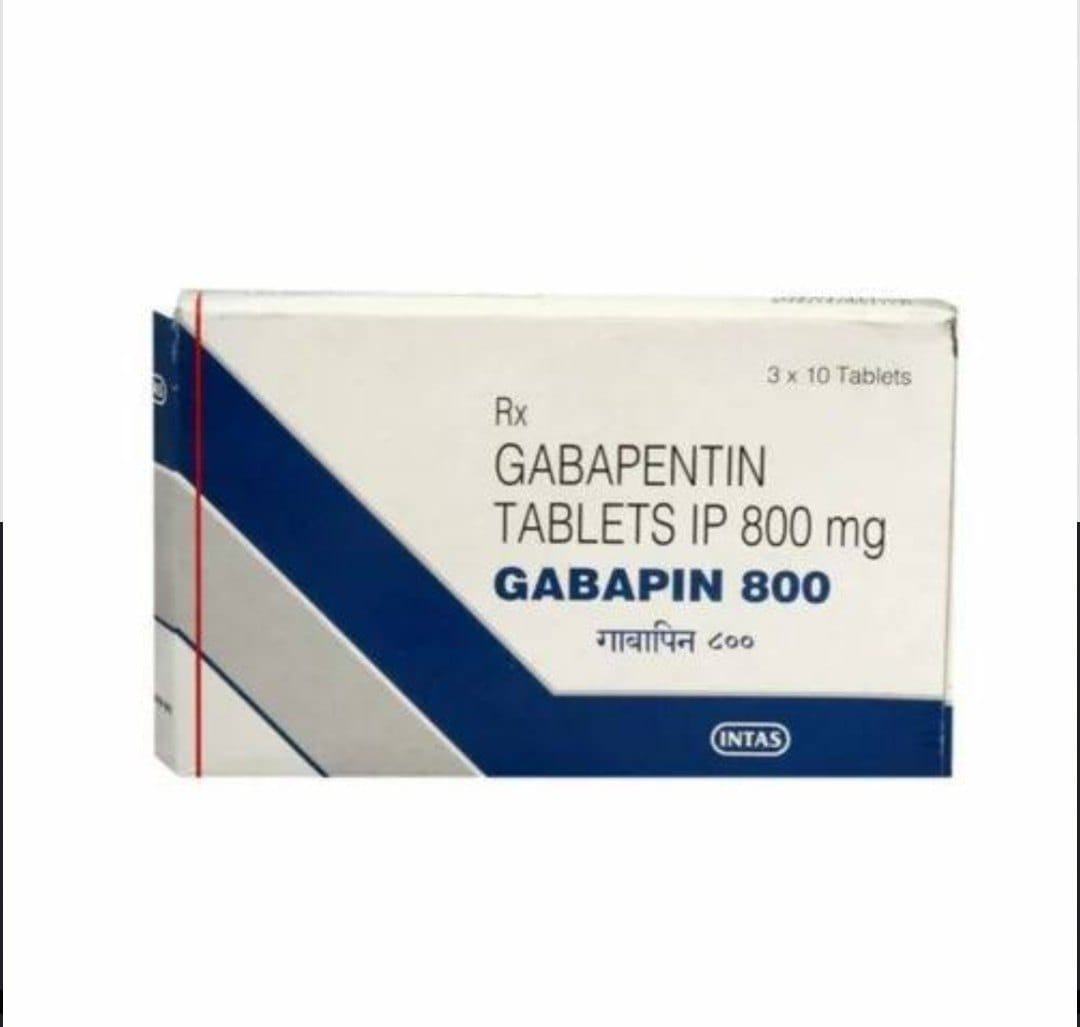
Gabapin contains Gabapentin.
✓ Medically reviewed by Morgan Ellis — Pharmacy Researcher · 8 years experience · Last reviewed: May 2026
Please note: We ship this product to the United States; however, due to its classification as a controlled substance, we cannot ship it to the following states: Kentucky, Michigan, Tennessee, Virginia, and West Virginia. If you place an order with a delivery address in one of these restricted states, we will refund this portion of your order or issue store credit.
⚡ Quick Answer — What is Gabapin?
Gabapin is an oral gabapentin (100 mg, 300 mg, 400 mg, 800 mg) anticonvulsant and neuropathic-pain medication. Used for: partial seizures with or without secondary generalisation, postherpetic neuralgia (shingles nerve pain), diabetic peripheral neuropathy, restless legs syndrome, and off-label for fibromyalgia, anxiety and chronic itch. Adult dosing: titrate from 300 mg once on day 1 to typical maintenance 900–1,800 mg/day in 3 divided doses; maximum 3,600 mg/day. Take with or without food. Onset for nerve pain: 1–2 weeks at therapeutic dose. Common side effects: drowsiness, dizziness, peripheral oedema, weight gain. US controlled substance in some states (Kentucky, Michigan, Tennessee, Virginia, West Virginia — we cannot ship to those addresses). Never stop abruptly — taper over 1–2 weeks to avoid rebound symptoms.
📦 Every order is covered by our Reshipment Assurance Policy — if your parcel does not arrive within 20 business days, we reship it.
Why order from MedsBase
Our generic medications are sourced from WHO-GMP certified manufacturers and shipped worldwide in discreet, plain packaging — no medication name on the parcel exterior. Card payments are routed through a regulated processor (statement descriptors include a regulated card-payment processor — never “MedsBase” or any medication name). Crypto and SEPA bank transfer are also accepted. Every order is backed by our Reshipment Assurance Policy.
What Is Gabapin?
Gabapin is an oral gabapentin tablet/capsule available in 100 mg, 300 mg, 400 mg, 800 mg strengths. Gabapentin is a structural analogue of the inhibitory neurotransmitter GABA, but unlike GABA itself, it does not bind GABA receptors. Instead it binds the α2δ-1 subunit of voltage-gated calcium channels in central and peripheral neurons, dampening calcium influx and reducing the release of excitatory neurotransmitters (glutamate, substance P, noradrenaline) at hyperactive synapses. The clinical result is reduced abnormal neuronal firing, which translates into fewer focal-onset seizures and damped neuropathic pain signalling.
Gabapentin has been in clinical use since the early 1990s and is on the WHO Model List of Essential Medicines. Gabapin is supplied by a WHO-GMP certified manufacturer and is bioequivalent to the originator brand Neurontin®.
How Does Gabapin Work?
Gabapentin’s mechanism is distinct from older anticonvulsants:
- α2δ-1 subunit binding on voltage-gated calcium channels — the primary mechanism. Reduces neurotransmitter release at hyperexcitable synapses without affecting normal neurotransmission.
- Reduced glutamate and substance P release in dorsal-horn neurons — the basis of its analgesic effect on neuropathic pain.
- Increased GABA synthesis indirectly via GAD activation — modest contribution.
- No direct sodium-channel blockade — unlike phenytoin or carbamazepine, so the side-effect profile is different (less ataxia at therapeutic doses).
Because absorption depends on a saturable transporter in the small intestine, bioavailability decreases at higher single doses (60% at 300 mg, ~35% at 1,600 mg). This is why gabapentin is dosed three times daily and titration is mandatory.
Uses and Indications
- Partial (focal) seizures with or without secondary generalisation — adjunctive therapy in adults and children >3 years (FDA-approved)
- Postherpetic neuralgia (shingles nerve pain) — FDA-approved indication; one of the most-evidenced uses
- Diabetic peripheral neuropathy — off-label in the US, approved in several other markets
- Restless legs syndrome (RLS) — second-line after dopamine agonists; gabapentin enacarbil is the on-label form
- Fibromyalgia — off-label; pregabalin is the on-label sibling drug
- Generalised anxiety disorder — off-label, useful in benzodiazepine-sparing strategies
- Alcohol withdrawal and protracted post-acute withdrawal — off-label
- Chronic itch (uraemic, cholestatic, brachioradial pruritus) — off-label, often very effective
- Hot flushes in women who cannot take HRT — off-label
Gabapin is not first-line for: generalised tonic-clonic or absence seizures (use sodium valproate or lamotrigine instead), acute pain (it takes 1–2 weeks to work), or sleep induction (uncertain benefit, abuse potential).
Gabapin Dosage and How to Take
Gabapin strengths: 100 mg, 300 mg, 400 mg, 800 mg.
Standard adult dosing by indication:
- Postherpetic neuralgia / diabetic neuropathy: Day 1 — 300 mg once. Day 2 — 300 mg twice daily. Day 3 — 300 mg three times daily. Increase weekly by 300 mg/day to therapeutic effect. Typical maintenance 1,800–3,600 mg/day in 3 divided doses.
- Partial seizures (adjunct): Start 300 mg three times daily. Titrate to 900–1,800 mg/day. Some patients need up to 3,600 mg/day. Children 3–12: 10–15 mg/kg/day, titrate to effect.
- Restless legs syndrome: 600–1,800 mg/day, given as a single evening dose (the absorption window is widest in the early evening). Gabapentin enacarbil 600 mg in the late afternoon is the on-label alternative.
- Renal impairment: dose-adjust by creatinine clearance — CrCl 30–59: 400–1,400 mg/day; CrCl 15–29: 200–700 mg/day; CrCl <15: 100–300 mg/day. Haemodialysis: 200–300 mg after each session.
How to Take Gabapin Properly
- Three times a day, evenly spaced. The half-life is 5–7 hours. Twice-daily dosing produces troughs that compromise pain and seizure control.
- With or without food. Food does not significantly affect absorption; many patients take it with food to reduce nausea.
- Separate from antacids by 2 hours. Aluminium- and magnesium-containing antacids reduce gabapentin bioavailability by ~20%.
- Titrate up slowly. Rapid escalation causes drowsiness, dizziness and ataxia. The standard 3-day starter regimen is the minimum — some patients need a 1- or 2-week titration.
- Allow 1–2 weeks at therapeutic dose before judging effect on neuropathic pain. Some patients need 4 weeks.
- Never stop abruptly. Sudden cessation can precipitate rebound seizures in epilepsy patients and a withdrawal syndrome (anxiety, insomnia, sweating, GI upset, occasionally seizures even in non-epilepsy patients) at higher doses. Taper over 1–2 weeks — longer (4–8 weeks) if you have been on >1,800 mg/day.
- Driving and operating machinery: avoid until you know how the drug affects you. Drowsiness and dizziness are common in the first 1–2 weeks.
- Tell every prescriber you take gabapentin. The interaction with opioids (additive respiratory depression) is the most clinically dangerous combination.
Side Effects of Gabapin
Common (often dose-related, may settle with slower titration):
- Drowsiness, sedation, fatigue (15–25%)
- Dizziness, unsteadiness (15–20%)
- Peripheral oedema (ankles, legs)
- Weight gain (3–5 kg over 6–12 months in some patients)
- Blurred or double vision
- Headache
- Ataxia — usually with rapid up-titration
- Nausea, dry mouth
Less common but important:
- Mood changes — mild euphoria at high doses (basis of misuse potential), depression, irritability
- Cognitive slowing, memory complaints
- Tremor
- Sexual dysfunction
- Myoclonic jerks (rare, usually high-dose)
Rare but seek medical attention immediately:
- Severe respiratory depression — especially when combined with opioids, benzodiazepines or alcohol. Do not combine without specialist supervision.
- Suicidal ideation — class effect of all anticonvulsants; FDA black-box warning. Higher risk in the first 1–3 months and in patients with prior depression.
- DRESS syndrome (severe drug-rash with eosinophilia and systemic symptoms) — very rare
- Stevens-Johnson syndrome — very rare
- Anaphylaxis
Warnings and Precautions — CRITICAL
- Opioid combination — respiratory depression risk. Concurrent use of gabapentin and any opioid (including codeine, tramadol, oxycodone, morphine) increases the risk of fatal respiratory depression. The FDA added a label warning in 2019 after multiple post-marketing deaths. If you are on chronic opioids, your prescriber must know about gabapentin.
- Suicidal behaviour and ideation — class warning. Tell a clinician immediately if mood worsens, self-harm thoughts arise, or behaviour changes after starting.
- Withdrawal syndrome — never stop abruptly. Even non-epilepsy patients on high doses (>1,800 mg/day for >3 months) can develop seizures on sudden withdrawal.
- Renal impairment — gabapentin is cleared 100% by the kidneys. Dose-adjust by creatinine clearance. Accumulation causes severe drowsiness, ataxia and myoclonus.
- Older adults — falls, dizziness and ataxia are more common. Start at lower doses (100 mg three times daily) and titrate slowly.
- Pregnancy — limited data; appears low-risk relative to older anticonvulsants but use only if benefit outweighs risk. Folate 5 mg/day is reasonable in pregnancy planning.
- Breastfeeding — gabapentin is excreted in breast milk in small amounts; generally considered compatible with breastfeeding under medical supervision.
- Misuse and abuse potential — gabapentin produces mild euphoria at supratherapeutic doses, particularly in patients with prior opioid or alcohol use disorder. Several US states have reclassified it as a Schedule V controlled substance.
- Driving and operating machinery — do not drive until you know how Gabapin affects you, especially in the first 1–2 weeks and after dose increases.
Contraindications — Who Should NOT Take Gabapin
- Known hypersensitivity to gabapentin, pregabalin or any tablet excipient
- Patients with severe respiratory disease combined with chronic opioid use (relative contraindication)
- Acute pancreatitis (rare association reported)
- Children under 3 years for partial seizures (efficacy unestablished)
Drug Interactions
| Combine with | Effect | What to do |
|---|---|---|
| Opioids (codeine, tramadol, oxycodone, morphine, fentanyl) | Additive respiratory depression — FDA black-box warning, multiple post-marketing deaths | Avoid where possible. If essential, lowest doses, no alcohol, third-party observer at home, naloxone at hand. |
| Benzodiazepines | Additive sedation and respiratory depression | Avoid routine combination. Use lowest doses if combined. |
| Alcohol | Additive CNS depression and ataxia; raises overdose risk | Limit alcohol entirely on Gabapin. |
| Aluminium/magnesium antacids | Reduce gabapentin absorption by ~20% | Separate doses by at least 2 hours. |
| Morphine | Increased gabapentin AUC; additive sedation | Monitor for sedation, lower the gabapentin dose if needed. |
| Other anticonvulsants (phenytoin, carbamazepine, valproate) | Generally minimal pharmacokinetic interaction (gabapentin not metabolised) | Use combinations as clinically indicated. |
| Hydrocodone | Reduces hydrocodone exposure (~10–20%) | Reassess analgesic effect after starting. |
| Loop diuretics | Additive risk of orthostatic hypotension and falls in older adults | Caution in older patients; monitor blood pressure standing. |
Storage Instructions
- Store at room temperature, 15–30°C. Protect from moisture.
- Keep tablets/capsules in the original blister pack until use.
- Do not store in the bathroom — humidity shortens shelf life.
- Keep out of reach of children — gabapentin overdose causes severe drowsiness and ataxia.
- Do not use after the expiry date.
- Return unused tablets to a pharmacy for proper disposal.
Related Alternatives on MedsBase
Other medications stocked for related conditions:
- Browse all neurological & epilepsy medications
- Browse anti-migraine medications
- Browse mental health & psychiatric medications
- Browse pain relief medications
Frequently Asked Questions
How long does Gabapin take to work for nerve pain?
Most patients notice partial relief within 1–2 weeks at the therapeutic dose, but full benefit can take 4–8 weeks. Pain relief is rarely all-or-nothing — a 30–50% reduction in pain intensity is the realistic goal for postherpetic neuralgia and diabetic neuropathy. If there is no benefit at 3,600 mg/day after 6–8 weeks, the drug is unlikely to work for that patient and should be tapered off.
Why three times a day instead of twice?
Gabapentin’s half-life is only 5–7 hours, and absorption is via a saturable amino-acid transporter in the small intestine. Twice-daily dosing produces afternoon and night-time troughs that allow seizures or pain to break through. Three-times-daily dosing maintains steadier plasma levels. The CR/ER form (gabapentin enacarbil) was developed specifically to allow once-daily dosing for restless legs syndrome.
Is Gabapin the same as pregabalin (Lyrica)?
Closely related but not the same. Both bind the α2δ-1 calcium-channel subunit. Pregabalin has higher binding affinity, more predictable absorption (no saturable transporter), faster onset (often within days for nerve pain) and twice-daily dosing. Gabapentin is older, cheaper, has more long-term safety data and a larger evidence base for some uses. About 50% of patients who fail one will respond to the other, so they are not perfectly interchangeable.
Why is gabapentin restricted in some US states?
Several US states (Kentucky, Michigan, Tennessee, Virginia, West Virginia) have reclassified gabapentin as a Schedule V controlled substance in response to documented misuse and contribution to opioid-related overdose deaths. We comply with that classification and cannot ship Gabapin to those states; orders to those addresses will be refunded for that line item.
Can Gabapin be used for anxiety or sleep?
Off-label, sometimes. Gabapentin has anxiolytic and sleep-onset benefits at 300–1,200 mg/day in some patients, particularly those with comorbid pain or alcohol-use history. It is not first-line for primary anxiety disorders — SSRIs/SNRIs are. The two main risks are misuse (mild euphoria at high doses) and rebound anxiety/insomnia on abrupt cessation.
What happens if I miss a dose of Gabapin?
If you remember within 2 hours, take the missed dose. If more than 2 hours have passed and the next scheduled dose is within 4 hours, skip the missed dose and resume the regular schedule — do not double-dose, as gabapentin absorption is saturable and a double dose is poorly absorbed plus increases side effects.
Why do my ankles swell on Gabapin?
Peripheral oedema is a known dose-related side effect in roughly 5–10% of patients, more common above 1,800 mg/day and in older adults. It reflects vasomotor effects of α2δ binding on peripheral vessels rather than fluid retention from heart or kidney disease. Compression stockings, leg elevation and dose reduction are the usual responses. If swelling is asymmetric, painful, or associated with shortness of breath, see a doctor — this could indicate something other than the drug.
Will Gabapin cause weight gain?
Yes, in some patients. The mean weight gain is small (~2–3 kg over 6–12 months), but a minority gain >5 kg, driven by mild appetite increase plus peripheral oedema. Weight gain is more common at higher doses and in patients also taking valproate or atypical antipsychotics. Diet, regular exercise and protein-forward meals reduce the impact.
Can I drink alcohol on Gabapin?
Light, occasional alcohol is usually tolerated, but the combination is additive: gabapentin + alcohol = more sedation, more ataxia, more amnesia, more falls. Avoid binge drinking entirely — the case reports of fatal respiratory depression on gabapentin involve alcohol or opioids more often than the drug alone.
How do I taper off Gabapin safely?
Reduce by ~25% per week for typical doses (900–1,800 mg/day). For higher doses or patients on the drug for years, taper over 4–8 weeks. Seizure patients should taper under their neurologist’s supervision. Withdrawal symptoms are most common in the first 7–10 days off the drug — anxiety, insomnia, sweating, GI upset; rebound seizures are possible at any dose if discontinuation is abrupt.
Where is Gabapin manufactured?
Gabapin is supplied by a WHO-GMP certified manufacturer. It is bioequivalent to the originator brand Neurontin® (Pfizer) at the same milligram strength. Batch certificates of analysis are available on request.
Patients comparing Gabapin against other gabapentin brands should also review Gabasign (gabapentin 100/300/400/600/800 mg) — same molecule, full strength range, identical clinical profile, with our most-popular gabapentin packaging.
See also: Gabasign (gabapentin) — Cipla’s gabapentin generic — same FDA-approved molecule, full dose range from 300 mg starter to 600 mg maintenance.
Related Alternatives
Other products in Chronic Conditions that customers also view:
More options in Neuropathic Pain Medication
Ranked by recent MedsBase order volume — what other customers in this category are picking.

| Strength | 100 mg, 300 mg, 400 mg, 800 mg |
|---|---|
| Quantity | 30 Tablet/s, 60 Tablet/s, 90 Tablet/s, 180 Tablet/s |
 Gabapin
Q & A
Gabapin
Related products



Reviews
There are no reviews yet