








Misoprost
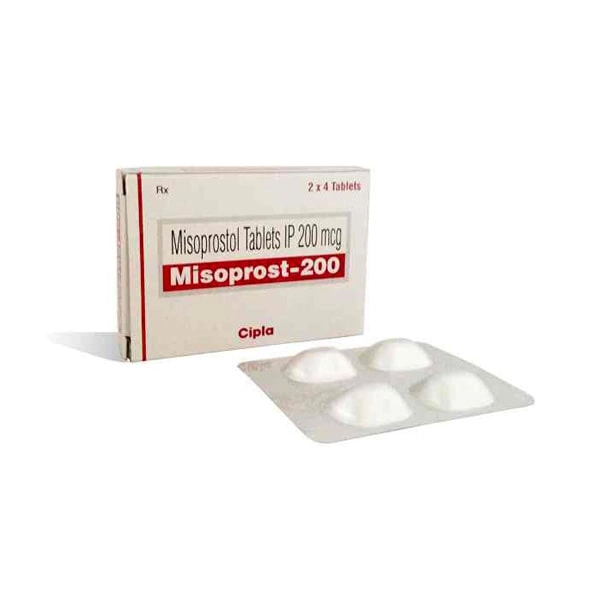
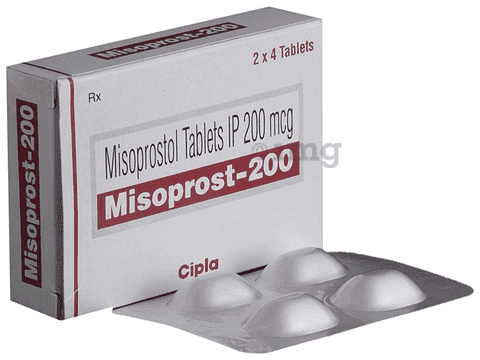
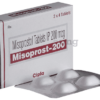
Misoprost (Misoprostol 200 mcg) — Cipla prostaglandin E1 analogue. Multiple obstetric uses (medical abortion with mifepristone, miscarriage management, postpartum haemorrhage), plus NSAID-ulcer prophylaxis.
✓ Medically reviewed by Morgan Ellis — Pharmacy Researcher · 8 years experience · Last reviewed: May 2026
Quick Answer
Misoprost — misoprostol 200 mcg (Cipla). Synthetic prostaglandin E1 analogue used for medical abortion (with mifepristone), prevention of NSAID-induced gastric ulcers, postpartum haemorrhage prophylaxis, labour induction, and missed/incomplete miscarriage management. Multiple routes (oral, sublingual, vaginal, rectal) — different routes give different pharmacokinetics.
What you get with MedsBase:
- WHO-GMP certified manufacturer
- Discreet plain-envelope packaging
- Worldwide shipping
- Rated by 1,400+ customers (read reviews)
📦 Reshipment Assurance: if your order has not arrived 20 business days after dispatch, we reship it at no extra cost. Read the policy.
Why order from MedsBase
Misoprost ships from a WHO-GMP certified manufacturer in plain packaging, billed through a regulated payment processor (the statement descriptor reads a regulated card-payment processor — never MedsBase or any medication name). Every order carries our 20-business-day Reshipment Assurance.
Misoprostol is teratogenic and abortifacient. NEVER use for NSAID-ulcer prophylaxis in pregnancy or in women who could become pregnant without effective contraception. When used in pregnancy, use is intentional (for medical abortion, missed miscarriage management, induction of labour, or postpartum haemorrhage) and supervised.
Indications & route-specific dosing
| Indication | Dose & route |
|---|---|
| Medical abortion ≤9 wk (with mifepristone 200 mg, 24-48 h later) | 800 mcg buccal/vaginal/sublingual; repeat at 4 h if no expulsion |
| Missed/incomplete miscarriage (up to 13 wk) | 800 mcg vaginal or 600 mcg sublingual; repeat at 24-48 h if needed |
| Postpartum haemorrhage prophylaxis (3rd-stage) where oxytocin unavailable | 600 mcg sublingual after birth (WHO recommendation) |
| PPH treatment (oxytocin first-line, misoprostol second) | 800 mcg sublingual single dose |
| NSAID-induced ulcer prophylaxis | 200 mcg orally 2-4× daily with food |
| Cervical priming before D&C, IUD insertion, hysteroscopy | 400 mcg vaginal/sublingual 3-12 h before procedure |
| Labour induction (term, viable fetus) | 25 mcg vaginal q4h × max 6 doses (specialist obstetric supervision only) |
Heavy bleeding (soaking 2 large pads/hour for 2+ consecutive hours), persistent severe abdominal pain, fever >38°C lasting more than 24 hours, signs of sepsis, or no expulsion after a complete medical-abortion regimen all need urgent in-person review. Misoprostol can cause uterine rupture in late pregnancy or in women with prior caesarean — never use without supervision in those settings.
Frequently Asked Questions
How does misoprostol work?
It binds prostaglandin E1 receptors on uterine smooth muscle (causing contractions and cervical softening) and on gastric parietal cells (suppressing acid and increasing mucus production). The same mechanism gives the wide range of indications.
Why are there so many routes?
Different routes give different pharmacokinetics. Sublingual gives the fastest onset and highest peak; vaginal gives the longest sustained levels; oral is fastest absorbed but shortest acting; buccal is intermediate. Choice depends on indication and clinical context.
Side effects?
Cramping, bleeding (intentional in obstetric uses), nausea, vomiting, diarrhoea, fever (often dose-related and self-limiting), shivering. Heavy bleeding or sepsis requires urgent review.
What if it does not work?
For medical abortion, complete expulsion happens in ~95% of cases with the standard regimen. If incomplete, repeat doses are given; if persistently incomplete, surgical management is needed. Always follow up with the prescribing clinician.
Can men take it?
Misoprostol is not used in men. The molecule has no major non-obstetric/non-gastric indication.
Storage?
Below 25°C, dry place. Misoprostol degrades rapidly with humidity — keep tablets in original blister until use.
Drug interactions?
Magnesium-containing antacids worsen misoprostol-induced diarrhoea. Otherwise few major drug interactions.
Mifepristone unavailable — can misoprostol be used alone?
Misoprostol-only regimens are an established alternative but have a slightly higher failure rate than the combination regimen. Common protocol: 800 mcg sublingual or vaginal, repeated every 3-4 hours up to 3 doses. WHO supports this regimen where mifepristone is unavailable.
What about ulcer prophylaxis when modern PPIs are available?
Modern proton pump inhibitors (omeprazole, pantoprazole) are generally better tolerated and similarly effective for NSAID-ulcer prophylaxis. Misoprostol is now mainly used in obstetric contexts and as an alternative when PPIs are contraindicated or unavailable.
Is it legal where I am?
Misoprostol is legal in most countries for ulcer prophylaxis and obstetric indications. Use for medical abortion is strictly regulated in many jurisdictions. Local laws vary substantially. This information is medical education only — comply with local regulations.
Other Women’s Health Medications
- Mifepristone — antiprogesterone — combined with misoprostol for medical abortion
- Naturogest — natural micronized progesterone — for IVF luteal support, miscarriage prevention
- Meprate — medroxyprogesterone 10 mg — for cycle control, withdrawal bleed
- Cabgolin — cabergoline — for lactation suppression
- Pan — pantoprazole 40 mg — modern alternative for NSAID ulcer prophylaxis
More options in Alternative Contraceptives
Ranked by recent MedsBase order volume — what other customers in this category are picking.


| Strength | 200 mg |
|---|---|
| Quantity | 128 Tablet/s, 32 Tablet/s, 64 Tablet/s |
| Pharma Form | Tablet/s |
| Manufacturer | Cipla Inc |
| Treatment | Medical abortion, Post-delivery bleeding |
| Generic Brand | Misoprostol |
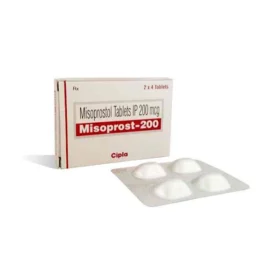 Misoprost
Q & A
Misoprost
Related products








Reviews
There are no reviews yet