







App-Up

✅ Boosts appetite
✅ Enhances weight gain
✅ Manages allergies
✅ Relieves itching
✅ Treats migraine
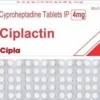
App-Up contains Cyproheptadine.
✓ Medically reviewed by Morgan Ellis — Pharmacy Researcher · 8 years experience · Last reviewed: May 2026
⚡ Quick Answer — What is App-Up?
App-Up is a brand of cyproheptadine hydrochloride (4 mg), a first-generation (sedating) oral antihistamine of the piperidine class (also a serotonin 5-HT2 antagonist). Used for allergic rhinitis, urticaria (hives), itchy skin, insect-bite reactions, and mild allergic reactions. Onset: 30–60 minutes; duration: 4–6 hours — so doses are typically spread 2–3 times daily. A dual H1 + 5-HT2 antagonist. Strongest anti-itch effect of the 1st-gen antihistamines, but with prominent sedation, appetite stimulation, and weight gain. Widely used in India, Latin America, and Asia — less common in Western countries, where 2nd-generation antihistamines dominate. Causes drowsiness in most users — do not drive or operate machinery after a dose until you know how it affects you. Avoid in narrow-angle glaucoma, bladder-outflow obstruction, severe asthma attack, and in older adults where alternatives exist. Not a treatment for anaphylaxis — severe allergic reactions need adrenaline.
📦 Every order is covered by our Reshipment Assurance Policy — if your parcel does not arrive within 20 business days, we reship it.
Why order from MedsBase
Our generic medications are sourced from WHO-GMP certified manufacturers and shipped worldwide in discreet, plain packaging — no medication name on the parcel exterior. Card payments are routed through a regulated processor (statement descriptors include a regulated card-payment processor — never “MedsBase” or any medication name). Crypto and SEPA bank transfer are also accepted. Every order is backed by our Reshipment Assurance Policy.
What Is App-Up?
App-Up is an oral antihistamine containing cyproheptadine hydrochloride (4 mg), manufactured by WHO-GMP certified manufacturer. Supplied in packs of 30, 60, 90 or 180 tablets. Originator brand: Periactin (Merck, 1961).
cyproheptadine hydrochloride belongs to the first-generation H1 antihistamine class — the original antihistamines developed in the 1940s and 50s. They are effective but, unlike newer agents, cross the blood-brain barrier readily, which causes sedation and anticholinergic side effects. First-generation antihistamines are still useful for acute allergic episodes, short-term night-time itch, and specialised uses (motion sickness, certain migraine protocols, appetite stimulation).
What Is App-Up Used For?
Allergic rhinitis, urticaria, itchy skin, serotonin syndrome (antidote use), cyproheptadine is also widely used off-label as an appetite stimulant in poor-appetite states and failure-to-thrive. Historically used in migraine prevention, carcinoid syndrome (for diarrhoea/flushing), and SSRI-induced sexual dysfunction.
How Does App-Up Work?
cyproheptadine hydrochloride blocks histamine H1 receptors throughout the body. Histamine is released from mast cells and basophils during allergic reactions and causes the classic symptoms: sneezing, runny nose, itchy eyes, vasodilation, urticaria, bronchoconstriction, and mucus secretion. Blocking H1 receptors interrupts these effects.
Unlike newer (2nd-generation) antihistamines, first-generation agents readily cross the blood-brain barrier and bind central H1 receptors — producing sedation. They also have appreciable affinity for muscarinic acetylcholine receptors, causing classic anticholinergic effects (dry mouth, urinary hesitancy, blurred vision, constipation). Cyproheptadine additionally blocks serotonin 5-HT2 receptors, giving it unique uses in serotonin syndrome, carcinoid syndrome, and appetite stimulation.
Dosage and Administration
Dose: Adults: 4 mg 3 times daily (usual range 4–20 mg/day; max 32 mg/day). Children 7–14: 4 mg 2–3 times daily. Children 2–6: 2 mg 2–3 times daily.
- Onset of action: 30–60 minutes.
- Duration: 4–6 hours — this is why 2–3 doses per day are needed, compared with once-daily dosing for 2nd-generation antihistamines.
- Take with or without food; food may reduce early drowsiness slightly.
- A bedtime dose is useful when drowsiness and night-time itch are issues; daytime doses may impair concentration.
- Miss a dose — take as soon as you remember unless the next dose is due; do not double up.
- Not intended for long-term daily use when 2nd-generation alternatives are available.
Side Effects
Sedation: Cyproheptadine is markedly sedating and commonly causes drowsiness. Most patients experience sedation at standard doses; tolerance may develop partially over 1–2 weeks.
Anticholinergic: Moderate — dry mouth, blurred vision, urinary hesitancy, constipation. Avoid in narrow-angle glaucoma, bladder-outflow obstruction, and elderly with falls risk.
Weight: Significant appetite stimulation and weight gain are characteristic effects — cyproheptadine is routinely prescribed off-label as a weight-gain aid in children with anorexia or failure to thrive. Can be a desired or undesired effect depending on context.
Other common side effects:
- Headache, dizziness
- Impaired concentration, slowed reaction time
- Photosensitivity (occasional)
- Thickened bronchial secretions (relevant in asthma)
Uncommon but important:
- Paradoxical CNS stimulation in children (hyperactivity, irritability, rarely seizures at high doses)
- Urinary retention in men with prostate enlargement
- Precipitation of narrow-angle glaucoma
- Falls in older adults (from sedation + anticholinergic delirium risk)
- Hypersensitivity reactions
Drug Interactions
- Alcohol, benzodiazepines, opioids, hypnotics — additive CNS depression. Avoid or use with great caution.
- Tricyclic antidepressants, MAO inhibitors — additive anticholinergic effect; MAOIs may prolong and intensify antihistamine effects — avoid within 14 days.
- Other anticholinergic drugs (oxybutynin, scopolamine, atropine) — additive dry mouth, urinary retention, constipation, cognitive blunting.
- SSRIs / SNRIs — cyproheptadine is sometimes used to treat SSRI-induced sexual dysfunction but may reduce SSRI antidepressant effect; use under medical advice.
- Metoclopramide, prochlorperazine — additive sedation and extrapyramidal effects.
Who Should Not Take App-Up?
- Newborns and premature infants
- Nursing mothers — first-generation antihistamines pass into breast milk and may cause irritability or feeding difficulty in the infant; 2nd-generation agents are preferred if treatment is needed
- Acute asthma attack — anticholinergic effect thickens secretions
- Narrow-angle glaucoma
- Bladder-outflow obstruction or symptomatic prostatic hypertrophy
- Peptic ulcer with pyloric obstruction
- Use of monoamine oxidase inhibitors (MAOIs) within 14 days
- Known hypersensitivity to cyproheptadine hydrochloride or similar antihistamines
- Older adults — avoid where 2nd-generation alternatives exist (falls, confusion, urinary retention risks)
Use in Pregnancy and Children
Pregnancy: first-generation antihistamines have been used for decades with a reasonable safety record, but 2nd-generation agents (loratadine, cetirizine) are preferred first-line. Discuss with your obstetrician before starting.
Breastfeeding: 1st-generation antihistamines pass into breast milk and may sedate the infant. They can also reduce milk supply. Prefer loratadine or cetirizine when treatment is needed in a breastfeeding mother.
Children: age cutoffs in the Dosage section. Paradoxical excitation can occur in young children.
Storage
Store App-Up below 25°C in a dry place, in the original blister. Keep out of reach of children.
Frequently Asked Questions
Is App-Up the same as cyproheptadine hydrochloride?
Yes — App-Up contains the active ingredient cyproheptadine hydrochloride. Bioequivalence to the originator brand (Periactin (Merck, 1961)) is required by regulatory authorities.
Is cyproheptadine used for weight gain?
Yes — cyproheptadine is one of the most commonly prescribed off-label appetite stimulants in children with failure-to-thrive, poor appetite, or cachexia, and sometimes in adults. Typical dose is 2–4 mg 2–3 times daily; weight gain of 1–3 kg over 4–8 weeks is typical. It is not approved as a weight-gain agent in most countries, and the effect is driven by H1 blockade and serotonin antagonism in the hypothalamic appetite centre. Discuss with a doctor before using for this purpose.
How drowsy will App-Up make me?
Cyproheptadine is markedly sedating and commonly causes drowsiness. Most patients experience sedation at standard doses; tolerance may develop partially over 1–2 weeks. Plan your first dose for a time when you do not need to drive or operate machinery for at least 6–8 hours. Effect is dose-dependent; smaller split doses often cause less sedation than a single large dose.
Can I take App-Up every day?
First-generation antihistamines are generally not recommended for long-term daily use when 2nd-generation agents are available — the anticholinergic burden and sedation add up. For chronic hay fever or urticaria, switch to loratadine, cetirizine, or fexofenadine. Short courses are safe for acute episodes.
Can I drink alcohol with App-Up?
No. Alcohol and first-generation antihistamines both depress the central nervous system; combining them significantly increases drowsiness, impaired coordination, and risk of accidents.
Can I give App-Up to my child?
Age cutoffs differ by formulation — see the dosage section. Paradoxical excitation (irritability, hyperactivity, trouble sleeping) is a recognised reaction in young children; if it occurs, stop and consult a doctor. For routine allergies in children, cetirizine or loratadine are preferred first-line.
Where can I buy App-Up online?
You can order App-Up (4 mg) from MedsBase in packs of 30, 60, 90 or 180 tablets. We ship worldwide with discreet packaging and genuine WHO-GMP certified manufacturer stock.
Related Allergy Medications
- Allegra — Fexofenadine (least-sedating alternative)
- Loratin — Loratadine (non-drowsy alternative)
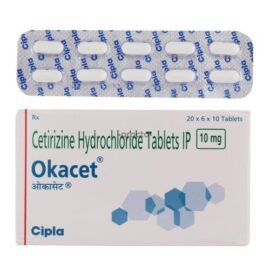
- Okacet — Cetirizine (once-daily 2nd-gen)
- Xyzal — Levocetirizine
- Meta Spray — Mometasone intranasal corticosteroid
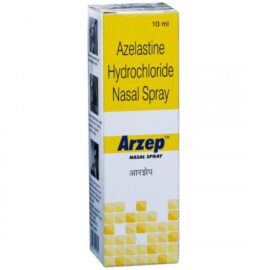
- Arzep — Azelastine + Fluticasone nasal spray
- Browse all Hay Fever & Allergy Medications
Related Alternatives
Other products in Chronic Conditions that customers also view:
More options in Hay Fever/Allergies Treatment
Ranked by recent MedsBase order volume — what other customers in this category are picking.

| Strength | 4 mg |
|---|---|
| Quantity | 30 Tablet/s, 60 Tablet/s, 90 Tablet/s, 180 Tablet/s |
 App-Up
Q & A
App-Up
Related products





Reviews
There are no reviews yet