








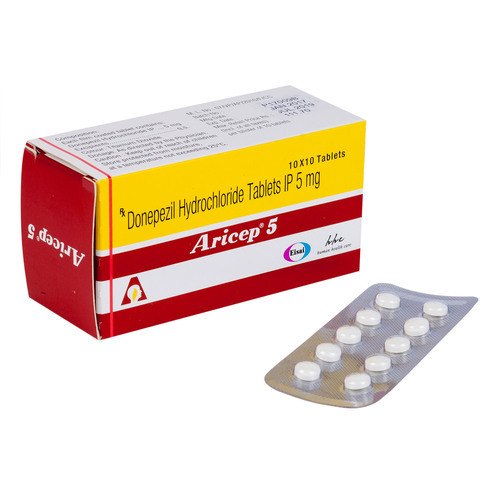
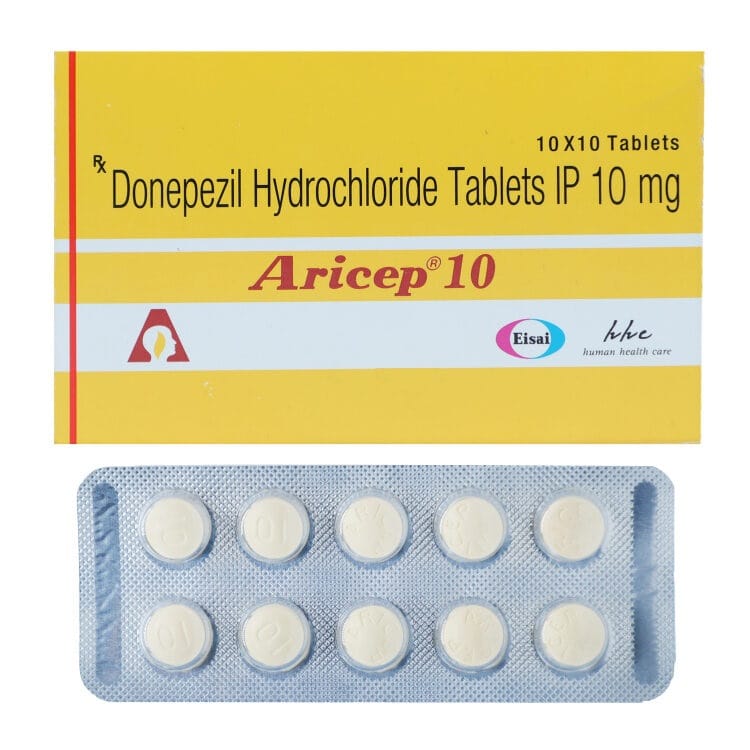
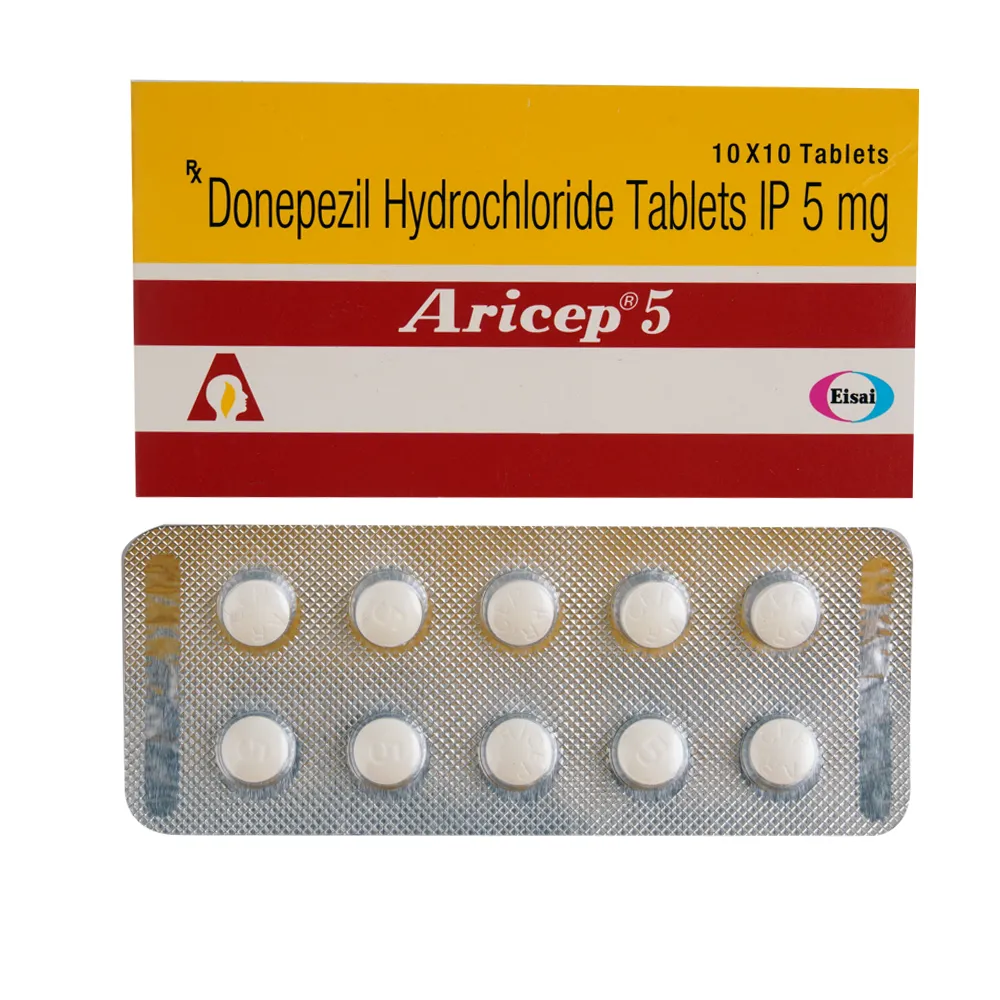
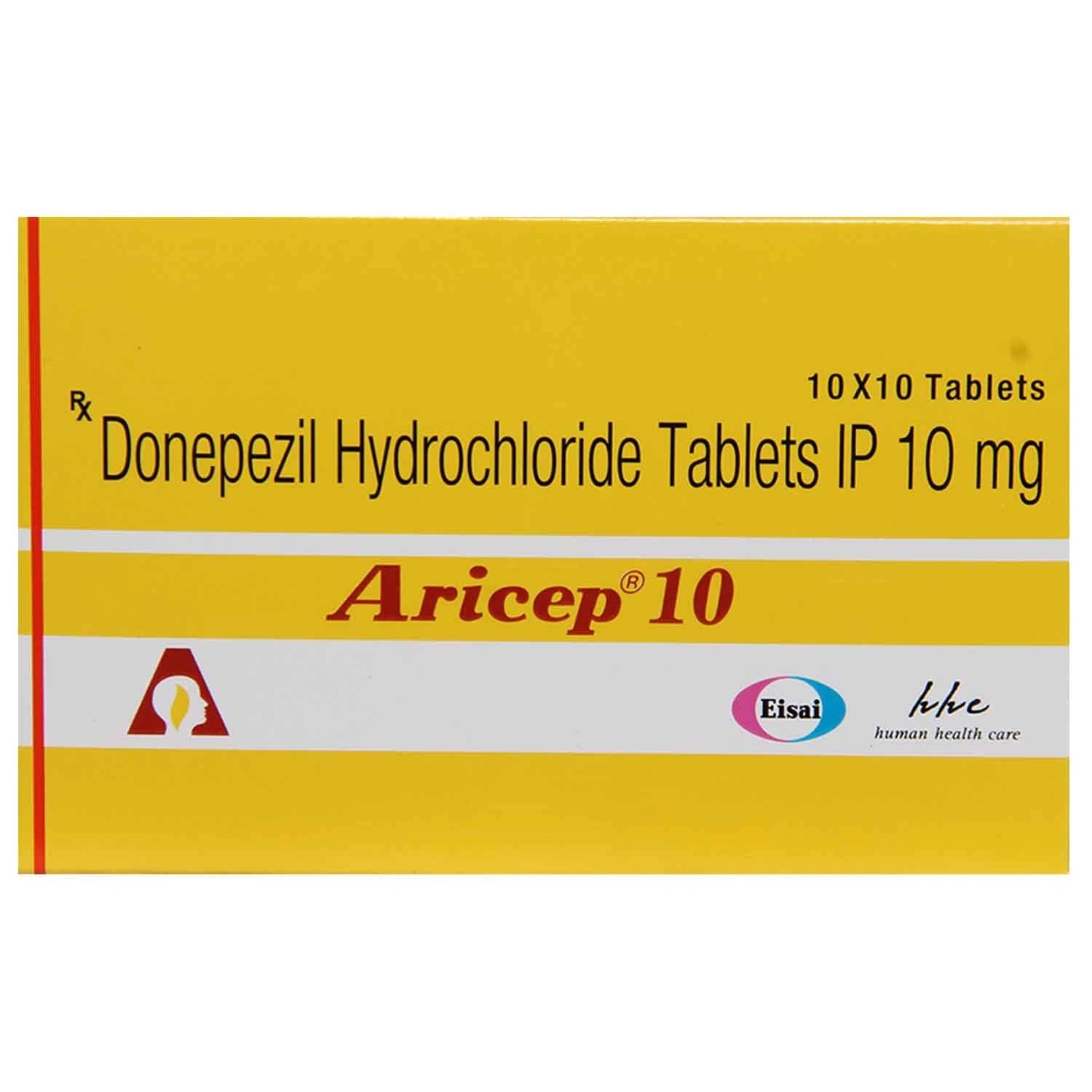
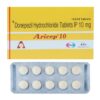
Aricep
✅ Enhances cognitive function
✅ Improves memory recall
✅ Boosts mental clarity
✅ Supports Alzheimer’s treatment
✅ Enhances brain health
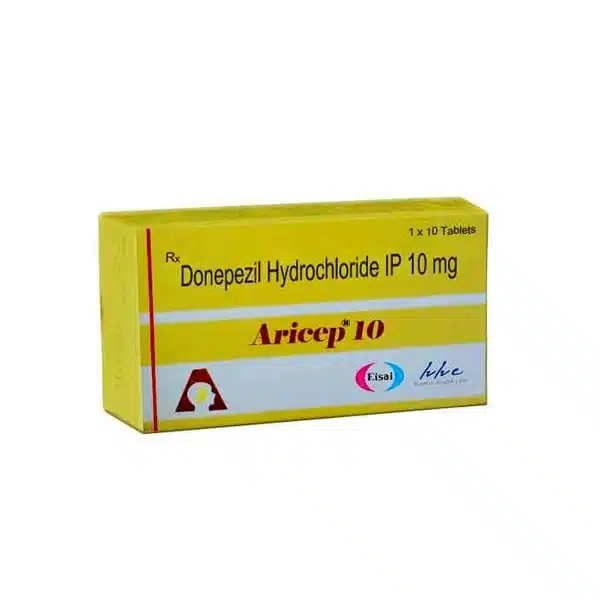
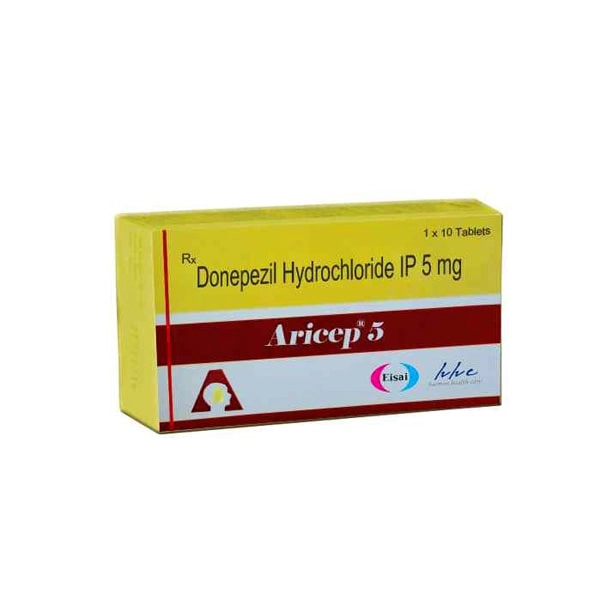
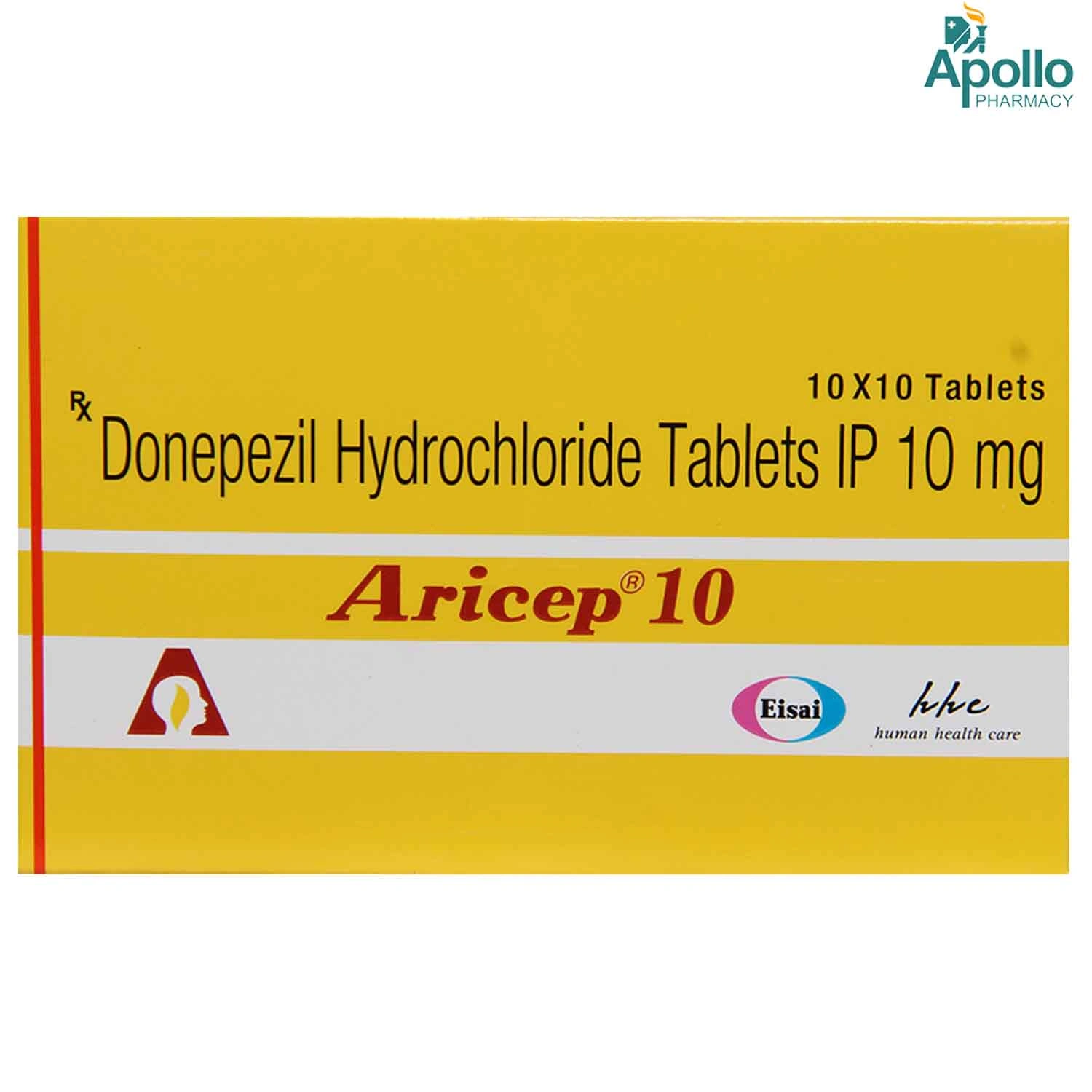
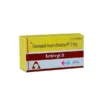
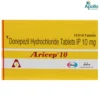
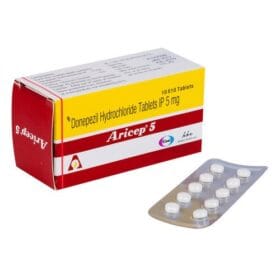
Aricep contains Donepezil.
✓ Medically reviewed by Morgan Ellis — Pharmacy Researcher · 8 years experience · Last reviewed: May 2026
⚡ Quick Answer — What is Aricep?
Aricep is an oral tablet from Cipla containing donepezil — a reversible acetylcholinesterase (AChE) inhibitor used for the symptomatic treatment of mild, moderate and severe Alzheimer's disease. Available at 5 mg and 10 mg. Standard dosing: 5 mg once daily at bedtime for 4–6 weeks, then increase to 10 mg once daily if tolerated. Donepezil does not stop disease progression — it improves cognitive symptoms (memory, attention, daily function) for the duration of treatment. Most common side effects are GI (nausea, diarrhoea, anorexia), vivid dreams, and bradycardia. Never stop abruptly — discontinuation can cause rapid cognitive decline that does not always recover when restarted.
📦 Every order is covered by our Reshipment Assurance Policy — if your parcel does not arrive within 20 business days, we reship it.
Why order from MedsBase
Our generic medications are sourced from WHO-GMP certified manufacturers and shipped worldwide in discreet, plain packaging — no medication name on the parcel exterior. Card payments are routed through a regulated processor (statement descriptors include a regulated card-payment processor — never “MedsBase” or any medication name). Crypto and SEPA bank transfer are also accepted. Every order is backed by our Reshipment Assurance Policy.
What Is Aricep?
Aricep is an oral tablet from Cipla containing donepezil hydrochloride. Donepezil is a long-acting, selective, reversible inhibitor of acetylcholinesterase — the enzyme that breaks down acetylcholine in the brain. By blocking that enzyme, donepezil raises synaptic acetylcholine levels and partially compensates for the cholinergic neuron loss that drives memory and attention symptoms in Alzheimer's disease.
Aricep is one of the longest-established donepezil brands in India and is available across both standard strengths (5 mg and 10 mg), giving full flexibility to start at the recommended low dose for the first 4–6 weeks before stepping up to the maintenance 10 mg dose. Donepezil is the most-prescribed Alzheimer's drug worldwide and the only AChE inhibitor licensed across the full severity spectrum (mild, moderate and severe disease). It is symptomatic therapy — it does not slow the underlying neurodegeneration, but it produces measurable improvements in memory, attention, daily function and behaviour for the duration of treatment, typically buying 6–12 months of cognitive function compared with no treatment.
How Does Aricep Work?
Alzheimer's disease is characterised by progressive loss of cholinergic neurons in the basal forebrain (the nucleus basalis of Meynert) — producing a marked deficit of acetylcholine in the cortex and hippocampus. This cholinergic deficit explains many of the cognitive, attention and memory symptoms.
- Acetylcholinesterase inhibition — donepezil reversibly blocks the enzyme that degrades synaptic acetylcholine, raising ACh levels at remaining cholinergic synapses.
- Cortical and hippocampal selectivity — donepezil binds preferentially to brain AChE rather than peripheral cholinesterase, which gives it a cleaner side-effect profile than older agents like physostigmine.
- Long half-life (~70 hours) — allows once-daily dosing and gives stable steady-state ACh elevation, which is well tolerated.
Onset of cognitive benefit: visible at 6–12 weeks; peak at 6 months. Benefit is sustained for as long as the drug is taken — once stopped, cognitive function reverts to (or below) the level it would have been without treatment, often within weeks.
Uses and Indications
- Mild Alzheimer's dementia — first-line cholinesterase inhibitor
- Moderate Alzheimer's dementia — first-line, often combined with memantine
- Severe Alzheimer's dementia — donepezil is one of the few cholinesterase inhibitors licensed at this stage; usually combined with memantine
- Dementia with Lewy bodies — off-label, often the most cholinergic-responsive of the dementias
- Parkinson's disease dementia — off-label (rivastigmine has the on-label indication)
- Vascular dementia (mixed type) — off-label modest benefit
Aricep is not a disease-modifying therapy and is not effective for: mild cognitive impairment without dementia, frontotemporal dementia (often worsens behavioural symptoms), normal age-related forgetfulness, or as a cognitive enhancer in healthy adults.
Aricep Dosage and How to Take
Aricep comes at 5 mg and 10 mg. Standard adult protocol:
- Starting dose: 5 mg once daily for the first 4–6 weeks. This is mandatory — starting at 10 mg causes intolerable GI side effects in most patients.
- Maintenance dose: 10 mg once daily after 4–6 weeks if tolerated.
- Severe Alzheimer's: 10 mg once daily; some patients benefit from 23 mg/day formulations (not stocked here — specialist prescribing).
How to Take Aricep Properly
- Take in the evening, ideally just before bed. Donepezil's 70-hour half-life means timing has minimal effect on steady-state levels, but evening dosing places peak cholinergic side effects (mild dizziness, nausea) during sleep.
- If vivid dreams or insomnia develop, switch to morning dosing — this is a known issue and the timing change usually fixes it within a week.
- With or without food — food does not change donepezil absorption.
- Swallow whole with water. Standard tablets can be split if scored.
- Once daily at the same time. If a dose is missed and remembered the same day, take it. If remembered the next day, skip and resume normally — do not double-dose.
- Do not stop abruptly. Sudden discontinuation can cause rapid cognitive worsening that does not always recover when restarted. If treatment must be stopped, do so gradually under medical supervision.
- Caregiver supervision is critical. Patients with Alzheimer's frequently forget whether they have taken their dose — use a weekly pill organiser filled by a family member or carer.
- Re-assess after 6 months. Cognitive testing (MMSE or MoCA) should establish whether treatment is helping. Continue if there is benefit; reconsider if cognition has declined sharply despite treatment.
Side Effects of Aricep
Common (worst in first 2–4 weeks, usually settles):
- Nausea, diarrhoea, vomiting
- Anorexia and weight loss (5–10% of body weight in some patients)
- Vivid dreams or nightmares
- Insomnia (more common with evening dosing)
- Dizziness, headache
- Muscle cramps
- Fatigue
Less common but important:
- Bradycardia and syncope — donepezil's vagotonic effect can slow heart rate and cause fainting, especially in patients with sick sinus syndrome or AV block
- Urinary incontinence (paradoxical, from increased cholinergic tone)
- Worsening of asthma or COPD
- GI bleeding (especially if combined with NSAIDs or anticoagulants)
Rare but seek medical attention immediately:
- Severe bradycardia, complete heart block, syncope
- Seizures (rare)
- Severe vomiting causing oesophageal rupture (very rare)
- Stevens-Johnson syndrome (case reports)
- Neuroleptic malignant syndrome (especially if combined with antipsychotics)
Warnings and Precautions
- Cardiac: donepezil slows heart rate. Caution in patients with sick sinus syndrome, second- or third-degree AV block, or unexplained syncope. Baseline ECG before starting if any cardiac history.
- Peptic ulcer disease and GI bleeding history: donepezil increases gastric acid secretion. Co-prescription of a PPI is reasonable in high-risk patients.
- Asthma and COPD: increased cholinergic tone can worsen bronchoconstriction. Caution in poorly-controlled disease.
- Anaesthesia: tell the anaesthetist about donepezil before any surgery. Donepezil prolongs the action of succinylcholine and other depolarising muscle relaxants.
- Urinary obstruction (BPH): increased detrusor tone may cause urgency or retention.
- Seizure history: use cautiously — cholinergic activation theoretically lowers seizure threshold.
- Renal or hepatic impairment: no dose adjustment needed for mild-to-moderate impairment; caution in severe.
- Caregiver support: patients with Alzheimer's rarely manage their own medication safely. Caregiver involvement in dose preparation, supervision and adherence is essential.
Contraindications — Who Should NOT Take Aricep
- Known hypersensitivity to donepezil, piperidine derivatives, or any tablet excipient
- Severe hepatic impairment (Child-Pugh C)
- Active peptic ulcer disease (until healed)
- Severe symptomatic bradycardia, sick sinus syndrome, second- or third-degree AV block (without pacemaker)
- Severe uncontrolled asthma or COPD
- Recent unexplained syncope
Drug Interactions
| Combine with | Effect | What to do |
|---|---|---|
| Anticholinergics (oxybutynin, tolterodine, hyoscyamine, amitriptyline, diphenhydramine, scopolamine) | Directly antagonise donepezil's mechanism — treatment fails | Avoid combination. Switch incontinence drugs to mirabegron; review every anticholinergic in the regimen. |
| Beta-blockers, calcium channel blockers (verapamil, diltiazem), digoxin | Additive bradycardia and AV block risk | Monitor heart rate and ECG; consider dose reduction or alternative. |
| Succinylcholine and other depolarising neuromuscular blockers (anaesthesia) | Markedly prolonged paralysis | Tell the anaesthetist about donepezil. Consider non-depolarising alternative. |
| NSAIDs (ibuprofen, naproxen, diclofenac) | Compounding GI bleed risk | Avoid if possible; if needed, co-prescribe a PPI. |
| Strong CYP3A4 inhibitors (ketoconazole, ritonavir, clarithromycin) | Raise donepezil levels — more side effects | Monitor for nausea/dizziness; consider dose reduction. |
| Strong CYP3A4 inducers (rifampicin, phenytoin, carbamazepine, St John's wort) | Lower donepezil levels — treatment failure | Monitor cognition; consider dose increase under specialist guidance. |
| Antipsychotics (haloperidol, risperidone, olanzapine, quetiapine) | Increased risk of neuroleptic malignant syndrome and extrapyramidal effects | Use lowest possible dose; avoid in dementia with Lewy bodies. |
| Memantine (combination therapy in moderate-severe Alzheimer's) | Additive cognitive benefit, no significant pharmacokinetic interaction | Standard combination — see Admenta. |
Storage Instructions
- Store at room temperature, 15–25°C. Protect from light and moisture.
- Keep tablets in the original blister pack until use.
- Do not store in the bathroom — humidity shortens shelf life.
- Keep out of the reach of children and patients who may not understand they are medication.
- Do not use after the expiry date printed on the pack.
- Return unused tablets to a pharmacy for disposal.
Related Alternatives on MedsBase
Other Alzheimer's and dementia medications stocked on MedsBase:
- Donect (donepezil 10 mg)
- Donemax (donepezil 10 mg)
- Admenta (memantine 5 mg)
- Galamer (galantamine 4 mg)
- Rivamer (rivastigmine 1.5 mg)
Helpful reading: Everything you need to know about Alzheimer's disease · Everything to know about dementia · 7 ways to protect your brain health as you age · Best foods for a healthy brain and improved memory.
Frequently Asked Questions
When will I or my family member see results from Aricep?
Visible cognitive benefit at 6–12 weeks of consistent dosing; peak benefit at 6 months. Benefits include better attention, memory recall, ability to follow conversations, and daily function. Donepezil does not reverse Alzheimer's damage — it stabilises function for a window of typically 6–18 months. Re-assess with formal cognitive testing (MMSE or MoCA) at 6 months.
Does Aricep stop or slow Alzheimer's progression?
No. Donepezil is symptomatic therapy, not disease-modifying. The underlying neurodegeneration continues at the same rate. Donepezil produces a measurable upward shift in cognitive function for the duration of treatment; once stopped, cognition reverts to (or below) the untreated trajectory. Newer disease-modifying drugs (anti-amyloid antibodies like lecanemab) target the underlying pathology but are not stocked here and require specialist infusion.
Why do I need to start at 5 mg before going to 10 mg?
The 4–6 week titration window is essential. Starting at 10 mg causes severe nausea, diarrhoea and anorexia in most patients — bad enough that they discontinue the drug. The 5 mg starting dose lets the GI tract adapt before the full dose. Skipping titration is the most common reason patients “cannot tolerate” donepezil.
When should I take Aricep — morning or night?
Standard advice is evening before bed — this places peak cholinergic side effects (mild dizziness, nausea) during sleep. If vivid dreams or insomnia develop (a known side effect with evening dosing), switch to morning. Either timing produces equivalent cognitive benefit because of donepezil's 70-hour half-life.
Can I stop Aricep if it is not helping?
Discuss with the prescriber first. If formal cognitive testing at 6 months shows no benefit and the patient has progressed clearly, donepezil can be stopped — but always taper gradually, not abruptly. Sudden discontinuation can cause rapid cognitive worsening (the “washout” effect) that does not always recover when restarted. Typical taper: drop to 5 mg for 2–4 weeks, then stop.
Can Aricep be combined with memantine?
Yes — this is the standard combination for moderate-to-severe Alzheimer's disease. Donepezil and memantine work on different pathways (cholinergic + glutamatergic) and produce additive cognitive benefit with no significant interaction. Admenta is the memantine brand stocked here.
Why are GI side effects so common?
Donepezil raises acetylcholine throughout the body, not just in the brain. Increased cholinergic tone in the gut speeds motility (diarrhoea), increases secretions (nausea), and reduces appetite (anorexia). Most GI side effects settle within 2–4 weeks. Persistent nausea responds to taking the dose with food, switching to evening dosing, or temporarily dropping back to 5 mg.
What about the anticholinergic medications I am already taking?
This is one of the most common reasons donepezil “does not work”. Common anticholinergics that directly cancel donepezil include: oxybutynin and tolterodine (overactive bladder), amitriptyline and nortriptyline (older antidepressants), diphenhydramine (Benadryl, sleep aids), and hyoscyamine. Ask your doctor to review every medication and switch where possible — for bladder symptoms, mirabegron is a non-anticholinergic alternative.
Is Aricep safe with other dementia drugs my parent takes?
Donepezil + memantine is the standard combination for moderate-severe Alzheimer's. Donepezil + galantamine or donepezil + rivastigmine is not recommended — stacking two cholinesterase inhibitors compounds GI side effects without added benefit. Tell every doctor that the patient is on donepezil; in particular, anaesthetists need to know before any surgery.
Aricep vs galantamine vs rivastigmine — which is right?
All three are AChE inhibitors with comparable cognitive benefit, but the side-effect profiles differ. Donepezil: once-daily, cleanest GI tolerability, only one licensed for severe Alzheimer's. Galantamine: twice-daily, also a nicotinic ACh receptor modulator, slightly higher GI burden. Rivastigmine: twice-daily oral or transdermal patch, the only AChE inhibitor licensed for Parkinson's disease dementia, highest GI burden in oral form (the patch reduces this). Donepezil is the standard first choice unless the patient has Parkinson's dementia.
Related Alternatives
Other products in Chronic Conditions that customers also view:
More options in Alzheimer's Treatment
Ranked by recent MedsBase order volume — what other customers in this category are picking.



| Strength | 5 mg, 10 mg |
|---|---|
| Quantity | 30 Tablet/s, 60 Tablet/s, 90 Tablet/s, 180 Tablet/s |
 Aricep
Q & A
Aricep
Related products











Reviews
There are no reviews yet