







Onlee-10
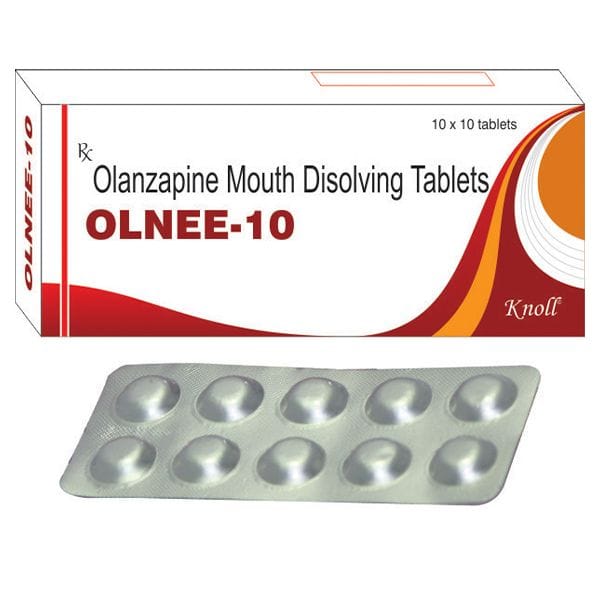
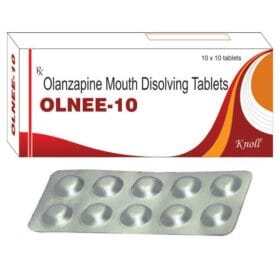
Onlee-10 (Olanzapine 10 mg) — thienobenzodiazepine atypical for schizophrenia and bipolar mania. fixed 10 mg strength — common maintenance dose.
✓ Medically reviewed by Morgan Ellis — Pharmacy Researcher · 8 years experience · Last reviewed: May 2026
⚡ Quick Answer — What is Onlee-10?
Onlee-10 is olanzapine 10 mg, an atypical (second-generation) antipsychotic prescribed for schizophrenia, acute mania in bipolar I disorder, and bipolar maintenance therapy. Usual dose: 5–10 mg once daily, typically at bedtime. Main side effects are sedation, weight gain, and metabolic changes — monitor weight, glucose, and lipids regularly during treatment.
Onlee-10 is an olanzapine 10 mg tablet — an atypical (second-generation) antipsychotic used to treat schizophrenia and bipolar I disorder. It is clinically equivalent to brand-name olanzapine formulations such as Zyprexa and has been in use worldwide since the late 1990s. Each Onlee-10 tablet contains 10 mg of olanzapine, the most commonly prescribed daily dose for adults beginning antipsychotic therapy.
Olanzapine is effective for both the positive symptoms of psychosis (hallucinations, delusions, disorganised thinking) and the affective symptoms of bipolar disorder (acute mania, mixed episodes, and long-term mood stabilisation). It is usually taken once daily, in the evening, and works best when taken consistently as part of an overall treatment plan that includes psychotherapy and social support.
What Is Onlee-10?
Onlee-10 is an Indian-manufactured generic of olanzapine, a thienobenzodiazepine atypical antipsychotic. Olanzapine has been on the World Health Organization’s List of Essential Medicines since 2017 and remains one of the most widely prescribed second-generation antipsychotics worldwide.
Onlee-10 is typically prescribed for:
- Schizophrenia — both acute episodes and long-term maintenance
- Acute manic or mixed episodes of bipolar I disorder, as monotherapy or with lithium/valproate
- Maintenance therapy of bipolar I disorder to prevent recurrence
- Treatment-resistant depression as an adjunct (often combined with fluoxetine)
- Severe agitation in the context of psychosis or mania (inpatient use)
How Does Onlee-10 Work?
Olanzapine belongs to the atypical antipsychotic class and acts on multiple neurotransmitter systems in the brain. This broader receptor profile is what distinguishes it from older “typical” antipsychotics such as haloperidol.
- Dopamine D2 receptor antagonism in the mesolimbic pathway reduces positive symptoms of psychosis such as hallucinations and delusions
- Serotonin 5-HT2A receptor antagonism helps with negative symptoms and reduces the extrapyramidal side-effect burden associated with purely dopamine-blocking drugs
- Histamine H1 blockade contributes to the sedating effect, which can be useful for insomnia or acute agitation but also drives weight gain
- Muscarinic M1 blockade produces anticholinergic effects (dry mouth, constipation)
- Alpha-1 adrenergic blockade contributes to orthostatic hypotension, particularly during dose titration
Peak plasma concentration is reached in about 5–8 hours, and the half-life is 21–54 hours — long enough for once-daily dosing. Steady-state blood levels are typically achieved within about one week of consistent dosing.
Uses and Indications
- Schizophrenia (acute and maintenance): olanzapine is considered one of the more effective second-generation antipsychotics for treatment-resistant cases
- Bipolar I disorder — acute mania or mixed episodes as monotherapy or with a mood stabiliser
- Bipolar I maintenance to reduce the risk of relapse into mania or depression
- Depression with psychotic features when paired with an SSRI
- Treatment-resistant major depressive disorder (commonly combined with fluoxetine as Symbyax / OFC)
- Short-term management of severe agitation in inpatient psychiatric settings
Onlee-10 Dosage and Administration
Individual dosing varies with diagnosis, age, and response. Treatment usually begins at a lower starting dose and is titrated up as needed.
| Indication / Patient | Starting Dose | Usual Effective Range |
|---|---|---|
| Schizophrenia (adult) | 5–10 mg once daily | 10–20 mg daily |
| Bipolar acute mania (monotherapy) | 10–15 mg once daily | 10–20 mg daily |
| Bipolar acute mania (combination) | 10 mg once daily | 5–20 mg with lithium or valproate |
| Bipolar maintenance | Continue effective acute dose | 5–20 mg daily |
| Adjunct in depression | 5 mg evening | 5–15 mg with fluoxetine |
| Elderly (65+) or debilitated | 2.5–5 mg daily | Titrate cautiously; do not exceed 10 mg without specialist oversight |
| Hepatic impairment | 5 mg daily | Careful titration; monitor LFTs |
| Maximum daily dose | 20 mg | Higher doses rarely give additional benefit |
How to Take Onlee-10 Properly
- Take Onlee-10 once daily, at the same time each day — most patients take it in the evening because of its sedative effect
- Can be taken with or without food — food does not significantly affect absorption
- Swallow the tablet whole with a glass of water
- Do not stop Onlee-10 abruptly, even if you feel better — sudden discontinuation can cause relapse or withdrawal symptoms (insomnia, nausea, sweating). Always taper under medical supervision
- If you miss a dose and remember within 12 hours, take it. If more than 12 hours have passed, skip it and resume the normal schedule — do not double up
- Consistency matters — antipsychotic effect builds up over 2–4 weeks of steady dosing
Side Effects of Onlee-10
Olanzapine is generally well tolerated for psychiatric efficacy but has a well-documented metabolic side-effect profile that requires ongoing monitoring.
| Severity | Side Effect |
|---|---|
| Very common (≥1 in 10) | Sedation/drowsiness, weight gain (average 3–7 kg), increased appetite, dizziness, mild orthostatic hypotension |
| Common (≥1 in 100) | Dry mouth, constipation, raised fasting glucose, raised cholesterol and triglycerides, mild transaminitis, peripheral oedema, mild extrapyramidal symptoms (tremor, akathisia) |
| Uncommon | New-onset diabetes mellitus, hyperprolactinaemia, sexual dysfunction, urinary retention, tardive dyskinesia (with long-term use) |
| Rare but serious | Neuroleptic malignant syndrome, diabetic ketoacidosis, severe hyperglycaemia, seizures, agranulocytosis, hepatitis, venous thromboembolism, stroke |
Seek urgent medical attention if you experience any of the following:
- Very high fever, muscle rigidity, confusion (possible neuroleptic malignant syndrome)
- Uncontrollable movements of the face, tongue, or limbs
- Signs of severe hyperglycaemia — extreme thirst, frequent urination, fruity-smelling breath, rapid breathing
- Signs of a blood clot — chest pain, shortness of breath, one-sided leg swelling or pain
- Severe allergic reaction — swelling of the face, throat, or tongue; difficulty breathing
Warnings and Precautions
- Elderly patients with dementia-related psychosis: olanzapine is not approved for this indication and carries a boxed warning for increased mortality risk in this specific population
- Metabolic monitoring: baseline and periodic checks of weight, waist circumference, fasting glucose, HbA1c, and lipid profile are recommended — ideally at baseline, 3 months, then yearly
- Diabetes risk: olanzapine can unmask or worsen diabetes, even without marked weight gain. Monitor fasting glucose at baseline and regularly
- Cardiovascular risk: small QT prolongation has been observed; more clinically relevant is the metabolic impact
- Orthostatic hypotension: most pronounced during dose titration — rise slowly from sitting or lying
- Seizure threshold: olanzapine lowers seizure threshold slightly; use with caution in epilepsy or in patients on proconvulsant medication
- Hepatic impairment: start low (5 mg), monitor LFTs
- Pregnancy (Category C): third-trimester exposure has been associated with neonatal extrapyramidal signs and withdrawal symptoms — weigh the benefits against risks with your specialist
- Breastfeeding: olanzapine passes into breast milk; discuss the balance with your prescriber
- Smoking: smoking induces CYP1A2 and lowers olanzapine levels — quitting smoking can raise blood levels and may require a dose review
- Alcohol: intensifies sedation; avoid or limit
- Heat sensitivity: olanzapine impairs body temperature regulation — take care in hot climates and during strenuous exercise
Contraindications
- Known hypersensitivity to olanzapine or any excipient
- Severe narrow-angle glaucoma
- Severe central nervous system depression or coma of any origin
- Concurrent use of drugs known to cause significant QT prolongation should be reviewed case by case
Drug Interactions
| Drug / Class | Interaction |
|---|---|
| Fluvoxamine, ciprofloxacin | Strong CYP1A2 inhibitors — can double olanzapine plasma levels; reduce olanzapine dose |
| Carbamazepine, phenytoin, rifampicin | CYP1A2 inducers — reduce olanzapine levels; may need higher olanzapine dose |
| Smoking (tobacco) | Induces CYP1A2; quitting can raise olanzapine levels significantly |
| Benzodiazepines, opioids, alcohol | Additive CNS and respiratory depression; use parenteral olanzapine + IM benzodiazepines with great caution |
| Levodopa, dopamine agonists | Antagonistic effect — olanzapine may reduce Parkinson’s medication efficacy |
| Antihypertensives | Additive hypotensive effect — monitor blood pressure |
| Anticholinergics | Additive anticholinergic effects (dry mouth, constipation, urinary retention) |
| Other QT-prolonging drugs | Combined risk of arrhythmia — review with prescriber |
Stopping Onlee-10
Olanzapine should not be stopped suddenly. Abrupt withdrawal can cause:
- Rebound insomnia, nausea, sweating, agitation
- “Supersensitivity psychosis” — rapid relapse of psychotic or manic symptoms
- Severe anxiety or dysphoria
Standard practice is a gradual taper over at least 4 weeks, under the guidance of a psychiatrist. Never adjust the dose without discussing it first with your clinician.
Storage Instructions
- Store below 25 °C in a dry place, away from direct light
- Keep tablets in their original blister until use
- Keep out of reach of children — accidental ingestion by a child can be serious
- Do not use after the printed expiry date
Related Products on MedsBase
- Synaptol — combination used in selected neuropsychiatric conditions
- Mental Health Medications — browse related psychiatric treatments
Frequently Asked Questions
How long does Onlee-10 take to work?
Some effects — such as sedation and reduced agitation — appear within the first few days. The full antipsychotic or mood-stabilising effect typically builds up over 2–6 weeks of consistent daily use. Do not judge its effect in the first week alone.
Will Onlee-10 make me gain weight?
Weight gain is one of the most common side effects, averaging 3–7 kg in the first 6 months. The risk is highest in the first three months. Early dietary advice, reduced carbohydrate intake, and regular exercise can significantly limit weight gain. Your prescriber should monitor weight, waist, fasting glucose, and lipids at baseline and regularly.
Can I drink alcohol while taking Onlee-10?
Alcohol intensifies the sedative and hypotensive effects of olanzapine and can worsen the psychiatric condition it is treating. It is best avoided; if you do drink, keep it minimal.
Is Onlee-10 addictive?
Olanzapine is not addictive in the classical sense — it does not produce craving or a high. However, stopping suddenly can cause withdrawal symptoms and psychiatric relapse, which is why a gradual taper is recommended.
Can Onlee-10 be used during pregnancy?
Olanzapine is category C. There are situations where the benefit of continuing treatment outweighs the risk, but this must be an individual decision with your psychiatrist and obstetrician. Third-trimester exposure may cause neonatal withdrawal symptoms.
Will Onlee-10 make me too drowsy to work?
Sedation is usually strongest in the first few weeks and often settles. Taking the dose in the evening can minimise daytime drowsiness. Do not drive or operate heavy machinery until you know how Onlee-10 affects you.
Can Onlee-10 be split or crushed?
Conventional olanzapine tablets can usually be split if necessary for dose titration, but crushing is generally not recommended. If you have difficulty swallowing tablets, ask your doctor about orodispersible olanzapine formulations.
Is Onlee-10 the same as Zyprexa?
Both contain 10 mg of olanzapine and are bioequivalent. Onlee-10 is the Indian generic version; Zyprexa is the original Eli Lilly brand. Clinical efficacy is identical.
What should I do if I forget a dose?
If you remember within 12 hours, take the missed dose. If more than 12 hours have passed, skip it and take your next dose at the usual time. Never take two doses together to make up for a missed dose.
How often will I need check-ups on Onlee-10?
Typical monitoring: baseline physical exam and bloodwork (weight, waist, fasting glucose, HbA1c, lipid panel, LFTs, FBC), then repeat at 3 months, then at least annually. Your psychiatrist will review mental-state progress more frequently — usually every 2–4 weeks early on, and every 2–3 months once stable.
📦 Every order is covered by our Reshipment Assurance Policy — if your parcel does not arrive within 20 business days, we reship it.
Why order from MedsBase
Onlee-10 at MedsBase is supplied directly from a WHO-GMP certified manufacturer in plain, discreet packaging. Every order is covered by our Reshipment Assurance Policy — 20-business-day arrival window or we reship at no charge — and qualifies for our customer loyalty programme. Worldwide shipping is available to most destinations.
Related Alternatives
Other products in General Health that customers also view:
More options in Mental Health and Psychiatric Medications
Ranked by recent MedsBase order volume — what other customers in this category are picking.

| Strength | 10 mg |
|---|---|
| Quantity | 30 Tablet/s, 60 Tablet/s, 90 Tablet/s, 180 Tablet/s |
 Onlee-10
Q & A
Onlee-10
Related products


Reviews
There are no reviews yet