








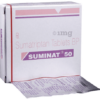
Suminat
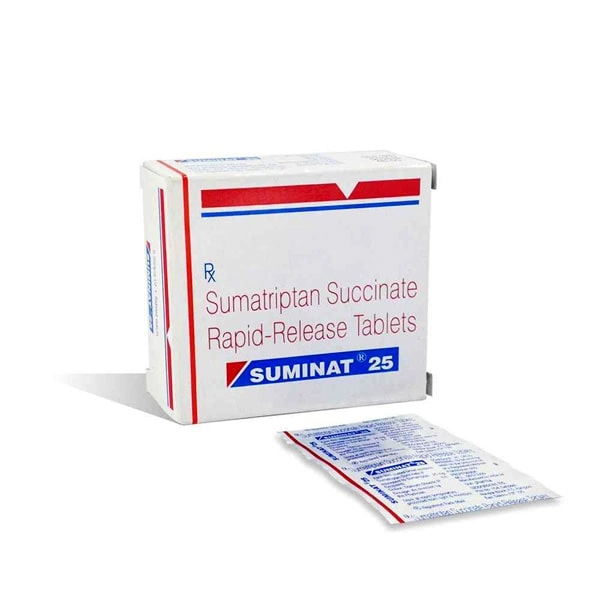
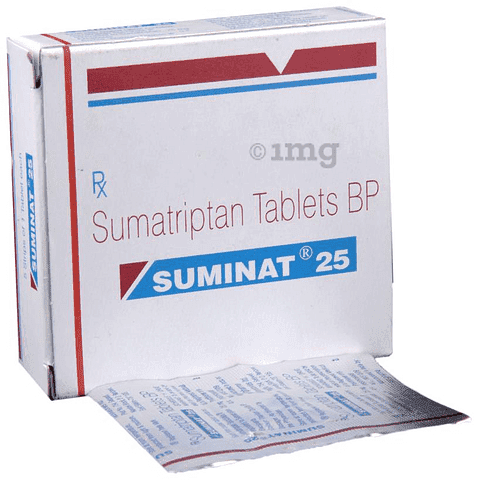
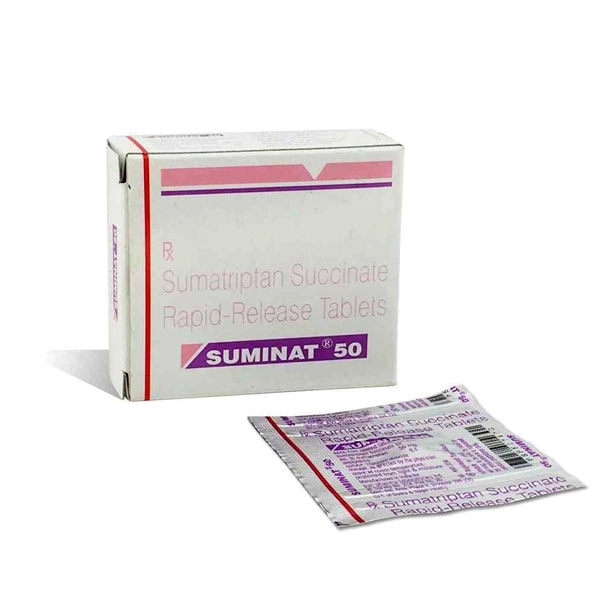
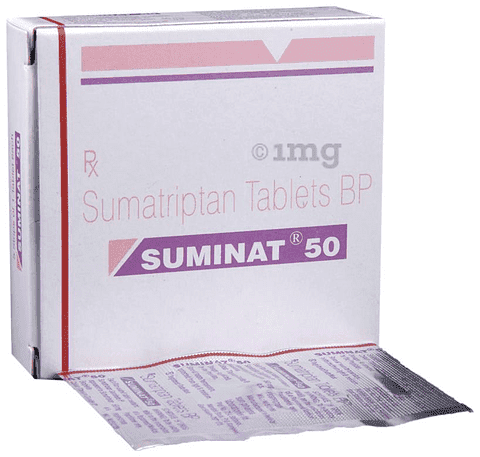
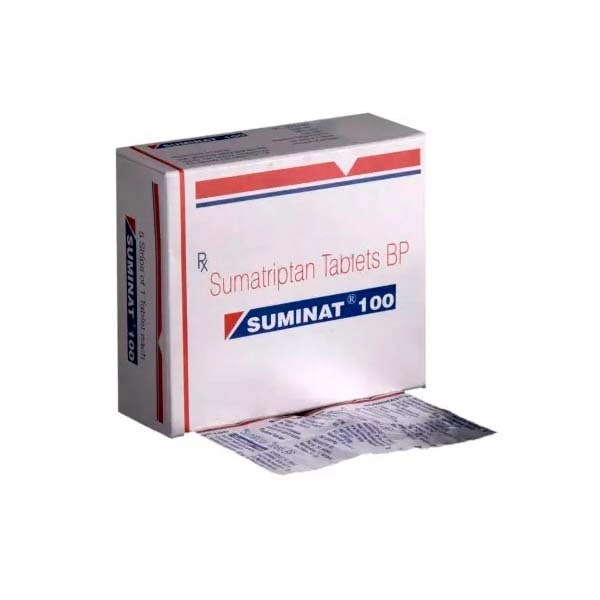
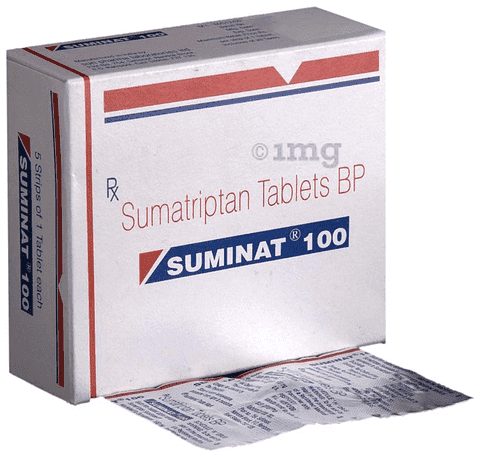




✅ Relieves migraine symptoms effectively
✅ Halts migraine progression
✅ Eases headache and symptoms
✅ Improves life quality
Suminat contains Sumatriptan
✓ Medically reviewed by Morgan Ellis — Pharmacy Researcher · 8 years experience · Last reviewed: May 2026
⚡ Quick Answer — What is Suminat?
Suminat is a sumatriptan tablet available in 25, 50, and 100 mg strengths, manufactured by Sun Pharma. Sumatriptan is a selective 5-HT1B/1D receptor agonist (“triptan”) and is the most widely used acute-treatment medicine for moderate-to-severe migraine attacks, with or without aura, and for cluster headache. Typical adult dose is 50 mg at onset of migraine pain, repeated after 2 hours if needed (maximum 200 mg in 24 hours). Sumatriptan is for acute attacks only — it is not a migraine-prevention medicine.
Suminat is an oral tablet of sumatriptan succinate, the first and most extensively studied triptan. Developed in the 1980s and launched in 1991, sumatriptan was the first drug specifically designed for the migraine serotonin receptor profile, and it remains the reference triptan against which newer agents (rizatriptan, zolmitriptan, eletriptan, frovatriptan, naratriptan, almotriptan) are compared.
Three tablet strengths are available:
- Suminat 25 mg — lowest effective dose; useful in patients sensitive to triptan side effects
- Suminat 50 mg — the standard adult dose; balances efficacy and tolerability
- Suminat 100 mg — used when 50 mg is not sufficient; modest additional benefit over 50 mg
What Is Suminat Used For?
- Acute migraine attacks (with or without aura) in adults — the primary indication
- Cluster headache — sumatriptan (particularly SC injection and nasal spray) is one of the most effective acute treatments
- Menstrually-related migraine — as acute therapy
- Adolescent migraine (age 12–17) — nasal spray is the preferred paediatric form; oral tablets are used off-label in older teens
Sumatriptan is not indicated for:
- Migraine prevention — preventers are a separate class (propranolol, topiramate, amitriptyline, CGRP inhibitors, onabotulinumtoxinA)
- Tension-type headache — triptans do not work on tension headaches
- Hemiplegic migraine, basilar migraine, or migraine with prolonged aura — contraindicated
- General non-migraine pain
How Does Sumatriptan Work?
Sumatriptan is a selective agonist at 5-HT1B and 5-HT1D serotonin receptors — two serotonin receptor subtypes that are highly expressed on:
- Cranial arteries (5-HT1B): sumatriptan constricts dilated intracranial vessels, reversing the vascular component of migraine
- Trigeminal nerve terminals (5-HT1D): sumatriptan inhibits the release of pro-inflammatory neuropeptides (CGRP, substance P) that drive neurogenic inflammation in migraine
- Central trigeminal pathways (5-HT1B/1D): sumatriptan dampens pain signalling in the brainstem trigeminal nucleus caudalis
The combined peripheral and central action reverses the three cardinal features of a migraine attack: pain, nausea, and photophobia/phonophobia. Because the 5-HT1B receptors are expressed on other arteries too (coronary, cerebral, peripheral), sumatriptan can cause mild transient vasoconstriction elsewhere — which is why it is contraindicated in patients with established coronary artery disease.
Suminat Dosing
- Standard adult dose: 50 mg at the first sign of migraine pain
- If not effective: do not repeat the same attack — if 50 mg fails, higher doses in the same attack rarely help
- If effective but recurrence: a second dose of 50–100 mg may be taken at least 2 hours after the first
- Maximum: 200 mg in any 24-hour period (e.g. two 100 mg doses, or four 50 mg doses)
- Take as early in the attack as possible — triptans work better on a mild/moderate early pain than on a severe established attack
- Take with water; food does not significantly affect absorption
- Sublingual absorption is minimal — swallow whole, do not chew
Avoid medication-overuse headache. Taking triptans on more than 10 days per month over 3 months can cause medication-overuse headache — a chronic daily headache driven by the medication itself. If you find yourself needing sumatriptan more than 8–10 days per month, discuss migraine-prevention therapy with your doctor.
Who Should Not Take Suminat?
- Known hypersensitivity to sumatriptan or any triptan
- Ischaemic heart disease (angina, prior MI), Prinzmetal angina, or any sign of ischaemic coronary disease
- Prior stroke or transient ischaemic attack (TIA)
- Peripheral arterial disease, symptomatic or asymptomatic
- Uncontrolled hypertension (above 140/90 mmHg on treatment)
- Hemiplegic, basilar, or familial hemiplegic migraine
- Severe hepatic impairment (Child-Pugh C)
- Recent use of another triptan or ergotamine/dihydroergotamine within the past 24 hours
- Recent use of a monoamine oxidase inhibitor (MAOI) within 2 weeks
- Pregnancy — use only if benefit clearly outweighs risk
- Breastfeeding — express and discard milk for 12 hours after a dose
- Age < 18 years (specialist decision) or > 65 years (caution, start at 25 mg)
Side Effects of Suminat
- Common (1–10%): chest tightness or pressure (the so-called “triptan sensation” — usually benign but always review if new), throat/neck/jaw pressure or tightness, dizziness, drowsiness, fatigue, nausea, flushing, warm or tingling sensation
- Uncommon: raised blood pressure, bradycardia or tachycardia, palpitations, muscle cramps, visual disturbance
- Rare but serious: myocardial ischaemia, myocardial infarction, coronary vasospasm, stroke, serotonin syndrome (when combined with SSRIs, SNRIs, MAOIs, tramadol), severe hypersensitivity reaction
Stop Suminat and seek urgent medical care if you develop:
- Chest pain that lasts more than a few minutes or is severe
- Sudden weakness, numbness, slurred speech (stroke signs)
- Severe abdominal pain, bloody diarrhoea
- Agitation, confusion, shivering, high fever, tremor, hyperreflexia (serotonin syndrome)
Drug Interactions
- Ergot alkaloids (ergotamine, dihydroergotamine) — wait at least 24 hours between doses in either direction
- Other triptans — wait at least 24 hours
- SSRIs, SNRIs, TCAs, MAOIs — risk of serotonin syndrome; discuss with your doctor
- MAOIs — absolute contraindication; wait 2 weeks after stopping an MAOI
- Lithium — additive serotonergic risk
- St John’s wort — additive serotonergic risk
Suminat vs Other Triptans
| Drug | Onset | Duration | Notable feature |
|---|---|---|---|
| Sumatriptan (Suminat) | 30–60 min | ~4 h | Reference triptan; also SC injection and nasal spray |
| Rizatriptan | 30–60 min | ~5 h | Fast, often best tolerated |
| Zolmitriptan | 45 min | ~4 h | Orodispersible form available |
| Eletriptan | 30 min | ~5 h | One of the most effective oral triptans |
| Naratriptan | 2–3 h | ~12 h | Slow but longest duration; for long attacks |
| Frovatriptan | 2–4 h | ~24 h | Very long; menstrually-related migraine prevention |
Ordering & Delivery
MedsBase offers worldwide shipping on every order. Orders are dispatched in discreet packaging and arrive in branded manufacturer packs. If your preferred strength or pack size is out of stock, contact customer support for an ETA.
Medical disclaimer. The information on this page is provided for general education only. It is not a substitute for advice from your own doctor or pharmacist. Talk to a qualified healthcare professional before starting, stopping, or changing therapy.
Why order from MedsBase
📦 Every order is covered by our Reshipment Assurance Policy — if your parcel does not arrive within 20 business days, we reship it.
Frequently Asked Questions
What is Suminat used for?
Suminat (sumatriptan) is used for the acute treatment of moderate-to-severe migraine attacks (with or without aura) and for cluster headache. It is not a migraine preventer.
Which Suminat strength should I use?
Most adults start with 50 mg. If 50 mg is well tolerated but not fully effective, many doctors move to 100 mg. The 25 mg tablet is useful in patients who are sensitive to triptan side effects (chest tightness, dizziness) or in older patients.
How fast does Suminat work?
Most patients notice pain relief 30 to 60 minutes after an oral dose. Full relief is usually achieved within 2 hours. If you take it at the first sign of a migraine, it often works faster and more completely than if you wait until the attack is severe.
Can I take Suminat twice for the same migraine?
If 50 mg is completely ineffective for this attack, a second dose in the same attack is unlikely to help — try an alternative acute treatment (naproxen, paracetamol + caffeine, anti-emetic). If the first dose worked but the migraine returns after 2 or more hours, you can take a second dose, up to 200 mg total in 24 hours.
Why do I feel chest pressure when I take Suminat?
The “triptan sensation” — a feeling of chest, throat, or neck tightness or pressure — occurs in up to 1 in 20 users. It is usually benign and settles within 30–60 minutes. However, it can occasionally reflect real coronary vasospasm. If the sensation is severe, new, or different from previous experience, stop using sumatriptan and seek urgent medical advice.
Can I take Suminat if I have high blood pressure?
Only if it is well controlled (below 140/90 mmHg on treatment). Uncontrolled hypertension is a contraindication because of coronary and cerebrovascular risk.
Can I take Suminat if I have a heart condition?
No — established ischaemic heart disease, prior MI, prior stroke or TIA, and peripheral arterial disease are all contraindications. Discuss alternative acute migraine therapies with your doctor.
Can I take Suminat with ibuprofen or paracetamol?
Yes. Combining a triptan with an NSAID (such as naproxen or ibuprofen) or paracetamol is common practice for severe migraine and can improve both attack relief and recurrence rate.
Can I take Suminat with antidepressants?
SSRIs, SNRIs, TCAs, and MAOIs all interact with triptans via the serotonin pathway. Modest combined use under supervision is usually safe; be alert for serotonin syndrome (agitation, shivering, rapid heart rate, fever). MAOIs are an absolute contraindication.
Is Suminat addictive?
Sumatriptan is not a controlled substance and is not addictive in the classic sense. However, overuse (more than 10 days per month for 3 months) causes medication-overuse headache — a chronic daily headache driven by the medication. If you are using sumatriptan frequently, ask your doctor about migraine-prevention therapy.
Is Suminat safe in pregnancy?
Sumatriptan has a relatively large body of human pregnancy data and has not been convincingly linked to birth defects. It is still classified as “use only if clearly needed” in pregnancy. Paracetamol is first-line migraine treatment in pregnancy; sumatriptan is a reasonable second-line choice when necessary, under specialist advice.
Other Migraine Treatments
- Sumitop — sumatriptan 50/100 mg, fast-onset triptan
- Rizact — rizatriptan 5/10 mg, rapid-onset triptan
- Zolmist Nasal Spray — zolmitriptan 5 mg nasal, useful when nausea blocks oral
- Topicon — topiramate 25/50 mg, prophylaxis
- Inderal — propranolol 10/40 mg, first-line prophylaxis
More options in Migraine Treatment
Ranked by recent MedsBase order volume — what other customers in this category are picking.
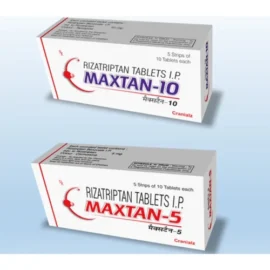
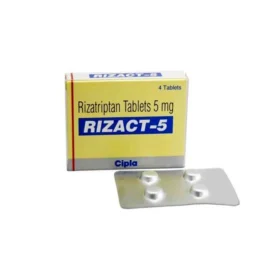
| Strength | 25 mg, 50 mg, 100 mg |
|---|---|
| Quantity | 10 Tablet/s, 30 Tablet/s, 60 Tablet/s |
| Pharma Form | Tablet/s |
| Manufacturer | Sun Pharma |
| Treatment | Migraine |
| Generic Brand | Sumatriptan |
 Suminat
Q & A
Suminat
Related products







Reviews
There are no reviews yet