







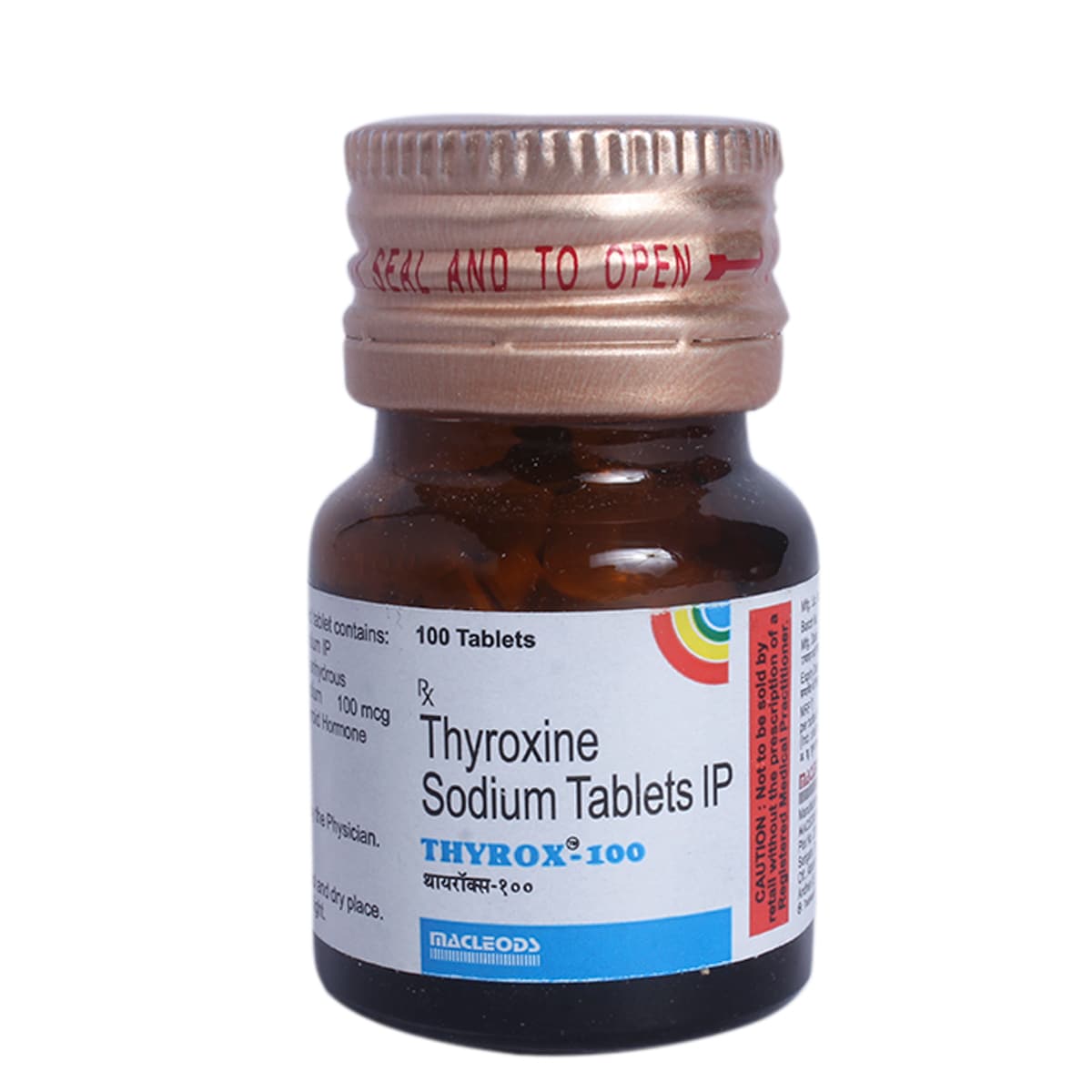
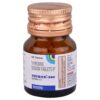
Thyrox
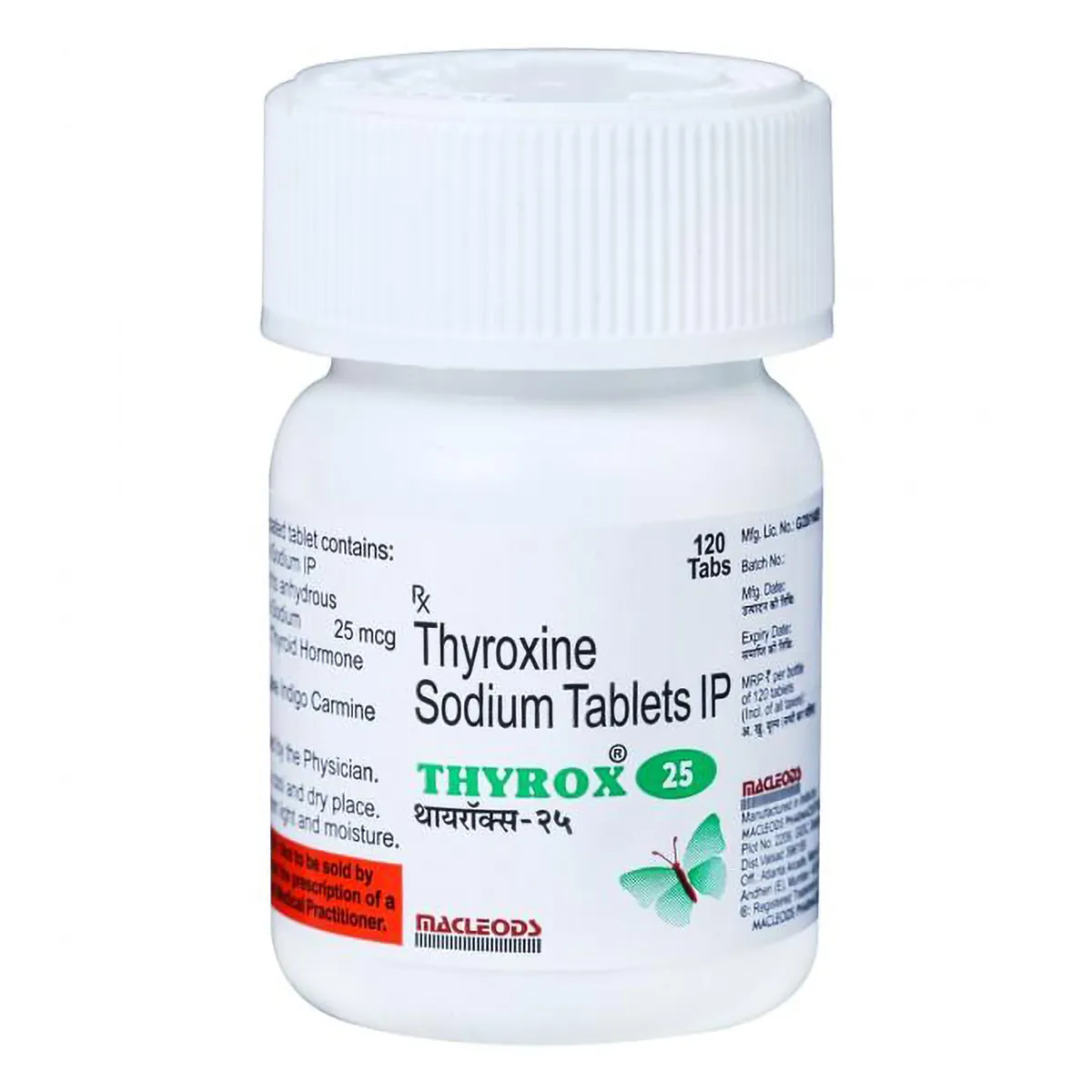

✅ Regulates thyroid function
✅ Boosts metabolism
✅ Increases energy levels
✅ Improves mood
✅ Enhances cognitive function
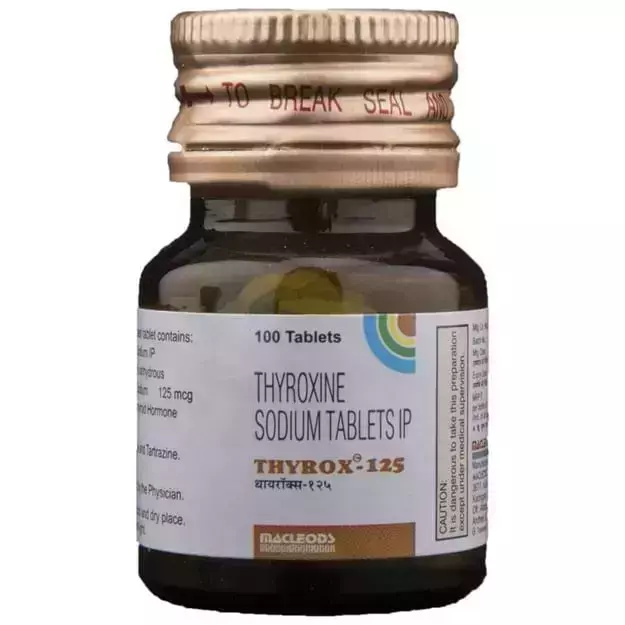
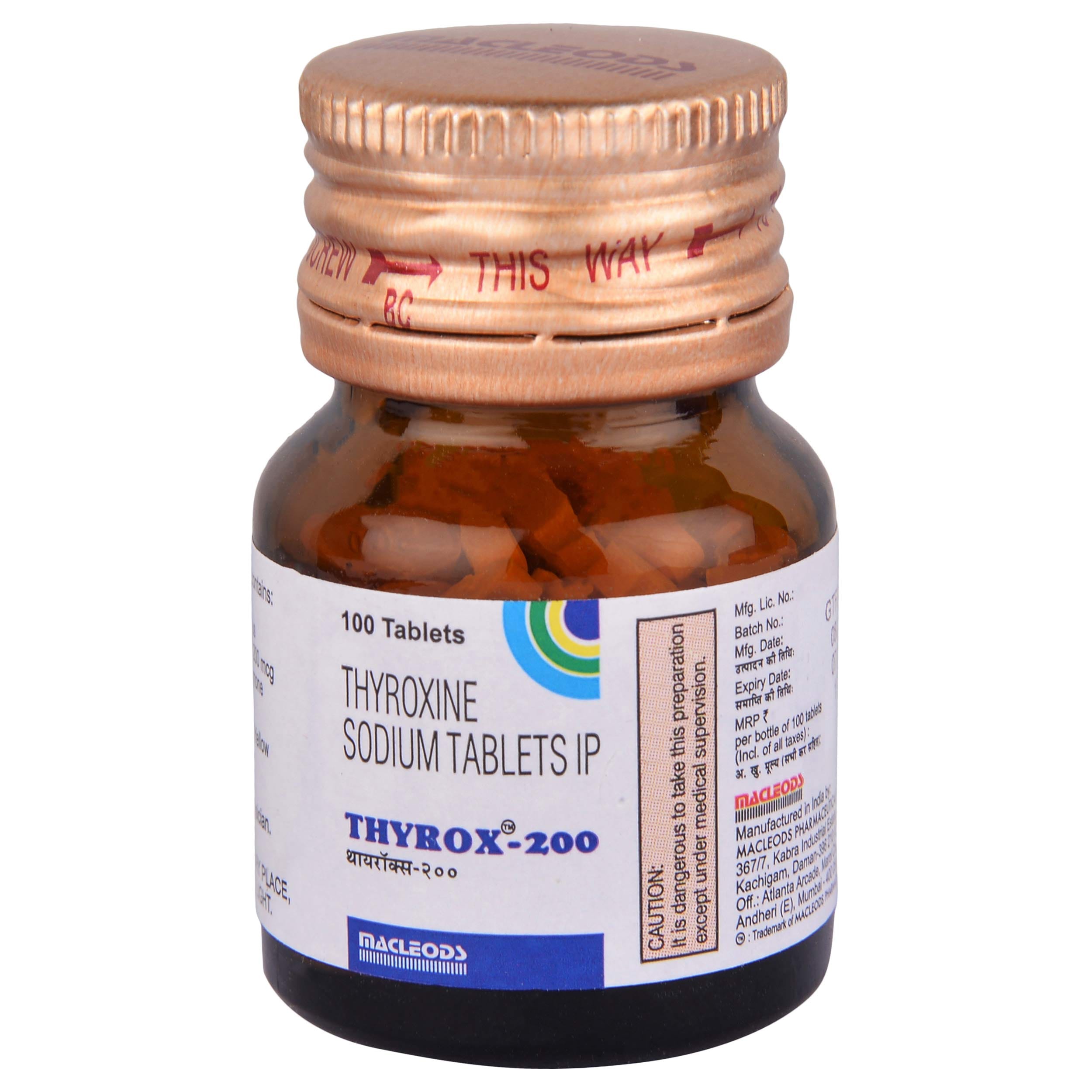
Thyrox contains Thyroxine.
✓ Medically reviewed by Morgan Ellis — Pharmacy Researcher · 8 years experience · Last reviewed: May 2026
⚡ Quick Answer — What is Thyrox?
Thyrox is levothyroxine sodium (synthetic thyroxine, T4) (available in 25, 100, 125 and 200 mcg strengths), the first-line treatment for hypothyroidism (underactive thyroid). Taken once daily on an empty stomach, 30–60 minutes before food, coffee or any other medication. Dose is titrated against TSH every 6–8 weeks until stable.
📦 Every order is covered by our Reshipment Assurance Policy — if your parcel does not arrive within 20 business days, we reship it.
Why order from MedsBase
Our generic medications are sourced from WHO-GMP certified manufacturers and shipped worldwide in discreet, plain packaging — no medication name on the parcel exterior. Card payments are routed through a regulated processor (statement descriptors include a regulated card-payment processor — never “MedsBase” or any medication name). Crypto and SEPA bank transfer are also accepted. Every order is backed by our Reshipment Assurance Policy.
What Is Thyrox?
Thyrox is a branded generic of levothyroxine sodium, a synthetic copy of the thyroid hormone thyroxine (T4). After absorption, T4 is converted in peripheral tissues to the more active triiodothyronine (T3). Levothyroxine is the standard therapy for primary hypothyroidism, the most common cause of which is autoimmune Hashimoto’s thyroiditis. Available strengths: 25 mcg, 100 mcg, 125 mcg and 200 mcg. Manufactured by Macleods Pharmaceuticals.
Clinical Uses
- Primary hypothyroidism — autoimmune (Hashimoto’s), post-surgical (after thyroidectomy), post-radioiodine ablation, congenital hypothyroidism.
- Subclinical hypothyroidism — treatment is usually offered when TSH is persistently >10 mIU/L, or when antibodies are positive and the patient has clear hypothyroid symptoms.
- TSH suppression after differentiated thyroid cancer — supraphysiological doses suppress TSH and reduce recurrence risk.
- Endemic and sporadic non-toxic goitre — reduces gland volume by lowering TSH drive.
- Myxoedema coma — emergency replacement, usually parenteral, in a hospital setting.
How to Take Thyrox — CRITICAL Timing Rules
Levothyroxine absorption is highly sensitive to food, drinks and other medications. The following rules are essential, not optional:
- Take first thing in the morning, on an empty stomach, with a full glass of plain water.
- Wait at least 30–60 minutes before eating, drinking coffee or tea, or taking any other tablet.
- Separate from calcium, iron, magnesium, zinc and aluminium-containing supplements or antacids by at least 4 hours — these dramatically reduce absorption.
- Separate from proton pump inhibitors (omeprazole, esomeprazole, pantoprazole) — gastric acid is required for full absorption.
- Separate from cholestyramine, colestipol, sevelamer and orlistat by 4 hours — these bind levothyroxine in the gut.
- Avoid soy products, walnuts and high-fibre cereals at the same time as the dose.
- If you cannot tolerate morning dosing, an evening bedtime dose at least 3 hours after the last meal is an evidence-based alternative.
- If you miss a dose, take it as soon as you remember unless it is nearly time for the next day’s dose. Never double-dose. Levothyroxine has a long half-life (~7 days) so an occasional missed dose is forgiving.
Starting Dose, Titration and TSH Targets
| Patient group | Starting dose | Titration | TSH target |
|---|---|---|---|
| Young, otherwise healthy adult | ~1.6 mcg/kg/day (typically 100–125 mcg) | Recheck TSH at 6–8 weeks; adjust by 12.5–25 mcg. | 0.5–2.5 mIU/L |
| >65 years or known cardiac disease | 25–50 mcg/day | Increase by 12.5–25 mcg every 4–6 weeks | Upper third of reference range (often 1–4 mIU/L) |
| Pregnancy (pre-existing hypothyroidism) | Increase pre-pregnancy dose by 25–50% as soon as pregnancy confirmed | Recheck TSH every 4 weeks in first half, then every trimester | <2.5 mIU/L (T1), <3.0 mIU/L (T2/T3) |
| Post-thyroidectomy for cancer (TSH suppression) | ~2.0 mcg/kg/day | Recheck TSH at 6–8 weeks; aim for risk-tier-specific target | 0.1–0.5 mIU/L (intermediate-risk); <0.1 (high-risk) |
| Children | 10–15 mcg/kg/day in newborns; tapers with age (specialist-led) | Frequent monitoring — growth and neurodevelopment depend on adequate replacement | Age-specific paediatric range |
Once TSH is in target and stable, annual TSH monitoring is sufficient. Recheck sooner if symptoms change, weight changes by >5 kg, a new interacting drug is started, or pregnancy is planned.
Side Effects of Thyrox
True drug-allergic reactions to levothyroxine are rare. Most reported “side effects” reflect over- or under-dosing:
| Over-treatment (TSH too low) | Under-treatment (TSH still high) |
|---|---|
| Palpitations, anxiety, insomnia, tremor, heat intolerance, unintentional weight loss, diarrhoea, muscle weakness, irregular periods. Long-term: increased atrial fibrillation risk in older adults; accelerated bone loss especially in post-menopausal women. | Persistent fatigue, cold intolerance, weight gain, constipation, dry skin, hair shedding, bradycardia, depressed mood, brain fog, oedema. In pregnancy: miscarriage and impaired fetal neurodevelopment. |
Rare hypersensitivity to tablet excipients (lactose, dyes) can occur — switching to a different brand of levothyroxine usually resolves it. Hair shedding can also occur in the first few weeks of replacement and resolves as TSH normalises.
Who Should Not Take Thyrox
- Untreated adrenal insufficiency — levothyroxine accelerates cortisol clearance and can precipitate adrenal crisis. Treat the adrenal axis first.
- Acute myocardial infarction or unstable angina (relative) — start at low doses with cardiology input.
- Untreated thyrotoxicosis — the gland is already over-active.
- Known hypersensitivity to levothyroxine sodium or excipients.
- Use as a weight-loss agent in euthyroid people is dangerous and not an indication.
Drug Interactions
- Reduce absorption (separate by ≥4 hours): calcium, iron, magnesium, aluminium and zinc supplements; cholestyramine, colestipol, sevelamer; sucralfate; orlistat.
- Reduce absorption (avoid co-dosing): proton pump inhibitors, soy protein, high-fibre meals, espresso coffee.
- Increase levothyroxine requirement (induce metabolism / displace from binding): phenytoin, carbamazepine, rifampicin, oral oestrogens (HRT, combined contraception), tamoxifen, raloxifene, sertraline, amiodarone (variable effect).
- Levothyroxine alters effect of other drugs: potentiates warfarin (recheck INR after dose changes); may raise insulin / oral antidiabetic requirement; over-treatment increases digoxin requirement and risk of arrhythmia.
Storage
Store at room temperature (15–25 °C), away from moisture and direct heat. Keep tablets in the original blister or bottle — humidity reduces potency. Do not use after the printed expiry date.
📖 New to levothyroxine? Read our Thyronorm & Levothyroxine guide — covers dosing, timing with food, switching brands, pregnancy, and what to expect in the first 6 weeks.
Frequently Asked Questions
Is Thyrox the same as Synthroid or Levoxyl?
Yes, the active ingredient is identical — levothyroxine sodium. The difference is the manufacturer, the inactive excipients, and the country of marketing. Bioequivalence between brands is generally close but not perfect, so it is sensible to stay on one brand once your TSH is stable. If you switch, recheck TSH 6–8 weeks later.
Why must I take it on an empty stomach?
Food, coffee and many supplements bind levothyroxine in the gut and cut absorption substantially. Taking it 30–60 minutes before food (or at bedtime ≥3 hours after dinner) gives much more reliable blood levels — which is the difference between a stable TSH and one that bounces around.
How long until I feel better?
Some symptoms (energy, mood) start to improve within 1–2 weeks. Full effect on weight, hair, skin and cold tolerance can take 3–6 months. The objective measure — serum TSH — usually reaches the new steady state at about 6–8 weeks after a dose change.
Will Thyrox help me lose weight?
Only if you are genuinely hypothyroid. In that case, replacing thyroid hormone restores normal metabolism and a few kilograms of water weight is often shed. Taking levothyroxine when your thyroid is normal does not cause meaningful fat loss and significantly raises the risk of atrial fibrillation, osteoporosis and muscle wasting.
Can I take Thyrox during pregnancy?
Yes — levothyroxine is essential and safe in pregnancy. Untreated hypothyroidism increases the risk of miscarriage and impairs fetal neurodevelopment. The dose typically needs to rise by 25–50% as soon as pregnancy is confirmed; recheck TSH every 4 weeks in the first half of pregnancy.
Why do calcium and iron matter so much?
Both bind levothyroxine in the gut and reduce absorption by up to half. Calcium-fortified orange juice, dairy, calcium-containing antacids and iron-rich multivitamins should be separated from your dose by at least 4 hours. The same applies to magnesium and zinc supplements.
Is hypothyroidism for life?
For autoimmune (Hashimoto’s), post-surgical and post-radioiodine hypothyroidism, almost always yes. Stopping replacement returns hypothyroid symptoms within a few weeks and TSH back into the high range within months. Subclinical hypothyroidism and post-viral thyroiditis can occasionally recover.
What if I miss a dose?
Take it as soon as you remember unless it is close to your next day’s dose. Never double up. Because levothyroxine has a long half-life (~7 days), the occasional missed dose has only a small effect on overall replacement.
Why is my TSH still high (or now too low) after a dose change?
TSH responds slowly. Wait at least 6 weeks — ideally 8 — after any dose change before rechecking, otherwise the result reflects the old dose. Hidden causes of an unexpected TSH change include a new PPI, a new iron or calcium supplement, oestrogen therapy, pregnancy, dramatic weight change, or accidentally switching brands.
Can Thyrox be combined with liothyronine (T3)?
Most patients do well on levothyroxine alone because T4 is converted to T3 in the body. A minority of patients with persistent symptoms despite a normal TSH may benefit from a small added dose of liothyronine, but the evidence is mixed and combination therapy is usually a specialist decision. See our Liothyronine page for the T4 vs T4+T3 evidence summary.
⚕️ Medical Disclaimer: This information is educational and does not replace medical advice. Levothyroxine and liothyronine are dose-sensitive hormones — under-replacement causes hypothyroid symptoms; over-replacement causes thyrotoxicosis (palpitations, atrial fibrillation, accelerated bone loss). Dose titration must be guided by serial TSH (and free T4 / free T3 where relevant) every 6–8 weeks. Discuss any change with your prescriber.
Related Alternatives
Other products in Chronic Conditions that customers also view:
- Neurobion Forte RF Injection (Methylcobalamin + B6 + B3) — Nerve Repair
- Kidpred Syrup
- Divaa
- Meftal-P
- Riscon
More options in Underactive Thyroid Treatment
Ranked by recent MedsBase order volume — what other customers in this category are picking.
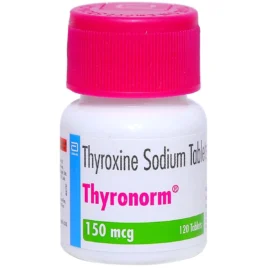

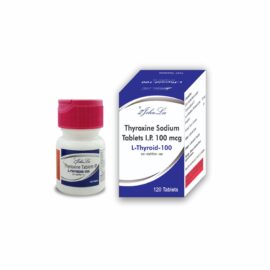
| Strength | 25 mcg, 100 mcg, 125 mcg, 200 mcg |
|---|---|
| Quantity | 100 Tablet/s, 200 Tablet/s, 300 Tablet/s, 600 Tablet/s |
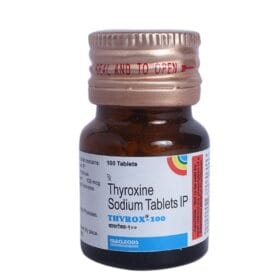 Thyrox
Q & A
Thyrox
Related products














Reviews
There are no reviews yet