








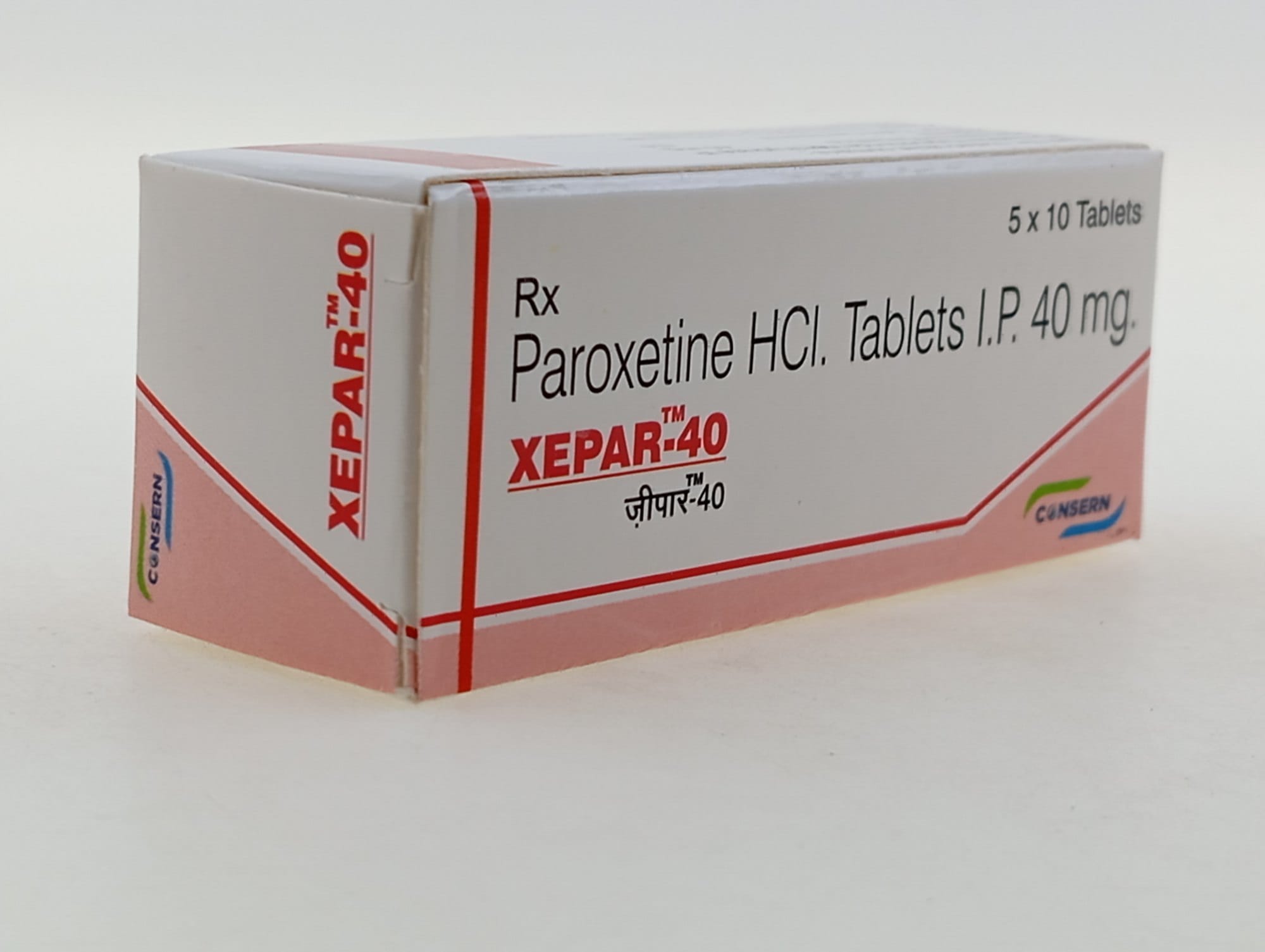
Xepar
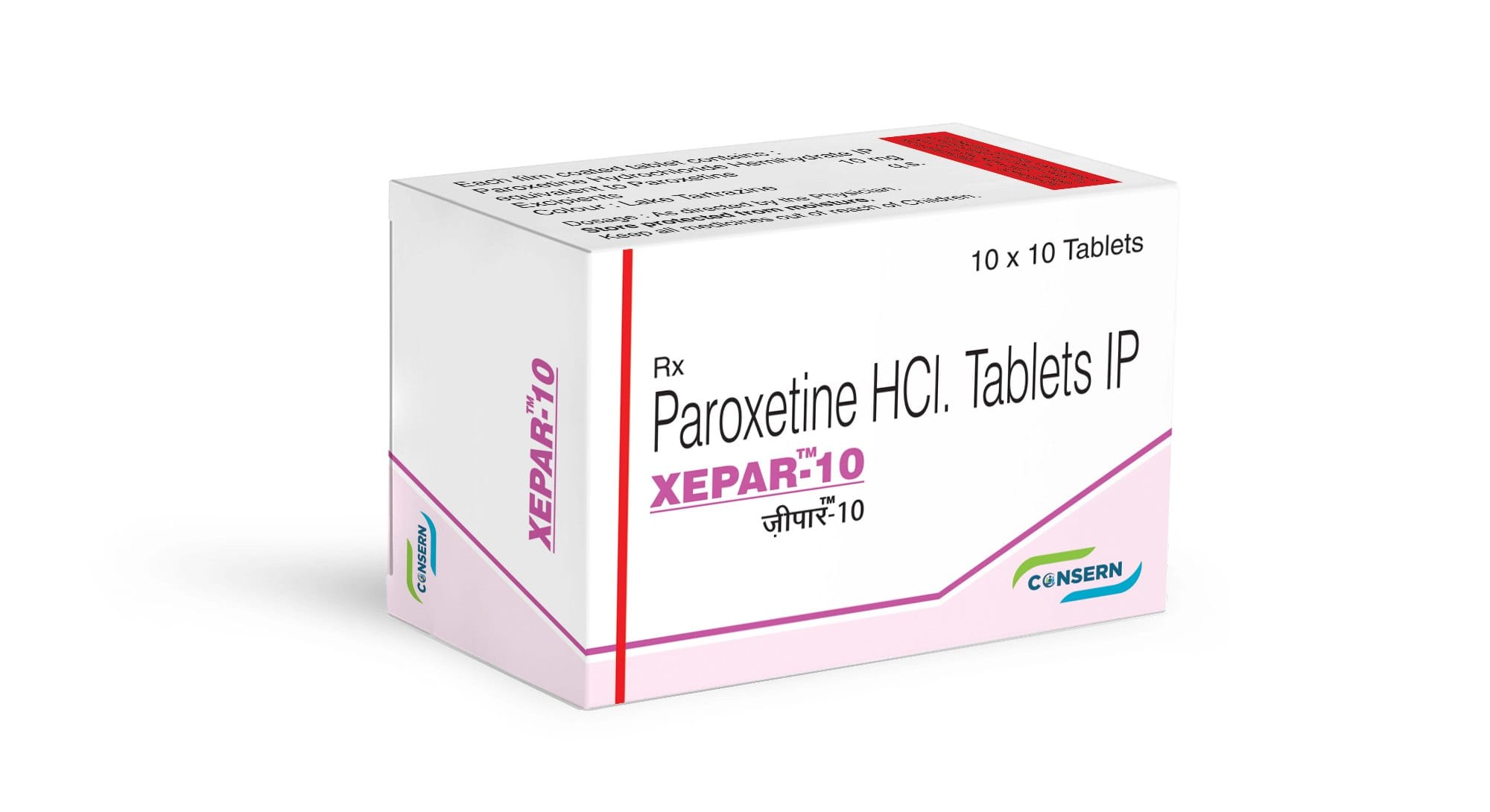
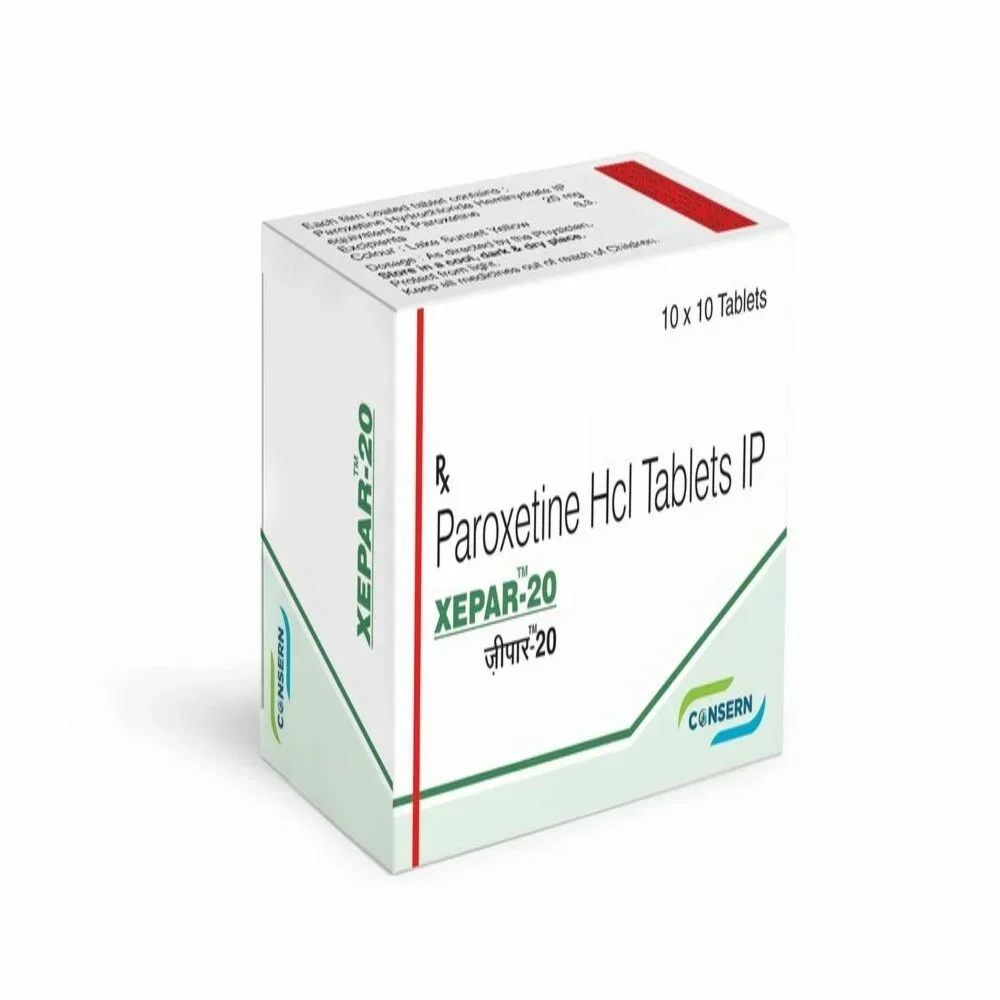
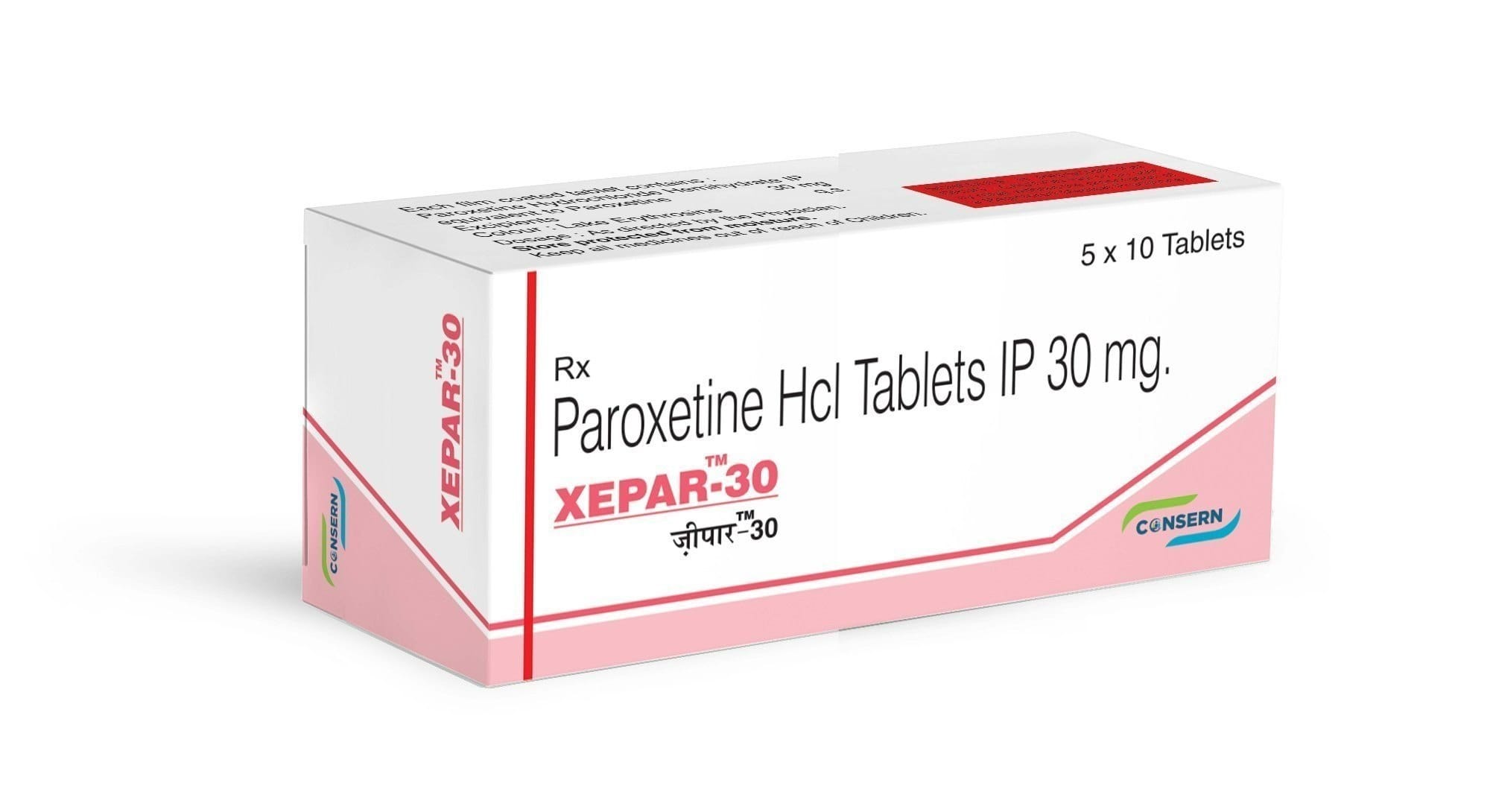


✅ Treats depression
✅ Manages anxiety disorders
✅ Improves mood
✅ Enhances well-being
✅ Regulates serotonin levels
Xepar contains Paroxetine.
✓ Medically reviewed by Morgan Ellis — Pharmacy Researcher · 8 years experience · Last reviewed: May 2026
⚡ Quick Answer — What is Xepar?
Xepar contains paroxetine 20 mg from a WHO-GMP certified manufacturer (Sun Pharma) — the SSRI with the broadest range of FDA-approved anxiety indications (MDD, GAD, social anxiety, panic, OCD, PTSD, PMDD). Standard adult dose: 20 mg once daily in the morning with food (range 10–50 mg/day). Of all SSRIs, paroxetine has the strongest discontinuation syndrome (very short half-life, no active metabolite) — tapering is mandatory; patients should never stop abruptly. Pregnancy category D — not used in pregnancy due to first-trimester cardiac defect signal. Most weight gain and sexual dysfunction of the common SSRIs. Strong CYP2D6 inhibitor — major interactions with metoprolol, codeine, tamoxifen.
📦 Every order is covered by our Reshipment Assurance Policy — if your parcel does not arrive within 20 business days, we reship it.
Why order from MedsBase
Our generic medications are sourced from WHO-GMP certified manufacturers and shipped worldwide in discreet, plain packaging — no medication name on the parcel exterior. Card payments are routed through a regulated processor (statement descriptors include a regulated card-payment processor — never “MedsBase” or any medication name). Crypto and SEPA bank transfer are also accepted. Every order is backed by our Reshipment Assurance Policy.
What Is Xepar?
Xepar is an oral tablet of paroxetine hydrochloride 20 mg manufactured by Sun Pharma. Paroxetine (US brand Paxil; UK brand Seroxat) is an SSRI launched by SmithKline Beecham in 1992 and one of the most-prescribed antidepressants in the 1990s and early 2000s. It potently and selectively blocks the serotonin transporter (SERT) and has the broadest range of FDA-approved indications across the SSRI class.
Approved Indications
- Major depressive disorder (MDD)
- Generalised anxiety disorder (GAD)
- Social anxiety disorder (chronic / generalised)
- Panic disorder — with and without agoraphobia
- Obsessive-compulsive disorder (OCD)
- Post-traumatic stress disorder (PTSD)
- Premenstrual dysphoric disorder (PMDD)
- Off-label: hot flashes (low-dose 7.5 mg paroxetine mesylate is FDA-approved for this; off-label for menopause vasomotor symptoms in women who cannot use HRT)
Dosing
| Indication | Start | Target | Notes |
|---|---|---|---|
| MDD, GAD, social anxiety, PTSD | 20 mg/day in the morning with food | 20–50 mg/day | Increase by 10 mg/day at intervals of at least 1 week |
| Panic disorder | 10 mg/day × 1 week | 40–60 mg/day | Slow up-titration to avoid early panic exacerbation |
| OCD | 20 mg/day | 40–60 mg/day | Often requires upper end of range; 8–12 weeks for assessment |
| PMDD | 12.5–25 mg/day | 25–50 mg/day | Continuous or luteal-phase only dosing |
| Elderly / hepatic impairment | 10 mg/day | Maximum 40 mg/day | Reduce starting dose; titrate slowly |
Side Effects
Side-effect profile
| Frequency | Effect | Notes |
|---|---|---|
| Common | Nausea, dry mouth, constipation, sweating | Anticholinergic burden is mild but more than other SSRIs |
| Common | Sedation | Take at bedtime if drowsy; can help if insomnia is a depressive symptom |
| Common | Sexual dysfunction (delayed orgasm, low libido, erectile difficulty) | Highest of the SSRIs — up to 60% of long-term users |
| Common | Weight gain (3–7+ kg over 6–12 months) | Highest of the SSRIs |
| Common | Dizziness, blurred vision | Anticholinergic |
| Less common | Bruising, GI bleeding | Caution with NSAIDs / anticoagulants |
| Less common | Hyponatraemia (SIADH) | Older adults at risk |
| Rare | Serotonin syndrome | See interactions |
| Rare | Akathisia (restless agitation), suicidal ideation | First weeks of treatment; black-box monitoring |
Discontinuation Syndrome — the Paroxetine Problem
Paroxetine has the shortest half-life of all SSRIs (~21 h) and no active metabolite. This combination produces the worst discontinuation syndrome in the antidepressant class: dizziness, brain zaps, paraesthesia, anxiety, irritability, insomnia, nausea, and headache — often beginning within 24–48 hours of a missed dose. Symptoms can persist for weeks if stopped abruptly.
Mandatory taper: reduce by 10 mg every 2–4 weeks for short-term users; for long-term users (> 1 year), use much slower hyperbolic tapers (e.g. liquid formulation step-downs of 1–2 mg every 2–4 weeks below 10 mg). Never stop paroxetine abruptly outside a hospital setting.
Drug Interactions
Absolute contraindications: MAOIs, linezolid, methylene blue, thioridazine, pimozide. 14-day washout period.
CYP2D6 (strong inhibitor) — clinically meaningful: tamoxifen (reduces conversion to endoxifen — avoid in breast cancer survivors), codeine and tramadol (reduces analgesic activation), metoprolol and other 2D6 beta-blockers (raises plasma levels), atomoxetine, risperidone, aripiprazole (raises levels).
Serotonergic interactions: triptans, tramadol, dextromethorphan, St John’s wort, lithium — serotonin syndrome risk.
Anticoagulants and NSAIDs: increased bleeding risk (especially upper GI).
Pregnancy and Breastfeeding
Pregnancy category D — first-trimester paroxetine exposure has been associated with a small but reproducible signal for fetal cardiac malformations, particularly Ebstein’s anomaly. Paroxetine is not used in pregnancy when alternatives (sertraline, citalopram, escitalopram) are available. Women planning pregnancy should switch antidepressants well in advance.
Breastfeeding: low transfer; sertraline is preferred but paroxetine is reasonable if continuing what worked in pregnancy.
Frequently Asked Questions
How long does Xepar take to work?
Anxiety and panic symptoms often respond within 2–3 weeks; mood response in MDD typically appears at 4–6 weeks. OCD may require 8–12 weeks at higher doses.
Why is paroxetine harder to come off than other SSRIs?
Paroxetine has a very short half-life (about 21 hours) and no active metabolite, so plasma levels drop fast when doses are missed. This produces a sharper withdrawal than longer-half-life SSRIs (sertraline, citalopram) or those with active metabolites (fluoxetine).
Can I switch from Xepar to another SSRI?
Yes — common switch destinations are sertraline (cleaner profile) or escitalopram (better tolerated). Switches usually involve cross-tapering or a paroxetine taper followed by a brief washout. Always done under prescriber direction.
Is Xepar safe in pregnancy?
Paroxetine is generally avoided in pregnancy due to a small first-trimester cardiac defect signal. Women planning pregnancy should switch to sertraline or escitalopram in advance.
Will Xepar cause weight gain?
Yes — paroxetine causes the most weight gain of the SSRIs (commonly 3–7 kg over 6–12 months). This is a significant reason patients switch to sertraline, escitalopram, or bupropion.
Does paroxetine help with menopause hot flashes?
Low-dose paroxetine (7.5 mg paroxetine mesylate, sold as Brisdelle in the US) is FDA-approved for menopausal hot flashes — useful for women who cannot or prefer not to use hormone replacement.
What happens if I miss a dose?
Take it as soon as you remember; if you remember close to the next dose, skip the missed one. Do not double up. Missing more than one dose can produce noticeable withdrawal symptoms within 24–48 hours.
Can Xepar be combined with anti-anxiety medication?
In severe panic disorder, prescribers sometimes overlap a benzodiazepine for the first 2–4 weeks until the SSRI takes effect, then taper the benzodiazepine. This is a short-term bridging strategy, not chronic combination therapy.
How is Xepar different from sertraline?
Both are SSRIs with similar mechanism. Paroxetine has more sedation, more weight gain, more sexual dysfunction, worse discontinuation, and a stronger CYP2D6 interaction profile — but historically a marginally faster anxiety response. Sertraline is the cleaner first choice for most patients.
How should Xepar be stored?
Store at 15–30 °C in the original blister packaging, away from moisture and sunlight. Keep out of reach of children.
Related Alternatives
Other products in Chronic Conditions that customers also view:
More options in Situational Anxiety Treatment
Ranked by recent MedsBase order volume — what other customers in this category are picking.


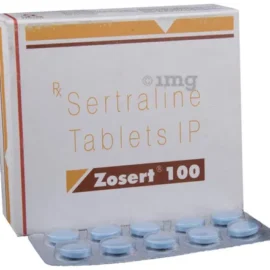
| Strength | 10 mg, 20 mg, 30 mg, 40 mg |
|---|---|
| Quantity | 30 Tablet/s, 60 Tablet/s, 90 Tablet/s, 180 Tablet/s |
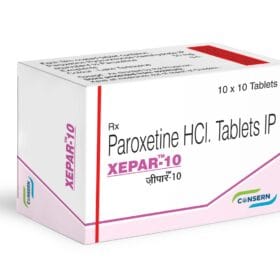 Xepar
Xepar
Q & A
Xepar
Related products









Reviews
There are no reviews yet