








Zosert
✅ Manages depression
✅ Alleviates anxiety symptoms
✅ Enhances mood
✅ Treats obsessive-compulsive disorder
✅ Regulates serotonin levels
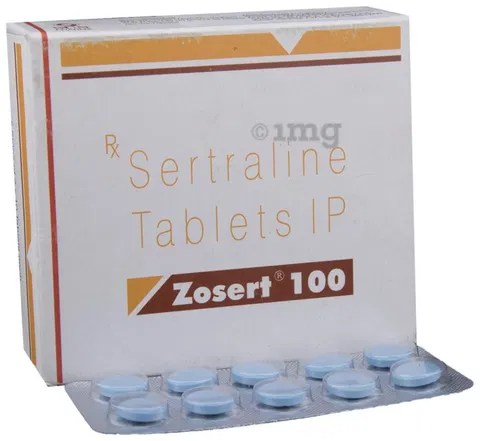
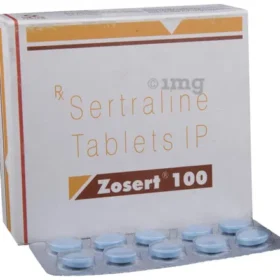
Zosert contains Sertraline.
✓ Medically reviewed by Morgan Ellis — Pharmacy Researcher · 8 years experience · Last reviewed: May 2026
⚡ Quick Answer — What is Zosert?
Zosert contains sertraline hydrochloride (50 mg / 100 mg) from a WHO-GMP certified manufacturer (made by Cipla) — an SSRI with broad evidence across depression and anxiety-spectrum disorders. Standard adult dose: 50 mg once daily with food (range 50–200 mg/day; titrate by 50 mg every 1–2 weeks). Onset is gradual: anxiety/sleep often improve in 1–2 weeks; full mood response at 4–6 weeks. Common early side effects — nausea, loose stools, headache, jitteriness, transient insomnia or somnolence — usually subside within 7–14 days. Persistent: sexual dysfunction (~40%), sweating, and modest weight changes. Sertraline has the cleanest CYP profile of the SSRIs — weaker CYP2D6 inhibition than paroxetine or fluoxetine, making it a sensible choice in patients on multiple medicines.
📦 Every order is covered by our Reshipment Assurance Policy — if your parcel does not arrive within 20 business days, we reship it.
Why order from MedsBase
Our generic medications are sourced from WHO-GMP certified manufacturers and shipped worldwide in discreet, plain packaging — no medication name on the parcel exterior. Card payments are routed through a regulated processor (statement descriptors include a regulated card-payment processor — never “MedsBase” or any medication name). Crypto and SEPA bank transfer are also accepted. Every order is backed by our Reshipment Assurance Policy.
What Is Zosert?
Zosert is an oral tablet of sertraline hydrochloride (50 mg / 100 mg) manufactured by Cipla under WHO-GMP certification. Sertraline (brand name Zoloft in the US, Lustral in the UK) is a selective serotonin reuptake inhibitor (SSRI) launched by Pfizer in 1991 and one of the most-prescribed antidepressants worldwide. It selectively blocks the presynaptic serotonin transporter (SERT), increasing synaptic serotonin available to bind to postsynaptic 5-HT receptors over weeks of treatment.
Sertraline is a first-line treatment recommendation in NICE, APA, and WFSBP guidelines for major depression in adults and the FDA-approved first-line SSRI for paediatric OCD (age ≥ 6).
Approved Indications
- Major depressive disorder (MDD) in adults; sertraline-paroxetine and sertraline-mirtazapine combinations are commonly used in treatment-resistant depression.
- Obsessive-compulsive disorder (OCD) in adults and children aged 6+; doses typically titrated higher than for MDD (100–200 mg/day).
- Panic disorder with or without agoraphobia; start lower (12.5–25 mg) to avoid early panic exacerbation.
- Social anxiety disorder (social phobia) — chronic / generalised type, not performance-only.
- Post-traumatic stress disorder (PTSD) — one of two FDA-approved SSRIs for this indication (with paroxetine).
- Premenstrual dysphoric disorder (PMDD) — can be dosed continuously or only luteal-phase (cycle days 14–28).
Standard Dosing by Indication
| Indication | Start | Target | Titration |
|---|---|---|---|
| MDD, social anxiety, PTSD, PMDD | 50 mg once daily with food | 50–200 mg/day | Increase by 50 mg every 1–2 weeks if tolerated and partial response |
| Panic disorder | 12.5–25 mg/day × 1 week | 50–200 mg/day | Slower up-titration to minimise early jitteriness and panic exacerbation |
| OCD (adult) | 50 mg once daily | 100–200 mg/day | Often requires the upper end of the dose range; allow 8–12 weeks for response assessment |
| OCD (paediatric 6–12 y) | 25 mg once daily | 25–200 mg/day | Up-titrate slowly; weight-based caps in younger children |
| Hepatic impairment | 25 mg once daily | Up to 100 mg with care | Reduced clearance — use the lowest effective dose |
Side Effects
Common, persistent, and rare side effects
| Frequency | Effect | Notes / management |
|---|---|---|
| Common (>10%) | Nausea, diarrhoea, loose stools | Take with food; usually subsides within 1–2 weeks |
| Common | Insomnia or somnolence | Variable — if activating, dose in the morning; if sedating, dose at bedtime |
| Common | Headache, dizziness | Adequate hydration; usually transient |
| Common | Sexual dysfunction (delayed orgasm, reduced libido) | Persistent in up to 40%; consider drug holiday, dose reduction, or switch to bupropion / mirtazapine if intolerable |
| Common | Sweating, dry mouth | Persistent low-grade nuisance |
| Less common | Weight gain (modest, +1–3 kg over months) | Less than paroxetine or mirtazapine |
| Less common | Bruising, GI bleeding | SSRIs reduce platelet serotonin uptake; caution with NSAIDs / anticoagulants |
| Rare | Hyponatraemia (SIADH) | Older adults at greatest risk; check Na+ if confusion or seizure |
| Rare | Serotonin syndrome | See drug interactions section |
| Rare | QT prolongation at high dose | Document baseline ECG in patients with cardiac risk |
Drug Interactions
Absolute contraindications: monoamine oxidase inhibitors (MAOIs) including selegiline, rasagiline, linezolid (an antibiotic with MAOI activity), methylene blue — allow 14 days washout before or after sertraline. Concurrent pimozide is contraindicated due to QT risk.
Serotonin syndrome risk — combine with caution and only under prescriber direction: triptans (sumatriptan, rizatriptan), tramadol, pethidine (meperidine), dextromethorphan, St John’s wort, lithium, other serotonergic antidepressants.
Bleeding risk — combine with caution: NSAIDs, aspirin, warfarin, DOACs — SSRIs reduce platelet serotonin uptake.
Plasma-level shifts: sertraline mildly inhibits CYP2D6 (less than paroxetine / fluoxetine) — modest interaction with metoprolol, codeine, tamoxifen, atomoxetine.
Discontinuation Syndrome
Sertraline has a moderate-half-life (~26 h) — discontinuation symptoms are milder than paroxetine or venlafaxine but real. Symptoms (FINISH mnemonic): Flu-like aches, Insomnia, Nausea, Imbalance / dizziness, Sensory disturbance (the “brain zaps”), Hyperarousal. Typically begin 2–4 days after a missed dose or abrupt stop and resolve in 1–3 weeks. Taper: reduce by 25–50 mg every 2–4 weeks; for long-term users (> 12 months), taper more slowly using hyperbolic step-downs to avoid prolonged withdrawal.
Pregnancy and Breastfeeding
Sertraline is one of the preferred SSRIs in pregnancy when antidepressant treatment is indicated — the largest registry data and ACOG guidance support continued use in moderate-to-severe MDD. Late-third-trimester exposure carries a small risk of neonatal adaptation syndrome (jitteriness, feeding difficulties — usually resolves within 1–2 weeks). Sertraline transfers minimally into breast milk and is the preferred SSRI in breastfeeding.
Choosing Sertraline vs Other SSRIs
Compared with other commonly-used SSRIs
| Drug | Notable strengths | Notable weaknesses |
|---|---|---|
| Sertraline | Cleanest CYP profile; preferred in pregnancy / breastfeeding; broad indications | GI side effects more prominent at start |
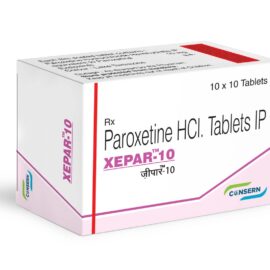
| Paroxetine (Xepar) | Good for GAD and panic; sedating — helpful with insomnia | Worst discontinuation syndrome; weight gain; pregnancy category D |
| Escitalopram | Cleanest tolerability; well-studied for GAD | Dose-dependent QT prolongation; max 20 mg, 10 mg in elderly |
| Fluoxetine | Long half-life cushions discontinuation; activating | CYP2D6 inhibition; takes longer to wash out for switches |
Frequently Asked Questions
How long does Zosert take to work?
Anxiety, sleep, and somatic symptoms often improve within 1–2 weeks. Full mood response in MDD typically appears at 4–6 weeks. OCD often requires 8–12 weeks at the upper dose range. Do not judge effectiveness before 6 weeks at an adequate dose.
Can I stop Zosert once I feel better?
For a first episode of MDD, guidelines recommend continuing for at least 6–9 months after remission. For recurrent MDD or chronic anxiety, longer courses (1–2+ years) are common. Always taper rather than stop abruptly.
Will Zosert cause weight gain?
Sertraline causes only modest weight gain over months — far less than paroxetine or mirtazapine. Some patients lose weight initially due to GI side effects.
Does Zosert cause sexual side effects?
Yes — SSRIs as a class can cause delayed orgasm, reduced libido, and erectile difficulty in around 40% of users. If persistent and bothersome, options include dose reduction, drug holidays (with prescriber input), or switching to bupropion or mirtazapine.
Can I drink alcohol on Zosert?
Light, occasional alcohol is generally tolerated, but alcohol worsens depression and anxiety, increases sedation, and is implicated in disinhibited or impulsive behaviour during the first weeks of treatment. Avoid heavy use.
What happens if I miss a dose?
Take it as soon as you remember unless it is close to the next dose — never double up. Missing a single dose rarely causes problems given sertraline’s 26-hour half-life.
Is Zosert safe in pregnancy?
Sertraline is one of the preferred SSRIs when antidepressant treatment is needed in pregnancy. Discuss benefit and risk individually with the prescriber, especially in the first trimester and around delivery.
Can Zosert be combined with other antidepressants?
Combinations (e.g. with mirtazapine in “California rocket fuel”) are used in treatment-resistant depression but only under prescriber direction. Combining with MAOIs, linezolid, methylene blue, or excessive serotonergic agents (triptans, tramadol, St John’s wort) risks serotonin syndrome.
How is Zosert different from Zosert alternatives like Sertima or Zosert?
All sertraline brands are pharmacologically identical at the molecule level. Brand differences come down to manufacturer, tablet appearance, excipients, and pricing. We supply WHO-GMP certified Indian generics across multiple brand names so customers can pick what is in stock.
How should Zosert be stored?
Store at 15–30 °C in the original blister packaging, away from moisture and direct sunlight. Keep out of reach of children — sertraline overdose, while less dangerous than TCAs, is medically significant.
Related Alternatives
Other products in Chronic Conditions that customers also view:
More options in Situational Anxiety Treatment
Ranked by recent MedsBase order volume — what other customers in this category are picking.


| Strength | 100 mg |
|---|---|
| Quantity | 30 Tablet/s, 60 Tablet/s, 90 Tablet/s, 180 Tablet/s |
 Zosert
Q & A
Zosert
Related products

Reviews
There are no reviews yet