







Rcifax
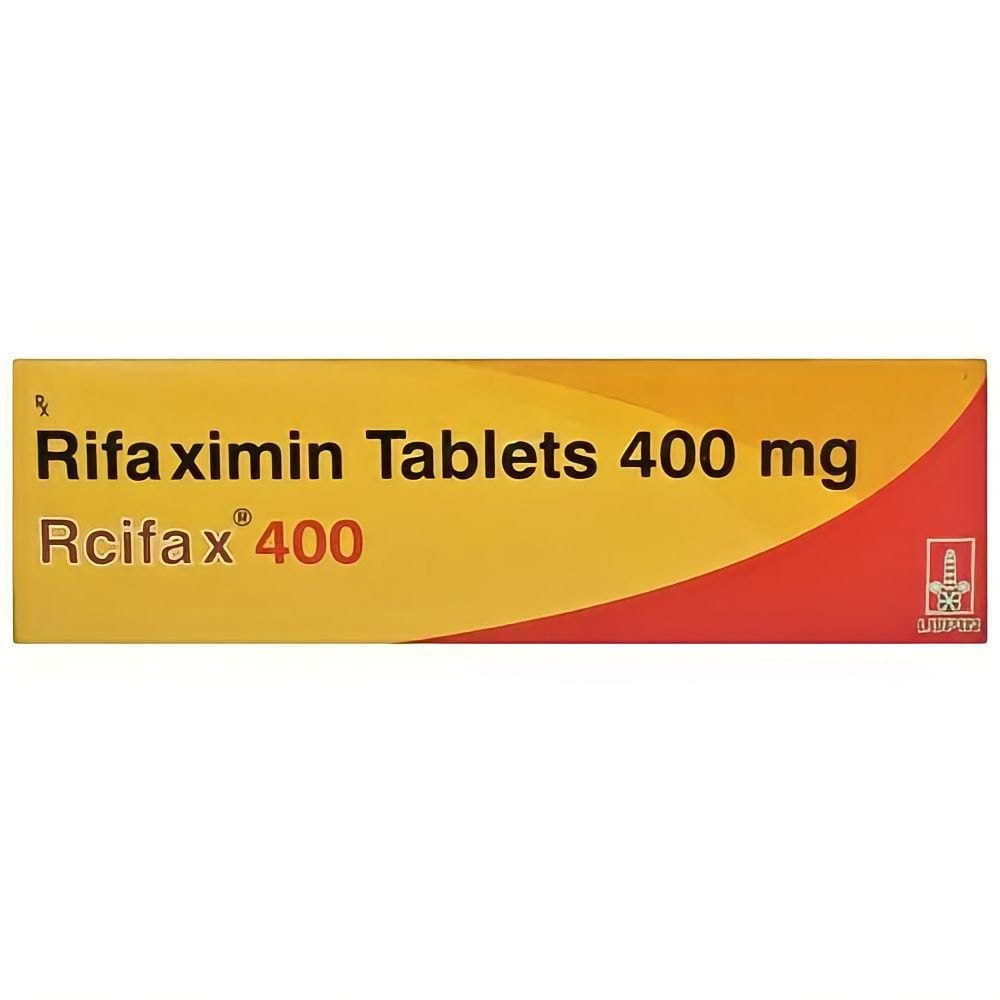
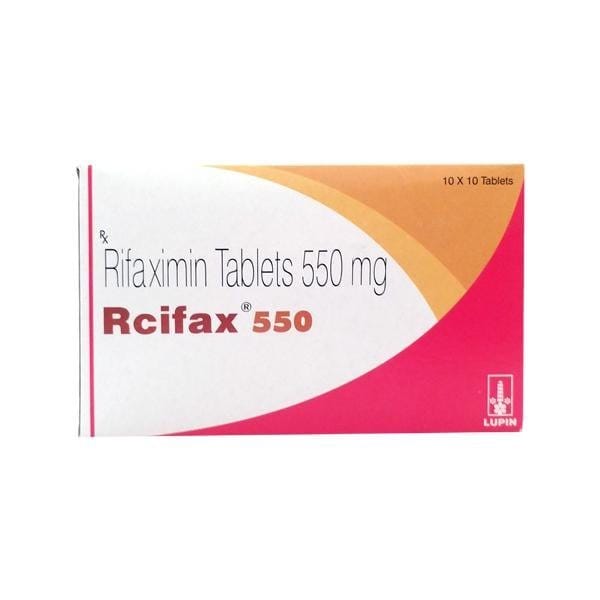


Rcifax (Rifaximin 400 mg or 550 mg) — non-absorbable rifamycin for traveller’s diarrhoea, hepatic encephalopathy prevention, and IBS-D. Less than 0.4 percent systemic absorption. WHO-GMP certified manufacturer. Worldwide shipping from MedsBase.
✓ Medically reviewed by Morgan Ellis — Pharmacy Researcher · 8 years experience · Last reviewed: May 2026
⚡ Quick Answer — What is Rcifax?
Rcifax is rifaximin 400 mg or 550 mg — a non-absorbable rifamycin antibiotic that acts almost entirely within the gut lumen. Three validated indications: traveller’s diarrhoea (non-invasive E. coli), prevention of overt hepatic encephalopathy in cirrhosis, and IBS-D (diarrhoea-predominant irritable bowel). Less than 0.4 percent of an oral dose is absorbed systemically, so off-target side effects, drug interactions, and resistance pressure on commensal bacteria are minimal. WHO-GMP certified manufacturer.
📦 Every order is covered by our Reshipment Assurance Policy — if your parcel does not arrive within 20 business days, we reship it.
Why order from MedsBase
Our generic medications are sourced from WHO-GMP certified manufacturers and shipped worldwide in discreet, plain packaging — no medication name on the parcel exterior. Card payments are routed through a regulated processor (statement descriptors include a regulated card-payment processor — never “MedsBase” or any medication name). Crypto and SEPA bank transfer are also accepted. Every order is backed by our Reshipment Assurance Policy.
Why order from MedsBase
Rcifax is supplied from a WHO-GMP certified manufacturer. Every order ships discreetly worldwide and is covered by our Reshipment Assurance Policy — if it does not arrive within 20 business days, we reship at no cost. Rifaximin is endorsed by AASLD 2021 for hepatic encephalopathy prevention and by ACG 2021 for traveller’s diarrhoea and IBS-D — one of the few antibiotics with strong evidence in functional GI disorders.
Mechanism
Rifaximin binds the β-subunit of bacterial DNA-dependent RNA polymerase (rpoB), inhibiting bacterial RNA synthesis. Spectrum covers Gram-positive and Gram-negative aerobes and anaerobes including E. coli, Shigella, Salmonella, Campylobacter, and many enteric anaerobes. Because absorption is < 0.4 percent of the oral dose, the drug acts effectively only on intra-luminal organisms.
Indications & doses
| Indication | Dose | Duration |
|---|---|---|
| Traveller’s diarrhoea (non-invasive) | 200–400 mg three times daily | 3 days |
| Hepatic encephalopathy — prevention | 550 mg twice daily | Long-term, with lactulose |
| IBS-D | 550 mg three times daily | 14 days; can be re-dosed up to 2 more times if symptoms recur |
| Small-intestinal bacterial overgrowth (SIBO) | 550 mg three times daily | 14 days (off-label) |
| Diverticulitis (mild) | 400 mg twice daily | 7 days (off-label, with diet) |
When it is NOT the right drug
- Invasive enteric infection (fever, bloody stool, severe systemic illness) — needs ciprofloxacin or azithromycin systemically.
- Pseudomembranous colitis (C. difficile) — oral vancomycin or fidaxomicin is first-line; rifaximin has limited evidence as a relapse-prevention adjunct.
- Suspected typhoid — needs systemic antibiotic.
- Suspected appendicitis / cholangitis / pyelonephritis — needs systemic.
Side effects
- Gastrointestinal: nausea, abdominal pain, flatulence (mostly mild)
- Headache, dizziness
- Peripheral oedema (with HE-prevention long courses)
- C. difficile-associated diarrhoea (rare; the gut-selective profile reduces but does not eliminate this risk)
- Hypersensitivity reactions (rare): rash, urticaria, anaphylaxis
- Cross-reactivity with rifampicin/rifabutin in patients with rifamycin allergy
Drug interactions
Rifaximin’s very low systemic absorption means clinically significant interactions are unusual. However:
- P-gp inhibitors (cyclosporin) raise the small absorbed fraction.
- Warfarin: isolated reports of INR change — check INR if used concurrently.
- Combined OC pill: oral contraceptive efficacy is theoretically reduced if rifaximin causes severe diarrhoea (transit time effect).
Frequently Asked Questions
How quickly does it work in traveller’s diarrhoea?
Symptom improvement is usually within 24–48 hours. The 3-day course is sufficient for non-invasive E. coli, the most common cause. If symptoms are severe (fever, bloody stool) or do not improve in 48 hours, change to systemic antibiotic.
Does it cure IBS?
No. Rifaximin reduces IBS-D symptoms in about 40 percent of patients; benefit lasts 10–12 weeks. It can be repeated if symptoms recur. It is not a cure but a useful symptomatic intervention.
Why do I need lactulose with it for hepatic encephalopathy?
Lactulose acidifies the colon and ion-traps ammonia. Rifaximin reduces ammonia-producing bacteria. The two work synergistically; combination therapy reduces HE recurrence by ~60 percent versus lactulose alone.
Can I drink alcohol on it?
There is no disulfiram-like interaction. However, traveller’s diarrhoea recovery and HE prevention both benefit from minimal alcohol intake.
Is it safe in pregnancy?
Category C. Used in pregnancy when the indication justifies it (HE in pregnant cirrhotic) under specialist advice. Discuss with obstetric prescriber.
How is it different from rifampicin?
Same drug-class binding target but rifampicin is highly absorbed (oral bioavailability ~90 percent) and used systemically for tuberculosis, leprosy, and meningococcal prophylaxis — with significant CYP3A4/2C19 induction and CYP-driven interactions. Rifaximin is gut-restricted with negligible systemic effect.
Will it disrupt my normal gut bacteria?
Yes, but transiently. The gut microbiome typically recovers within 2–4 weeks. Probiotics during and after the course may shorten recovery (modest evidence).
Is resistance a concern?
Rifaximin resistance can develop in enteric bacteria with repeated courses but the impact on systemic rifamycin use (rifampicin for TB, rifabutin for HIV) is limited because rifaximin is not used systemically. Still, avoid casual repeat courses.
Storage
Below 30°C, dry place. Keep blister sealed until use.
What if I miss a dose?
Take it as soon as you remember unless close to the next dose. Do not double up. Try to keep the schedule consistent.
Other Gastro Health Medications
- Rifagut — Rifaximin (alternate brand)
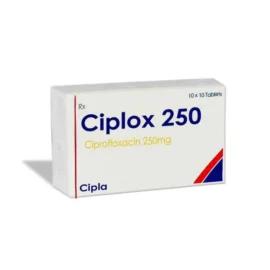
- Ciplox — Ciprofloxacin (systemic option for invasive enteric infection)
- Synclar — Clarithromycin (H. pylori)
- Cendox — Doxycycline
- Colospa — Mebeverine (IBS antispasmodic)
- Browse all Gastro Health Medications
More options in Gastro Health
Ranked by recent MedsBase order volume — what other customers in this category are picking.


| Strength | 400 mg, 550 mg |
|---|---|
| Quantity | 30 Tablet/s, 60 Tablet/s, 90 Tablet/s, 180 Tablet/s |
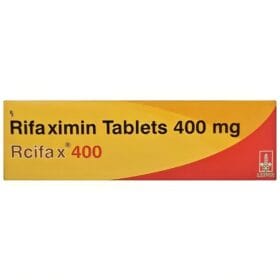 Rcifax
Q & A
Rcifax
Related products





Reviews
There are no reviews yet