








Atomoxet
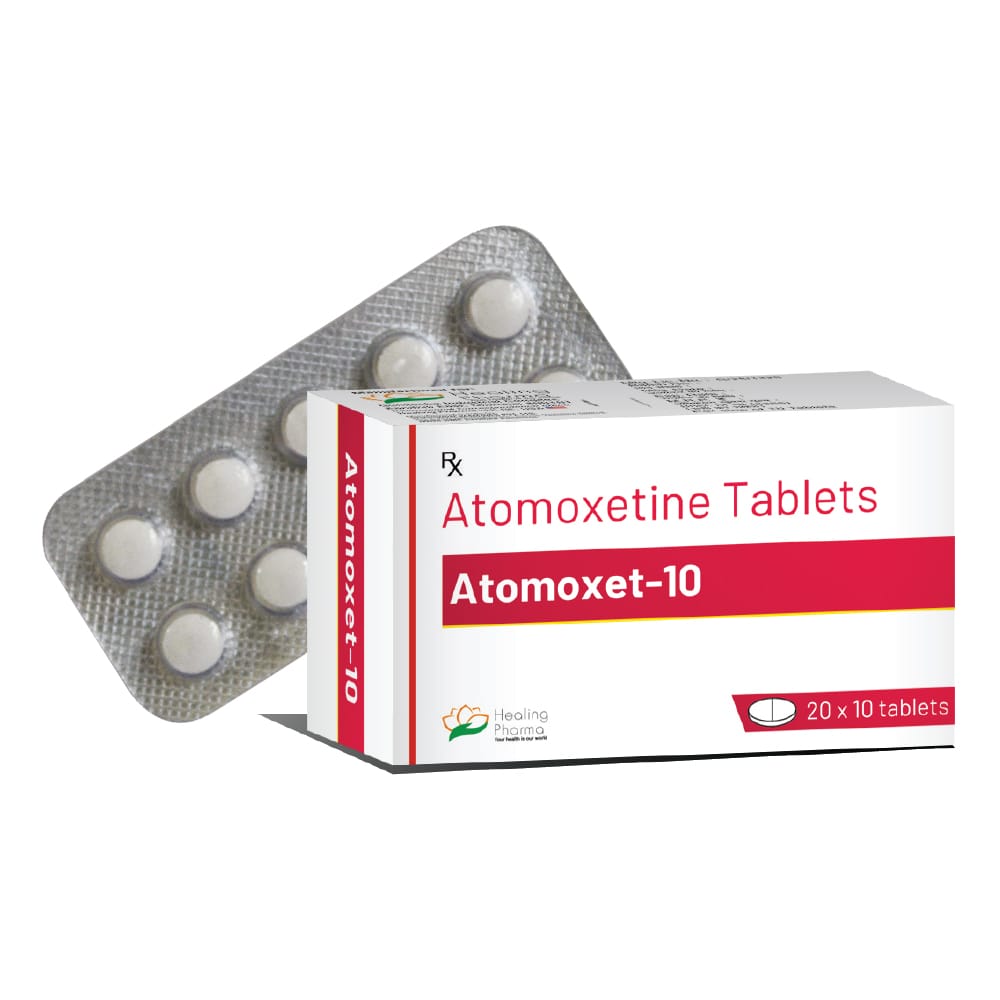
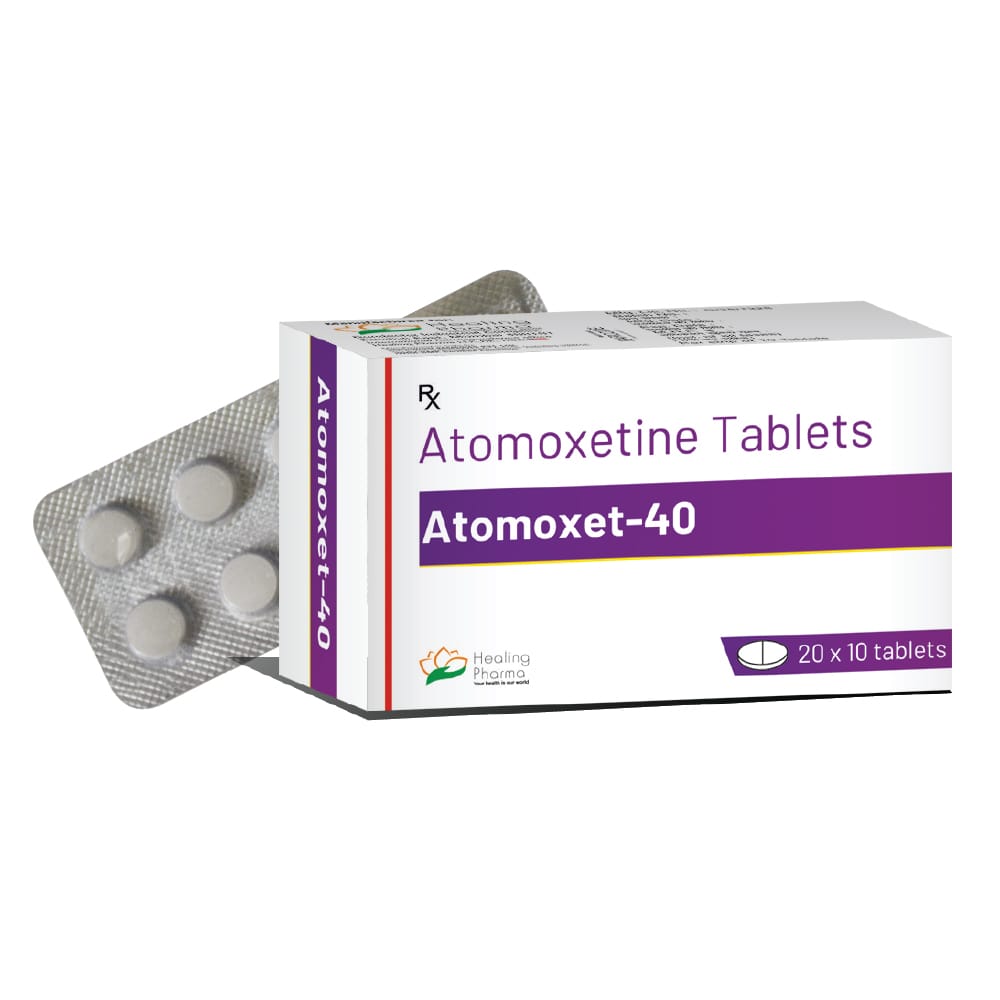
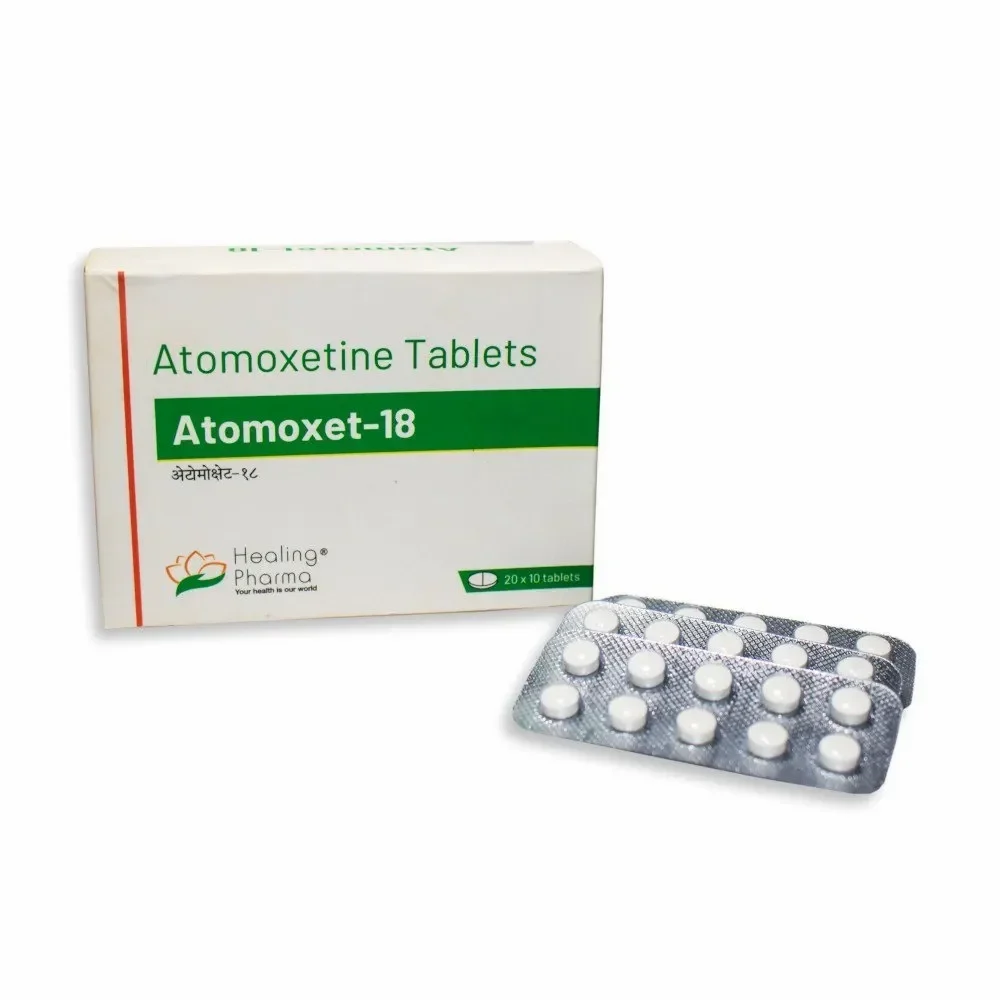
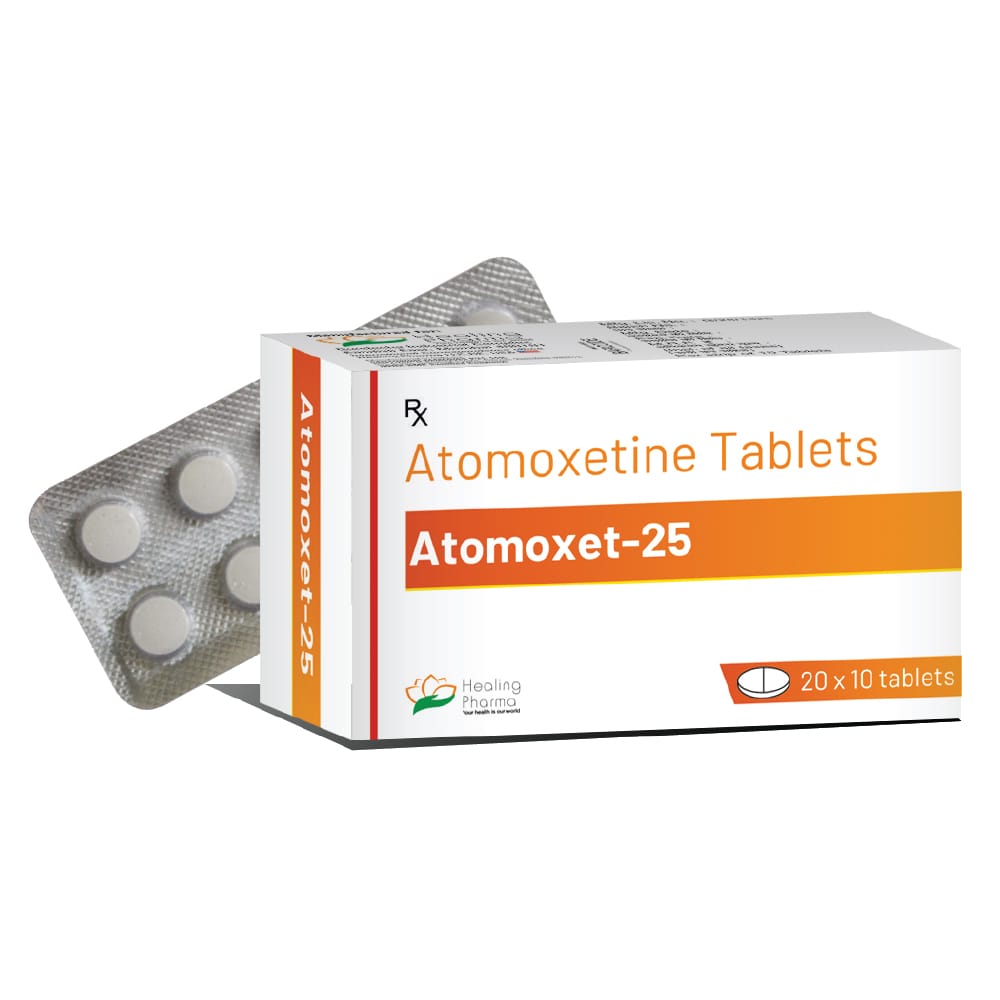


Atomoxet (Atomoxetine 10–80 mg) — selective NA reuptake inhibitor (NRI) for ADHD in children, adolescents and adults. non-stimulant, non-controlled — slow onset 2–4 weeks.
✓ Medically reviewed by Morgan Ellis — Pharmacy Researcher · 8 years experience · Last reviewed: May 2026
⚡ Quick Answer
Atomoxet (Atomoxetine 10 / 18 / 25 / 40 / 60 / 80 mg) is a selective noradrenaline reuptake inhibitor for ADHD in children, adolescents, and adults. Non-stimulant — no abuse potential, no controlled-substance scheduling. Useful when stimulants are unsuitable, ineffective, or contraindicated.
📦 Every order is covered by our Reshipment Assurance Policy — if your parcel does not arrive within 20 business days, we reship it.
Why order from MedsBase
Atomoxet at MedsBase is supplied directly from a WHO-GMP certified manufacturer in plain, discreet packaging. Every order is covered by our Reshipment Assurance Policy — 20-business-day arrival window or we reship at no charge — and qualifies for our customer loyalty programme. Worldwide shipping is available to most destinations.
What Atomoxet is and how it works
Atomoxet is a 10 / 18 / 25 / 40 / 60 / 80 mg atomoxetine capsule supplied by Intas. Atomoxetine selectively inhibits the noradrenaline reuptake transporter (NET), increasing synaptic noradrenaline and — indirectly via cortical NA-DA crosstalk — frontal-cortex dopamine, without affecting striatal dopamine. The latter is what differentiates atomoxetine from stimulants: no euphoria, no abuse potential, no controlled-substance scheduling.
Stimulants work within 30–60 minutes of the first dose. Atomoxetine takes 2–4 weeks for initial response and 8–12 weeks for full effect. Patients (and parents) expecting stimulant-like immediate change will be disappointed and discontinue. Set the expectation at initiation.
Indications and dosing
| Patient | Starting | Target | Max |
|---|---|---|---|
| Children & adolescents ≤ 70 kg | 0.5 mg/kg/day × 3 d | 1.2 mg/kg/day | 1.4 mg/kg or 100 mg |
| Children & adolescents > 70 kg | 40 mg OD × 3 d | 80 mg OD | 100 mg OD |
| Adults | 40 mg OD × 7 d | 80 mg OD | 100 mg |
| Strong CYP2D6 inhibitor / poor metaboliser | 0.5 mg/kg or 40 mg | 0.5 × normal target | by tolerability |
Can be given once daily morning or split BID (morning + late afternoon — avoid evening because of insomnia).
Important safety considerations
Atomoxetine carries an FDA black-box warning for increased suicidal ideation in children and adolescents, particularly in the first month and at dose changes. Monitor closely for behaviour change in paediatric patients on initiation.
Rare cases of severe hepatic injury have been reported. Stop immediately if jaundice, dark urine, RUQ pain, fatigue, or unexplained nausea appear. Do not restart after definite hepatic injury.
Atomoxetine produces small mean increases in BP (+2 mmHg) and HR (+5 bpm). Greater rises occasionally seen in adults. Check BP and HR at baseline, at each dose change, and at follow-up. Avoid in serious cardiac structural abnormality, severe cardiovascular disease, or pheochromocytoma.
Mild reductions in growth velocity reported in children on atomoxetine — usually catch up over time. Plot height and weight at every visit.
Common side effects
- GI: nausea, vomiting, abdominal pain, decreased appetite, dyspepsia — most prominent first 1–2 weeks.
- CNS: headache, somnolence or insomnia, dizziness, mood lability.
- Cardiovascular: small BP and HR rise.
- Sexual: erectile difficulty, ejaculation disorders in adult men.
- GU: urinary hesitancy.
- Distinctive negatives: no abuse potential, no euphoria, no rebound, no tics. Useful when stimulants worsen tics or anxiety.
Drug interactions
- MAOIs — absolute contraindication; 14-day washout each direction.
- Strong CYP2D6 inhibitors (paroxetine, fluoxetine, bupropion, quinidine) — significantly raise atomoxetine levels; halve dose or switch.
- Pressor agents / other sympathomimetics — additive cardiovascular effects.
- Other QT-prolonging drugs — small additive risk.
Pregnancy, breastfeeding, paediatric
Pregnancy category C — limited data. Breastfeeding: insufficient data. Paediatric: licensed from age 6, with the suicidality black-box.
Storage
Store at 15–30 °C in original packaging.
Frequently Asked Questions
How is Atomoxet different from a stimulant?
Atomoxetine is non-stimulant, non-controlled, with no abuse potential and no euphoria. The trade-off: slower onset (weeks rather than minutes), generally smaller effect size in trials, and a different side-effect profile (more GI, less appetite suppression, less insomnia, no rebound).
How long until Atomoxet works?
Some response by week 2–4; full effect at 8–12 weeks. If there is no response after 12 weeks at 1.2–1.4 mg/kg or 80–100 mg, switch.
Can Atomoxet be used with a stimulant?
Yes — combination is described under specialist supervision when monotherapy is partial. Cardiovascular monitoring is more important.
Why doesn’t Atomoxet need refrigeration or controlled-substance dispensing?
Atomoxetine is not a controlled substance in any major jurisdiction — no scheduling, no special prescription, no pharmacy storage requirements. This makes it convenient for travel and for patients in workplaces with drug-testing regimes (it does not produce stimulant metabolites on standard urine screens).
Will Atomoxet affect appetite or weight?
Mild appetite suppression — much less than stimulants. Most adults and children maintain normal weight; mild weight loss in some.
Can Atomoxet be taken in the morning only?
Yes — once-daily morning dosing is the most common pattern. The pharmacokinetic half-life is approximately 5 hours but the clinical effect persists much longer because of receptor-level changes. Some patients prefer split BID dosing for symptom coverage; clinician choice.
Can Atomoxet cause sexual side effects?
Yes — particularly in adult men, ejaculation disorders and erectile dysfunction are reported in 5–10%. Less common than SSRIs.
Can Atomoxet be used in adults with anxiety?
Useful when ADHD coexists with anxiety — atomoxetine’s noradrenergic action can be either anxiolytic (long-term) or anxiogenic (initial weeks). Stimulants tend to worsen anxiety, atomoxetine often does not.
Can I stop Atomoxet abruptly?
Yes — atomoxetine has minimal withdrawal because of its short half-life. Most patients stop directly without taper.
Will Atomoxet show up on drug tests?
No — atomoxetine does not produce stimulant metabolites and does not show on standard amphetamine or methylphenidate workplace screens.
Other Mental Health Medications
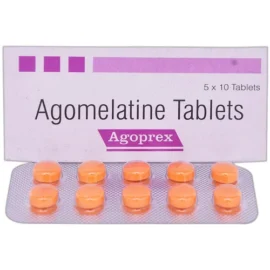
- Agoprex (Agomelatine — adult comorbid depression)
- Lexaheal (Escitalopram — comorbid anxiety)
- Bupron XL (Bupropion — NDRI; off-label ADHD adjunct)
- Flunil (Fluoxetine SSRI)
- Mirtaz (Mirtazapine NaSSA)
More options in Mental Health and Psychiatric Medications
Ranked by recent MedsBase order volume — what other customers in this category are picking.
| Strength | 10 mg, 18 mg, 25 mg, 40 mg |
|---|---|
| Quantity | 30 Tablet/s, 60 Tablet/s, 90 Tablet/s, 180 Tablet/s |
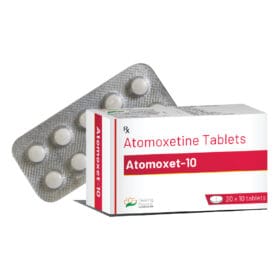 Atomoxet
Q & A
Atomoxet
Related products


Reviews
There are no reviews yet