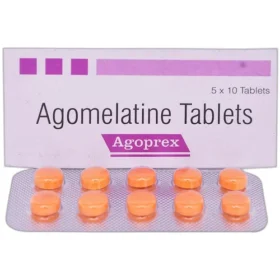
Αγκοπρέξ

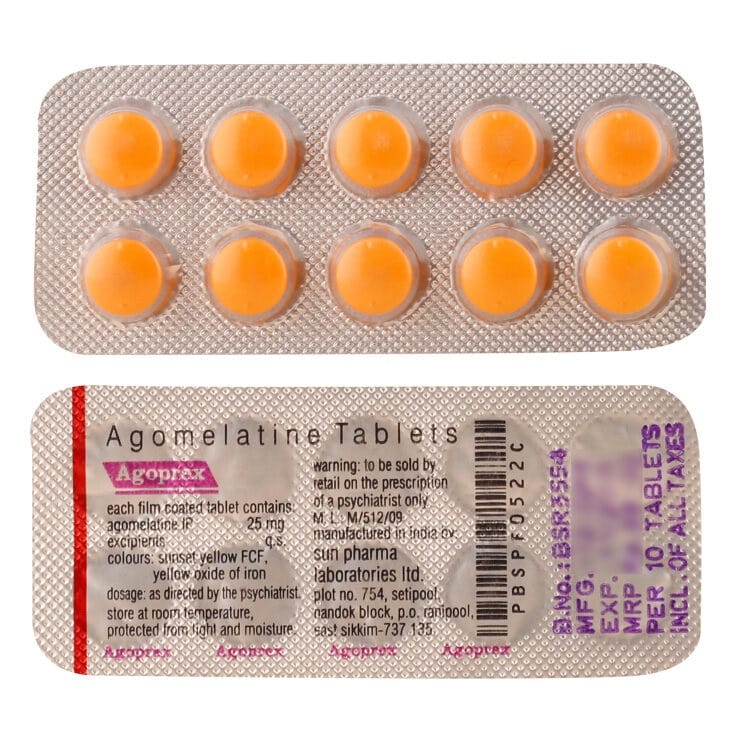
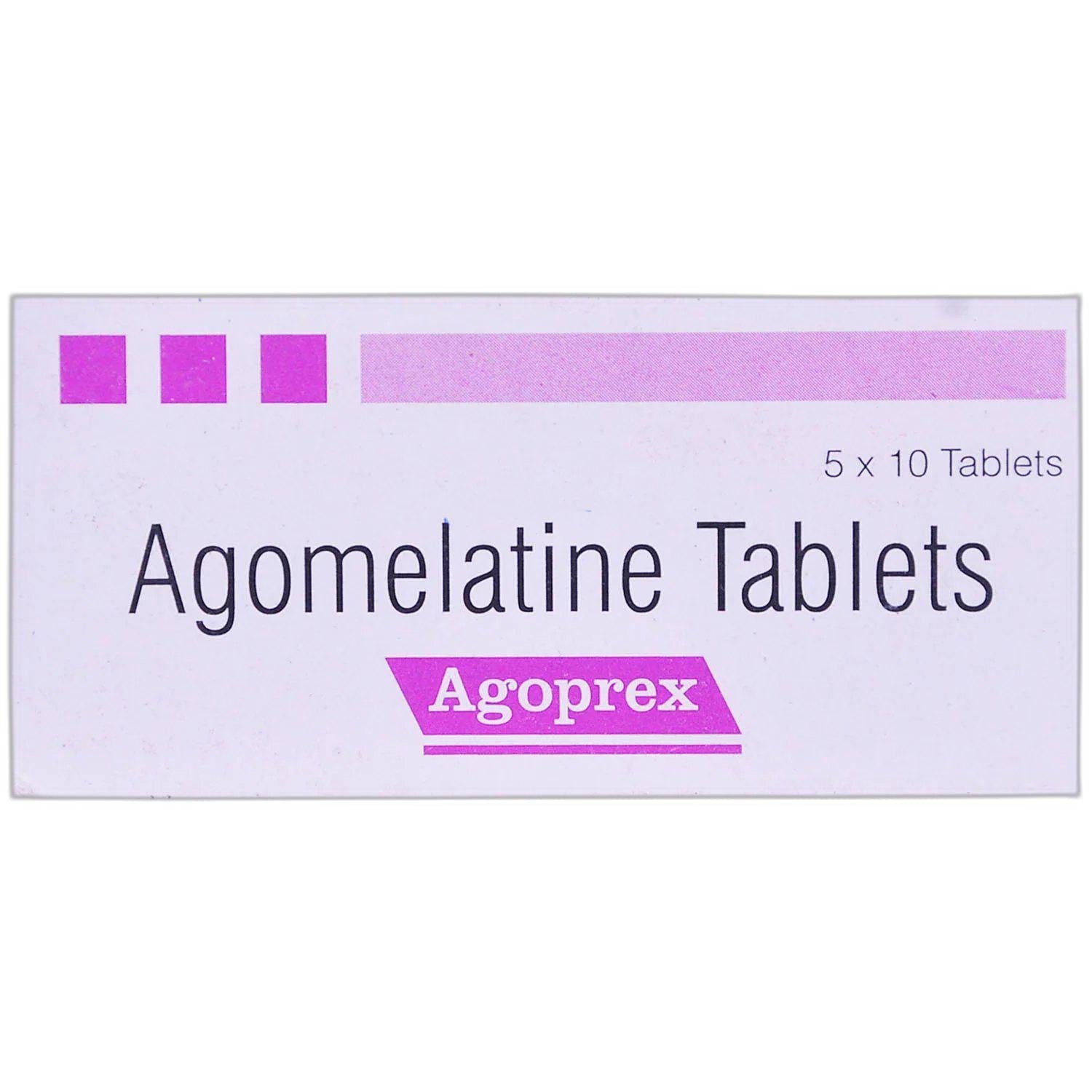


Agoprex (Agomelatine 25 mg) — αγωνιστής μελατονίνης MT1/MT2 για μείζονα κατάθλιψη με διαταραχή βιολογικού ρυθμού. χωρίς σεξουαλική δυσλειτουργία, χωρίς αύξηση βάρους — απαιτεί παρακολούθηση ηπατικών ενζύμων.
✓ Ιατρικά ελεγμένο από Morgan Ellis — Ερευνητής Φαρμακευτικής · 8 χρόνια εμπειρία · Τελευταία αναθεώρηση: Μάιος 2026
⚡ Γρήγορη Απάντηση
Agoprex (Agomelatine 25 mg) είναι αγωνιστής υποδοχέων μελατονίνης MT1/MT2 και ανταγωνιστής 5-HT2C για μείζονα κατάθλιψη. Ιδιαίτερο προφίλ: χωρίς σεξουαλική δυσλειτουργία, χωρίς αύξηση βάρους, χωρίς σύνδρομο διακοπής, αλλά με υποχρεωτική παρακολούθηση ηπατικών ενζύμων.
📦 Κάθε παραγγελία καλύπτεται από την Πολιτική Εγγύησης Επαναποστολής — εάν το δέμα σας δεν φτάσει εντός 20 εργάσιμων ημερών, το επαναποστέλλουμε.
Γιατί να παραγγείλετε από τη MedsBase
Το Agoprex στο MedsBase παρέχεται απευθείας από έναν κατασκευαστή που έχει πιστοποίηση WHO-GMP σε απλή, διακριτική συσκευασία. Κάθε παραγγελία καλύπτεται από την Πολιτική Εγγύησης Επαναποστολής — παράθυρο άφιξης 20 εργάσιμων ημερών ή επαναποστολή χωρίς χρέωση — και δικαιούται συμμετοχή στο πρόγραμμα αφοσίωσης πελατών. Διατίθεται παγκόσμια αποστολή στις περισσότερες προορισμούς.
Τι είναι το Agoprex και πώς λειτουργεί
Το Agoprex είναι δισκίο αγομελατίνης 25 mg που παρέχεται από τη Sun Pharma. Η αγομελατίνη είναι μηχανιστικά μοναδική μεταξύ των αντικαταθλιπτικών: δρα ως αγωνιστής στους υποδοχείς μελατονίνης MT1 και MT2 και ως ανταγωνιστής στους υποδοχείς σεροτονίνης 5-HT2C. Ο διπλός μηχανισμός επανασυγχρονίζει διαταραγμένους κιρκάδιους ρυθμούς (χαρακτηριστικό της μείζονος κατάθλιψης) ενώ αυξάνει έμμεσα την απελευθέρωση ντοπαμίνης και νοραδρεναλίνης στον προμετωπιαίο φλοιό.
Η αγομελατίνη δεν έχει δραστηριότητα SERT, δεν έχει αντικολινεργικές επιδράσεις και δεν έχει ισταμινεργικές επιδράσεις — γεγονός που εξηγεί το πολύ διαφορετικό προφίλ παρενεργειών της σε σύγκριση με τα SSRI και τα TCA.
Ενδείξεις και δοσολογία
| Ενδείξεις | Εκκίνηση | Στόχος | Μέγιστο |
|---|---|---|---|
| Μείζων κατάθλιψη | 25 mg HS | 25 mg HS | 50 mg HS |
| Ηλικιωμένοι / ανησυχία για ηπατική δυσλειτουργία | 25 mg μόνο το βράδυ | — | μην αυξάνετε τη δόση |
Πάντα λαμβάνεται το βράδυ (κορύφωση σε 1 ώρα, ημιζωή 1–2 ώρες, αλλά η επίδραση στους υποδοχείς για τον κιρκάδιο ρυθμό απαιτεί βραδινή χορήγηση).
Σημαντικές ασφαλιστικές εκτιμήσεις
Η αγομελατίνη παρουσιάζει κλινικά σημαντικό σήμα ηπατικής τοξικότητας — συμπεριλαμβανομένων σπάνιων περιπτώσεων πυρενοειδούς ηπατίτιδας. Υποχρεωτική παρακολούθηση ηπατικών ενζύμων αρχικά, στη συνέχεια στις 3, 6, 12 και 24 εβδομάδες, και μετά σε κάθε αύξηση δόσης. Διακοπή άμεσα εάν AST ή ALT > 3× ULN, ή εάν ίκτερος, σκούρα ούρα, πόνος στην δεξιά υπχωριακή περιοχή ή κόπωση υποδηλώνουν ηπατική βλάβη. Αντενδεικνύεται σε οποιαδήποτε προϋπάρχουσα ηπατική δυσλειτουργία (Child-Pugh B ή C), σε τρανσαμινάσεις > 3× ULN κατά τη βασική αξιολόγηση, και σε έντονη κατανάλωση αλκοόλ.
Αποφύγετε την ταυτόχρονη χρήση φλουβοξαμίνης, κυπροφλοξασίνης, ενοξασίνης — αυξάνουν τα επίπεδα αγομελατίνης πολλαπλάσια. Η διακοπή του καπνίσματος μπορεί να αυξήσει τα επίπεδα (το CYP1A2 επάγεται από το κάπνισμα).
Όλα τα αντικαταθλιπτικά φέρουν προειδοποίηση μαύρου πλαισίου από τον FDA για αυξημένη αυτοκτονική ιδέα σε ασθενείς κάτω των 25 ετών.
Συχνές παρενέργειες
- Συχνές: κεφαλαλγία, ζάλη, υπνηλία, ναυτία, κοιλιακός πόνος — συνήθως ήπιες και παροδικές.
- Ηπατικές: παροδική αύξηση AST/ALT (3–5%); σπάνια κλινικά σημαντική ηπατίτιδα.
- Χαρακτηριστικά αρνητικά: καμία σεξουαλική δυσλειτουργία, καμία αύξηση βάρους, κανένα σημαντικό σύνδρομο διακοπής — σημαντικά πλεονεκτήματα.
- Άλλα: υπερίδρωση, άγχος κατά την έναρξη, παράδοξα αϋπνία σε ορισμένους ασθενείς.
Εγκυμοσύνη, θηλασμός, παιδιατρική
Εγκυμοσύνη: περιορισμένα δεδομένα· όχι πρώτη γραμμή. Θηλασμός: ανεπαρκή δεδομένα. Παιδιατρική: δεν εγκρίνεται <18 ετών.
Αποθήκευση
Αποθηκεύστε σε θερμοκρασία 15–30 °C στην αρχική συσκευασία.
Συχνές Ερωτήσεις
Γιατί η χορήγηση του Agoprex πριν τον ύπνο;
Η δράση του αγομελατίνης στην επαναφορά του κιρκάδιου ρυθμού είναι χρονικά προγραμματισμένη: η βραδινή χορήγηση ευθυγραμμίζει τη μετατόπιση φάσης της μελατονίνης με την κανονική έναρξη του ύπνου. Η πρωινή χορήγηση μειώνει το χρονοβιολογικό όφελος και σχετίζεται με χειρότερη αντικαταθλιπτική απόκριση σε κλινικές δοκιμές.
Γιατί το Agoprex απαιτεί παρακολούθηση της λειτουργίας του ήπατος (LFT);
Περίπου 3–5% των ασθενών παρουσιάζουν αύξηση των τρανσαμινάσεων και έχουν αναφερθεί σπάνιες περιπτώσεις σοβαρής ηπατίτιδας. Το πρόγραμμα παρακολούθησης (αρχικά, 3, 6, 12, 24 εβδομάδες και μετά από αύξηση δόσης) εντοπίζει ηπατική βλάβη πριν γίνει κλινικά επικίνδυνη. Η παράλειψη των LFT δεν είναι ασφαλής.
Προκαλεί το Agoprex σεξουαλική δυσλειτουργία;
Όχι — αυτό είναι ένα από τα πιο σημαντικά διακριτικά χαρακτηριστικά του Agoprex. Οι ποσοστές σεξουαλικής δυσλειτουργίας σε δοκιμές είναι παρόμοιοι με το εικονικό φάρμακο, σημαντικά χαμηλότεροι από τα SSRI.
Προκαλεί το Agoprex αύξηση βάρους;
Όχι — είναι ουδέτερο έως ελαφρώς αδυνατιστικό σε δοκιμές. Χρήσιμο για ασθενείς που απέρριψαν τα SSRI λόγω ανησυχιών για αύξηση βάρους.
Πόσο χρόνο χρειάζεται το Agoprex για να αρχίσει να δρα;
Μερικοί ασθενείς παρατηρούν βελτιώσεις στον ύπνο και την ενέργεια εντός 1–2 εβδομάδων (συνεπή με τη δράση της μελατονίνης). Η αντικαταθλιπτική επίδραση αναπτύσσεται σε 4–6 εβδομάδες. Αξιολογήστε ξανά στις 6 εβδομάδες.
Μπορώ να διακόψω το Agoprex απότομα;
Το σύνδρομο διακοπής είναι ελάχιστο λόγω του πολύ μικρού χρόνου ημιζωής της αγομελατίνης (1–2 ώρες) — δεν υπάρχει συσσώρευση φαρμάκου στο πλάσμα που να απαιτεί σταδιακή μείωση. Οι περισσότεροι ασθενείς μπορούν να το διακόψουν άμεσα χωρίς συμπτώματα στέρησης, αν και κάποιοι κλινικοί μειώνουν τη δόση από επιφύλαξη.
Μπορώ να πίνω αλκοόλ με το Agoprex;
Η βαριά κατανάλωση αλκοόλ είναι αντενδεικνυόμενη λόγω της πρόσθετης ηπατοτοξικότητας. Το ελαφρύ/μέτριο αλκοόλ συνήθως ανέχεται, αλλά ο συνδυασμός δεν είναι σκόπιμος σε ασθενείς με αυξημένα αρχικά LFT.
Πώς διαφέρει το Agoprex από ένα υπνωτικό χάπι;
Το Agoprex δεν είναι υπνωτικό. Είναι ένα αντικαταθλιπτικό που βελτιώνει τον ύπνο μέσω της κανονικοποίησης του κιρκαδικού ρυθμού. Δεν προκαλεί νωθρότητα την επόμενη ημέρα, δεν έχει δυνατότητα κατάχρησης και η επίδραση στον ύπνο είναι μέρος μιας γενικότερης βελτίωσης της διάθεσης και της ενέργειας, παρά μιας πρωτογενής καταστολής.
Θα αλληλεπιδράσει το Agoprex με συμπληρώματα μελατονίνης;
Θεωρητική προσθετική δράση στους υποδοχείς MT1/MT2, αλλά δεν προκαλεί κλινικά προβλήματα σε τυπικές δόσεις συμπληρωμάτων μελατονίνης. Οι περισσότεροι κλινικοί γιατροί αποφεύγουν τον συνδυασμό επειδή δεν υπάρχει όφελος.
Τι γίνεται αν χάσω μια δόση;
Παραλείψτε και πάρτε την επόμενη δόση στη συνήθη βραδινή ώρα. Μην πάρετε διπλή δόση. Ο σύντομος χρόνος ημιζωής της αγομελατίνης σημαίνει ότι μια χαμένη δόση έχει ελάχιστη επίδραση.
Άλλα Φάρμακα Ψυχικής Υγείας
- Lexaheal (Escitalopram SSRI)
- Mirtaz (Mirtazapine NaSSA)
- Duvanta (Duloxetine SNRI)
- Flunil (Fluoxetine SSRI)
- Bupron XL (Bupropion XL — NDRI)
Περισσότερες επιλογές στην Ψυχική Υγεία και Ψυχιατρικά Φάρμακα
Ταξινομημένα σύμφωνα με τον όγκο παραγγελιών στο MedsBase — τι επιλέγουν άλλοι πελάτες σε αυτήν την κατηγορία.


| Ισχύς | 25 mg |
|---|---|
| Ποσότητα | 30 δισκία, 60 δισκία, 90 δισκία, 180 δισκία |
Ερωτήσεις & Απαντήσεις
 Αγκοπρέξ
Σχετικά προϊόντα