









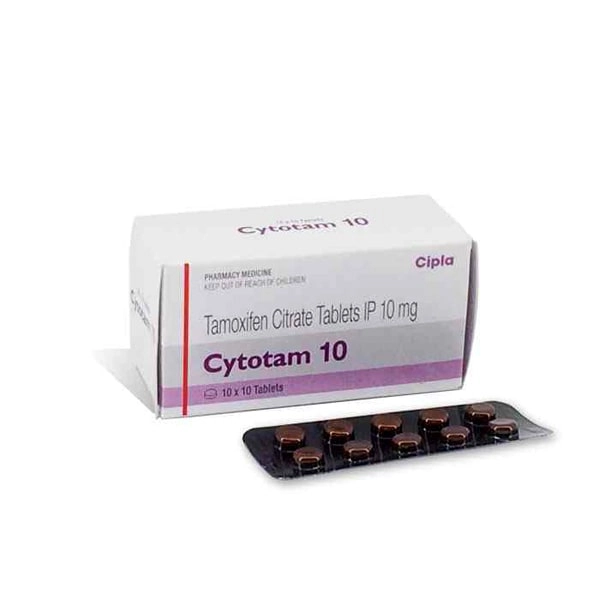
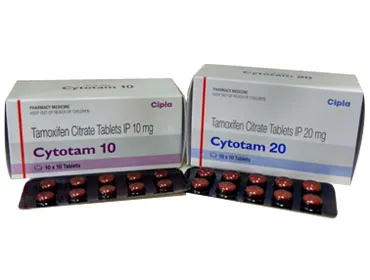
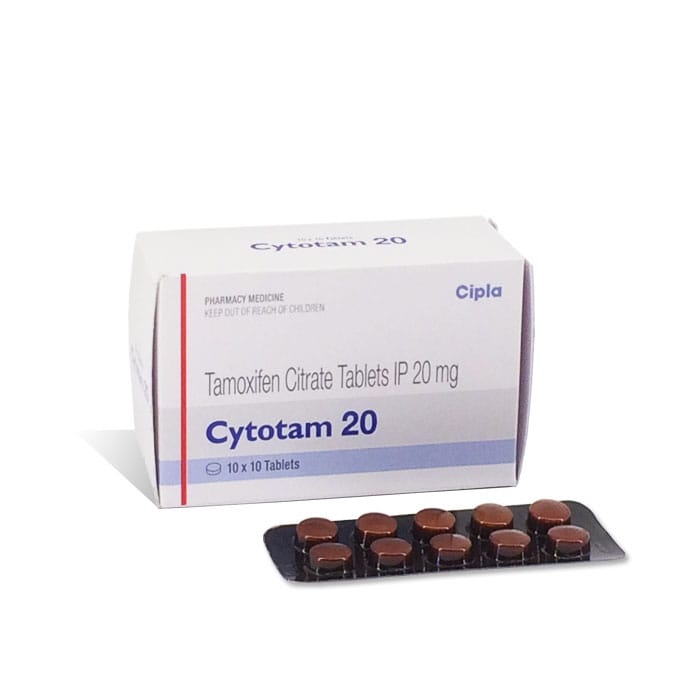
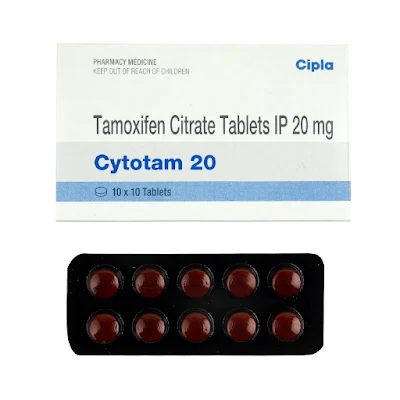
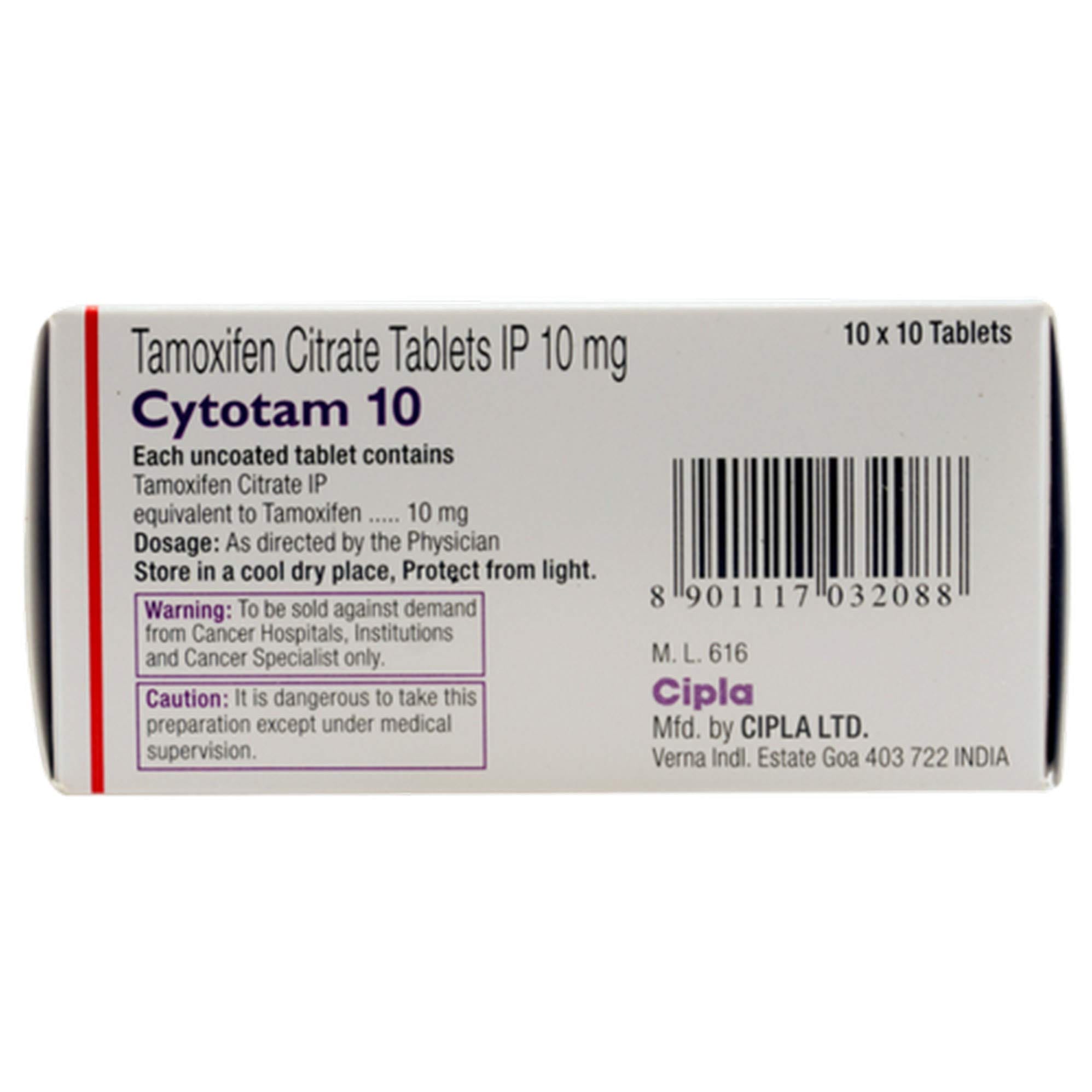
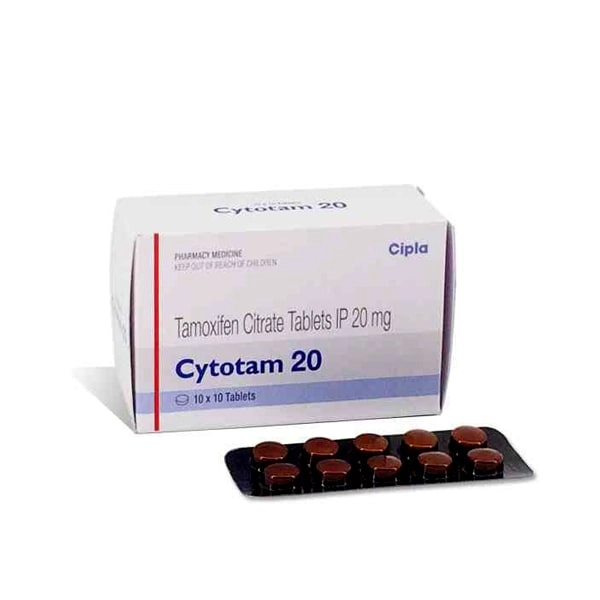
Cytotam


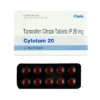

✅ Reduces breast cancer risk
✅ Treats infertility issues
✅ Manages kidney diseases
✅ Controls endometrial cancer
✅ Regulates menstrual disorders
Cytotam contains Tamoxifen
✓ Medically reviewed by Morgan Ellis — Pharmacy Researcher · 8 years experience · Last reviewed: May 2026
💡 Quick Answer
Cytotam is tamoxifen , a selective estrogen receptor modulator (SERM) and the first-line endocrine therapy for estrogen receptor-positive (ER+) breast cancer — used for adjuvant treatment (post-surgery/radiation), metastatic disease, and risk reduction in women at high genetic risk. Daily oral therapy, typically for 5–10 years. Anti-estrogenic in breast tissue but pro-estrogenic in bone and uterus — hence the endometrial cancer and VTE risk signals.
📦 Every order is covered by our Reshipment Assurance Policy — if your parcel does not arrive within 20 business days, we reship it.
Why order from MedsBase
Our generic medications are sourced from WHO-GMP certified manufacturers and shipped worldwide in discreet, plain packaging — no medication name on the parcel exterior. Card payments are routed through a regulated processor (statement descriptors include a regulated card-payment processor — never “MedsBase” or any medication name). Crypto and SEPA bank transfer are also accepted. Every order is backed by our Reshipment Assurance Policy.
What Is Cytotam?
Cytotam is a branded generic of tamoxifen, a selective estrogen receptor modulator. Tamoxifen competitively blocks estrogen binding in breast tissue (anti-estrogenic effect — cancer-inhibitory) but acts as a partial agonist in bone, uterus, and cardiovascular tissue. Available at .
Clinical Uses
- Adjuvant therapy for ER+ early breast cancer — 5 years minimum, often extended to 10 years based on ATLAS and aTTom trial data (further 4–5% absolute reduction in breast cancer deaths with extended duration).
- Metastatic (advanced) breast cancer — hormonally responsive disease.
- Ductal carcinoma in situ (DCIS) — post-lumpectomy to reduce local recurrence.
- Breast cancer risk reduction in high-risk women (family history, BRCA1/2 mutation, LCIS, high Gail score).
- Premenopausal women: tamoxifen is first-line; aromatase inhibitors only work post-menopause.
- Anovulatory infertility (off-label) — 20–40 mg on days 3–7 of cycle.
- Gynaecomastia treatment and prevention (off-label in men).
How to Take
- Take 20 mg once daily (standard adjuvant dose). Some metastatic protocols use higher doses. With or without food, at the same time each day.
- Standard duration: 5 years. Extended to 10 years in many clinical situations based on ATLAS/aTTom.
- Do not stop abruptly — talk to your oncologist if adverse effects are difficult.
- Contraception required. Tamoxifen is teratogenic — use effective non-hormonal contraception during treatment and 2 months after.
- Annual gynaecological check recommended — post-menopausal users have 2–3× endometrial cancer risk; any abnormal vaginal bleeding must be investigated promptly.
Side Effects
Common: hot flushes, night sweats, menstrual irregularity, vaginal discharge or dryness, mood changes, decreased libido, fatigue, nausea.
Less common: weight changes, fluid retention, rash, muscle cramps.
Serious (rare but important): endometrial cancer (2–3× risk in postmenopausal women; investigate any abnormal vaginal bleeding), VTE (DVT/PE — 2–3× risk), stroke (modest increase), cataracts, hepatotoxicity (rare), uterine sarcoma (very rare).
Who Should Not Take Cytotam
- Pregnancy or planned pregnancy (teratogenic) — use non-hormonal contraception
- Active VTE (DVT or PE), thrombophilia, or recent stroke
- Concurrent strong CYP2D6 inhibitors (paroxetine, fluoxetine) — reduce tamoxifen activation
- Undiagnosed abnormal vaginal bleeding
- Active liver disease
Key Drug Interactions
- SSRI antidepressants (paroxetine, fluoxetine): strong CYP2D6 inhibitors that reduce tamoxifen’s conversion to its active metabolite endoxifen — prefer venlafaxine, duloxetine, or citalopram for concurrent depression treatment.
- Warfarin: tamoxifen potentiates warfarin effect — monitor INR carefully.
- Aromatase inhibitors (anastrozole, letrozole): not combined — different drug classes for different menopausal status.
- Rifampicin, carbamazepine: may reduce tamoxifen levels via CYP3A4 induction.
Tamoxifen vs Aromatase Inhibitors
Premenopausal: tamoxifen is first-line (AIs don’t work when ovaries are active). Postmenopausal: aromatase inhibitors (letrozole, anastrozole, exemestane) are preferred — slightly better disease-free survival, different side-effect profile (joint pain, bone loss rather than hot flushes and endometrial cancer). Many postmenopausal regimens sequence tamoxifen then AI or vice versa. See Letroheal (Letrozole).
Storage
Store at room temperature (15–25 °C). Keep in original blister. Keep out of reach of children.
Frequently Asked Questions
How long do I take tamoxifen?
Standard is 5 years. Extending to 10 years reduces breast cancer recurrence and mortality further (ATLAS/aTTom trials). Your oncologist will individualise.
Will tamoxifen cause menopause?
Tamoxifen can cause menopausal-like symptoms (hot flushes, vaginal dryness) but does not medically induce menopause. Premenopausal women on tamoxifen usually continue to have periods, though irregularly.
Does tamoxifen cause weight gain?
A small average weight gain (2–3 kg) is reported in trials, often from reduced activity during cancer recovery rather than a direct drug effect.
Why do I need to watch for bleeding?
Tamoxifen stimulates the endometrium and raises endometrial cancer risk 2–3× in postmenopausal women. Any postmenopausal vaginal bleeding or any heavy/prolonged premenopausal bleeding requires urgent gynaecological assessment.
Can I combine tamoxifen with an SSRI?
Avoid paroxetine and fluoxetine — they reduce tamoxifen’s anti-cancer metabolite. Venlafaxine, duloxetine, and citalopram are preferred for antidepressant co-therapy.
What if I get joint pain?
Tamoxifen joint pain is less common than aromatase inhibitor joint pain but occurs. Maintain activity, consider paracetamol/NSAIDs short-term, and report to your oncologist if severe.
Does tamoxifen protect bones?
Yes — in postmenopausal women, tamoxifen is slightly bone-protective (partial estrogen agonist in bone). Aromatase inhibitors have the opposite effect.
Will my cancer come back if I stop early?
Stopping before 5 years raises recurrence risk. Discuss with your oncologist — side-effect management, dose reduction, or switching to an AI may be preferable to stopping.
Related Women’s Health Products
- Tamodex (Tamoxifen 10 mg)
- Tamilong (Tamoxifen 20 mg)
- Letroheal (Letrozole 2.5 mg)
- Etibo (Lapatinib 250 mg)
- Duphaston (Dydrogesterone 10 mg)
- Deviry (Medroxyprogesterone 10 mg)
- Naprosyn (Naproxen 250 mg)
⚕️ Medical Disclaimer: Information is educational and does not replace medical advice. Consult a clinician before starting, stopping, or changing any medication, particularly for cancer therapy, hormonal treatments, and prescription products.
Related Alternatives
Other oncology medications stocked alongside this product:
More options in Fertility Supplements for Men
Ranked by recent MedsBase order volume — what other customers in this category are picking.

| Strength | 10 mg, 20 mg |
|---|---|
| Quantity | 30 Tablet/s, 60 Tablet/s, 90 Tablet/s, 180 Tablet/s |
| Pharma Form | Tablet/s |
| Manufacturer | Cipla Inc |
| Treatment | Breast cancer |
| Generic Brand | Tamoxifen |
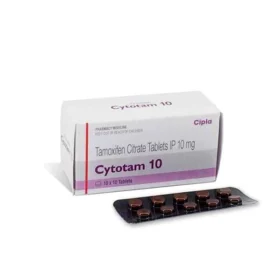 Cytotam
Q & A
Cytotam
Related products






















Reviews
There are no reviews yet