







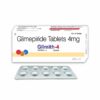
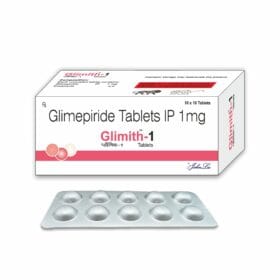
Glimith
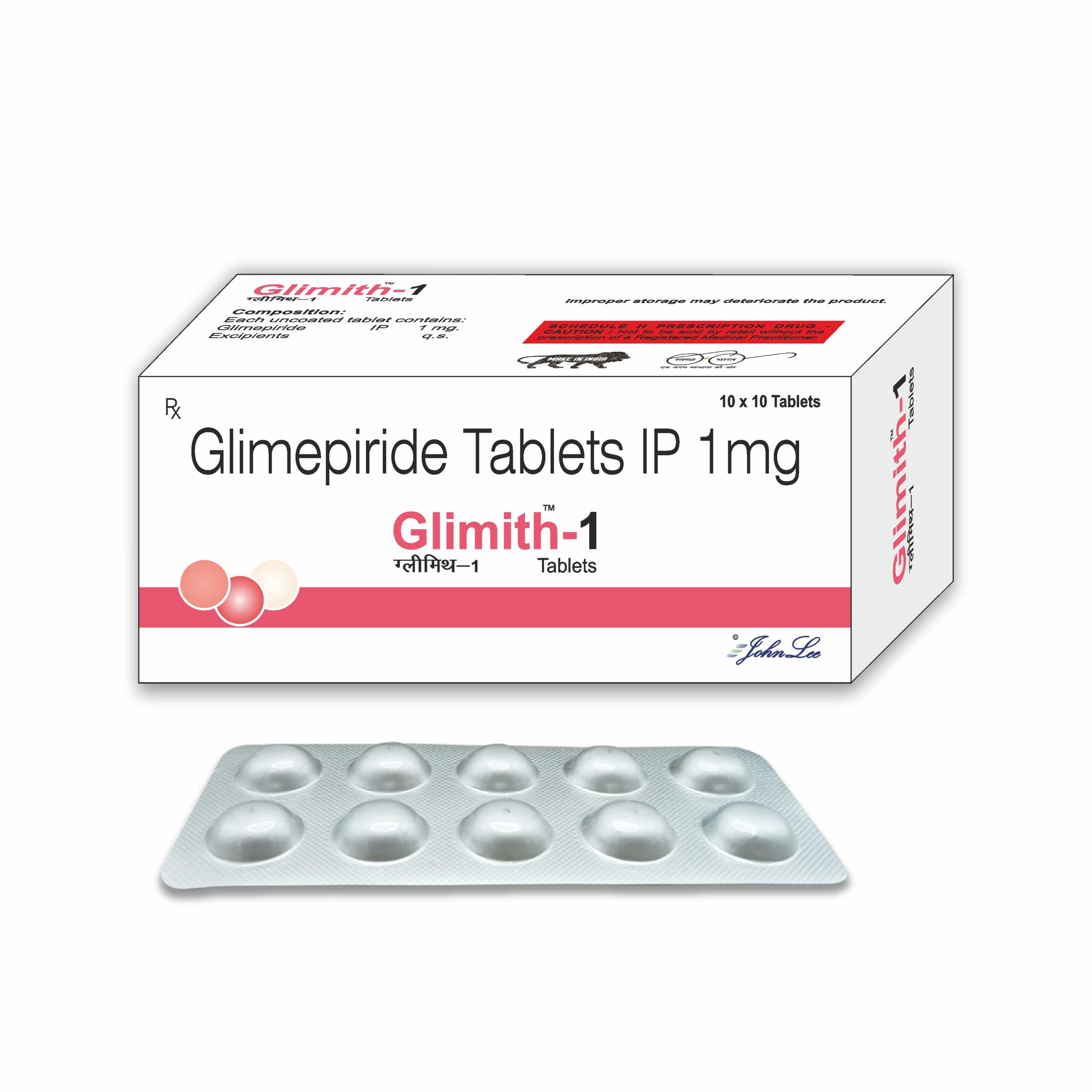
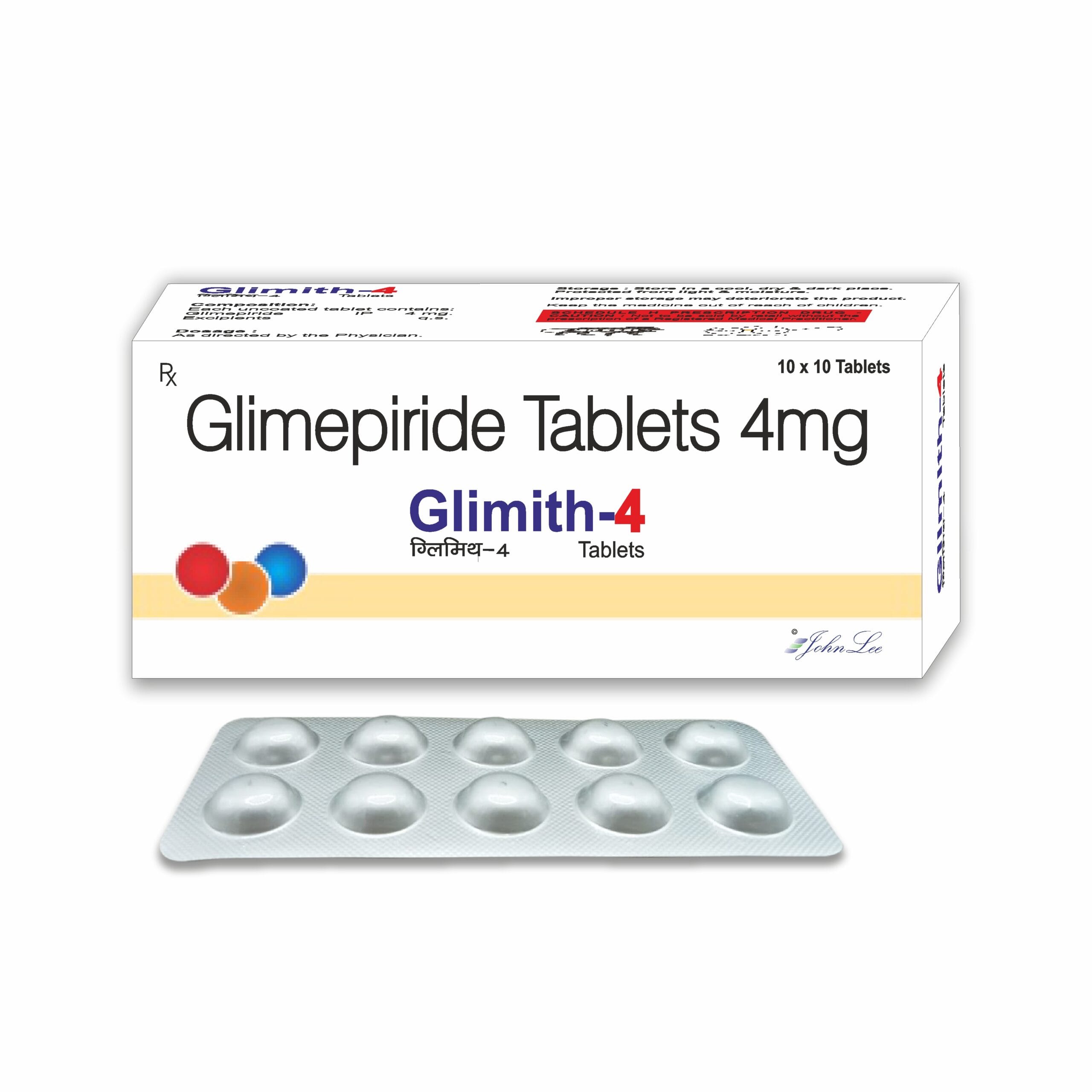

✅ Blood Sugar Control
✅ Diabetes Management
✅ Improved Insulin Sensitivity
✅ Regulates Glucose Levels
✅ Enhances Glycemic Control
Glimith contains Glimipride.
✓ Medically reviewed by Morgan Ellis — Pharmacy Researcher · 8 years experience · Last reviewed: May 2026
⚡ Quick Answer — What is Glimith?
Glimith is a brand of glimepiride (1 mg or 4 mg), a third-generation sulfonylurea used to treat type 2 diabetes. It lowers blood glucose by stimulating the pancreas to release more insulin. Sulfonylureas typically reduce HbA1c by 1.0–1.5 percentage points and are added when metformin alone is not enough. Take with or just before breakfast to match the post-meal glucose rise and minimise hypoglycaemia. Main risks: low blood sugar (especially if meals are skipped) and modest weight gain (1–3 kg). Hypoglycaemia risk: Lower than glibenclamide but higher than gliclazide MR. Avoid in type 1 diabetes, DKA, severe renal/hepatic impairment, and sulfa allergy. Not a first-line therapy in modern guidelines but remains widely used, inexpensive, and effective.
📦 Every order is covered by our Reshipment Assurance Policy — if your parcel does not arrive within 20 business days, we reship it.
Why order from MedsBase
Our generic medications are sourced from WHO-GMP certified manufacturers and shipped worldwide in discreet, plain packaging — no medication name on the parcel exterior. Card payments are routed through a regulated processor (statement descriptors include a regulated card-payment processor — never “MedsBase” or any medication name). Crypto and SEPA bank transfer are also accepted. Every order is backed by our Reshipment Assurance Policy.
What Is Glimith?
Glimith is an oral antidiabetic medicine containing glimepiride (1 mg or 4 mg), manufactured by WHO-GMP certified manufacturer. It is prescribed for adults with type 2 diabetes mellitus, usually added to metformin when glycaemic targets are not met on metformin alone. Available in packs of 30, 60, 90 or 180 tablets.
How Does Glimith Work?
Glimepiride closes ATP-sensitive potassium (KATP) channels on pancreatic beta cells, depolarising the cell membrane, opening voltage-gated calcium channels, and triggering insulin release. Glimepiride binds the 65 kDa receptor subunit rather than the 140 kDa subunit — this gives it faster dissociation, a lower hypoglycaemia risk than glibenclamide, and better behaviour under myocardial ischaemia.
Duration of action: Once-daily dosing; half-life 5–8 hours but active metabolites extend duration to ~24 hours. Sulfonylureas are most effective when there is still meaningful endogenous insulin production — that is, in early to mid-stage type 2 diabetes. They become less effective as beta-cell function declines over years.
Expected HbA1c reduction as monotherapy: 1.0–1.5 percentage points. Fasting glucose usually falls within 3–7 days.
Dosage and Administration
Starting dose: 1 mg once daily with or immediately before breakfast. Titrate up in 1–2 mg steps every 1–2 weeks. Usual maintenance: 1–4 mg once daily. Maximum: 6 mg/day (some guidelines allow 8 mg).
- Timing is critical. Always take with or immediately before the first main meal of the day. Taking on an empty stomach or without eating afterwards causes hypoglycaemia.
- Do not double up. If you miss a dose, skip it — take the next scheduled dose with your next meal.
- Self-monitor glucose. Particularly in the first 2–4 weeks, when titrating, or after any illness.
- Carry glucose tablets or a sugary snack. Sulfonylureas can cause hypoglycaemia hours after the last dose.
Side Effects
Common:
- Hypoglycaemia — the main risk. Symptoms: shakiness, sweating, palpitations, hunger, confusion, headache. Treat with 15 g fast-acting carbohydrate (glucose tablets, juice), then a snack containing complex carbohydrate.
- Weight gain — 1–3 kg on average, due to insulin-mediated anabolic effects.
- Nausea, mild GI upset
- Skin rash (typically early, occasionally photosensitivity)
Uncommon but important:
- Severe or prolonged hypoglycaemia — especially in older adults, renal impairment, missed meals, or drug interactions
- Hyponatraemia (rare)
- Haemolytic anaemia in G6PD deficiency (rare)
- Cholestatic jaundice (rare)
Drug Interactions
Increase hypoglycaemia risk (raise glimepiride levels or add glucose-lowering effect):
- Insulin, meglitinides, other diabetes medicines
- Alcohol (particularly binge or without food)
- Trimethoprim/sulfamethoxazole, fluconazole, clarithromycin
- Non-selective beta-blockers (also mask hypoglycaemia symptoms)
- ACE inhibitors, salicylates in high doses
- MAO inhibitors, fibrates
Reduce glucose-lowering effect:
- Corticosteroids, oral contraceptives, thiazide diuretics, thyroid hormones, phenytoin, rifampicin, atypical antipsychotics
Who Should Not Take Glimith?
- Type 1 diabetes mellitus
- Diabetic ketoacidosis (DKA), with or without coma
- Severe renal impairment — Use with caution in renal impairment; start at 1 mg. Avoid in severe renal impairment (eGFR < 30).
- Severe hepatic impairment
- Known sulfonamide (sulfa) allergy
- Pregnancy — sulfonylureas are not first choice in pregnancy (insulin preferred)
- Breastfeeding — limited data; avoid
- G6PD deficiency (relative contraindication)
In older adults (> 65 years): start at half the usual dose and titrate slowly — hypoglycaemia risk and consequences are higher.
Storage
Store Glimith below 25°C in a dry place, in the original blister. Keep out of reach of children.
Frequently Asked Questions
Is Glimith the same as glimepiride?
Yes. Glimith is a brand of glimepiride manufactured by WHO-GMP certified manufacturer. Bioequivalence is required by regulatory authorities, so clinical effect is the same as the originator brand at the same dose.
Is glimepiride better than glibenclamide?
For most patients, yes. Glimepiride causes fewer severe hypoglycaemic episodes than glibenclamide (about 50% lower rate in head-to-head trials) and is preferred for older adults and those with any renal impairment.
Can Glimith cause weight gain?
Yes — sulfonylureas typically cause 1–3 kg weight gain over the first year. This is partly because insulin is an anabolic hormone, and partly because people eat extra snacks to prevent hypoglycaemia. If weight gain is a concern, a DPP-4 inhibitor or SGLT-2 inhibitor may be preferred instead.
What should I do if I have a hypo?
Take 15 g of fast-acting carbohydrate immediately — 4–5 glucose tablets, 150 mL regular juice or cola, or 1 tablespoon of honey. Recheck glucose after 15 minutes; repeat if still < 4.0 mmol/L. Follow with a snack containing complex carbohydrate (bread, biscuit) to prevent relapse. Sulfonylurea hypos can last hours — severe episodes need medical review.
Can I drink alcohol while taking Glimith?
Moderate alcohol with food is usually safe. Avoid binge drinking and avoid alcohol on an empty stomach — both dramatically raise hypoglycaemia risk. Alcohol may also worsen flushing and nausea in some people taking sulfonylureas.
Do I still need metformin if I take Glimith?
Usually, yes. Sulfonylureas are almost always used on top of metformin, not instead of it. Metformin remains first-line and works by a different mechanism (reducing hepatic glucose production), so the two medicines have additive effect.
Where can I buy Glimith online?
You can order Glimith (1 mg or 4 mg) from MedsBase in packs of 30, 60, 90 or 180 tablets. We ship worldwide, with discreet packaging and genuine WHO-GMP certified manufacturer stock.
Related Diabetes Medications
- Amaryl — Glimepiride 1/2/4 mg (Sanofi)
- Glycomet SR — Metformin sustained-release
- Januvia — Sitagliptin (DPP-4 inhibitor)
- Jardiance — Empagliflozin (SGLT-2 inhibitor)
- Glucored — Glibenclamide + Metformin combo
- Glycomet-GP — Metformin + Glimepiride combo
- Browse all Diabetes Medications
Related Alternatives
Other products in Chronic Conditions that customers also view:
More options in Diabetes
Ranked by recent MedsBase order volume — what other customers in this category are picking.

| Strength | 1 mg, 4 mg |
|---|---|
| Quantity | 30 Tablet/s, 60 Tablet/s, 90 Tablet/s, 180 Tablet/s |
 Glimith
Q & A
Glimith
Related products

Reviews
There are no reviews yet