







Naltima


✅ Reduces alcohol cravings
✅ Helps in alcohol withdrawal
✅ Supports alcohol addiction treatment
✅ Decreases alcohol consumption
✅ Prevents relapse
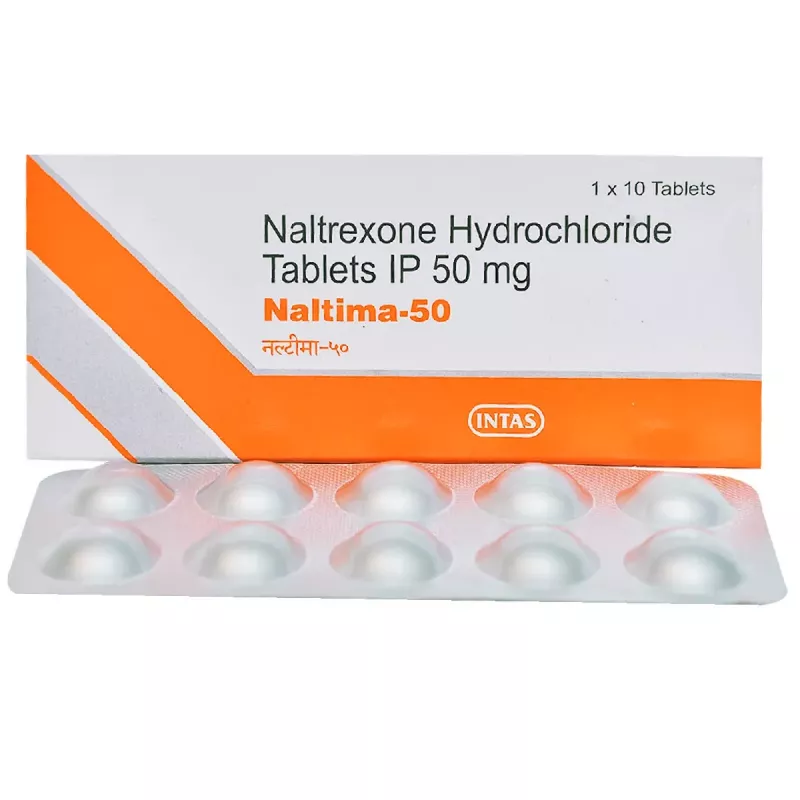
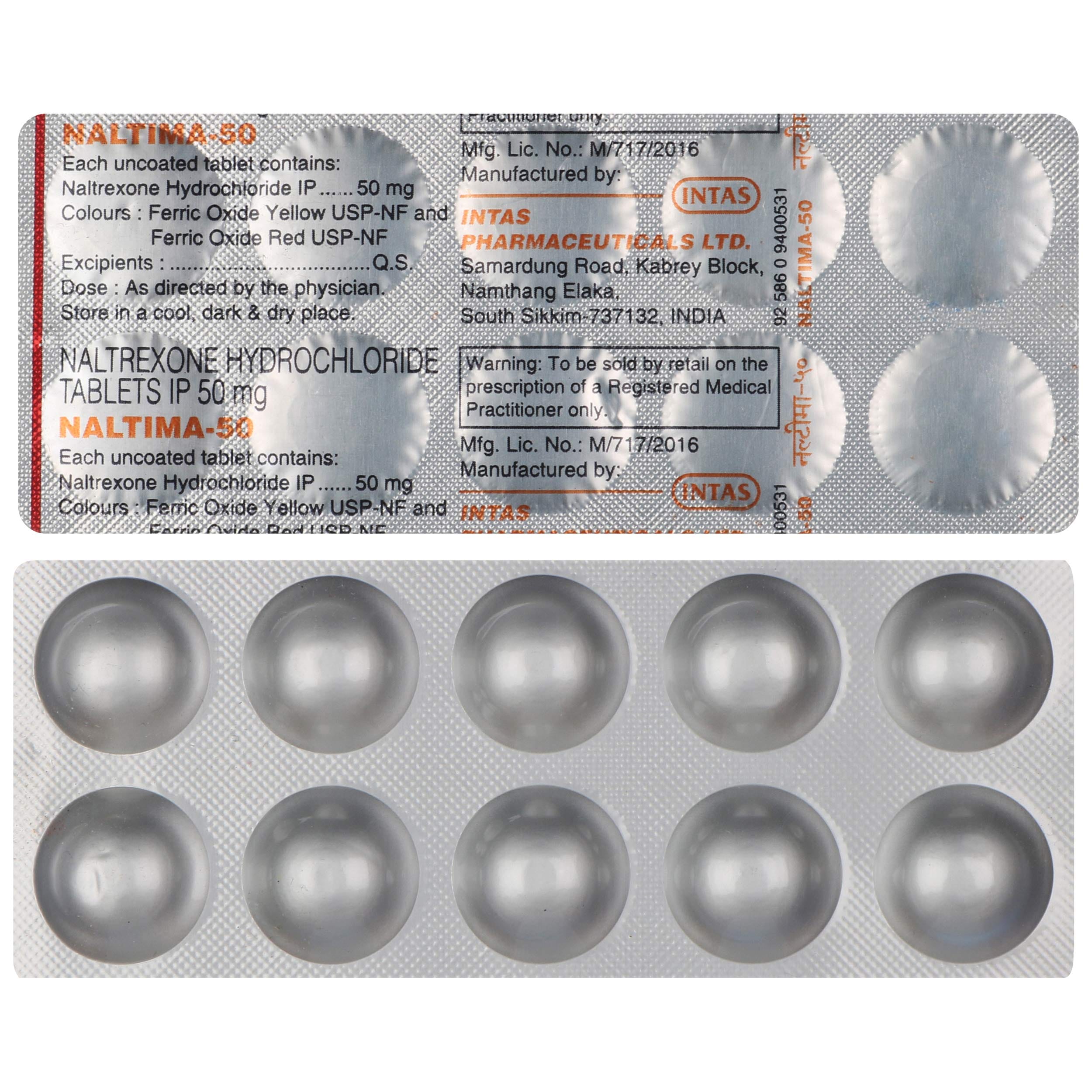
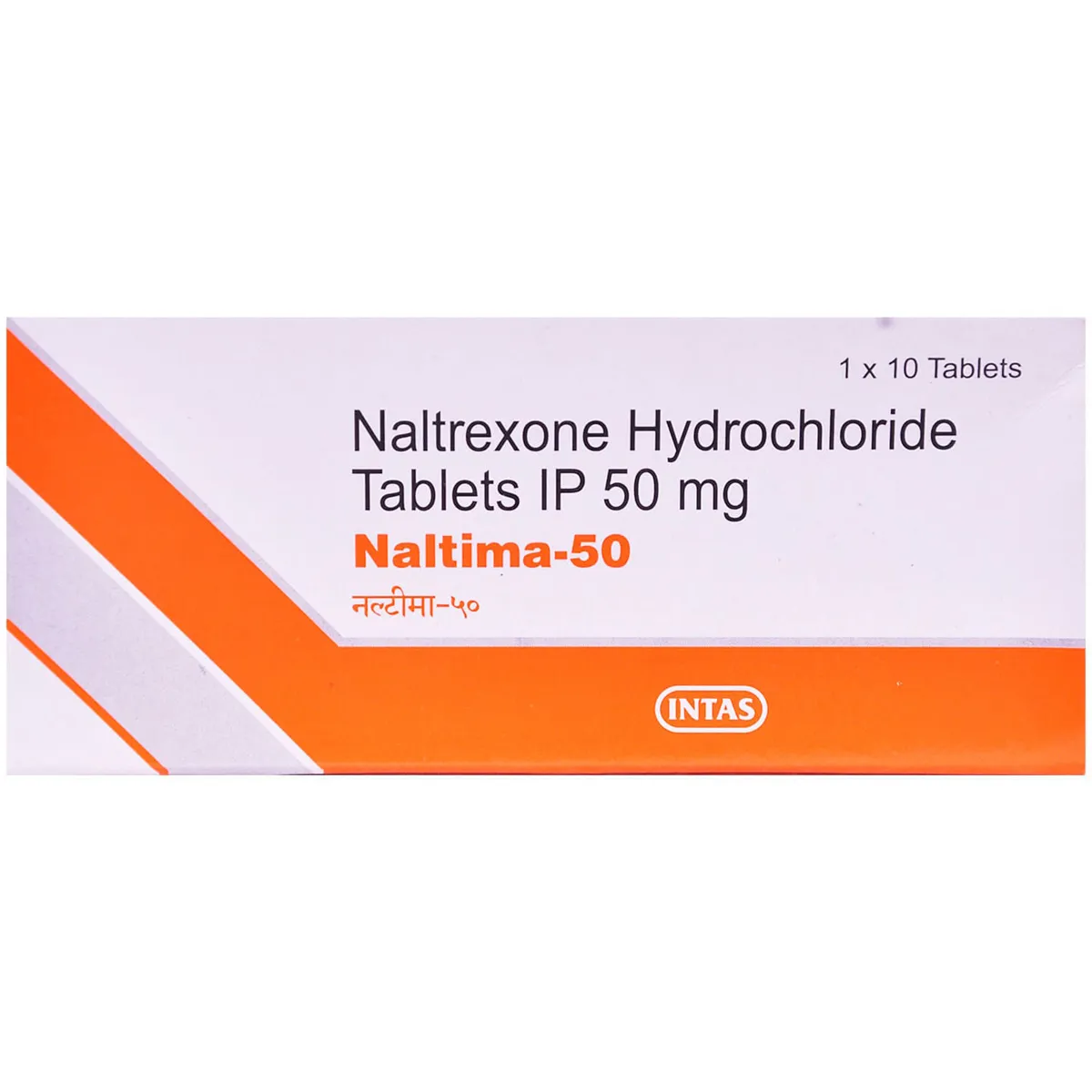
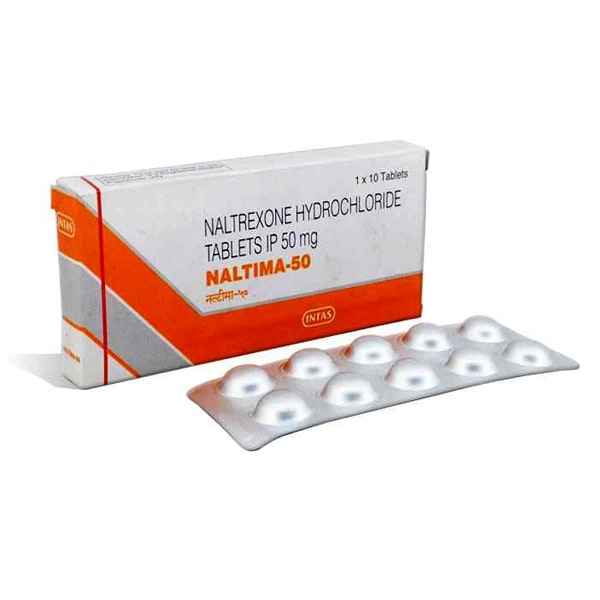
Naltima contains Naltrexone.
✓ Medically reviewed by Morgan Ellis — Pharmacy Researcher · 8 years experience · Last reviewed: May 2026
⚡ Quick Answer — Naltima — naltrexone 50 mg for alcohol or opioid use disorder
Naltima is naltrexone 50 mg, a long-acting μ-opioid receptor antagonist. In alcohol use disorder it dampens the rewarding feeling of drinking; in opioid use disorder it blocks the effect of any opioid taken. You must be opioid-free for 7–10 days before starting for OUD, otherwise it precipitates withdrawal. A 50 mg once-daily oral course is typical, often paired with counselling and medical management.
📦 Every order is covered by our Reshipment Assurance Policy — if your parcel does not arrive within 20 business days, we reship it.
Why order from MedsBase
Our generic medications are sourced from WHO-GMP certified manufacturers and shipped worldwide in discreet, plain packaging — no medication name on the parcel exterior. Card payments are routed through a regulated processor (statement descriptors include a regulated card-payment processor — never “MedsBase” or any medication name). Crypto and SEPA bank transfer are also accepted. Every order is backed by our Reshipment Assurance Policy.
What is Naltima?
Naltima is a medication containing naltrexone hydrochloride 50 mg (tablets), supplied by Intas Pharmaceuticals. Naltrexone is a long-acting, orally active opioid-receptor antagonist with high affinity at μ-receptors (and partial activity at κ- and δ-receptors). It is one of the two first-line oral pharmacotherapies (alongside acamprosate) for alcohol use disorder in modern guidelines, and a non-controlled alternative to opioid agonist therapy for opioid use disorder.
How naltrexone works
In alcohol use disorder: alcohol-induced dopamine release in the nucleus accumbens is partly opioid-mediated; blocking μ-receptors with naltrexone attenuates that reward signal. Patients describe drinking as “less satisfying” rather than aversive — importantly, naltrexone does not produce a disulfiram-like reaction, so it is safe if the patient slips. The COMBINE study (2006) established naltrexone’s effectiveness, particularly when paired with medical management.
In opioid use disorder: naltrexone occupies μ-receptors with such high affinity that subsequent opioid use produces no euphoria. The deterrent is total — injection of heroin while on naltrexone is essentially a wasted dose. This makes adherence the entire problem: a patient who skips two days of naltrexone has a clear window to relapse, and the relapse risk after stopping is high because there is no agonist effect to fall back on.
How Naltima is used
The standard adult dose for both indications is 50 mg once daily:
| Indication | Standard regimen | Notes |
|---|---|---|
| Alcohol use disorder | 50 mg once daily | Can be started while still drinking; cessation not required for first dose |
| Opioid use disorder | 50 mg once daily | Must be opioid-free 7–10 days (14 for methadone); naloxone-challenge test confirms |
| Targeted use (selected AUD patients) | 50 mg 1–2 hours before drinking events | Sinclair Method; useful in patients pursuing controlled drinking rather than abstinence |
| Three-times-weekly schedule (selected patients) | 100 mg Mon, 100 mg Wed, 150 mg Fri | Improves observed-dose adherence in OUD |
Take with or without food. If a dose is missed, take it as soon as remembered, but skip it if it is nearly time for the next — do not double-dose. Treatment duration is at least 3 months, often 6–12 months in AUD and longer in OUD; relapse risk is highest in the first 90 days after stopping.
Side effects
- Nausea (most common, ~10–15%, abates within 1–2 weeks; take after food)
- Headache, dizziness
- Insomnia, anxiety, low mood, anhedonia (occasional — some patients describe a flattening of pleasure that resolves on stopping)
- Fatigue, somnolence
- Abdominal pain, diarrhoea or constipation
- Hepatotoxicity — the original FDA black-box was based on liver injury in obese patients on 300 mg/day for non-AUD indications. At 50 mg/day the signal is much weaker. Baseline LFTs and re-check at 6 and 12 weeks then 3-monthly is reasonable.
- Injection-site reactions if extended-release IM formulations are used (not applicable to this oral product)
Critical safety: surgical and emergency analgesia
Drug interactions
| Drug / class | Effect | Action |
|---|---|---|
| Opioid analgesics (codeine, tramadol, morphine, oxycodone, fentanyl, etc.) | Analgesia blocked; high-dose attempts risk respiratory depression once blockade wanes | Use non-opioid analgesia where possible; tell every prescriber |
| Opioid agonist OUD therapy (methadone, buprenorphine) | Precipitated withdrawal | Cannot be co-prescribed; choose one strategy |
| Antidiarrhoeals (loperamide, diphenoxylate) | Reduced effect | Use bismuth or non-opioid alternatives |
| Antitussives (dextromethorphan, codeine cough syrups) | Reduced effect | Honey, simple linctus, guaifenesin alternatives |
| Disulfiram | Theoretical hepatotoxicity stacking; combination is sometimes used in AUD with extra LFT monitoring | Specialist decision |
| Thioridazine | Lethargy and somnolence | Avoid combination |
| Yohimbine | May precipitate panic in vulnerable patients | Avoid |
Contraindications and special populations
- Acute opioid use, opioid dependence not yet detoxified (precipitates withdrawal)
- Acute hepatitis or liver failure
- Hypersensitivity to naltrexone
- Pregnancy: animal studies show some teratogenicity; weigh continued opioid agonism vs naltrexone individually with a specialist
- Breastfeeding: excretion in human milk is small; weigh benefit-risk individually
- Severe renal impairment: limited data; use cautiously
Realistic expectations
For AUD, naltrexone reduces drinking days, heavy-drinking days, and craving in the order of 10–25% over placebo at 12 weeks — useful, not transformational on its own. Patients with stronger family history of alcoholism (the OPRM1 A118G polymorphism) and those who experience strong “high” from drinking may respond better. Combining naltrexone with structured medical management or behavioural therapy roughly doubles the benefit. For OUD, naltrexone’s effectiveness is gated almost entirely by adherence; missed doses are missed protection. Long-acting injectable formulations (extended-release IM) exist precisely to solve this adherence problem and may be a better fit for OUD than oral therapy for some patients — this product is the oral form.
Storage
Store at room temperature (15–30 °C / 59–86 °F), in the original blister, away from direct light and moisture. Keep out of reach of children — ingestion in an opioid-using household member could precipitate withdrawal.
Frequently Asked Questions
Why must I be opioid-free for 7–10 days first?
Naltrexone displaces opioids from μ-receptors with much higher affinity than they bind. If opioids are still occupying receptors, that displacement triggers the full withdrawal syndrome instantaneously — sweating, vomiting, severe muscle pain, agitation — sometimes requiring hospital admission. The 7–10 day rule (14 for methadone, longer for sustained-release oxycodone) ensures the receptors are cleared.
What is a naloxone challenge?
Before the first naltrexone dose, the prescriber may give a small naloxone test dose (intranasal or subcutaneous). Naloxone is short-acting; if the patient is opioid-free, nothing happens. If opioids are still present, the patient experiences mild withdrawal symptoms but they resolve in 30–60 minutes — far safer than triggering the same response with a full naltrexone dose that lasts 24 hours.
Can I drink while taking it for AUD?
Yes, technically — that is the point. Naltrexone does not cause a disulfiram reaction; it makes drinking less rewarding. The Sinclair Method explicitly uses naltrexone before drinking sessions to extinguish the reinforcement of alcohol over weeks to months. For traditional abstinence-oriented use, the goal is still to stop drinking; naltrexone reduces craving and slip-progression rather than acting as a deterrent.
Will it stop me feeling pleasure from anything?
Some patients describe mild anhedonia (reduced pleasure from food, sex, exercise) on naltrexone, presumably because the endogenous opioid system mediates a small fraction of normal reward. It is usually mild and reverses on stopping. Severe, persistent anhedonia is a reason to discontinue.
Can I take it with disulfiram?
Yes, in some AUD patients who have not responded to either alone, combination is used — naltrexone for craving, disulfiram for deterrence. Both have hepatotoxicity signals so LFT monitoring should be more frequent. This is a specialist-level decision, not routine.
What if I need urgent surgery?
Tell the surgical and anaesthetic team you are on naltrexone. They will plan a non-opioid analgesia strategy where possible. For genuine emergency where opioid is unavoidable, much higher than usual doses under monitoring are sometimes used, but the post-operative period requires careful observation as receptor blockade fades. Carry a medical-alert wallet card.
How long until it starts reducing cravings?
Most AUD patients notice a reduction in craving and “satisfaction from drinking” within 7–14 days. Full effect on heavy-drinking days emerges over 4–12 weeks. If there is no detectable benefit at 12 weeks, the prescriber may switch to acamprosate or topiramate.
Do I have to be in counselling?
Pharmacotherapy without behavioural support is less effective. The COMBINE study’s strongest results came from naltrexone plus medical management (structured 20-minute clinician visits focused on the AUD). At minimum, regular reviews and engagement with a peer-support format (AA, SMART Recovery) substantially raise effectiveness.
Is the depot injection different?
Yes — the long-acting IM injection (Vivitrol, monthly) bypasses the daily-adherence problem and is increasingly preferred for OUD where adherence drives outcomes. Naltima is the oral form, which is more flexible and suits AUD better in many cases.
How long do I stay on it?
For AUD, 6–12 months is typical, sometimes longer in patients with strong relapse history. For OUD, treatment is open-ended — relapse risk is highest in the 90 days after stopping, so most patients continue for at least a year and many stay longer with the prescriber’s guidance.
Related Alternatives
Other products in General Health that customers also view:
More options in Alcohol and Drug Treatment
Ranked by recent MedsBase order volume — what other customers in this category are picking.
| Strength | 50 mg |
|---|---|
| Quantity | 10 Tablet/s, 30 Tablet/s, 60 Tablet/s, 90 Tablet/s, 180 Tablet/s |
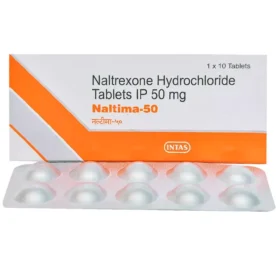 Naltima
Q & A
Naltima
Related products



Reviews
There are no reviews yet