









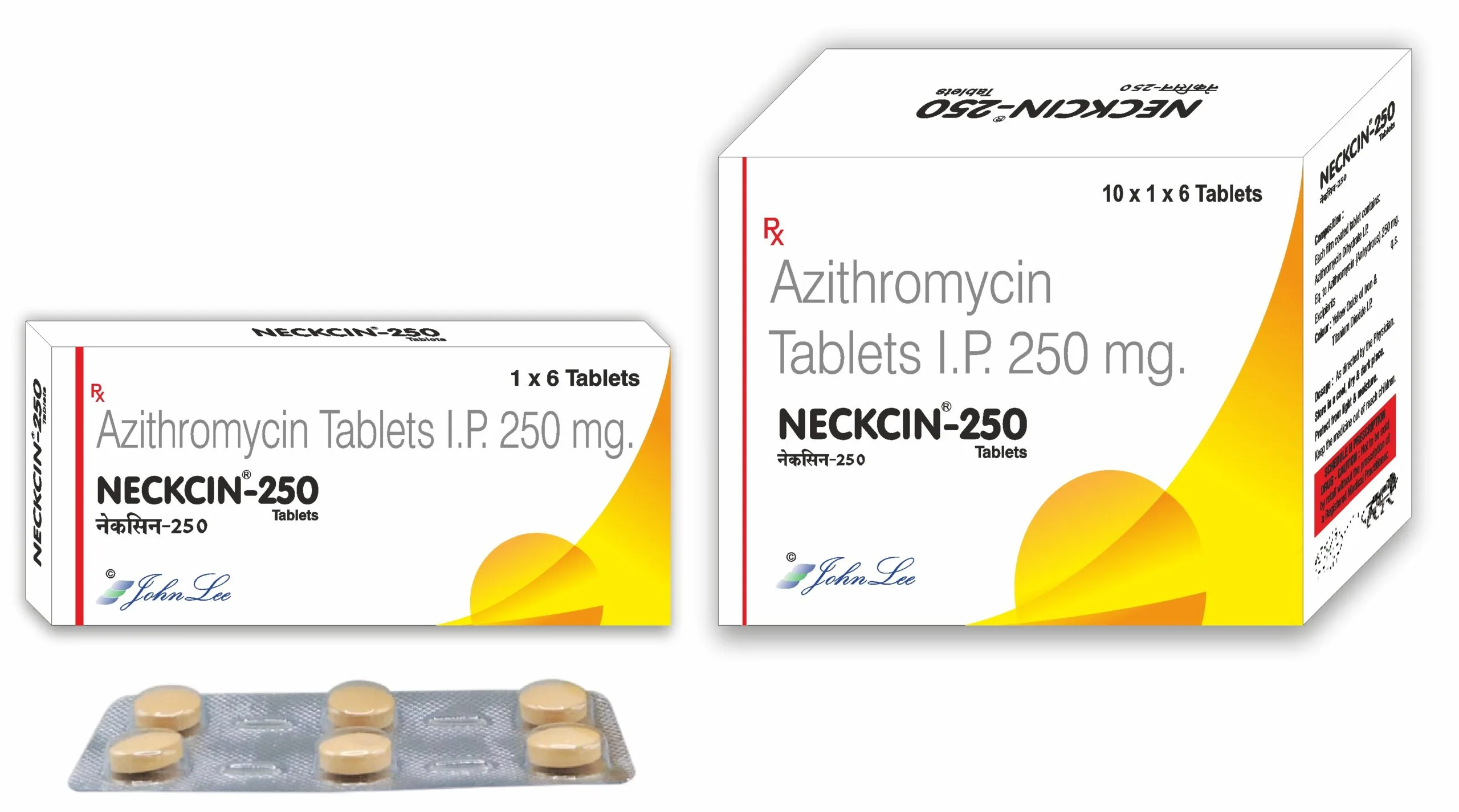
Neckcin 250 DT


✅ Rapid bacterial clearance
✅ Convenient dosage form
✅ Treats respiratory infections
✅ Shortens recovery time
✅ Fewer gastrointestinal side effects
Neckcin 250 DT contains Azithromycin.
✓ Medically reviewed by Morgan Ellis — Pharmacy Researcher · 8 years experience · Last reviewed: May 2026
💡 Quick Answer
Neckcin 250 DT is azithromycin, a macrolide antibiotic. For sexually transmitted infections it is used against chlamydia (single 1000 mg dose, though doxycycline is now first-line per updated CDC/WHO guidelines), uncomplicated gonorrhea (combined with ceftriaxone), and non-gonococcal urethritis. Azithromycin has a long half-life (~68 hours) allowing single-dose or short-course regimens.
📦 Every order is covered by our Reshipment Assurance Policy — if your parcel does not arrive within 20 business days, we reship it.
Why order from MedsBase
Ordering from MedsBase gives you sourcing from a WHO-GMP-certified manufacturer, discreet plain-envelope packaging, worldwide shipping, and 4.9★ ratings from over 1,400 verified customers. Card payments are routed via a regulated crypto on-ramp — the statement descriptor on your bank statement will show the processor name (a regulated card-payment processor), never “MedsBase” or any medication name. Every parcel is covered by our Reshipment Assurance Policy.
What Is Neckcin 250 DT?
Neckcin 250 DT is a branded generic of azithromycin, a macrolide antibiotic that blocks bacterial protein synthesis by binding the 50S ribosomal subunit. Azithromycin accumulates in tissue and phagocytes — tissue concentrations are 10–100× plasma concentrations — which is why short courses can treat long infections. Available in strengths of 250 mg.
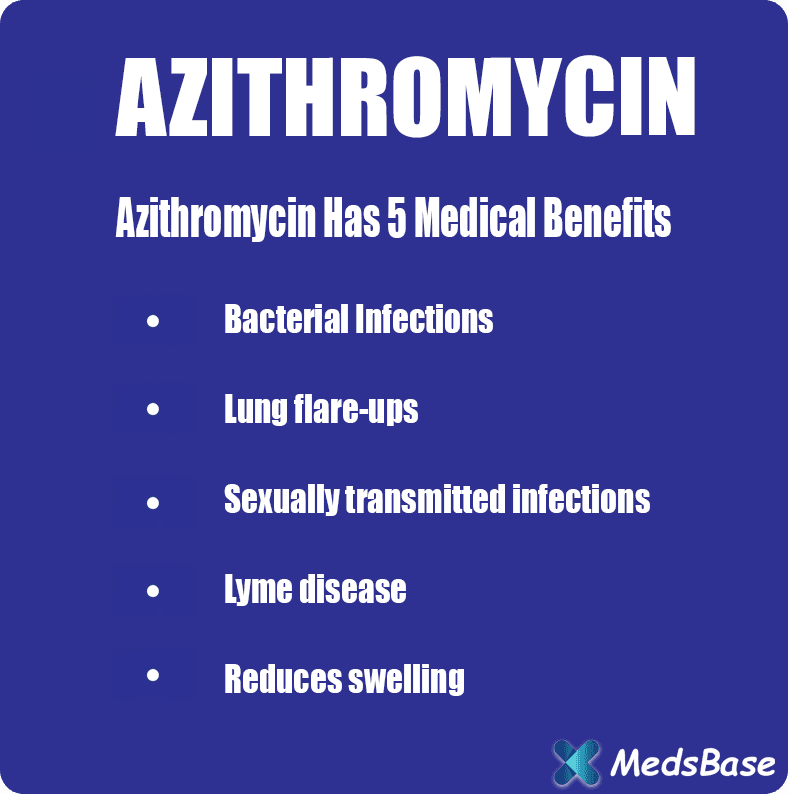
Azithromycin is used for a wide range of bacterial infections: respiratory tract (pneumonia, bronchitis, sinusitis, pharyngitis), skin and soft tissue, and sexually transmitted infections — the focus of this page.
STI Uses
- Chlamydia trachomatis: 1000 mg as a single oral dose (historically first-line). Note: since 2021 the CDC has updated first-line chlamydia treatment to doxycycline 100 mg twice daily for 7 days — azithromycin is now an alternative or back-up, particularly when adherence to 7 days is questionable.
- Gonorrhea (uncomplicated): must be combined with ceftriaxone — azithromycin monotherapy is no longer adequate due to widespread resistance. Current CDC: ceftriaxone 500 mg IM single dose; azithromycin 1000 mg oral may be added if chlamydia co-infection has not been excluded.
- Non-gonococcal urethritis (NGU): 1000 mg single dose, or 500 mg on day 1 then 250 mg for 4 more days.
- Mycoplasma genitalium (doxycycline-resistant): 500 mg on day 1, then 250 mg daily for 4 days — though resistance is now common; testing for macrolide resistance is recommended where available.
- Chancroid (Haemophilus ducreyi): 1000 mg single oral dose.
How to Take
- Take on an empty stomach (1 hour before, or 2 hours after food) for maximum absorption — though immediate-release azithromycin can be taken with food to reduce GI upset.
- Swallow tablets whole with a full glass of water. Do not crush or chew.
- Take the entire prescribed course, even if symptoms resolve quickly. Stopping early promotes resistance and risks treatment failure.
- Avoid aluminium or magnesium-containing antacids within 2 hours of the dose (they reduce absorption).
- If treating an STI, abstain from sex for 7 days after a single-dose regimen (or until you finish a multi-day course and symptoms resolve) to avoid reinfection or transmission.
- Partners should be tested and treated to prevent reinfection.
Test of Cure and Follow-Up
- Chlamydia: retest at 3 months (not 1 month — earlier testing can detect residual non-viable DNA).
- Gonorrhea: test of cure recommended 1–2 weeks after treatment, particularly for pharyngeal infections.
- Mycoplasma genitalium: test of cure 4 weeks after treatment due to high resistance.
- Partner notification and treatment is essential for all STIs to prevent reinfection.
Side Effects
Common (≥1%): nausea, diarrhoea, abdominal pain, vomiting. Generally mild; reduced by taking with food if needed.
Less common: headache, dizziness, altered taste, elevated liver enzymes.
Serious (rare): QT prolongation and ventricular arrhythmia (especially in patients with heart disease, low potassium/magnesium, or on QT-prolonging drugs). Severe hepatotoxicity. Clostridioides difficile colitis. Hearing loss with prolonged high-dose use.
Who Should Not Take Neckcin 250 DT
- Known hypersensitivity to azithromycin or other macrolides (erythromycin, clarithromycin)
- History of cholestatic jaundice or liver dysfunction with prior macrolide use
- Known QT prolongation, torsades de pointes, or severe cardiac arrhythmia
- Myasthenia gravis (may worsen muscle weakness)
- Caution in severe renal or hepatic impairment
Drug Interactions
- Warfarin: may increase anticoagulant effect — monitor INR.
- Digoxin: may increase plasma levels.
- Ciclosporin, tacrolimus: risk of raised levels.
- QT-prolonging drugs (amiodarone, sotalol, some antipsychotics): additive arrhythmia risk.
- Antacids (Al/Mg): reduce absorption — separate by at least 2 hours.
- Ergotamine: contraindicated — risk of ergot toxicity.
Antibiotic Stewardship
Take azithromycin only for infections confirmed or strongly suspected to be bacterial. Self-treatment without diagnosis contributes to antibiotic resistance. Mycoplasma genitalium resistance to macrolides is particularly high (40–80% in some regions) — confirmed diagnosis and resistance testing are increasingly important. For STIs, partner notification and test of cure are essential parts of responsible use.
Storage
Store at room temperature (15–25 °C / 59–77 °F), away from moisture and light. Keep tablets in the original blister. Do not use after the printed expiry date.
Frequently Asked Questions
Is azithromycin still first-line for chlamydia?
CDC 2021 and WHO updated guidelines now recommend doxycycline 100 mg twice daily for 7 days as first-line. Azithromycin 1000 mg single dose is an alternative — particularly useful when a 7-day course is impractical or adherence is uncertain.
Can I take Neckcin 250 DT on an empty stomach?
Absorption is modestly better on an empty stomach (1 hour before or 2 hours after food), but most patients tolerate it better with food. Either is acceptable.
How soon should symptoms improve?
For uncomplicated STIs, most symptoms (discharge, dysuria) improve within 2–3 days of the first dose. Full resolution can take 1–2 weeks. If symptoms persist or worsen, return for retesting — resistance or re-infection may be involved.
Why is single-dose azithromycin enough for chlamydia?
Azithromycin has a long tissue half-life (~68 hours) and high intracellular concentrations — a single 1000 mg dose maintains therapeutic tissue levels for days, long enough to clear Chlamydia trachomatis in most cases.
What about alcohol?
No direct interaction, but heavy alcohol use can aggravate stomach side effects and slow recovery. Moderate intake is generally acceptable — listen to your body.
Can I give Neckcin 250 DT to my partner without them being tested?
Expedited partner therapy (EPT) is legal and encouraged in many jurisdictions for chlamydia exposure. Ideally partners should be tested, but empiric treatment is sometimes appropriate. Check local rules and consult a clinician.
Does azithromycin treat COVID-19?
No. Large trials (RECOVERY, PRINCIPLE) showed azithromycin provides no mortality benefit or meaningful outcome improvement in COVID-19. It is not recommended for COVID-19 outside specific bacterial co-infection indications.
Can I retake Neckcin 250 DT if the infection comes back?
Possibly, but re-infection is more likely than treatment failure — partner re-testing and treatment is usually the missing piece. Persistent or recurrent infection needs medical review, not repeat self-treatment.
Related Products & Guides
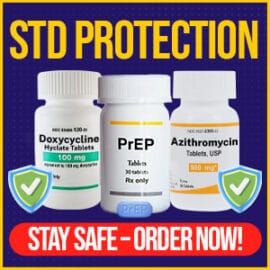
- STD Protection Pack
- Medical Emergency Kit
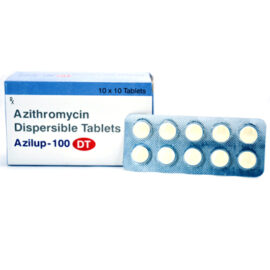
- Azilup (Azithromycin)
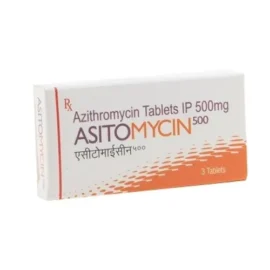
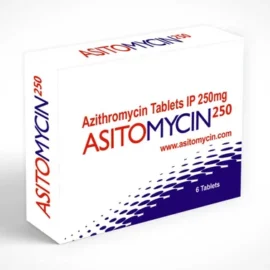
- Asitomycin 250 (Azithromycin)
- Asitomycin 500 (Azithromycin)
- Neckcin 100 DT (Azithromycin)
⚕️ Medical Disclaimer: Information on this page is for educational purposes only and does not replace medical advice. Always consult a qualified clinician before starting, stopping, or changing any medication. Prescription products should be used only under medical supervision.
Related Alternatives
Other products in Sexual Health that customers also view:
More options in Chlamydia Treatment
Ranked by recent MedsBase order volume — what other customers in this category are picking.
| Strength | 250 mg |
|---|---|
| Quantity | 30 Tablet/s, 60 Tablet/s, 90 Tablet/s, 180 Tablet/s |
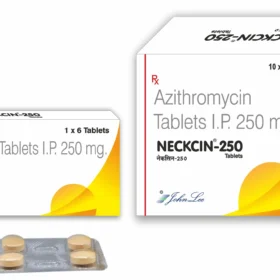 Neckcin 250 DT
Q & A
Neckcin 250 DT
Related products



Reviews
There are no reviews yet