








Riscon
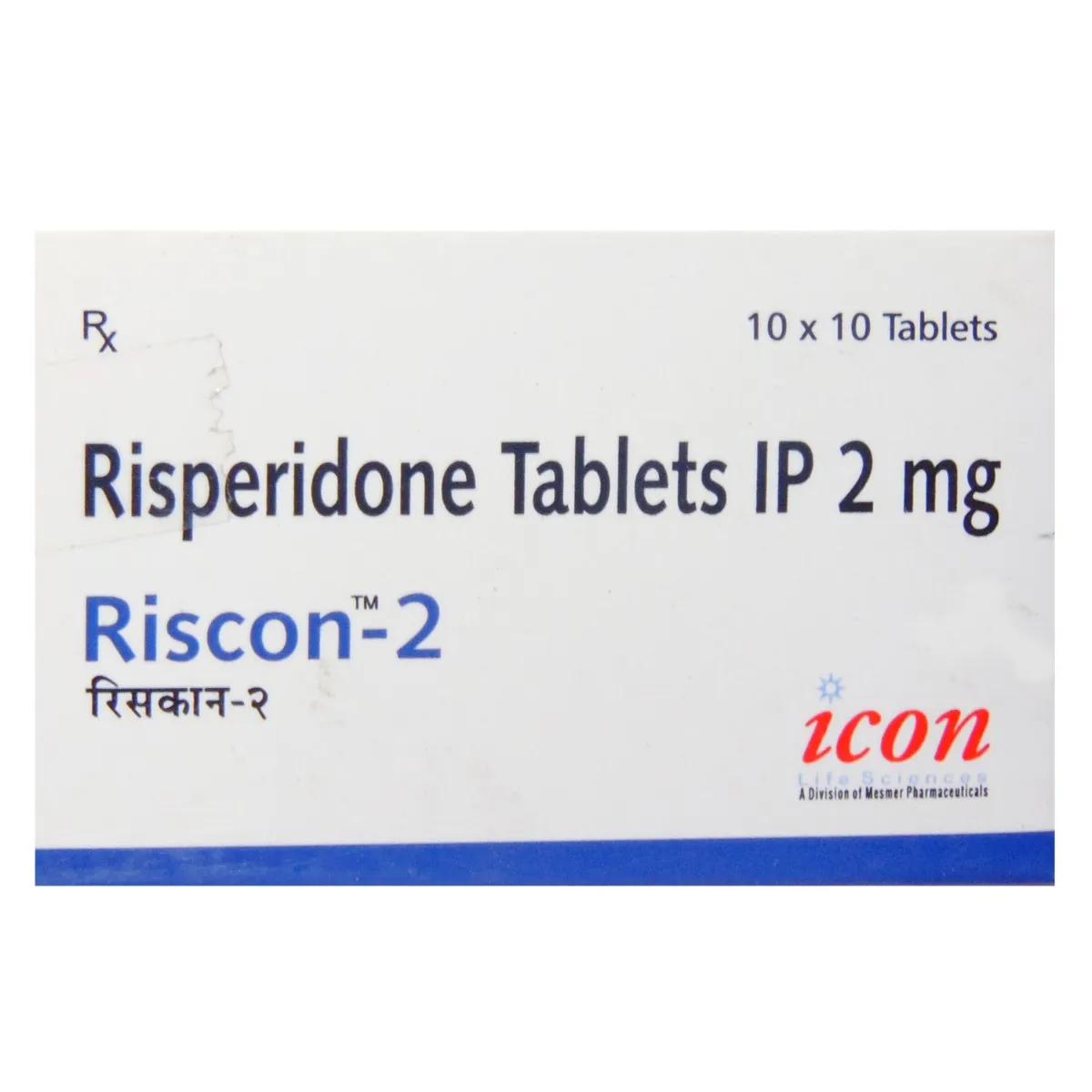
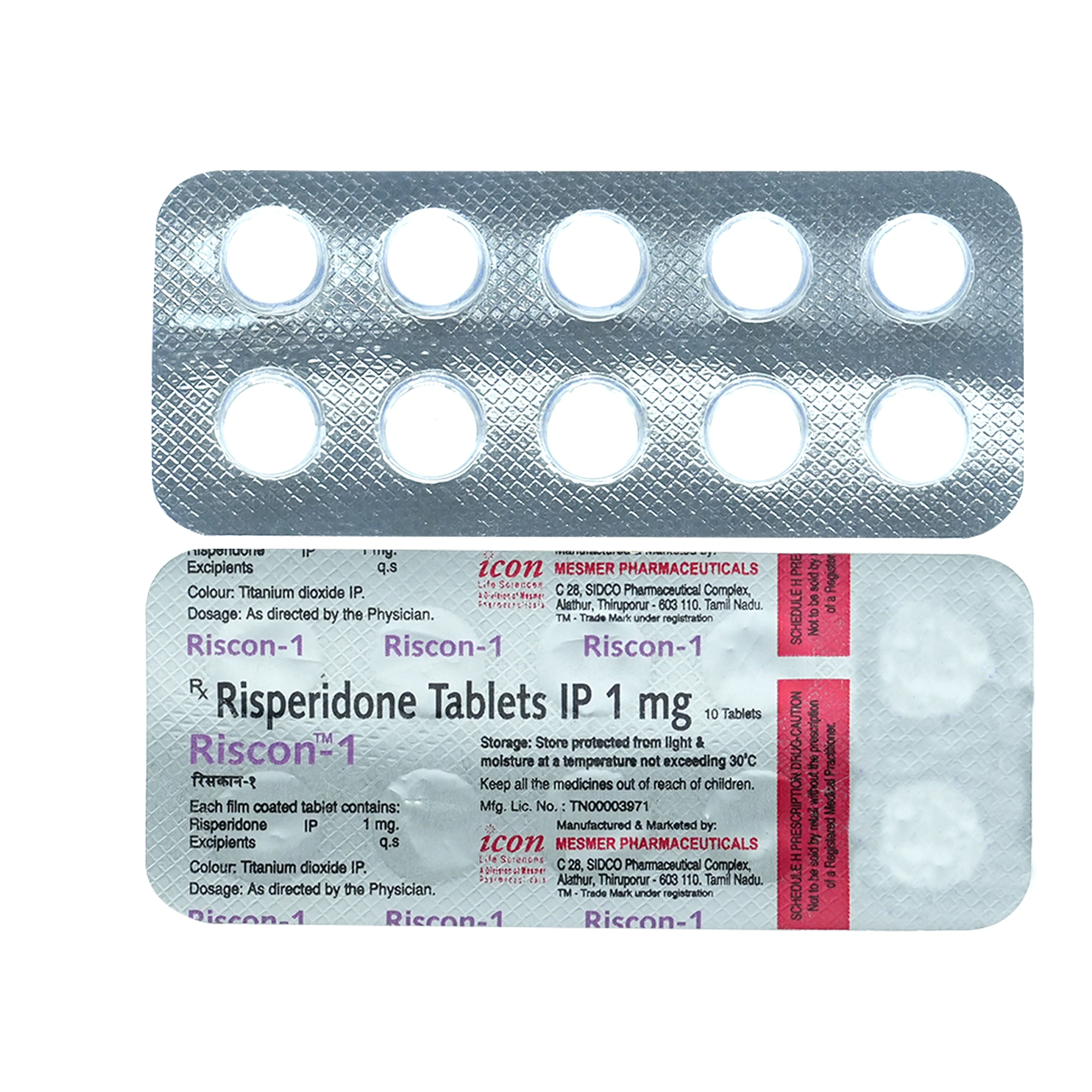
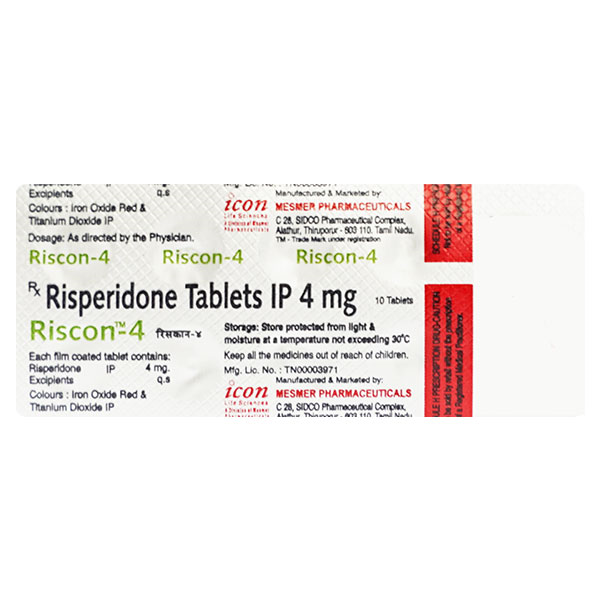
✅ Psychosis management
✅ Mood stabilization
✅ Hallucination reduction
✅ Delusion control
✅ Improved cognitive function
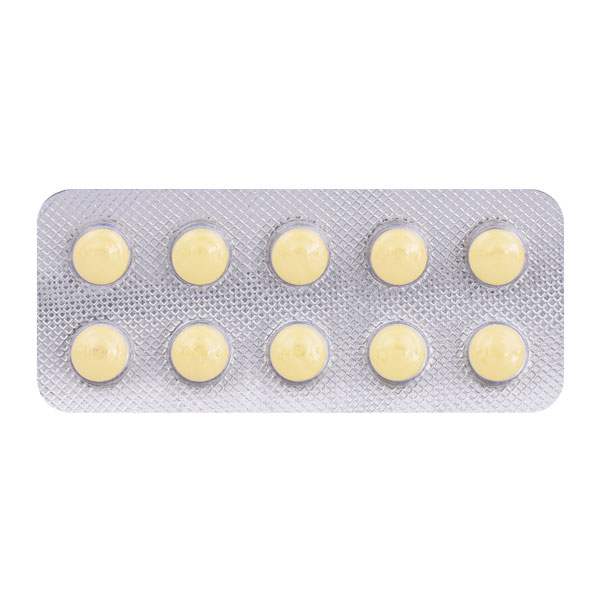
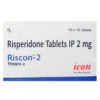
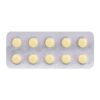
Riscon contains Risperidone.
✓ Medically reviewed by Morgan Ellis — Pharmacy Researcher · 8 years experience · Last reviewed: May 2026
⚡ Quick Answer — What is Riscon?
Riscon contains risperidone from a WHO-GMP certified manufacturer (Sun Pharma) — one of the most-prescribed atypical antipsychotics worldwide. FDA-approved for schizophrenia (adults and adolescents 13+), bipolar mania (adults and ages 10+), and irritability in autism (children 5+). Mechanism: tight D2 + 5-HT2A antagonism. Standard adult dose: 2–6 mg/day (start 0.5–1 mg, titrate gradually). Distinctive side effects: highest hyperprolactinaemia of the atypicals (galactorrhoea, gynaecomastia, amenorrhoea, sexual dysfunction); EPS at doses > 6 mg/day (atypical → typical “crossover” behaviour); moderate metabolic burden. FDA black box for elderly dementia mortality.
📦 Every order is covered by our Reshipment Assurance Policy — if your parcel does not arrive within 20 business days, we reship it.
Why order from MedsBase
Our generic medications are sourced from WHO-GMP certified manufacturers and shipped worldwide in discreet, plain packaging — no medication name on the parcel exterior. Card payments are routed through a regulated processor (statement descriptors include a regulated card-payment processor — never “MedsBase” or any medication name). Crypto and SEPA bank transfer are also accepted. Every order is backed by our Reshipment Assurance Policy.
What Is Riscon?
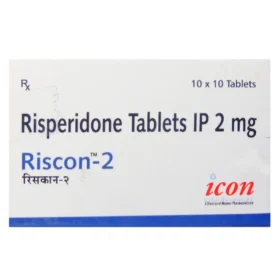
Riscon is an oral tablet of risperidone manufactured by Sun Pharma. Risperidone (US brand Risperdal) was launched by Janssen in 1993 and is one of the most-prescribed atypical antipsychotics globally. It is a tight D2 and 5-HT2A antagonist with additional alpha-1, alpha-2, and H1 blockade. Tighter D2 binding than other atypicals means risperidone behaves more like a first-generation antipsychotic at higher doses — with EPS risk above 6 mg/day. The active metabolite paliperidone (9-OH-risperidone) drives much of the clinical effect and is itself marketed separately as Invega.
Approved Indications
- Schizophrenia — adults and adolescents (age 13+)
- Bipolar mania (acute) — adults and children (age 10+); monotherapy or with lithium / valproate
- Irritability associated with autistic disorder — children (age 5+); aggression, self-injurious behaviour, severe tantrums
- Off-label: behavioural disturbance in dementia (use very carefully — black-box warning), Tourette syndrome, treatment-resistant depression, OCD augmentation
Dosing
| Indication | Start | Target | Maximum | Notes |
|---|---|---|---|---|
| Schizophrenia (adult) | 1 mg BID or 2 mg HS | 4–8 mg/day | 16 mg/day | Most prescribers stay 2–6 mg/day — EPS risk rises sharply above 6 mg/day |
| Schizophrenia (adolescent 13+) | 0.5 mg HS | 3 mg/day | 6 mg/day | Standard adolescent target |
| Bipolar mania (adult) | 2–3 mg HS | 1–6 mg/day | 6 mg/day | Once-daily HS dosing typical |
| Autism irritability (5–16 y, < 20 kg) | 0.25 mg/day | 0.5–3 mg/day weight-based | — | Slow titration; reassess after 4–6 weeks |
| Elderly | 0.25–0.5 mg BID | 1–2 mg/day | — | Significant orthostasis and falls risk; black-box dementia warning |
| Hepatic / renal impairment | 0.5 mg BID | Slower titration | — | Halve usual dose increments |
Side Effects
Side-effect profile
| Frequency | Effect | Notes |
|---|---|---|
| Common | Hyperprolactinaemia | Highest of the atypicals — galactorrhoea, gynaecomastia, amenorrhoea, sexual dysfunction; check prolactin if symptomatic |
| Common | Sedation, fatigue | Moderate; less than quetiapine |
| Common | Weight gain | Moderate (3–5 kg over 12 months) |
| Common | Orthostatic hypotension | Alpha-1 blockade |
| Common (dose-dependent) | Extrapyramidal symptoms (akathisia, parkinsonism, dystonia) | Higher than other atypicals; significant above 6 mg/day |
| Common | Anticholinergic (dry mouth, constipation) | Mild |
| Less common | Metabolic syndrome (glucose, lipids) | Moderate — less than olanzapine / quetiapine; baseline + monitoring |
| Less common | Tardive dyskinesia | Lower than first-generation antipsychotics; risk increases with duration |
| Less common | QT prolongation | Mild — less than ziprasidone |
| Rare | Neuroleptic malignant syndrome | Emergency |
| Rare | Stroke / TIA in elderly | Black-box dementia warning |
Drug Interactions
CYP2D6 substrate: levels rise with strong inhibitors (paroxetine, fluoxetine, bupropion, quinidine) — reduce dose. CYP3A4 inducers (carbamazepine, rifampin, phenytoin) lower levels — need higher dose.
Additive sedation / orthostasis: alcohol, benzodiazepines, opioids, antihypertensives.
QT prolongation: caution with citalopram (high dose), ondansetron, methadone.
Anti-Parkinson medications: antagonism — risperidone D2 blockade reduces dopaminergic effect of levodopa, ropinirole, pramipexole.
Hyperprolactinaemia — the Risperidone Concern
Risperidone is the most prolactin-elevating atypical antipsychotic. The mechanism is tuberoinfundibular D2 blockade in the pituitary, which removes dopamine’s normal inhibition of prolactin release. Clinical consequences:
- Women: amenorrhoea or oligomenorrhoea, galactorrhoea, sexual dysfunction, infertility
- Men: gynaecomastia, sexual dysfunction, reduced libido, infertility
- Long-term concerns: bone mineral density loss with prolonged hypogonadism
If prolactin elevation is symptomatic, options include dose reduction, switching to a lower-prolactin atypical (aripiprazole, quetiapine, ziprasidone, olanzapine), or specialist endocrine input.
Frequently Asked Questions
How long does Riscon take to work?
Acute psychosis or mania symptoms often respond within days. Full benefit in schizophrenia at 4–6 weeks. Autism irritability response usually evident within 2–4 weeks at an effective dose.
Why does Riscon cause breast and sexual side effects?
Risperidone strongly blocks D2 receptors in the pituitary, removing dopamine’s normal inhibition of prolactin. Elevated prolactin causes galactorrhoea, gynaecomastia, amenorrhoea, and sexual dysfunction. If symptomatic, dose reduction or switching to a lower-prolactin agent is the usual approach.
Will Riscon cause weight gain?
Yes — moderate weight gain (3–5 kg over 12 months) is typical. Less than olanzapine or quetiapine but more than aripiprazole or ziprasidone.
Is Riscon safe for children with autism?
Risperidone is FDA-approved for irritability associated with autistic disorder in children 5+. Used short-term for severe aggression, self-injury, or tantrums — not for the core social or communication features of autism. Weight gain and prolactin elevation are particular concerns in children.
Why is EPS more common with risperidone than other atypicals?
Risperidone has tight D2 binding — at doses above 6 mg/day, D2 occupancy crosses into the range where first-generation antipsychotic-like extrapyramidal effects appear. Most adults are kept at 2–6 mg/day for this reason.
Can Riscon be combined with antidepressants?
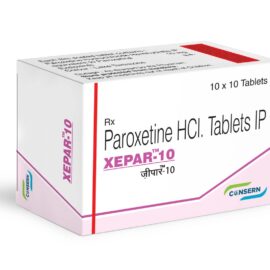
Yes — risperidone is sometimes added to antidepressants in treatment-resistant depression and OCD augmentation. Dose escalations and CYP2D6 interactions (especially with paroxetine and fluoxetine) require attention.
Is Riscon safe in elderly with dementia?
FDA black-box warning for elderly mortality with dementia-related psychosis or behavioural symptoms. Use only when symptoms are severe, behavioural strategies have failed, lowest dose, shortest duration, with informed family consent.
Can I drink alcohol on Riscon?
Avoid — additive sedation and orthostasis. Falls risk is significant with combination.
Can I stop Riscon abruptly?
Better to taper. Abrupt discontinuation can produce withdrawal dyskinesia, insomnia, sweating, and rebound psychosis. Reduce by 0.5–1 mg every 1–2 weeks.
How should Riscon be stored?
Store at 15–30 °C in the original blister packaging away from moisture and sunlight. Keep out of reach of children.
Related Alternatives
Other products in Chronic Conditions that customers also view:
More options in Situational Anxiety Treatment
Ranked by recent MedsBase order volume — what other customers in this category are picking.


| Strength | 1 mg, 2 mg, 4 mg |
|---|---|
| Quantity | 30 Tablet/s, 60 Tablet/s, 90 Tablet/s, 180 Tablet/s |
 Riscon
Q & A
Riscon
Related products



Reviews
There are no reviews yet