







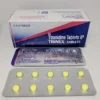

Tinima
⚡ Quick Answer — What is Tinima?
Tinima is a nitroimidazole used for trichomoniasis (single dose 2 g), giardiasis, amoebiasis, and bacterial vaginosis. Avoid alcohol during course and 48 hours after. Manufactured under WHO-GMP standards.
📦 Every order is covered by our Reshipment Assurance Policy — if your parcel does not arrive within 20 business days, we reship it.
Why order from MedsBase
Our generic medications are sourced from WHO-GMP certified manufacturers and shipped worldwide in discreet, plain packaging — no medication name on the parcel exterior. Card payments are routed through a regulated processor (statement descriptors include a regulated card-payment processor — never “MedsBase” or any medication name). Crypto and SEPA bank transfer are also accepted. Every order is backed by our Reshipment Assurance Policy.
Product Overview
Tinima is a medication containing the active ingredient Tinidazole. It is formulated as tablets, each containing 500mg of Tinidazole. Tinidazole is an antibiotic that is effective against various types of bacterial and protozoal infections. It works by inhibiting the growth and spread of bacteria and parasites in the body, thereby treating infections caused by these microorganisms.
Uses
Tinima tablets are prescribed to treat a wide range of infections, including bacterial vaginosis, trichomoniasis, giardiasis, and amoebiasis. Bacterial vaginosis is a common vaginal infection caused by an imbalance of bacteria in the vagina. Trichomoniasis is a sexually transmitted infection caused by a parasite, while giardiasis and amoebiasis are intestinal infections caused by parasites. Tinima is effective against these infections and helps alleviate symptoms such as vaginal discharge, abdominal pain, and diarrhea.
How to Use
Tinima tablets should be taken orally with a full glass of water, preferably with food to minimize stomach upset. It is essential to follow the dosage instructions provided by your healthcare provider. Do not crush, chew, or break the tablets, as this may alter their effectiveness. Take Tinima for the full prescribed length of time, even if your symptoms improve before the infection is completely cleared.
How it Works
Tinidazole, the active ingredient in Tinima tablets, works by interfering with the DNA synthesis of bacteria and parasites, leading to their death. It disrupts the replication and repair process of microbial DNA, thereby inhibiting their growth and spread in the body. This mechanism of action makes Tinima effective against a wide range of bacterial and protozoal infections, providing relief from symptoms and promoting recovery.
Dosage and Administration
The recommended dosage of Tinima for adults is typically a single 2g dose as a single tablet or divided into two doses taken on consecutive days. For certain infections, such as amoebiasis, the dosage may vary. It is crucial to follow the dosage regimen prescribed by your healthcare provider and not to exceed the recommended dose or duration of treatment.
Benefits
- Effective against bacterial and protozoal infections
- Alleviates symptoms such as vaginal discharge, abdominal pain, and diarrhea
- Convenient oral administration with or without food
- Rapid onset of action for quick symptom relief
- May be prescribed as a single-dose regimen for certain infections
Common Side Effects
Common side effects of Tinima may include nausea, vomiting, diarrhea, stomach pain, dizziness, and headache. These side effects are usually mild and temporary, subsiding as the body adjusts to the medication. However, if any side effects persist or worsen, contact your healthcare provider for further guidance.
Warnings
Tinima may interact with certain medications, including blood thinners, antifungal drugs, and alcohol-containing products. It is essential to inform your doctor about any pre-existing medical conditions, allergies, or medications you are taking before starting Tinima therapy. Avoid consuming alcohol during treatment with Tinima, as it may increase the risk of side effects such as nausea and vomiting.
Storage Information
Store Tinima tablets at room temperature away from moisture and heat. Keep the medication out of reach of children and pets. Do not use Tinima beyond the expiration date printed on the packaging, and discard any unused portion properly.
Disclaimer:
Our sole intention is to ensure that its consumers get information that is expert-reviewed, accurate and trustworthy. However, the information contained herein should NOT be used as a substitute for the advice of a qualified physician. The information provided here is for informational purposes only. This may not cover all possible side effects, drug interactions or warnings or alerts. Please consult your doctor and discuss all your queries related to any disease or medicine. We intend to support, not replace, the doctor-patient relationship.
Frequently Asked Questions
Can I drink alcohol while taking Tinima?
No. Tinima can produce a disulfiram-like reaction with alcohol — flushing, nausea, vomiting, headache, palpitations, and rarely arrhythmia. Avoid all alcohol during the course AND for 72 hours after the last dose, including mouthwash, cough syrup, and fermented foods.
What is Tinima typically used for?
Tinima treats anaerobic and protozoal infections — most commonly bacterial vaginosis, trichomoniasis, giardiasis, amoebiasis, and some intra-abdominal/dental infections. Single-dose 2 g regimens are common for trichomoniasis and giardia.
Is Tinima safe in pregnancy?
Generally avoided in the first trimester. Use in the second and third trimesters may be acceptable when benefits outweigh risks under specialist guidance. Tinidazole has slightly less reproductive-toxicity data than metronidazole, so metronidazole is the preferred nitroimidazole if one is needed in pregnancy.
What are the most common side effects?
Metallic taste, nausea, transient peripheral neuropathy with prolonged use (paraesthesia, tingling — stop and seek review), darkened urine (harmless), and rare cerebellar ataxia with very high doses. Skin rash can occur.
Does Tinima interact with other medicines?
Yes — significant interactions with warfarin (INR can rise sharply), lithium (toxicity risk), 5-fluorouracil, phenytoin, and disulfiram (psychosis risk — never combine). Also avoid with busulfan.
How is Tinima different from metronidazole?
Tinidazole has a longer half-life (~14 hours vs ~8 hours), so single-dose regimens are often more convenient. Coverage spectrum is similar. Both have the disulfiram-like alcohol reaction; both are avoided in the first trimester of pregnancy.
Other Anti-Infective Medications
- Cipmox — amoxicillin
- Clavam Dry Syrup — amoxicillin + clavulanate
- Cetil — cefuroxime
- Cefoprox — cefpodoxime
- Taxim-O DT — cefixime
More options in Antibiotics
Ranked by recent MedsBase order volume — what other customers in this category are picking.

 Tinima
Q & A
Tinima
Related products


Reviews
There are no reviews yet