







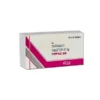
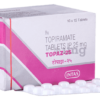
Topaz
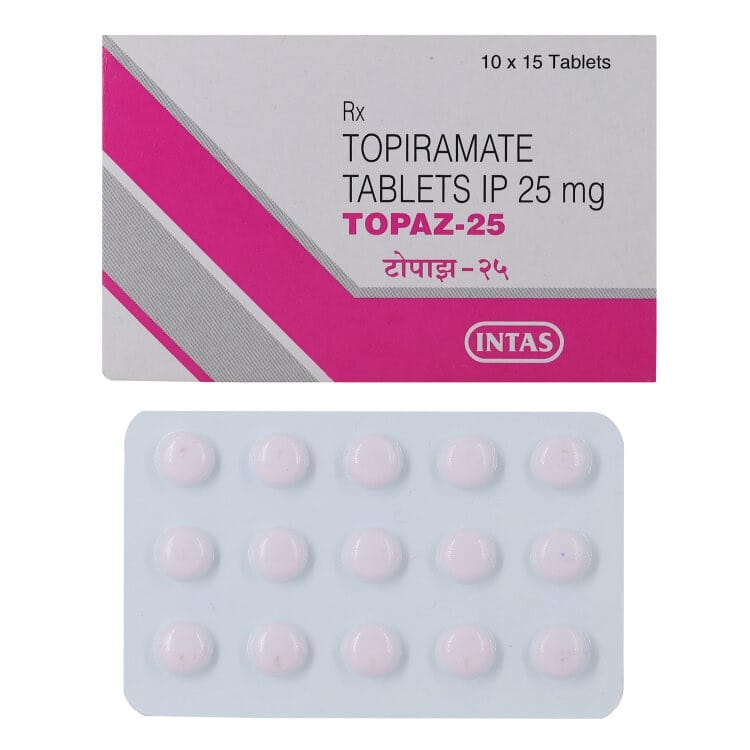
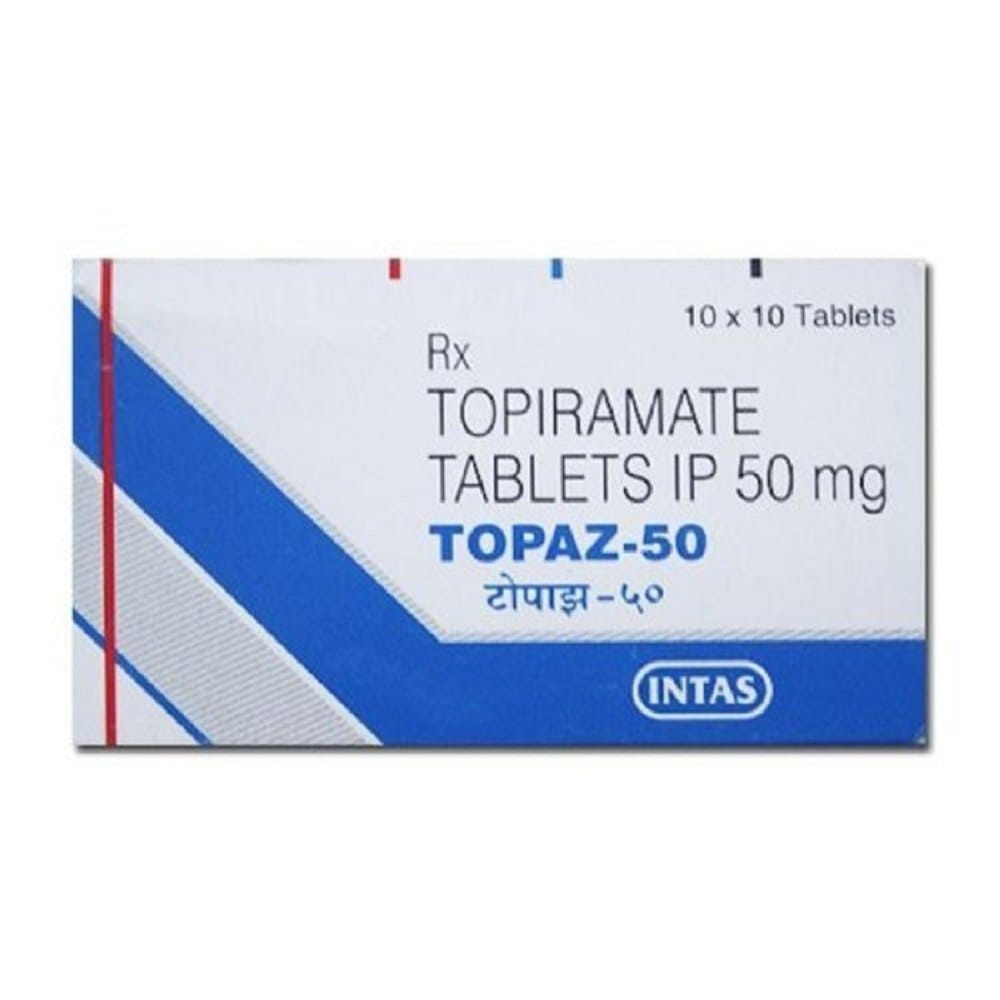
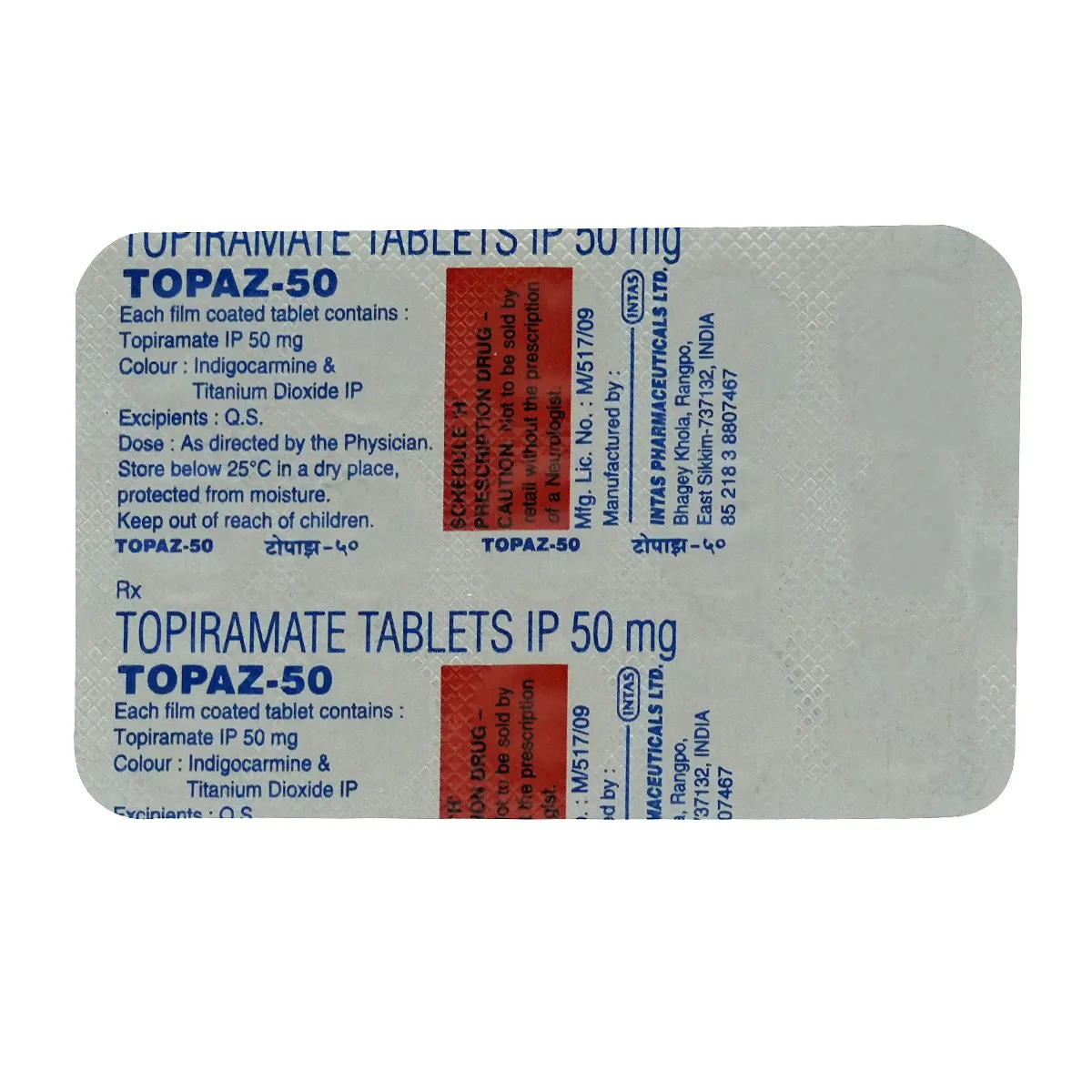
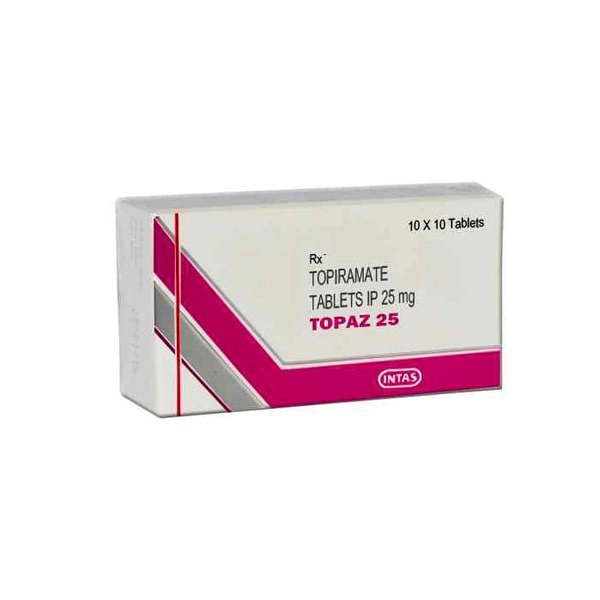
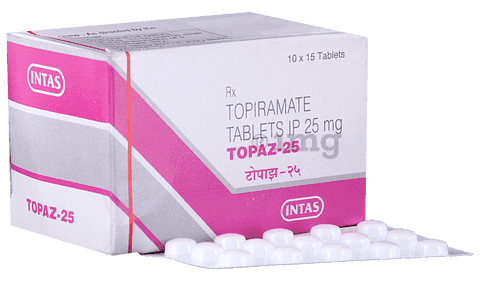

✅ Reduces seizure frequency
✅ Controls migraines
✅ Treats bipolar disorder
✅ Manages neuropathic pain
✅ Helps in weight loss
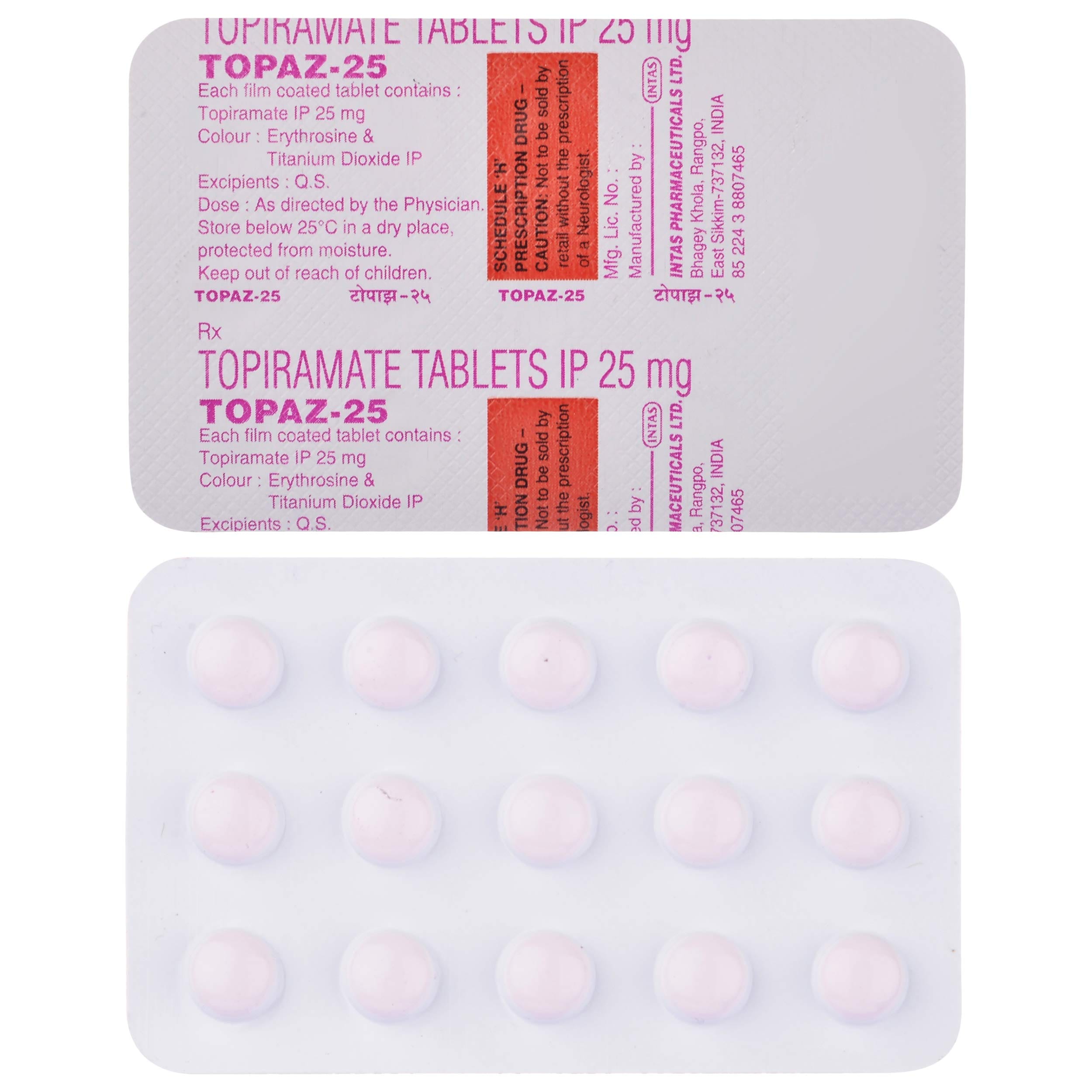
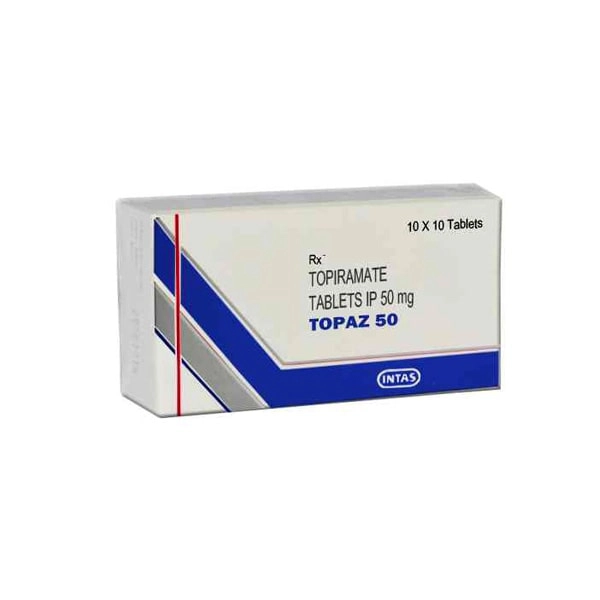
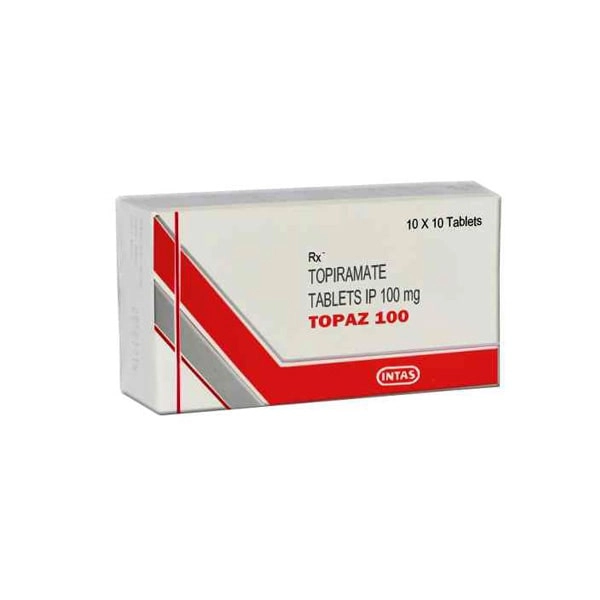
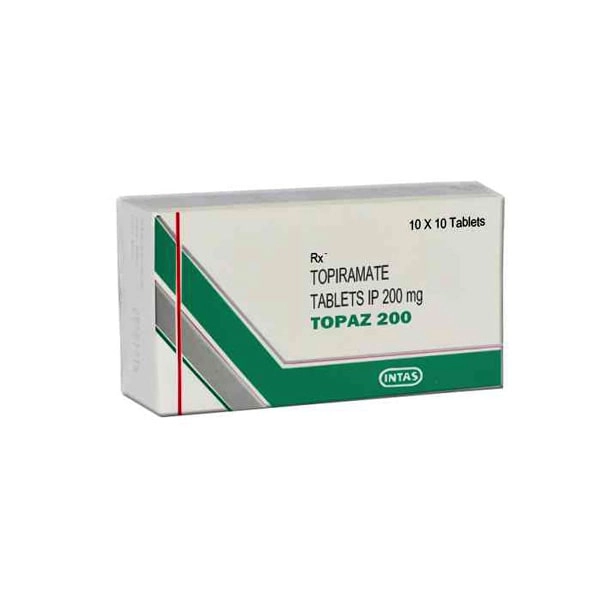
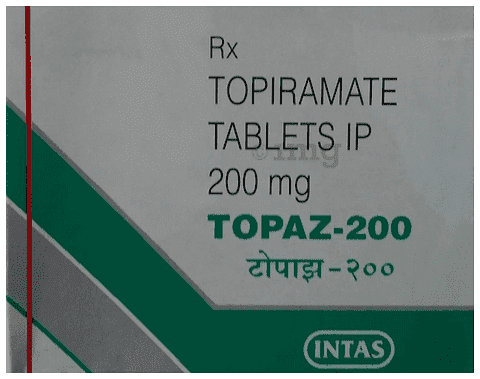
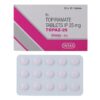
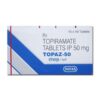
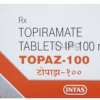
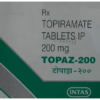
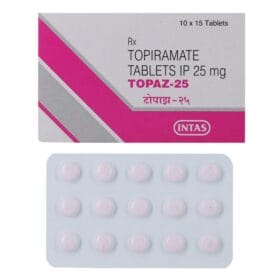
Topaz contains Topiramate.
✓ Medically reviewed by Morgan Ellis — Pharmacy Researcher · 8 years experience · Last reviewed: May 2026
⚡ Quick Answer — What is Topaz?
Topaz is an oral topiramate (25 mg, 50 mg) anticonvulsant and migraine-prophylaxis medication. Used for: partial-onset and primary generalised tonic-clonic seizures, Lennox-Gastaut syndrome, and migraine prophylaxis in adults and adolescents. Adult dosing: titrate from 25 mg/day to 100–400 mg/day in 2 divided doses (epilepsy) or 50–100 mg/day (migraine). Take with or without food, drink plenty of water. Onset: 4–8 weeks for full migraine effect. Distinct side-effect profile: weight loss, paraesthesia (tingling), word-finding difficulty, kidney stones, metabolic acidosis, narrow-angle glaucoma. Strongly teratogenic for cleft lip/palate — do not use in pregnancy unless absolutely necessary. Never stop abruptly — rebound seizures.
📦 Every order is covered by our Reshipment Assurance Policy — if your parcel does not arrive within 20 business days, we reship it.
Why order from MedsBase
Our generic medications are sourced from WHO-GMP certified manufacturers and shipped worldwide in discreet, plain packaging — no medication name on the parcel exterior. Card payments are routed through a regulated processor (statement descriptors include a regulated card-payment processor — never “MedsBase” or any medication name). Crypto and SEPA bank transfer are also accepted. Every order is backed by our Reshipment Assurance Policy.
What Is Topaz?
Topaz is an oral topiramate tablet available in 25 mg, 50 mg strengths. Topiramate is a sulfamate-substituted monosaccharide anticonvulsant introduced in the 1990s, with a uniquely broad mechanism profile that gives it efficacy across focal and generalised seizures, migraine prophylaxis, and a documented signal for weight loss (it is a component of the FDA-approved obesity drug Qsymia® alongside phentermine).
Topaz is supplied by a WHO-GMP certified manufacturer and is bioequivalent to the originator brand Topamax® (Janssen) at the same milligram strength.
How Does Topaz Work?
Topiramate has at least five complementary mechanisms:
- Voltage-gated sodium channel blockade — reduces high-frequency neuronal firing in seizure foci.
- Enhanced GABA-A receptor activity at a non-benzodiazepine site — increases inhibitory neurotransmission.
- AMPA/kainate glutamate receptor antagonism — reduces excitatory neurotransmission.
- L-type voltage-activated calcium channel inhibition.
- Carbonic anhydrase inhibition (isoforms II and IV) — the basis of side effects (paraesthesia, kidney stones, metabolic acidosis) and possibly part of the migraine and weight-loss effects.
This polypharmacology gives topiramate broad efficacy but also its distinctive side-effect profile — carbonic-anhydrase-related effects (paraesthesia, kidney stones, metabolic acidosis, glaucoma) are unique among modern anticonvulsants.
Uses and Indications
- Partial-onset (focal) seizures — monotherapy and adjunctive (FDA-approved)
- Primary generalised tonic-clonic seizures — monotherapy and adjunctive
- Lennox-Gastaut syndrome — adjunctive
- Migraine prophylaxis in adults and adolescents 12+ — FDA-approved (the most common reason for use in non-epilepsy patients)
- Off-label: obesity (component of Qsymia®), binge-eating disorder, alcohol-use disorder (modest evidence), idiopathic intracranial hypertension, essential tremor (modest)
Topaz is not first-line for: absence seizures (use ethosuximide or valproate), acute mania (use valproate or atypical antipsychotic), pure anxiety disorders.
Topaz Dosage and How to Take
Topaz strengths: 25 mg, 50 mg.
Standard adult dosing:
- Migraine prophylaxis: Week 1 — 25 mg at bedtime. Week 2 — 25 mg twice daily. Week 3 — 25 mg morning + 50 mg evening. Week 4 — 50 mg twice daily (target 100 mg/day). Some patients respond at 50 mg/day; some need 200 mg/day.
- Epilepsy (adjunct): Start 25–50 mg/day; titrate by 25–50 mg every 1–2 weeks. Maintenance 200–400 mg/day in 2 doses. Monotherapy maintenance is similar.
- Children >2 years (epilepsy adjunct): 5–9 mg/kg/day in 2 doses, titrated slowly.
- Renal impairment (CrCl <70 mL/min): halve the dose; dialysis: post-dialysis supplementary dose required.
How to Take Topaz Properly
- Slow titration is essential. Faster escalation does not produce faster benefit but reliably produces more cognitive side effects, paraesthesia, and dropout. Most discontinuations are because of side effects, which are largely titration-related.
- With or without food. Drink plenty of water (2–3 L/day) to reduce kidney stone risk — especially if you live in a hot climate, do strenuous exercise, or are on a ketogenic/low-carb diet.
- Twice-daily dosing at maintenance. Once-daily 25–50 mg at bedtime is reasonable in the early titration weeks.
- Allow 4–8 weeks at therapeutic dose before judging migraine response. Migraine prophylaxis is not all-or-nothing — a 50% reduction in monthly migraine days is the realistic target.
- Avoid the ketogenic and Atkins diets — combined with topiramate’s carbonic anhydrase inhibition, these diets sharply increase metabolic acidosis and kidney stone risk.
- Tell every prescriber. Topiramate interacts with combined oral contraceptives (reduces oestrogen levels above 200 mg/day), other anticonvulsants, and lithium.
- Never stop abruptly. Sudden discontinuation can precipitate rebound seizures in epilepsy patients (even those seizure-free for years) and rebound migraine. Taper over 2–4 weeks under medical supervision.
- Vision changes — emergency. Sudden eye pain, blurred vision, or red eye can indicate acute angle-closure glaucoma, an idiosyncratic reaction in the first 1–2 weeks. Stop the drug and seek same-day ophthalmology assessment.
Side Effects of Topaz
Common (often dose-related, may settle):
- Paraesthesia (tingling of fingers, toes, face) — very characteristic, often dose-related, sometimes settles, sometimes persists
- Cognitive slowing, word-finding difficulty (“dopamax” colloquial nickname)
- Drowsiness, fatigue
- Dizziness
- Weight loss (often viewed as benefit; mean 1.5–5 kg over 6 months)
- Anorexia, taste disturbance (carbonated drinks may taste flat or metallic)
- Nausea
Less common but important:
- Mood disturbance — depression, anxiety, irritability (5–10%)
- Kidney stones (1.5% — 2–4× population baseline). Usually calcium phosphate stones from urine alkalinisation.
- Metabolic acidosis — hyperchloraemic, mild but clinically relevant in long-term use; check bicarbonate annually
- Hypohidrosis (reduced sweating) and hyperthermia — especially in children in hot climates
- Decreased libido or sexual function
- Tremor
Rare but seek emergency care:
- Acute angle-closure glaucoma — sudden eye pain, blurred vision, red eye in the first 1–2 weeks. Stop the drug, same-day ophthalmology. Can cause permanent vision loss.
- Suicidal ideation — class warning for all anticonvulsants.
- Acute myopia — sudden change in refraction, related to angle-closure mechanism
- Hyperammonaemic encephalopathy — especially when combined with valproate
- Stevens-Johnson syndrome (very rare)
- Severe metabolic acidosis
- Oligohidrosis-related heat stroke (paediatric)
Warnings and Precautions — CRITICAL
- Pregnancy — FDA Pregnancy Category D. Topiramate substantially increases the risk of cleft lip and cleft palate in first-trimester exposure (approximately 1.4% on topiramate vs 0.07% baseline in registry data — a 20-fold relative risk). Do not use for migraine prophylaxis in women who could become pregnant unless other options have failed and reliable contraception is in place. Folate 5 mg/day is recommended in any anticonvulsant pregnancy planning.
- Acute angle-closure glaucoma — idiosyncratic, in the first 1–2 weeks. Sudden eye pain, blurred vision or red eye is a same-day ophthalmology emergency.
- Cognitive effects — word-finding difficulty, slow processing, memory complaints. Often dose-related; sometimes the limiting side effect for migraine prophylaxis. Reversible on dose reduction.
- Metabolic acidosis — chronic. Check serum bicarbonate annually; symptomatic acidosis (hyperventilation, fatigue, anorexia) warrants dose reduction or discontinuation.
- Kidney stones — hydrate well; avoid ketogenic diets; consider urinary citrate supplementation if recurrent.
- Hyperammonaemic encephalopathy when combined with valproate — check ammonia level if drowsiness, confusion or vomiting develops.
- Hypohidrosis and hyperthermia — especially children in hot environments. Monitor for reduced sweating, prolonged heat exposure tolerance.
- Combined oral contraceptive interaction — topiramate >200 mg/day reduces oestrogen levels by ~30%; consider a higher-oestrogen pill or alternative contraception above 200 mg/day.
- Suicidality — class warning. Tell a clinician for any new mood change.
- Never stop abruptly in epilepsy — rebound seizures.
Contraindications — Who Should NOT Take Topaz
- Known hypersensitivity to topiramate or any tablet excipient
- Pregnancy when used for migraine prophylaxis (avoid; absolute risk of cleft palate)
- Severe metabolic acidosis at baseline
- Active acute angle-closure glaucoma
- History of recurrent calcium stone disease (relative; specialist input)
- Children <2 years for partial seizures; <12 years for migraine prophylaxis
Drug Interactions
| Combine with | Effect | What to do |
|---|---|---|
| Sodium valproate | Risk of hyperammonaemic encephalopathy and hypothermia | Check ammonia level if symptoms develop. Avoid combination if alternatives exist. |
| Combined oral contraceptives | Topiramate >200 mg/day reduces oestrogen levels by ~30% | Consider higher-oestrogen pill, alternative contraception, or barrier backup. Doses ≤200 mg/day generally compatible. |
| Carbamazepine, phenytoin | Reduce topiramate levels (enzyme induction) | Topiramate dose may need to be increased. Monitor effect. |
| Lithium | Topiramate can increase lithium levels (renal mechanism) | Monitor lithium levels more closely. |
| Acetazolamide, dichlorphenamide | Additive carbonic anhydrase inhibition — metabolic acidosis, kidney stones | Avoid combination. |
| Metformin | Topiramate can worsen metabolic acidosis with metformin | Monitor; both contribute to acidosis. |
| Alcohol | Additive CNS depression and cognitive impairment | Limit alcohol entirely on Topaz. |
| Phentermine | Additive weight loss (Qsymia® combination), increased BP | Specialist supervision; not a casual combination. |
| Hydrochlorothiazide | Increases topiramate levels | Watch for topiramate side effects after starting HCTZ. |
Storage Instructions
- Store at room temperature, 15–30°C. Protect from moisture.
- Keep tablets in the original blister pack until use.
- Do not store in the bathroom — humidity shortens shelf life.
- Keep out of reach of children.
- Do not use after the expiry date.
- Return unused tablets to a pharmacy for proper disposal.
Related Alternatives on MedsBase
Other medications stocked for related conditions:
- Browse all neurological & epilepsy medications
- Browse anti-migraine medications
- Browse mental health & psychiatric medications
Frequently Asked Questions
Why does Topaz cause tingling in my fingers and face?
Paraesthesia (tingling) is a direct effect of topiramate’s carbonic anhydrase inhibition on peripheral nerves and is reported by 30–50% of patients during titration. It is usually mild and dose-related; some patients adapt over 4–8 weeks, others continue to feel it. Potassium-rich foods (bananas, avocados, beans) sometimes help. If paraesthesia is severe or persistent, dose reduction is the standard response.
Will Topaz really help my migraines?
Topiramate is one of the most evidence-supported migraine prophylactics. Pivotal trials at 100 mg/day showed an average 50% reduction in monthly migraine days in approximately 50% of patients who tolerate it. Full effect takes 4–8 weeks. It does not stop migraines mid-attack — that is the role of triptans, NSAIDs or gepants. The realistic goal is fewer attacks per month, not zero attacks.
Why does Topaz cause cognitive slowing?
Topiramate’s combined effects on glutamate, GABA and carbonic anhydrase appear to slow language processing and working memory. The classic complaint is word-finding difficulty (“the word is on the tip of my tongue”). It is dose-dependent and reversible: doses below 100 mg/day produce minimal cognitive effects in most people; doses >200 mg/day produce noticeable slowing in many patients. Slow titration helps.
Is Topaz safe in pregnancy?
No — topiramate is a documented teratogen. First-trimester exposure increases the risk of cleft lip and cleft palate by approximately 20-fold over baseline (~1.4% absolute risk). Topiramate should not be used for migraine prophylaxis in women who could become pregnant unless other options have failed and reliable contraception is documented. For epilepsy, the trade-off is harder — specialist input is essential. Folate 5 mg/day is recommended in any anticonvulsant pregnancy planning.
Will Topaz cause weight loss?
Yes, in many patients. Topiramate produces a mean weight loss of 1.5–5 kg over 6 months, driven by appetite reduction, taste change (carbonated drinks taste flat), and metabolic effects of carbonic anhydrase inhibition. It is a component of the FDA-approved obesity medication Qsymia® (topiramate + phentermine). Weight loss is typically welcomed for migraine and epilepsy patients but means underweight individuals need close monitoring.
Why must I drink so much water on Topaz?
Topiramate causes urine alkalinisation and reduced urinary citrate, which together raise the risk of calcium phosphate kidney stones (~1.5%, vs 0.5% baseline). Adequate hydration (2–3 L/day, more in heat) keeps urine dilute and reduces stone risk. Avoid the ketogenic and Atkins diets — the combination of low carbohydrate and topiramate sharply increases acidosis and stone formation.
What is the eye warning about?
Topiramate can cause idiosyncratic acute angle-closure glaucoma, usually in the first 1–2 weeks. Symptoms: sudden eye pain, blurred vision, red eye, nausea. This is a same-day ophthalmology emergency. Untreated, it can cause permanent vision loss within 24–48 hours. Stop the drug immediately and seek care — do not wait for a routine appointment.
Can Topaz replace my contraceptive pill?
No. Topiramate is not a contraceptive; in fact above 200 mg/day it reduces oestrogen levels in combined oral contraceptives by approximately 30%, potentially reducing pill effectiveness. Discuss with your prescriber if you are on the pill: doses up to 200 mg/day are usually compatible; higher doses may need a higher-oestrogen pill or alternative method. Doses for migraine (50–100 mg/day) rarely cause this issue.
Can I drink alcohol on Topaz?
Light alcohol is usually tolerated, but the combination is additive: more cognitive slowing, more drowsiness, more memory impairment. Topiramate is sometimes used off-label to reduce alcohol craving in alcohol-use disorder, but that does not mean drinking on it is safe. Avoid binge drinking entirely.
How do I taper off Topaz safely?
Reduce by 25–50 mg every 1–2 weeks for migraine prophylaxis; slower for epilepsy under your neurologist’s supervision. Sudden discontinuation can precipitate rebound seizures (epilepsy) or rebound migraine. Cognitive side effects often resolve within 4–8 weeks of stopping; weight may slowly return.
Where is Topaz manufactured?
Topaz is supplied by a WHO-GMP certified manufacturer and is bioequivalent to the originator brand Topamax® (Janssen) at the same milligram strength. Batch certificates of analysis are available on request.
Related Alternatives
Other products in Chronic Conditions that customers also view:
More options in Neurological Conditions and Epilepsy
Ranked by recent MedsBase order volume — what other customers in this category are picking.

| Strength | 25 mg, 50 mg |
|---|---|
| Quantity | 10 Tablet/s, 30 Tablet/s, 60 Tablet/s, 90 Tablet/s, 180 Tablet/s |
 Topaz
Topaz
Q & A
Topaz
Related products







Reviews
There are no reviews yet