







Pyrimon Eye Drop
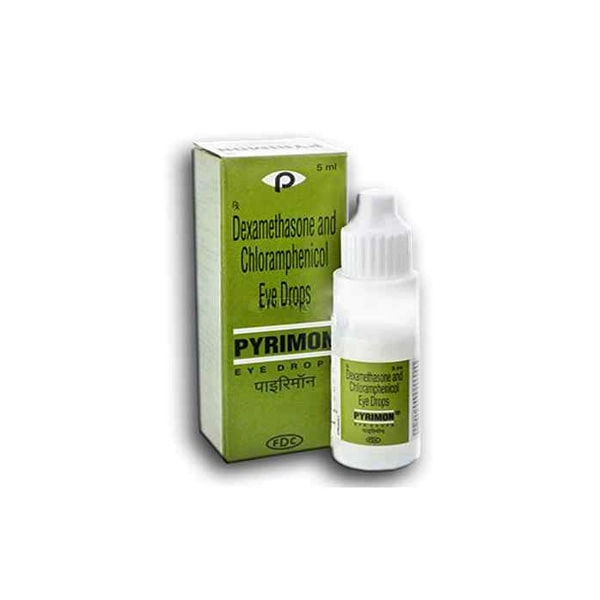
Pyrimon (chloramphenicol 0.5% + dexamethasone 0.1%) — broad-spectrum antibiotic + steroid eye drop for bacterial conjunctivitis with inflammation. Avoid in viral keratitis.
✓ Medically reviewed by Morgan Ellis — Pharmacy Researcher · 8 years experience · Last reviewed: May 2026
⚡ Quick Answer — What is Pyrimon Eye Drop?
Pyrimon Eye Drop combines Chloramphenicol 0.5% (antibiotic) with dexamethasone 0.1% (corticosteroid) for bacterial eye infection complicated by significant inflammation. Use only when both bacterial infection AND inflammation are present. Avoid in viral or fungal keratitis.
📦 Every order is covered by our Reshipment Assurance Policy — if your parcel does not arrive within 20 business days, we reship it.
Why order from MedsBase
Pyrimon Eye Drop is sourced from a WHO-GMP certified manufacturer and shipped worldwide in plain, discreet packaging. Every order is covered by our Reshipment Assurance Policy — if it has not arrived after 20 business days we reship at no extra cost. Backed by 1,400+ verified customer reviews.
What is Pyrimon Eye Drop?
Pyrimon Eye Drop is manufactured by FDC — a fixed combination of the antibiotic Chloramphenicol 0.5% and the corticosteroid dexamethasone 0.1%. The dual mechanism kills bacterial pathogens while suppressing the inflammatory response that contributes to symptom severity. Reserved for situations where both components are clinically justified.
How It Works
Chloramphenicol binds the 50S ribosomal subunit, blocking peptidyl transferase and bacterial protein synthesis — bactericidal against susceptible Gram-positive and Gram-negative organisms. dexamethasone binds intracellular glucocorticoid receptors, suppressing transcription of pro-inflammatory cytokines and leukocyte trafficking, reducing redness, swelling, and discomfort.
Indications
- Bacterial conjunctivitis with significant inflammation
- Bacterial blepharoconjunctivitis
- Post-operative bacterial keratitis with corneal oedema (under specialist guidance)
- Anterior uveitis with bacterial co-infection (rare; specialist setting only)
- Selected post-cataract regimens that bundle antibiotic prophylaxis with steroid
Dosing
1–2 drops in affected eye(s) every 4–6 hours. In severe inflammation, dose may be increased to every 2 hours during the first 24–48 hours. Tapering schedule is set by the prescribing ophthalmologist. Typical course: 7–14 days, never indefinite.
Side Effects
Steroid-related: elevated intraocular pressure (steroid response — typically appears 2+ weeks into therapy; about a third of the population are ‘steroid responders’), posterior subcapsular cataract with prolonged use, delayed corneal/conjunctival wound healing, secondary infection from immune suppression (especially fungal and herpetic).
Antibiotic-related: stinging on instillation, conjunctival hyperaemia, lid eczema, hypersensitivity, very rare aplastic anaemia (extremely rare with topical exposure but historically reported).
Warnings & Contraindications
- Herpes simplex keratitis (dendritic / geographic ulcer) — absolute
- Fungal keratitis — absolute
- Varicella, vaccinia, mycobacterial eye disease — absolute
- Hypersensitivity to either component
- Children — use only with specialist guidance and IOP monitoring
- Pregnancy / breastfeeding — discuss with prescriber; topical absorption minimal but steroid Category C
- Open-angle glaucoma — relative contraindication; monitor IOP closely
- Prolonged use beyond 14 days — increases all risks above
Storage
Store at 15–25°C protected from light. Shake before each use if specified. Discard 28 days after first opening.
Frequently Asked Questions
When is Pyrimon Eye Drop the right choice?
Bacterial eye infection where inflammation is contributing significantly to symptoms — classically post-operative or significantly inflamed bacterial conjunctivitis. If you are unsure whether the infection is bacterial, antibiotic alone is the safer choice.
Why not always combine antibiotic and steroid?
Steroids mask infection signs and accelerate viral and fungal disease. Adding steroid to a missed herpes simplex ulcer or fungal keratitis can blind the eye within days. Always confirm bacterial diagnosis first.
What is steroid response?
About 30% of the population have a genetic predisposition to develop elevated IOP when exposed to topical steroids. Onset is typically 2+ weeks into therapy. Your ophthalmologist should check IOP if you use topical steroid for more than 2 weeks.
How long can I use Pyrimon Eye Drop?
Most courses are 7–14 days. Indefinite use risks cataract, glaucoma, and opportunistic infection. Always have a defined end-point and ophthalmology review.
What if my vision worsens during treatment?
Stop and seek same-day ophthalmology review. Worsening on antibiotic+steroid is a red flag for missed herpetic, fungal, or amoebic keratitis.
Is Pyrimon Eye Drop safe in pregnancy?
Topical absorption is minimal, but steroids carry Category C status. Discuss with your prescriber; usually possible with short courses when clearly indicated.
Can children use Pyrimon Eye Drop?
Only under specialist supervision with IOP monitoring. Children are particularly vulnerable to steroid-induced cataract and glaucoma.
Why are dexamethasone and prednisolone different choices?
Dexamethasone is more potent but carries higher IOP-raising potential. Prednisolone has slightly lower IOP risk. Loteprednol (a different molecule) is designed to be ‘soft’ with lower IOP risk and is often preferred for chronic use.
What if I'm a contact-lens user?
Stop lenses during treatment. Steroid-mediated immunosuppression makes contact-lens microbial keratitis particularly dangerous.
What if I have herpes simplex history?
Disclose this clearly to your prescriber. Steroids can reactivate dormant herpes and convert minor flare-ups into vision-threatening keratitis. A different antibiotic-only regimen is safer.
Other Eye-Care Medications
Customers viewing this product also consider these alternatives in our Eye Care range:
- Pred Forte (prednisolone acetate)
- FML Eye Drop (fluorometholone)
- Lotepred Eye Drop (loteprednol)
- Acular LS (ketorolac)
- Megabrom (bromfenac)
Medical Disclaimer
The information on this page is for educational purposes only and is not a substitute for medical advice from a qualified ophthalmologist or optometrist. Eye conditions can rapidly threaten sight — sudden vision loss, severe pain, or trauma is an ophthalmology emergency. Always consult an eye-care professional before starting, stopping, or changing any treatment.
More options in Eye Care
Ranked by recent MedsBase order volume — what other customers in this category are picking.
| Strength | 3.7 ml |
|---|---|
| Quantity | 1 Eye Drop/s, 3 Eye Drop/s, 6 Eye Drop/s |
| Pharma Form | Eye Drop/s |
| Manufacturer | FDC Ltd |
| Treatment | Eye Care |
| Generic Brand | Dexamethasone + Chloramphenicol |
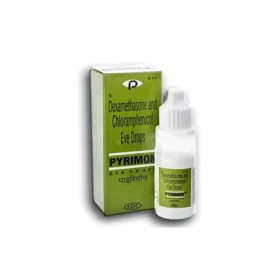 Pyrimon Eye Drop
Q & A
Pyrimon Eye Drop
Related products



Reviews
There are no reviews yet