









Irovel
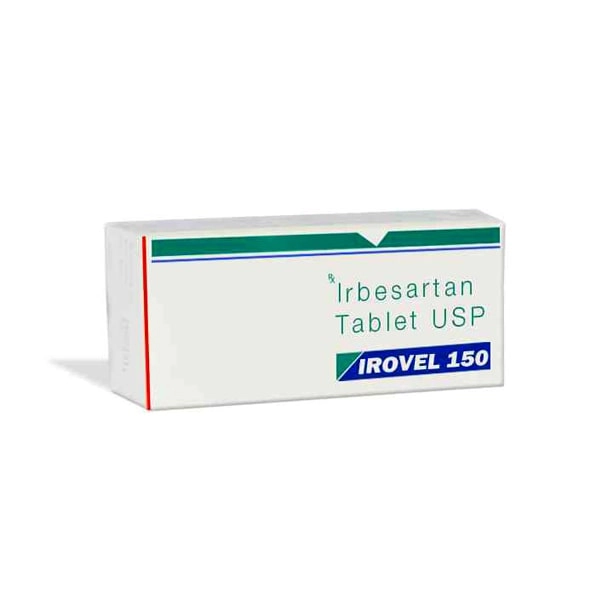
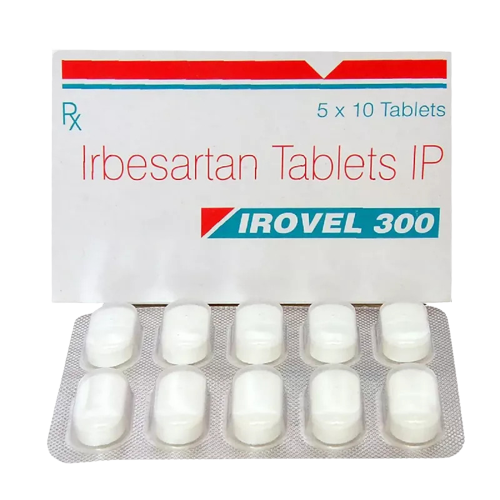
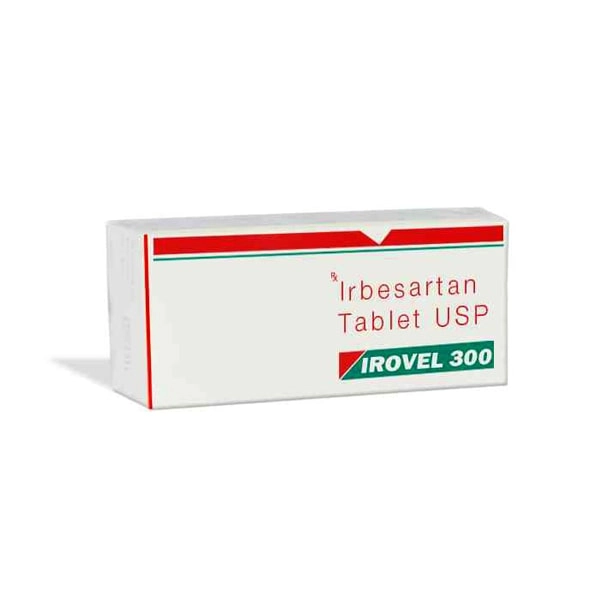


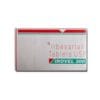
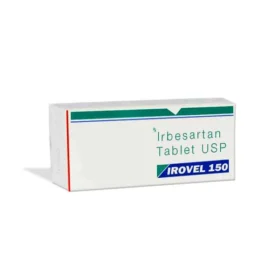
Irovel is irbesartan 150/300 mg tablets from Sun Pharma — ARB with the strongest evidence base for renoprotection in type 2 diabetic nephropathy (IRMA-2 prevented progression from microalbuminuria; IDNT reduced doubling of creatinine or ESRD). Highest target dose among ARBs (300 mg once daily). Standard starting dose 150 mg; titrate for BP and albuminuria response.
✓ Medically reviewed by Morgan Ellis — Pharmacy Researcher · 8 years experience · Last reviewed: May 2026
⚡ Quick Answer — What is Irovel?
Irovel is a 150 / 300 mg irbesartan tablet from Sun Pharma — an angiotensin II receptor blocker (ARB). ARBs are first-line antihypertensive therapy alongside ACE inhibitors, CCBs, and thiazides per NICE, AHA/ACC, and ESC/ESH guidelines — and are the preferred alternative when an ACE inhibitor is not tolerated (usually because of the dry cough, which affects up to 20% of ACE-inhibitor users). Introduced 1997 (Sanofi + Bristol-Myers Squibb as Avapro / Aprovel / Karvea). ARB with the strongest diabetic-nephropathy evidence base. Active drug (not a prodrug); no metabolic activation. Half-life 11-15 hours; once-daily dosing. Typical hypertension dose: start 150 mg once daily (75 mg if volume-depleted or elderly), target 150-300 mg once daily. Irbesartan has the highest target dose among ARBs (300 mg) and the strongest evidence for renoprotection in type 2 diabetic nephropathy — two pivotal trials (IRMA-2 and IDNT) established irbesartan as the go-to ARB for preserving renal function in type 2 diabetics with overt nephropathy. Absolutely contraindicated in pregnancy (all trimesters — same teratogenic profile as ACE inhibitors: fetal renal agenesis, oligohydramnios, pulmonary hypoplasia), bilateral renal artery stenosis, and concurrent sacubitril/valsartan or aliskiren. Monitor potassium and creatinine.
📦 Every order is covered by our Reshipment Assurance Policy — if your parcel does not arrive within 20 business days, we reship it.
Why order from MedsBase
Our generic medications are sourced from WHO-GMP certified manufacturers and shipped worldwide in discreet, plain packaging — no medication name on the parcel exterior. Card payments are routed through a regulated processor (statement descriptors include a regulated card-payment processor — never “MedsBase” or any medication name). Crypto and SEPA bank transfer are also accepted. Every order is backed by our Reshipment Assurance Policy.
What Is Irovel?
Irovel is an oral 150 / 300 mg irbesartan tablet from Sun Pharma, supplied in 30-180 tablets. Introduced 1997 (Sanofi + Bristol-Myers Squibb as Avapro / Aprovel / Karvea). ARB with the strongest diabetic-nephropathy evidence base. Active drug (not a prodrug); no metabolic activation. Half-life 11-15 hours; once-daily dosing.
How Irbesartan Lowers Blood Pressure
ARBs block the angiotensin II type 1 (AT1) receptor directly, preventing angiotensin II from binding and exerting its vasoconstrictor and aldosterone-releasing effects. This is one receptor downstream of where ACE inhibitors act (which block angiotensin II formation) and produces equivalent clinical effects:
- Direct arterial vasodilation — lower systemic vascular resistance = lower blood pressure
- Reduced aldosterone secretion — less sodium and water retention
- Reduced sympathetic nervous system activation
- Improved endothelial function and reduced ventricular remodelling — the vascular-protective mechanism beyond simple BP lowering
- NO bradykinin accumulation — this is the key clinical difference from ACE inhibitors. ARBs do NOT cause the dry cough that affects up to 20% of ACEi users, because they don’t interfere with bradykinin metabolism.
Clinical consequence of this mechanism: ARBs achieve equivalent BP control to ACE inhibitors with lower rates of cough (0-3% vs 20% for ACEi) and angioedema (roughly 30-50% lower than ACEi, though not zero).
Approved and Evidence-Based Uses
- Hypertension — primary indication; first-line per international guidelines
- Type 2 diabetic nephropathy — IRMA-2 + IDNT evidence; preferred ARB for renoprotection
- Hypertension (150-300 mg range)
- Proteinuric CKD generally
- Intolerance to ACE inhibitors (cough, less commonly angioedema) — standard switch target
Pivotal trial evidence: IRMA-2 (2001) — irbesartan prevented progression from microalbuminuria to overt nephropathy in type 2 diabetes. IDNT (2001) — irbesartan reduced doubling of serum creatinine, ESRD, or death by 20% in type 2 diabetic nephropathy vs placebo and by 23% vs amlodipine. I-PRESERVE (2008) — no benefit in HF with preserved ejection fraction.
Irovel Dosage
Hypertension:
- Starting dose: 150 mg once daily (75 mg if volume-depleted or elderly)
- Target dose: 150-300 mg once daily
- Maximum: 300 mg once daily
- Titrate every 2-4 weeks; full antihypertensive effect at 3-6 weeks
Heart failure: I-PRESERVE trial (HF with preserved ejection fraction) showed no outcome benefit; not first-line for HF
Administration: once daily, with or without food. Take at the same time each day for stable BP control.
Monitoring:
- Baseline: urea, electrolytes (particularly potassium), creatinine, eGFR. Home BP baseline.
- After 1-2 weeks: repeat U&E. Small rise in creatinine (up to 30%) is expected and acceptable. Small rise in potassium is common.
- After dose increase: repeat U&E at 1-2 weeks.
- Ongoing: annual U&E once stable.
- Stop and investigate: creatinine rise >30%, eGFR fall >25%, potassium >5.5, symptomatic hypotension.
Discontinuation: no withdrawal syndrome; however, abrupt stop causes BP rebound over days. Taper over 1-2 weeks when stopping.
Side Effects
Common (>1%, usually mild):
- Dizziness, postural hypotension (usually mild; more common at start of therapy)
- Mild hyperkalaemia
- Expected small creatinine rise (up to ~30% is acceptable; intrarenal haemodynamic change, not nephrotoxicity)
- Fatigue, headache
- Upper respiratory symptoms, nasopharyngitis
- Back pain, muscle cramps
Uncommon but important:
- Angioedema — lower rate than with ACE inhibitors but still possible. Incidence ~0.1%. Do NOT use an ARB if the patient has a documented history of angioedema to an ACE inhibitor in the first 4 weeks; longer-term cautious use often acceptable.
- Severe hyperkalaemia — particularly with potassium-sparing diuretics (spironolactone), potassium supplements, NSAIDs, or CKD
- Acute kidney injury in bilateral renal artery stenosis — same mechanism as ACE inhibitors
- First-dose hypotension in volume-depleted patients (e.g. on high-dose diuretics, severe HF)
Contraindications
- Pregnancy — ABSOLUTE contraindication at all trimesters. Same teratogenic profile as ACE inhibitors. Stop immediately on pregnancy; switch to labetalol, methyldopa, nifedipine, or hydralazine.
- History of angioedema with any ACE inhibitor or ARB (within 4 weeks)
- Bilateral renal artery stenosis or stenosis in a single functioning kidney
- Severe hepatic impairment (Child-Pugh C) — particularly for prodrug ARBs
- Hyperkalaemia >5.5 mmol/L at baseline
- Concurrent use of sacubitril/valsartan (Entresto) — 36-hour washout required when switching
- Concurrent aliskiren in diabetes or CKD (ALTITUDE trial harm)
- Concurrent ACE inhibitor — ONTARGET trial harm without benefit
- Hypersensitivity to irbesartan
Breastfeeding: avoid in the first weeks after delivery of a premature infant. Long-term use in established breastfeeding is generally considered acceptable given low milk transfer, but alternative antihypertensives (propranolol, nifedipine) are preferred when possible.
Drug Interactions
- Potassium-sparing diuretics (spironolactone, eplerenone, amiloride, triamterene) — additive hyperkalaemia; monitor closely
- Potassium supplements and salt substitutes — hyperkalaemia risk
- NSAIDs — reduce antihypertensive effect and increase AKI risk (particularly the “triple whammy”: ARB + diuretic + NSAID)
- Lithium — ARBs reduce lithium clearance; monitor levels
- ACE inhibitors — do NOT combine (ONTARGET harm)
- Sacubitril/valsartan (Entresto) — do not combine; 36-hour washout
- Aliskiren — avoid in diabetes or CKD (ALTITUDE harm)
ARB Class at a Glance
| ARB | Half-life | Distinguishing niche |
|---|---|---|
| Losartan (Losar, Cosart) | 2 h / 6-9 h (metabolite) | Uricosuric (useful in gout); LIFE trial stroke reduction |
| Olmesartan (Olmin, Olmeheal, Olmesar) | 13 h | Potent per mg; FDA sprue-like enteropathy warning |
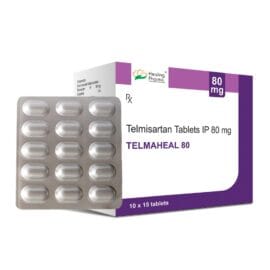
| Telmisartan (Telmaheal, Cresar, Targit) | 24 h (longest) | Metabolic benefit (PPAR-γ); ONTARGET CV protection |
| Valsartan (Diovan 160, Valent) | 6 h (24 h effect) | HF evidence (Val-HeFT, VALIANT); ARNI precursor (Entresto) |
| Irbesartan (Irovel) | 11-15 h | Diabetic nephropathy (IRMA-2, IDNT) |
| Candesartan | 9 h | HF evidence (CHARM); not stocked at MedsBase |
ARB vs ACE Inhibitor — When to Choose an ARB
ACE inhibitors (ramipril, enalapril, lisinopril, perindopril) and ARBs act on the same renin-angiotensin pathway and produce equivalent BP-lowering and cardiovascular protection. Choose an ARB when:
- ACE-inhibitor cough has appeared (up to 20% of users; most common reason for switch)
- Past ACE-inhibitor angioedema (use an ARB cautiously, not within 4 weeks of the angioedema episode)
- Some patients prefer the once-daily profile of long-acting ARBs like telmisartan for smooth 24-hour control
- Specific molecule indications — losartan for HTN+gout, irbesartan for type 2 diabetic nephropathy, valsartan as a precursor to ARNI in HF
Do NOT combine ARB + ACE inhibitor. ONTARGET trial (2008) showed the combination produces MORE adverse events (hyperkalaemia, AKI, hypotension) without any additional cardiovascular benefit. If a patient is on both, stop one.
Storage
Store Irovel below 25°C in the original blister pack. Keep out of reach of children.
Frequently Asked Questions
How long does Irovel take to lower blood pressure?
Initial BP drop within 1-2 hours; full antihypertensive effect at 3-6 weeks. Measure home BP at the same time each day to track response. If BP has not come to target at 6 weeks, either increase dose or add a second-class agent (CCB or thiazide are the standard add-ons to an ARB).
I switched from an ACE inhibitor because of cough — will my cough go away?
Yes. The ACE-inhibitor cough is caused by bradykinin accumulation; ARBs do not raise bradykinin. The cough typically resolves within 1-4 weeks of stopping the ACE inhibitor. If your cough persists beyond 6 weeks after switching to Irovel, investigate an alternative cause (reflux, postnasal drip, asthma).
Can I take Irovel in pregnancy?
No — ARBs are absolutely contraindicated in pregnancy, same as ACE inhibitors. They cause fetal renal agenesis, oligohydramnios, pulmonary hypoplasia, and skull defects. Stop immediately if pregnancy occurs. Women of childbearing potential should use reliable contraception; for those planning pregnancy, switch to labetalol, methyldopa, or nifedipine pre-conception.
My creatinine went up a bit after starting Irovel — should I stop?
A creatinine rise of up to 30% within the first 1-2 weeks is expected and acceptable. It reflects normal intrarenal haemodynamic adjustment as angiotensin-II-mediated efferent arteriolar tone is removed. A rise >30% suggests bilateral renal artery stenosis, volume depletion, or NSAID interaction and requires investigation (stop the drug, get renal imaging, review concurrent medication).
Should I avoid potassium-rich foods on Irovel?
Moderate intake of potassium-rich foods (bananas, oranges, spinach, avocado, potatoes) is fine for most users. Avoid potassium supplements (slow-K) and potassium-containing salt substitutes unless specifically prescribed — these can cause dangerous hyperkalaemia when combined with ARBs, particularly in CKD or with potassium-sparing diuretics.
Can I combine Irovel with my other BP medications?
Yes — ARBs combine well with calcium-channel blockers (amlodipine), thiazide diuretics (HCTZ), and beta-blockers (bisoprolol, metoprolol succinate). Do NOT combine an ARB with an ACE inhibitor (ramipril, lisinopril, etc.) — ONTARGET trial showed harm without benefit.
Can I take ibuprofen with Irovel?
Occasional short-term use is usually acceptable; chronic daily NSAIDs (ibuprofen, diclofenac, naproxen) reduce the antihypertensive effect of ARBs AND substantially raise the AKI risk — particularly when combined with a diuretic (the “triple whammy”). For chronic pain, paracetamol is safer; for inflammation, discuss alternatives.
Is Irovel lifelong?
For most patients with essential hypertension, yes — antihypertensive therapy is lifelong because stopping returns BP to pre-treatment levels within days to weeks. Some patients lose their hypertension through significant weight loss, reduced alcohol intake, or better sleep; their physician may then trial a careful taper under BP monitoring. Never stop Irovel without medical advice.
What if I miss a dose?
Take the missed dose as soon as you remember, unless it is nearly time for the next dose — in that case skip the missed dose and continue your normal schedule. Do not double up. A single missed dose will not meaningfully affect long-term BP control.
Where can I buy Irovel online?
You can buy Irovel (irbesartan 150 / 300 mg, 30-180 tablets) from MedsBase with discreet packaging and worldwide shipping.
Related Antihypertensives on MedsBase
- Amlode — Amlodipine CCB
- Cresar — Telmisartan 20 mg
- Diovan 160 — Valsartan 160 mg
- Losatec-H — Losartan + HCTZ
- Olmesar — Olmesartan 20/40 mg
- Valent — Valsartan 80/160 mg
- Browse all High Blood Pressure Medications
Related Alternatives
Other products in Chronic Conditions that customers also view:
More options in High Blood Pressure Medication
Ranked by recent MedsBase order volume — what other customers in this category are picking.
| Strength | 150 mg, 300 mg |
|---|---|
| Quantity | 30 Tablet/s, 60 Tablet/s, 90 Tablet/s |
| Pharma Form | Tablet/s |
| Manufacturer | Sun Pharma |
| Treatment | High blood pressure |
| Generic Brand | Irbesartan |
 Irovel
Q & A
Irovel
Related products






Reviews
There are no reviews yet