







L-Glutathione
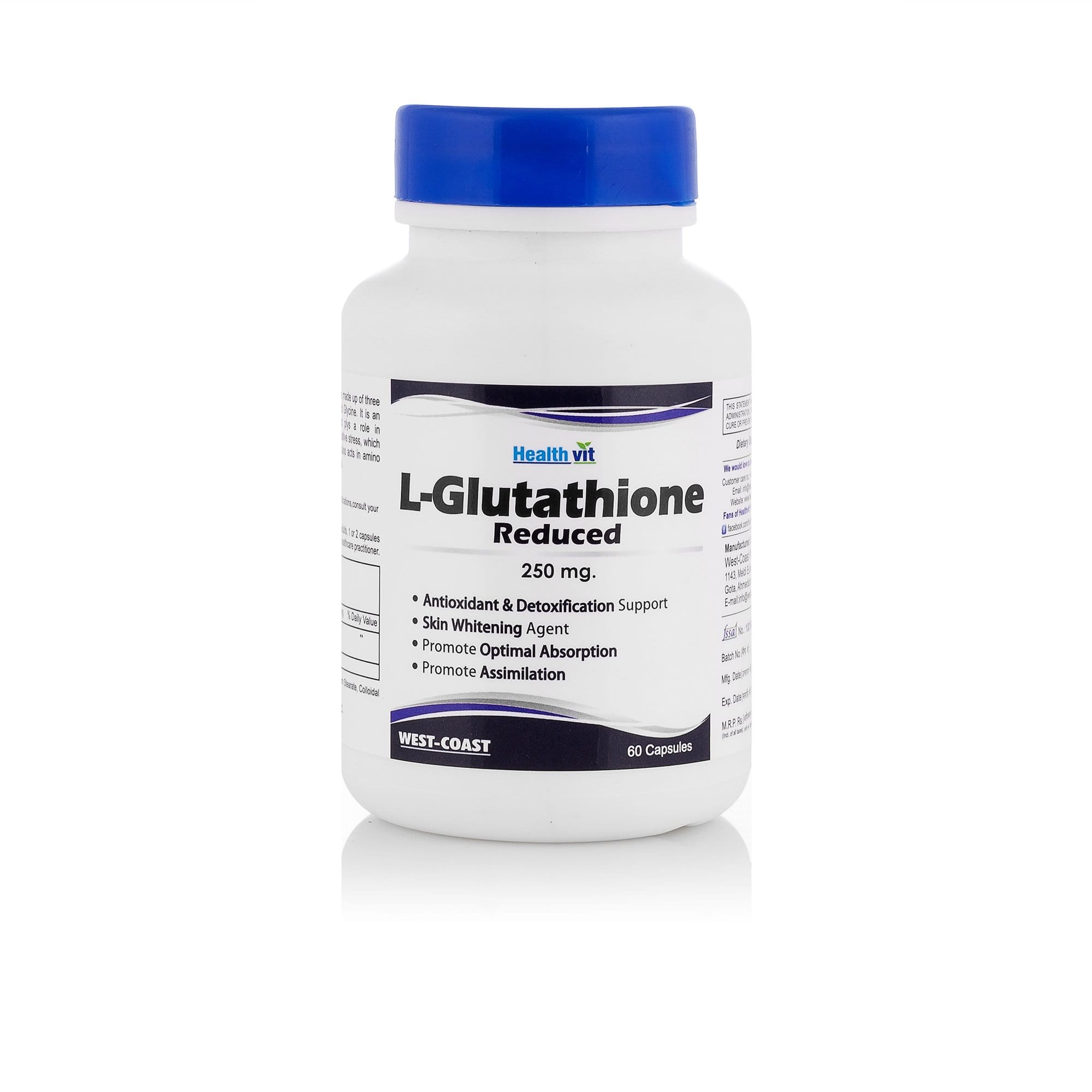
✅ Antioxidant properties
✅ Skin lightening effects
✅ Detoxifies the body
✅ Supports immune function
✅ Contains L-Glutathione
L-Glutathione contains L-Glutathione.
✓ Medically reviewed by Morgan Ellis — Pharmacy Researcher · 8 years experience · Last reviewed: May 2026
Quick Answer
L-Glutathione (reduced glutathione (GSH) oral / IV) is reduced glutathione — the major intracellular antioxidant tripeptide. It is used as adjunctive therapy in chemotherapy-induced peripheral neuropathy, in non-alcoholic fatty liver disease (NAFLD), and as a supportive antioxidant in oxidative-stress conditions.
- Reduced glutathione (L-glutathione, GSH) — the major intracellular antioxidant
- Indications: cisplatin / oxaliplatin neuropathy, NAFLD, oxidative liver stress, autism (research only)
- Oral capsule or IV (specialist setting)
- WHO-GMP certified manufacturer
📦 Every order is covered by our Reshipment Assurance Policy — if your parcel does not arrive within 20 business days, we reship it.
Every order is covered by our Reshipment Assurance Policy.
Why order from MedsBase
L-Glutathione is sourced from a WHO-GMP certified manufacturer. Every order ships in discreet, unbranded packaging worldwide and is covered by our Reshipment Assurance Policy. Pay securely with credit card, SEPA bank transfer, or cryptocurrency. See our 1,400+ verified customer reviews.
What is L-Glutathione?
L-Glutathione (reduced glutathione, GSH) is a tripeptide of glutamate, cysteine, and glycine. It is the major intracellular antioxidant, the substrate of glutathione peroxidase (the cellular hydrogen peroxide neutraliser), and a key thiol involved in detoxification of electrophiles, xenobiotics, and reactive oxygen species. Cellular GSH depletion is a feature of paracetamol toxicity, severe sepsis, oxidative liver injury, and chemotherapy-induced tissue damage.
Indications
- Cisplatin / oxaliplatin chemotherapy-induced peripheral neuropathy — modest evidence for IV glutathione reducing severity
- Non-alcoholic fatty liver disease (NAFLD) — reduces oxidative liver stress; evidence is modest
- Hepatic detoxification support in alcohol-related liver disease (adjunct only)
- Adjunctive antioxidant in chronic oxidative-stress conditions
- Idiopathic Parkinson’s disease — small studies show transient symptomatic benefit; not standard care
- Autism spectrum disorder — research-only, no evidence base for clinical use
Glutathione has been heavily marketed as an IV “skin-whitening” injection in cosmetic clinics across South-East Asia and Latin America. The FDA, EMA, and Indian CDSCO have all issued safety warnings against this off-label cosmetic use. Reported adverse effects include Stevens-Johnson syndrome, toxic epidermal necrolysis, kidney failure, severe abdominal pain, and at least one death. Skin colour is genetically determined and cosmetic glutathione carries serious risk for no proven benefit. We do not endorse this use.
Oral vs IV
Oral glutathione has long been thought poorly absorbed (digested to amino acids in the gut). Recent studies suggest some intact GSH does reach systemic circulation and modestly increases tissue GSH levels at sustained doses. IV glutathione delivers higher levels but is hospital-only. For chemotherapy-induced neuropathy, IV is the route in most trials. For NAFLD and general antioxidant support, oral is reasonable.
| Indication | Dose | Notes |
|---|---|---|
| Chemotherapy-induced peripheral neuropathy (cisplatin/oxaliplatin) | 1500–2500 mg IV before chemotherapy | Specialist hospital setting; oncology decision |
| NAFLD | 300–600 mg/day oral | Months; combine with weight loss and dietary change |
| Hepatic adjunctive support | 300 mg/day oral | Adjunct only; treat underlying cause |
| Parkinson’s disease (research) | 600 mg IV BID | Research setting only; not standard care |
Side effects
- Mild GI upset — nausea, dyspepsia (oral)
- Sulphurous odour in urine or breath (cysteine content)
- Severe cutaneous reactions (Stevens-Johnson syndrome, toxic epidermal necrolysis) — reported with IV cosmetic use, rare but life-threatening
- Allergic reaction
- Kidney injury — reported with high-dose cosmetic IV
Drug interactions
- Chemotherapy — theoretical concern of antioxidant interference with oxidative anti-cancer effect; oncology decision
- Paracetamol — in paracetamol overdose, N-acetylcysteine (NAC, the precursor to GSH) is the antidote; oral or IV glutathione is not the standard of care for overdose (use NAC)
- Cisplatin — intentional combination for neuroprotection
Contraindications
- Hypersensitivity
- Active malignancy without oncology approval (theoretical antioxidant interference)
- Severe renal impairment (caution with IV; cumulative cysteine load)
Storage
Store below 25°C in original packaging, protect from moisture and light.
Frequently Asked Questions
What does glutathione actually do?
It is the major intracellular antioxidant. The body makes it from glutamate, cysteine, and glycine. It neutralises reactive oxygen species, detoxifies xenobiotics in the liver via conjugation, and recycles other antioxidants (vitamin E, vitamin C). Cellular depletion is bad — central to paracetamol toxicity and severe sepsis. Whether supplementation in the well person provides benefit is the central question.
Will it whiten my skin?
No proven benefit for skin lightening, despite aggressive marketing. The FDA, EMA, and Indian CDSCO have issued safety warnings against this use. Reported severe adverse effects include Stevens-Johnson syndrome, toxic epidermal necrolysis, kidney failure, and death. Do not use glutathione for cosmetic purposes.
Will it help my liver?
Modest evidence in NAFLD — oral 300–600 mg/day for months, combined with weight loss and dietary change, may modestly reduce liver enzymes. Not a substitute for managing the underlying cause (obesity, diabetes, alcohol).
Will it help chemotherapy side effects?
IV glutathione before cisplatin or oxaliplatin chemotherapy has modest evidence for reducing severity of peripheral neuropathy. This is an oncology setting decision — do not self-administer.
Is oral or IV better?
IV delivers more drug. Oral was long thought useless but recent evidence suggests modest tissue GSH increase at sustained doses. For most non-oncology indications, oral is the practical choice. For chemotherapy-induced neuropathy, IV is the route in trials.
Can I take it during chemotherapy?
Disclose to your oncologist. The neuroprotection-versus-tumour-protection balance is debated; specific protocols use specific timing of glutathione relative to chemotherapy infusion. Do not start without oncology sign-off.
Is it safe in pregnancy?
Limited data — avoid in pregnancy unless a specific indication requires it.
Will it improve my immunity?
Glutathione is essential for normal immune function and depletion is associated with various immune problems. Whether supplementation in well people improves immune function is unproven. Diet and lifestyle have larger effects.
What about oral N-acetylcysteine (NAC)?
NAC is the cysteine precursor that the body uses to synthesise glutathione. Oral NAC may be a better strategy for raising intracellular GSH than oral glutathione because of better gut absorption and direct cellular substrate use. NAC has stronger evidence for COPD exacerbation reduction and other indications.
How long should I take it?
For the few evidence-based indications (NAFLD adjunct, chemotherapy neuroprotection in selected oncology settings, Parkinson’s research), continue for the duration the evidence supports. For “general antioxidant support” or “detox” use, evidence is too thin to recommend long-term use.
Other Vitamins & Minerals
- Celin — vitamin C 500 mg
- C Vitan Z — vitamin C + zinc + minerals
- Multivite Gold — comprehensive multivitamin softgel
- E-Vitan Hair Oil — topical vitamin E hair oil
- Becozinc — B-complex with zinc
- Metabolis — methylation-support multivitamin
Medical Disclaimer
More options in Vitamins and Minerals
Ranked by recent MedsBase order volume — what other customers in this category are picking.
| Strength | 250 mg |
|---|---|
| Quantity | 60 Capsule/s, 120 Capsule/s, 180 Capsule/s, 360 Capsule/s |
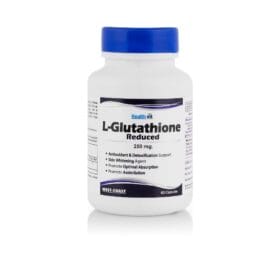 L-Glutathione
Q & A
L-Glutathione
Related products


Reviews
There are no reviews yet