







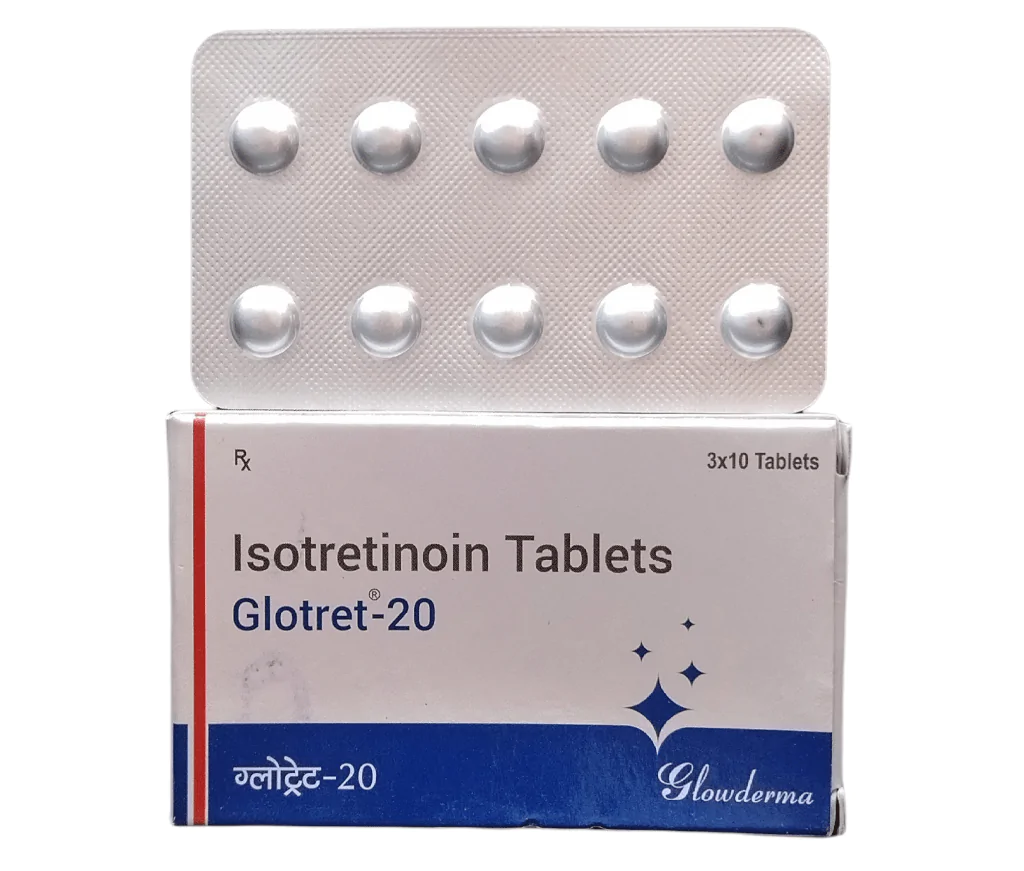
Glotret
✅ Clears acne
✅ Reduces sebum production
✅ Prevents new breakouts
✅ Improves skin texture
✅ Minimizes scarring
Glotret contains Isotretinoin.
✓ Medically reviewed by Morgan Ellis — Pharmacy Researcher · 8 years experience · Last reviewed: May 2026
⚡ Quick Answer — What is Glotret?
Glotret is an oral tablet containing isotretinoin — a systemic vitamin-A derivative (13-cis retinoic acid) used for severe nodulocystic acne, scarring acne, and acne that has failed 6+ months of topical treatment plus oral antibiotics. It is the most effective acne therapy available: about 85% of patients achieve long-term remission after a single 4–6 month course at a cumulative dose of 120–150 mg/kg. Available at 20 mg. Typical adult dosing is 0.5–1.0 mg/kg/day taken with a fatty meal. Absolutely contraindicated in pregnancy (FDA Category X) — the most potent teratogen in the dermatology formulary. Requires negative pregnancy test, two simultaneous forms of contraception throughout treatment and for at least 1 month after, monthly lab monitoring (LFTs + lipids + pregnancy test), and strict avoidance of tetracyclines, vitamin A supplements, and blood donation.
📦 Every order is covered by our Reshipment Assurance Policy — if your parcel does not arrive within 20 business days, we reship it.
Why order from MedsBase
Our generic medications are sourced from WHO-GMP certified manufacturers and shipped worldwide in discreet, plain packaging — no medication name on the parcel exterior. Card payments are routed through a regulated processor (statement descriptors include a regulated card-payment processor — never “MedsBase” or any medication name). Crypto and SEPA bank transfer are also accepted. Every order is backed by our Reshipment Assurance Policy.
What Is Glotret?
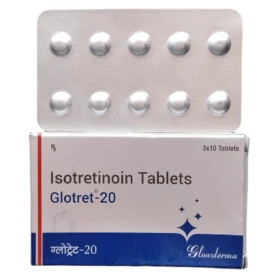
Glotret is an oral tablet containing isotretinoin (13-cis retinoic acid) — a systemic vitamin-A derivative and the most effective acne therapy currently licensed. Each tablet delivers a metered dose of isotretinoin within a soft-gel or tablet base. Glotret is a single-strength 20 mg isotretinoin tablet from Glenmark — a convenient choice once a maintenance dose around 0.5–1.0 mg/kg/day for a 40–80 kg patient has been established.
Isotretinoin is reserved for severe nodulocystic acne, scarring acne, acne with significant psychosocial distress, or acne that has failed a full 6-month trial of topical retinoid + benzoyl peroxide + oral antibiotic. It is not a first-line therapy — topical tretinoin (see Retino-A Cream), adapalene-BPO combos (Epiduo, Deriva CMS), or oral tetracyclines are the standard initial pathways.
How Does Glotret Work?
Isotretinoin is the only acne drug that addresses all four drivers of acne pathogenesis simultaneously:
- Sebum suppression — shrinks sebaceous glands by up to 90% and reduces sebum production by 80–90% within 4 weeks. The single biggest reason it works when nothing else has.
- Comedolytic — normalises keratinocyte turnover lining the pore, clearing blackheads and whiteheads and preventing new comedones from forming.
- Anti-inflammatory — downregulates toll-like-receptor signalling, neutrophil chemotaxis, and pro-inflammatory cytokines in the pilosebaceous unit.
- Antibacterial (indirect) — the dry, sebum-poor environment starves Cutibacterium acnes (formerly P. acnes), collapsing bacterial populations without needing an antibiotic.
About 85% of patients achieve long-term remission after a single 4–6 month course reaching a cumulative dose of 120–150 mg/kg. About 20–30% experience a recurrence that usually responds to a second, shorter course.
Uses and Indications
- Severe nodulocystic acne — deep, painful cysts and nodules, especially on the jawline, chin, back and chest.
- Scarring or potentially scarring acne — early isotretinoin prevents permanent scars.
- Treatment-resistant acne — failure of 6+ months of topical retinoid + benzoyl peroxide + oral antibiotic (tetracycline class).
- Acne conglobata — severe coalescing abscess-forming acne, often on the back.
- Acne fulminans — with concurrent oral corticosteroid (specialist supervision only).
- Acne with significant psychosocial distress — even at moderate severity if acne is causing anxiety, depression or body dysmorphia.
- Off-label: rosacea (especially phymatous), hidradenitis suppurativa, Gram-negative folliculitis.
Glotret Dosage and How to Take
Glotret comes in a single 20 mg strength. For finer dose adjustment (e.g. starting at 0.3–0.5 mg/kg/day for a light build-up), combine strengths or cut capsules under pharmacist guidance.
Standard adult protocol:
- Starting dose: 0.5 mg/kg/day for the first 4 weeks. For a 70 kg patient this means about 35 mg/day (a 20 mg + 10 mg split, or alternate-day 30 mg/40 mg).
- Maintenance dose: 0.5–1.0 mg/kg/day after tolerance is established. For a 70 kg patient: 40–70 mg/day.
- Total cumulative dose target: 120–150 mg/kg over the full course. For a 70 kg patient: 8,400–10,500 mg total, typically reached over 4–6 months.
- Course length: usually 16–24 weeks. Stopping early (before the cumulative dose target) is the main reason for relapse.
How to Take Glotret Properly
- Take with a fatty meal. Isotretinoin is lipophilic — food doubles its absorption versus a fasting dose. Standard practice: take with the biggest meal of the day.
- Swallow whole with water. Do not split, crush or chew capsules (for soft-gel formulations). Tablets can be split if scored.
- Once or twice daily dosing depending on total dose and tolerance. Twice-daily (morning + evening) often produces less cheilitis and is easier on the GI tract.
- Be consistent. Missed doses reduce cumulative dose and efficacy. If you miss a dose and remember within 12 hours, take it. If >12 hours, skip and resume normally.
- Monthly blood tests required throughout treatment: liver function tests (AST, ALT), fasting lipid panel (triglycerides, cholesterol), and — for women of childbearing potential — a pregnancy test before each monthly refill.
- Daily bland lip balm (petroleum jelly or a ceramide balm) — cheilitis (dry cracked lips) is nearly universal from week 2 and the single most common reason for dose reduction.
- Broad-spectrum SPF 30+ daily — isotretinoin increases photosensitivity markedly.
- Do not skip the full course. Partial courses (less than 120 mg/kg cumulative) have significantly higher relapse rates.
Side Effects of Glotret
Nearly universal (mild to moderate):
- Cheilitis (dry, cracked, peeling lips) — 90–100% of patients. Manage with bland lip balm 6–8 times daily.
- Xerosis (dry skin, especially hands and face)
- Dry eyes — 30% of patients. May require preservative-free lubricating eye drops. Contact lens intolerance is common.
- Epistaxis (nosebleeds) from dry nasal mucosa — apply petroleum jelly inside the nostrils.
- Initial acne flare in weeks 2–6 (about 20% of patients)
- Photosensitivity / sunburn risk
- Mild hair thinning (reversible on discontinuation)
- Muscle or joint aches, especially in active athletes
Less common but important:
- Elevated liver enzymes (5–15% of patients). Usually mild and reversible.
- Elevated triglycerides (up to 25% of patients). Risk factor for pancreatitis if triglycerides exceed 800 mg/dL.
- Elevated cholesterol
- Headache
- Mood changes — depression signal is controversial but must be monitored; tell your doctor immediately if mood, motivation or sleep change.
Rare but serious (seek medical attention):
- Pseudotumor cerebri (benign intracranial hypertension) — severe headache, vision changes, nausea. Dramatically increased risk if combined with tetracyclines.
- Pancreatitis (usually secondary to severe hypertriglyceridaemia)
- Severe hepatitis
- Inflammatory bowel disease signal — causality disputed but history of IBD is a relative contraindication
- Stevens-Johnson syndrome / toxic epidermal necrolysis (extremely rare)
- Suicidal ideation — rare but documented; any new mood change warrants immediate medical review
Warnings and Precautions — CRITICAL
- Pregnancy: FDA Category X — ABSOLUTE CONTRAINDICATION. Isotretinoin is one of the most potent human teratogens known. Even a single dose in the first trimester can cause severe craniofacial, cardiovascular, and CNS birth defects with fetal loss risk >30%. Women of childbearing potential need: (1) a documented negative pregnancy test before starting, (2) two simultaneous forms of reliable contraception (e.g. hormonal + barrier) throughout treatment and for at least 1 month after the last dose, (3) monthly pregnancy tests during treatment. In the US this is enforced by the iPLEDGE program; the EU and India have parallel mandatory pregnancy-prevention programs.
- Do not donate blood during treatment and for 1 month after the last dose — to prevent accidental exposure of a pregnant transfusion recipient.
- Do not take any form of vitamin A supplement concurrently — additive toxicity.
- Do not take tetracycline antibiotics (doxycycline, minocycline, tetracycline) concurrently — marked increase in pseudotumor cerebri risk. Stop tetracyclines at least 2 weeks before starting isotretinoin.
- Mental health: depression and suicide signals, while not definitively causal, are documented in case reports. Baseline and monthly check-ins on mood, sleep, motivation, and suicidal ideation are standard of care. Seek urgent help for any significant change.
- Liver disease, hyperlipidaemia, diabetes: relative contraindications. Monitor LFTs and lipids closely. Alcohol ≤ 1 drink/week during treatment.
- Inflammatory bowel disease history: relative contraindication — causality disputed but caution warranted.
- Waxing, laser hair removal, dermabrasion, chemical peels, tattooing: avoid entirely during treatment and for 6 months after the last dose — skin fragility and abnormal wound healing during and shortly after treatment.
- Contact lens wearers: expect intolerance due to dry eyes. Switch to glasses during treatment if possible.
- Do not exceed the prescribed cumulative dose without specialist supervision.
Contraindications — Who Should NOT Take Glotret
- Pregnancy, planning pregnancy, or breastfeeding — absolute contraindication
- Women of childbearing potential who cannot or will not use two reliable forms of contraception simultaneously
- Known hypersensitivity to isotretinoin, other retinoids, or soybean (many capsules contain soybean oil)
- Severe liver dysfunction (Child-Pugh B or C)
- Uncontrolled hyperlipidaemia (especially triglycerides > 500 mg/dL)
- Concurrent tetracycline antibiotics (doxycycline, minocycline, tetracycline)
- Concurrent vitamin A supplementation above the RDA
- Hypervitaminosis A
- Children under 12 (safety not established for primary acne; used in rare specialist settings)
Drug and Substance Interactions
| Combine with | Effect | What to do |
|---|---|---|
| Tetracyclines (doxycycline, minocycline, tetracycline) | Markedly increased risk of pseudotumor cerebri (benign intracranial hypertension) | Never combine. Stop tetracyclines 2 weeks before starting isotretinoin. |
| Vitamin A supplements | Additive hypervitaminosis A toxicity | Stop all vitamin A supplements. Limit vitamin-A-rich foods (liver, cod liver oil) to normal amounts. |
| Combined oral contraceptives containing progestin-only | Isotretinoin may reduce progestin effectiveness | Use a second non-hormonal method (barrier) in addition, always. |
| Micro-dose progestin (“mini-pill”) | Not reliable as sole contraception on isotretinoin | Switch to combined OCP + barrier, or IUD + barrier. |
| Phenytoin and carbamazepine | Increased risk of osteomalacia with co-therapy | Specialist supervision; consider bone density screening. |
| Alcohol | Additive hepatotoxicity and worsened hypertriglyceridaemia | Limit to ≤ 1 drink/week throughout treatment. |
| Topical retinoids (tretinoin, tazarotene, adapalene) | Redundant with oral isotretinoin — stacked side effects, no added benefit | Stop topical retinoids during the oral course. |
| Methotrexate | Additive hepatotoxicity | Avoid combination; specialist review required if unavoidable. |
Storage Instructions
- Store at room temperature, 15–25°C. Protect from heat and direct sunlight.
- Keep in the original blister pack until use — isotretinoin is degraded by light.
- Do not store in the bathroom. Humidity shortens shelf life.
- Keep out of reach of children and women of childbearing potential who are not the patient.
- Do not use after the expiry date printed on the pack.
- Return unused medication to a pharmacy for proper disposal — do not flush or discard in household waste.
Related Alternatives on MedsBase
Other oral and topical retinoid options stocked alongside
glotret:
- Signatret (isotretinoin 20 mg)
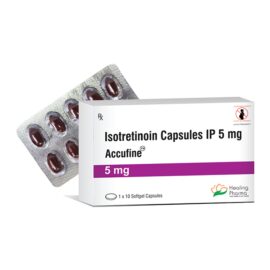
- Accufine (isotretinoin 5 / 10 / 20 / 30 / 40 mg)
- Tretizen (isotretinoin 10 / 20 mg)
- Tretiva (isotretinoin 5 / 10 / 20 / 30 / 40 mg)
- Isofair (isotretinoin 10 / 20 mg)
- Isopil (isotretinoin 5 / 10 / 20 mg)
- Tufacne (isotretinoin 20 mg)
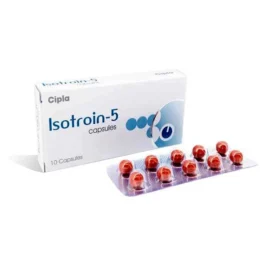
- Isotroin (isotretinoin 5 / 10 / 20 / 30 mg)
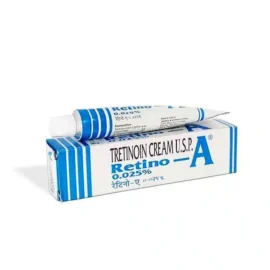
- Retino-A Cream (topical tretinoin 0.025% / 0.05%)
- Tazret Forte Cream (tazarotene 0.1%)
Helpful reading: Isotretinoin vs tretinoin — the practical differences · Tretinoin cream vs gel · Everything you want to know about acne.
Frequently Asked Questions
How long is a typical Glotret course?
Most courses run 16–24 weeks (4–6 months) and aim for a cumulative dose of 120–150 mg/kg of body weight. For a 70 kg patient on 40 mg/day, that is about 5–6 months. Stopping before hitting the cumulative dose target is the main reason for relapse — duration of treatment matters as much as daily dose.
Will my acne come back after Glotret?
About 70–80% of patients stay clear long-term after a single course reaching the full cumulative dose. Of the 20–30% who relapse, most respond to a second, shorter course. Relapse is more likely in: patients under 16 at the time of treatment, patients with polycystic ovary syndrome, and patients who stopped the course before reaching 120 mg/kg cumulative.
Is the initial acne flare normal?
Yes — affects about 20% of patients, most commonly in weeks 2–6. The drug is accelerating turnover of already-forming microcomedones. Do not stop. If the flare is severe, your doctor may add a short oral corticosteroid taper (7–14 days prednisone) and reduce the isotretinoin dose temporarily. The flare almost always resolves by week 8.
Can I drink alcohol while on Glotret?
Minimise to ≤ 1 drink per week. Isotretinoin is metabolised by the liver and raises triglycerides; alcohol compounds both effects. Heavy drinking significantly increases the risk of hepatitis and pancreatitis during treatment.
Is Glotret safe during pregnancy?
Absolutely not. Isotretinoin is FDA Pregnancy Category X and one of the most potent human teratogens known. Even one dose in early pregnancy can cause severe craniofacial, CNS, and cardiovascular birth defects. Women of childbearing potential must use two simultaneous forms of reliable contraception throughout treatment and for at least 1 month after the last dose, and take monthly pregnancy tests. If you become pregnant during treatment, stop immediately and contact your doctor the same day.
Why can I not wax, get laser, or have chemical peels on Glotret?
Isotretinoin makes skin fragile and slows wound healing. Waxing, threading, laser hair removal, dermabrasion, microneedling, IPL, and chemical peels during treatment (and for 6 months after the last dose) can cause raw patches, hyperpigmentation, hypertrophic scarring, or keloid formation. Wait a full 6 months after finishing the course before any of these procedures.
Is Glotret linked to depression or suicide?
The causal link is not definitively established — large epidemiological studies are mixed, and acne itself is strongly linked to depression. But case reports exist and the signal is taken seriously. Standard of care: screen for baseline mood at every monthly visit, ask specifically about sleep, energy, suicidal thoughts, and social withdrawal. Tell your doctor the same day if any of these change. Never hesitate to discontinue if mood change is significant — acne can be retreated, but mental health matters more.
How do I manage dry lips, dry skin, and nosebleeds?
Cheilitis (dry lips) is nearly universal — use a bland petroleum-jelly or ceramide lip balm 6–8 times daily from day one. For dry skin, use a fragrance-free ceramide moisturiser after showering and as needed. For dry nose and nosebleeds, apply a thin layer of petroleum jelly inside each nostril twice daily. Carry preservative-free lubricating eye drops for dry eyes.
What dose of Glotret should I start at?
Typical starting dose is 0.5 mg/kg/day for the first 4 weeks, then up-titrated to 0.5–1.0 mg/kg/day based on tolerance. For a 70 kg patient: start at 30–40 mg/day, move to 40–70 mg/day. Some dermatologists favour low-dose protocols (10–20 mg/day for 9–12 months) with comparable long-term remission and fewer side effects — especially useful for moderate acne.
Glotret vs topical tretinoin — which is right for me?
Oral isotretinoin is for severe nodulocystic acne, scarring acne, and acne that has failed a full trial of topical + oral antibiotic therapy. Topical tretinoin is first-line for mild-to-moderate acne, comedonal acne, and post-acne marks. The two drugs share a mechanism (both are retinoids) but isotretinoin hits systemically and shrinks sebaceous glands — topical tretinoin does not. Read our detailed comparison: Isotretinoin vs tretinoin.
Related Alternatives
Other products in Acne Treatment that customers also view:
More options in Acne Treatment
Ranked by recent MedsBase order volume — what other customers in this category are picking.
| Strength | 20 mg |
|---|---|
| Quantity | 30 Tablet/s, 60 Tablet/s, 90 Tablet/s, 180 Tablet/s |
 Glotret
Q & A
Glotret
Related products


Reviews
There are no reviews yet