







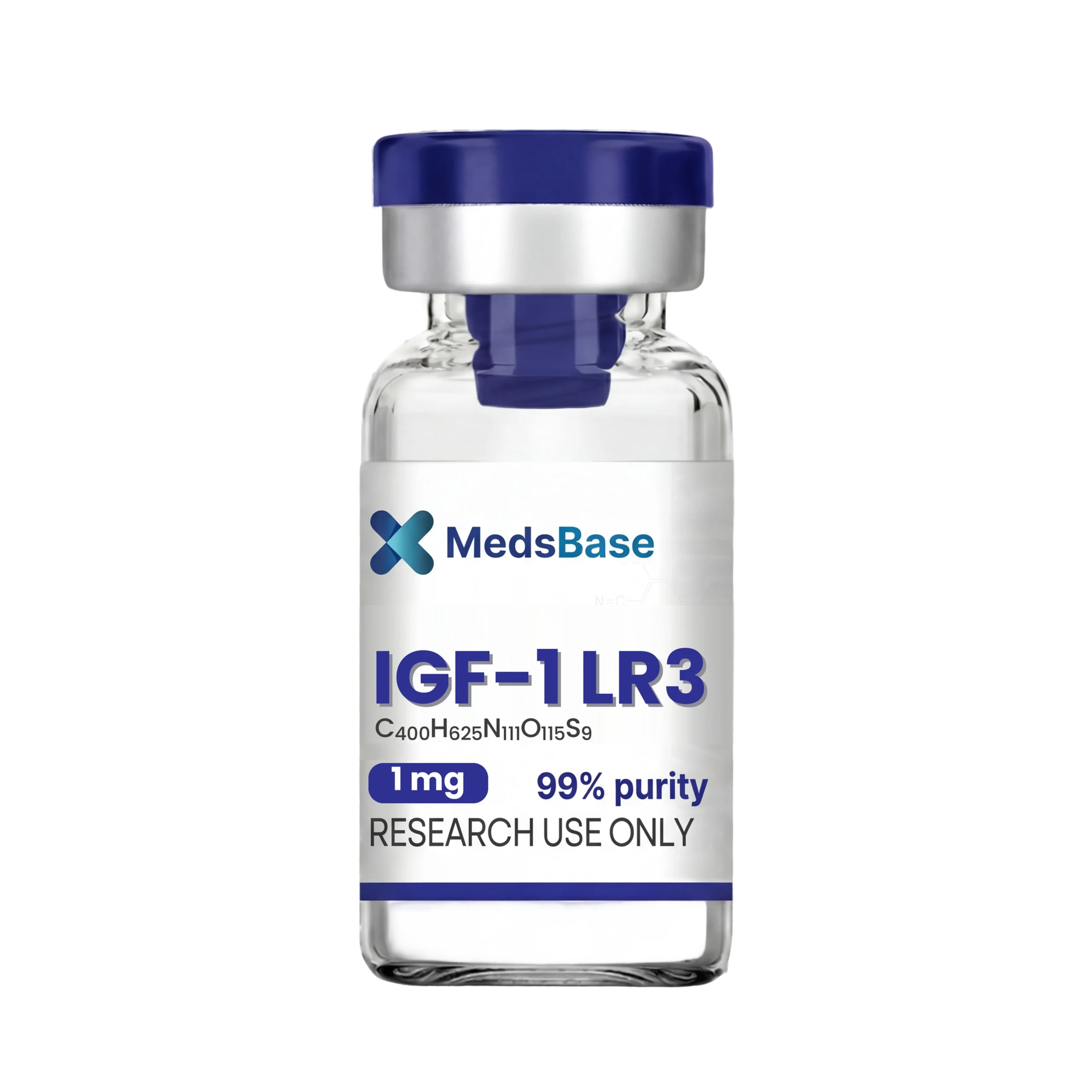
IGF-1 LR3
✅ Supports cellular growth
✅ Enhances protein synthesis
✅ Promotes metabolic signaling
✅ Improves tissue regeneration
✅ Boosts cellular repair
IGF-1 LR3 contains synthetic peptide compound.
✓ Medically reviewed by Morgan Ellis — Pharmacy Researcher · 8 years experience · Last reviewed: May 2026
Quick Answer — What is IGF-1 LR3?
IGF-1 LR3 is a peptide supplied as a lyophilized powder for reconstitution. The information on this page describes published preclinical and early clinical literature; it is not medical advice or dosing guidance. Read our linked guide for the complete evidence summary.
IGF-1 LR3 Peptide
IGF-1 LR3 (Insulin-Like Growth Factor-1 Long R3) is a modified analog of insulin-like growth factor-1 designed for studies involving cellular growth signaling, anabolic pathways, and metabolic regulation. This extended variant contains structural modifications that increase its stability and prolong its biological activity compared to standard IGF-1, allowing users to study sustained IGF-1 receptor activation in clinical models. IGF-1 LR3 interacts with IGF-1 receptors involved in cellular proliferation, protein synthesis, and nutrient utilization. Due to its extended half-life and reduced binding to IGF-binding proteins, it provides a useful framework for examining mechanisms related to tissue growth, metabolic efficiency, and cellular repair processes. Studies suggest IGF-1 LR3 may support pathways associated with muscle cell growth, enhanced protein synthesis, improved recovery from physical stress, and regulation of glucose metabolism. Its activity also makes it valuable for investigating regenerative signaling, cellular differentiation, and anabolic responses in controlled experimental environments.
Product Overview
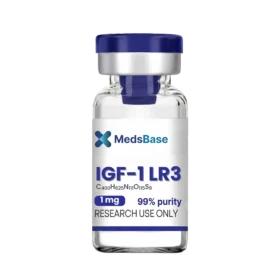
IGF-1 LR3 is a synthetic peptide classified as a modified insulin-like growth factor analog engineered to extend biological stability and receptor interaction duration in clinical models. With the molecular formula C400H625N111O115S9 and molar mass of 9117.60 g/mol, IGF-1 LR3 peptide is widely studied in experimental clinical settings focusing on cellular growth pathways and metabolic signaling. Each vial contains 0.1 mg or 1 mg of lyophilized IGF-1 LR3 supplied in high purity lyophilized form designed for clinical investigation. The peptide is valued for its structural modifications that reduce binding to IGF-binding proteins and prolong receptor activity in controlled studies environments.
Published Evidence
IGF-1 LR3 peptide is commonly utilized in clinical investigation of cellular growth signaling and anabolic pathway activity. In vitro studies frequently examine IGF-1 receptor activation and downstream intracellular signaling mechanisms associated with protein synthesis and nutrient utilization. Pre-clinical models use IGF-1 LR3 for studies to analyze cellular proliferation patterns and metabolic regulation responses. Users also explore tissue culture environments where growth factor signaling can be measured under controlled experimental conditions. IGF-1 LR3 supports investigations into cellular differentiation, metabolic signaling cascades, and anabolic response pathways. These applications provide valuable insight into mechanisms associated with growth signaling networks in experimental clinical settings.
Reconstitution and Handling
Lyophilized IGF-1 LR3 should be reconstituted using bacteriostatic water in a sterile clinical environment. Users should apply strict aseptic technique when introducing solvent into the vial to preserve peptide integrity and experimental accuracy. Inject the solution slowly along the inner vial wall to prevent peptide destabilization. Avoid shaking the vial; instead, gently swirl until the lyophilized IGF-1 LR3 powder is fully dissolved. After reconstitution, store the solution at 2–8°C and maintain it in a controlled clinical environment. Proper handling procedures help preserve the stability of IGF-1 LR3 peptide for consistent experimental outcomes.
Mechanism of Action
IGF-1 LR3 peptide interacts primarily with insulin-like growth factor receptors involved in cellular growth and metabolic signaling. In experimental clinical settings, this interaction stimulates intracellular pathways related to protein synthesis, nutrient uptake, and cellular proliferation markers. The structural modification of IGF-1 LR3 reduces affinity for IGF-binding proteins, allowing sustained receptor activation in clinical models. In vitro studies indicate that this prolonged signaling may influence pathways related to anabolic cellular responses. Users use IGF-1 LR3 for studies to explore receptor activation dynamics and downstream molecular cascades. These mechanisms provide insight into regulatory processes associated with cellular growth and metabolic adaptation.
Dosage Guidelines
Dosing ranges reported in published experimental literature vary depending on the model system and assay design. In vitro investigations often use IGF-1 LR3 peptide concentrations measured in nanomolar to micromolar ranges depending on cell line sensitivity. Pre-clinical experimental models may adjust concentration parameters to evaluate receptor signaling responses and metabolic activity markers. Users should determine optimal concentration ranges through preliminary assay validation. Lyophilized IGF-1 LR3 should be prepared and measured carefully to maintain experimental consistency.
Potential Benefits
- Cellular response markers related to growth factor signaling
- Tissue culture observations of anabolic pathway activation
- Stability of signaling activity in simulated metabolic environments
- Receptor interaction potential with IGF-1 signaling pathways
- Angiogenic and proliferative pathway signaling markers
Experimental Observations
Clinical investigations involving IGF-1 LR3 peptide often observe enhanced signaling activity within IGF-1 receptor pathways in controlled experimental conditions. In vitro cell culture models demonstrate measurable changes in cellular proliferation markers and protein synthesis indicators. Users studying metabolic signaling frequently document changes in nutrient uptake pathways when IGF-1 LR3 is introduced to experimental systems. Pre-clinical models have also examined IGF-1 LR3 in relation to differentiation signaling and cellular development patterns. These observations contribute to understanding how sustained receptor activation influences complex cellular networks. IGF-1 LR3 therefore provides a reproducible framework for studying anabolic signaling pathways in experimental clinical settings.
Considerations
Users working with IGF-1 LR3 should ensure strict clinical protocols are followed to maintain peptide stability and experimental validity. Environmental conditions such as temperature, solvent compatibility, and assay sensitivity can influence peptide behavior in vitro studies. Careful calibration of concentrations is recommended before initiating extended clinical investigation. IGF-1 LR3 peptide may interact with other growth factors or signaling molecules within complex experimental systems. Documentation of handling procedures and experimental parameters is essential for reproducibility. All work involving IGF-1 LR3 must remain within approved studies and clinical use guidelines.
Safety Notice
IGF-1 LR3 peptide should be handled using standard clinical safety practices including protective equipment and appropriate containment procedures. Users must ensure that the compound is stored, handled, and disposed of according to institutional clinical safety guidelines. Direct exposure should be minimized and clinical-grade handling tools should be used when preparing experimental solutions. This peptide is intended exclusively for scientific investigation and must not be used outside of controlled studies environments. The information provided is for educational and scientific reference and should not be interpreted as medical advice or as a recommendation for any form of administration. Users should follow all applicable regulations and institutional guidelines when handling this material.
Storage Information
Store lyophilized IGF-1 LR3 at −20°C for long-term storage to maintain peptide stability and structural integrity. For short-term clinical use, the peptide may be stored at 2–8°C under controlled refrigeration conditions. Protect IGF-1 LR3 from direct light exposure to prevent degradation of the peptide structure. Avoid repeated freeze-thaw cycles as these may reduce peptide stability and affect experimental reproducibility. When stored properly, IGF-1 LR3 maintains a shelf life of approximately 36 months. Proper storage ensures reliable clinical performance of lyophilized IGF-1 LR3 for studies.
Purity & Quality
All IGF-1 LR3 vials stocked by MedsBase are supplied at 99%+ HPLC purity in lyophilized form. A certificate of analysis (COA) is available on request — message our support team after placing your order and we will forward the batch-specific COA for the vials you received. It is sold. Some peptides in this class have been used in early-phase clinical trials but no major regulator has issued a marketing authorization for the indications discussed in the popular literature.
How is IGF-1 LR3 reconstituted?
Lyophilized peptides are typically reconstituted with bacteriostatic water or sterile water for injection (BWFI / SWFI) at a concentration appropriate for the planned dose. Add the diluent slowly down the inside wall of the vial — do not inject the stream directly into the powder cake or shake vigorously, as both denature the peptide. Swirl gently until fully dissolved. Reconstituted peptides are typically stored refrigerated at 2–8°C.
How should IGF-1 LR3 be stored?
Lyophilized vials are stable for extended periods when stored at −20°C or refrigerated at 2–8°C, away from direct light. After reconstitution, most peptides are stable for 14–30 days refrigerated, depending on the buffer and the specific peptide. Always read the certificate of analysis included with the vial for the supplier’s recommended storage and stability data.
What does the published literature shows?
The published literature on IGF-1 LR3 is summarized in our linked guide. We separate preclinical (rodent / cell-culture) data, where it is consistent and reproducible, from clinical-trial data, where evidence is typically thinner. We also flag where popular online claims outrun the published record.
Is IGF-1 LR3 legal to order internationally?
Peptides occupy an ambiguous regulatory space. Importation rules vary by country and have changed in several jurisdictions over the past few years. It is the buyer’s responsibility to confirm import legality in their destination country before ordering. MedsBase ships peptides worldwide via our dedicated peptide courier; orders that contravene the destination country’s import rules may be detained at customs.
What is the half-life of IGF-1 LR3?
IGF-1 LR3 has an estimated half-life of 20–30 hours in preclinical studies — dramatically longer than native IGF-1 (approximately 6–8 hours). The LR3 modification reduces IGF-binding protein (IGFBP) affinity, increasing the free (bioavailable) IGF-1 fraction in circulation and extending active duration.
How does IGF-1 LR3 differ from native IGF-1?
IGF-1 LR3 is an 83-amino-acid analog of the naturally occurring 70-amino-acid IGF-1. The LR3 modification significantly reduces binding to the six known IGF-binding proteins (IGFBPs), which normally sequester ~98% of endogenous IGF-1. This results in a substantially higher free-peptide fraction and extended half-life, making IGF-1 LR3 a preferred compound in studies requiring prolonged IGF-1 receptor activation.
Can I order IGF-1 LR3 alongside other peptides?
Yes. Peptide orders are bundled and ship together via our peptide-only courier service. Lyophilized vials are protective for the duration of standard international transit. See our peptide category page for the full stocked range and the “Best Peptides for Recovery” comparison guide for stacking considerations from the published literature.
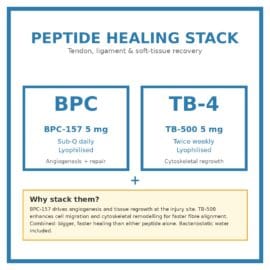
IGF-1 LR3 protocols frequently include BPC-157 and TB-500 for joint and tendon support during the IGF-driven anabolic phase; our Peptide Healing Stack (BPC-157 5 mg + TB-500 5 mg + bacteriostatic water) bundles both lyophilised vials with reconstitution water at $0 peptide-shipping rate.
Other Peptides for Recovery and Performance
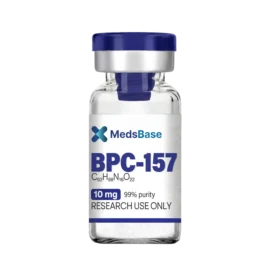
- BPC-157 — Body Protection Compound — tendon, ligament, gut recovery
- TB-500 — Thymosin Beta-4 fragment — soft tissue and vascular recovery
- Ipamorelin — Selective ghrelin agonist — clean GH pulse without cortisol/prolactin
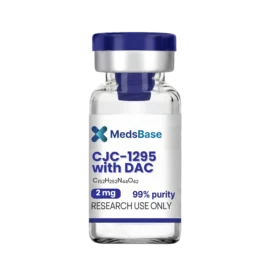
- CJC-1295 with DAC — GHRH analog with extended half-life
- GHK-Cu — Copper peptide — skin and connective tissue regeneration
Further Reading
📖 Learn the science behind this peptide
Read our complete evidence-based guide: IGF-1 LR3 — honest science, dosing & safety. Covers mechanism of action, published study data, typical dosing ranges, reconstitution protocols, stacking considerations, and safety/contraindication notes.
📦 Every order is covered by our Reshipment Assurance Policy — if your parcel does not arrive within 20 business days, we reship it.
| Specification | Detail |
|---|---|
| CAS Number | 946870-92-4 |
| Molecular Formula | C400H625N111O120S9 |
| Molecular Weight | ~9117.4 Da |
| Sequence | Long R3 IGF-1 (83 amino acids; N-terminal MFPAMPLSSLFVNGPRTLCGAELVDALQFVCGDRGFYFNKPTGYGSSSRRAPQTGIVDECCFRSCDLRRLEMYCAPLKPAKSA) |
| Form | Lyophilized powder (or as supplied) |
| Purity | ≥99% (HPLC verified, COA on request) |
| Storage | Lyophilized: 2–8 °C (refrigerator) for working stock; −20 °C for long-term storage of unopened vials. Reconstituted: 2–8 °C, use within ~30 days. Avoid vigorous agitation; large peptides denature with shaking. Do not freeze–thaw the reconstituted solution. |
| Solubility | Bacteriostatic water (recommended) or sterile water for shorter use windows |
More options in Peptides
Ranked by recent MedsBase order volume — what other customers in this category are picking.
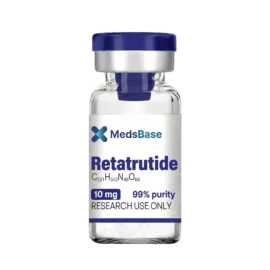
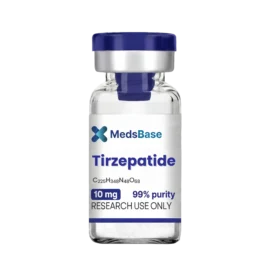
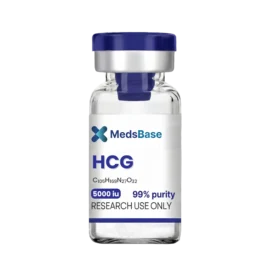
| Strength | 0.1 mg, 1 mg |
|---|---|
| Quantity | 10 Vials, 20 Vials, 30 Vials |
 IGF-1 LR3
Q & A
IGF-1 LR3
Related products
Reviews
There are no reviews yet