







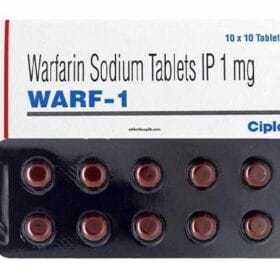
Warf
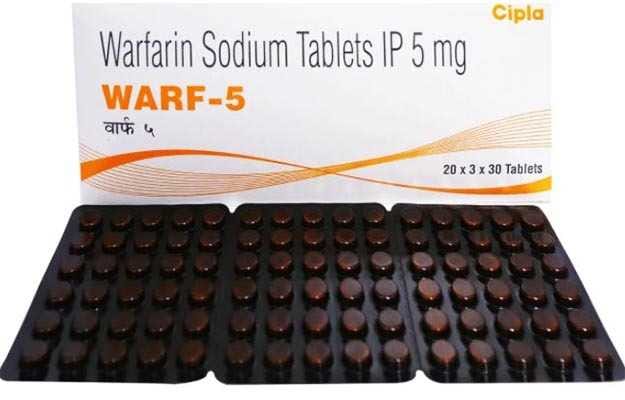
✅ Prevents blood clots
✅ Reduces stroke risk
✅ Manages thrombosis
✅ Controls embolism
✅ Regulates blood thinning
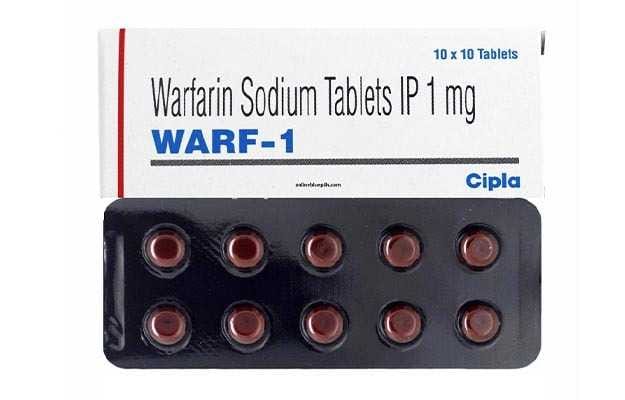
Warf contains Warfarin.
✓ Medically reviewed by Morgan Ellis — Pharmacy Researcher · 8 years experience · Last reviewed: May 2026
⚡ Quick Answer — What is Warf?
Warf is 1 / 2 / 5 mg warfarin tablets from a WHO-GMP certified manufacturer — an oral vitamin K antagonist (VKA) anticoagulant. Warfarin was first synthesised from dicoumarol in the 1940s and approved as a human drug in 1954; despite the rise of DOACs it remains first-line for mechanical heart valves, moderate-to-severe mitral stenosis, and antiphospholipid syndrome. Mechanism: blocks vitamin K epoxide reductase (VKORC1), depleting the active forms of clotting factors II, VII, IX, X plus proteins C and S. Onset is delayed 3-5 days because circulating factors must decay. Dose is highly individualised and INR-driven — target INR 2.0-3.0 in most indications, 2.5-3.5 for mechanical mitral or older aortic prostheses. Daily intake of vitamin K (greens) should be consistent rather than avoided. Major bleeding rate ~1-3%/year on therapeutic warfarin. Reversal: oral or IV vitamin K plus 4-factor prothrombin complex concentrate for major bleeding. Specialist or family-physician supervision is standard.
📦 Every order is covered by our Reshipment Assurance Policy — if your parcel does not arrive within 20 business days, we reship it.
Why order from MedsBase
Our generic medications are sourced from WHO-GMP certified manufacturers and shipped worldwide in discreet, plain packaging — no medication name on the parcel exterior. Card payments are routed through a regulated processor (statement descriptors include a regulated card-payment processor — never “MedsBase” or any medication name). Crypto and SEPA bank transfer are also accepted. Every order is backed by our Reshipment Assurance Policy.
What Is Warf?
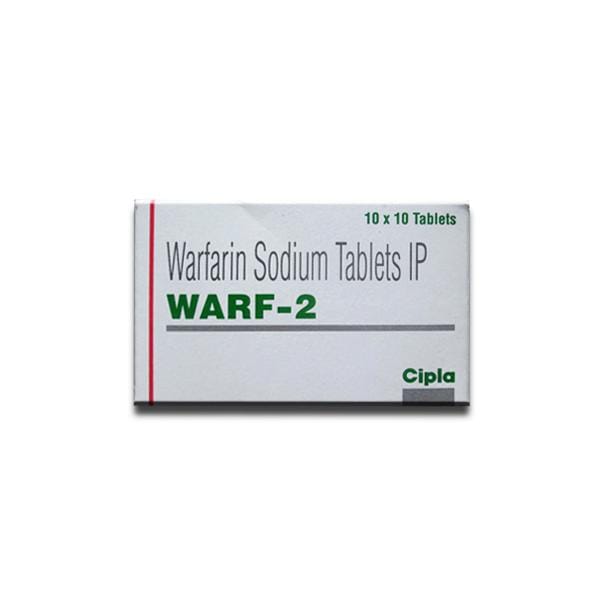
Warf is 1 / 2 / 5 mg warfarin sodium tablets from a WHO-GMP certified manufacturer, supplied in 30-180 tablets. Warfarin is the most widely used oral anticoagulant in the world. Despite the introduction of direct oral anticoagulants (DOACs), warfarin remains the first-line choice in mechanical heart valves, rheumatic mitral stenosis, antiphospholipid syndrome, and selected high-risk patients where DOAC evidence is weak.
How Warfarin Works
Warfarin inhibits vitamin K epoxide reductase (VKORC1) in hepatocytes, blocking the recycling of vitamin K. This depletes the active γ-carboxylated forms of factors II, VII, IX and X plus the natural anticoagulants protein C and S. Anticoagulant effect is delayed 3-5 days as existing circulating factors are catabolised — bridging with parenteral heparin or LMWH is needed when rapid anticoagulation is required.
Approved Uses
- Mechanical heart valves — warfarin is the only acceptable oral option (DOACs are contraindicated; RE-ALIGN trial)
- Moderate-to-severe (rheumatic) mitral stenosis — with or without atrial fibrillation
- Antiphospholipid syndrome (triple-positive) — warfarin INR 2-3 outperformed rivaroxaban (TRAPS, 2018)
- Atrial fibrillation — where DOACs are contraindicated, intolerant, or unaffordable; established stroke prevention
- Venous thromboembolism (DVT and PE) — treatment and extended secondary prevention
- Left-ventricular thrombus, post-MI mural thrombus, dilated cardiomyopathy with thrombus
Dosage and INR Targets
Warfarin dose is highly individualised and titrated to the international normalised ratio (INR). Typical maintenance is 2-10 mg daily but ranges from <1 mg to >15 mg.
| Indication | Target INR | Notes |
|---|---|---|
| Atrial fibrillation | 2.0–3.0 | Target 2.5 |
| VTE (DVT/PE) | 2.0–3.0 | Target 2.5; minimum 3 months |
| Mechanical aortic valve (modern bileaflet) | 2.0–3.0 | Target 2.5 |
| Mechanical mitral or older aortic valve | 2.5–3.5 | Target 3.0; +aspirin if very high risk |
| Antiphospholipid syndrome (triple-positive) | 2.0–3.0 | 2.5–3.5 if recurrent on therapeutic INR |
| Recurrent VTE on therapeutic warfarin | 2.5–3.5 | Specialist case-by-case |
INR is checked daily during initiation, then weekly until stable, then every 4-12 weeks long-term. Time-in-therapeutic-range (TTR) above 65-70% is the quality benchmark.
Pharmacogenomics: VKORC1 and CYP2C9
Patients carrying VKORC1 -1639 G>A (sensitive) or CYP2C9 *2 / *3 (slow metaboliser) require lower starting and maintenance doses. Genotype-guided dosing reduces time to stable INR but is not routine in most centres.
Diet, Alcohol, and Lifestyle
Side Effects
- Bleeding (epistaxis, gum bleeding, bruising, GI bleeding, intracranial haemorrhage)
- Skin necrosis — rare; days 3-8 of initiation, especially in protein C deficiency; bridge with heparin to mitigate
- Purple toe syndrome (cholesterol microemboli) — rare
- Hair loss, rash
- Hepatic enzyme elevation
Contraindications
- Active major bleeding (peptic ulcer, intracranial haemorrhage)
- Pregnancy — teratogenic in first trimester (warfarin embryopathy), CNS bleeding risk later. Use LMWH instead
- Severe uncontrolled hypertension
- Severe hepatic impairment
- Recent neurosurgery, ophthalmic surgery, or major trauma with bleeding risk
- Inability to comply with INR monitoring
Drug Interactions (selected)
Warfarin has hundreds of clinically relevant interactions. Always check before starting, stopping, or changing the dose of any drug.
- Raise INR: amiodarone, fluconazole/voriconazole/itraconazole, metronidazole, trimethoprim-sulfamethoxazole, ciprofloxacin, macrolides (clarithromycin, erythromycin), high-dose paracetamol, omeprazole, fluvastatin, cranberry, grapefruit, fish oil, NSAIDs (also bleeding-risk additive).
- Lower INR: rifampicin, carbamazepine, phenytoin, phenobarbital, St John’s wort, vitamin K (multivitamins, enteral feeds), large amounts of leafy greens.
- Additive bleeding risk: aspirin, clopidogrel, NSAIDs, SSRIs/SNRIs, heparins.
Reversal of Anticoagulation
| Scenario | Action |
|---|---|
| INR 4.5–10, no bleeding | Hold warfarin; oral vitamin K 1–2.5 mg only if high bleed risk; recheck |
| INR >10, no bleeding | Hold warfarin; oral vitamin K 2.5–5 mg; recheck |
| Any INR with major bleeding | Stop warfarin; IV vitamin K 5–10 mg + 4-factor prothrombin complex concentrate (4F-PCC); FFP if PCC unavailable |
| Urgent surgery | IV vitamin K + 4F-PCC for immediate reversal; bridging plan post-op |
Surgery and Dental Procedures
For most surgery, stop warfarin 5 days before. Bridge with LMWH only if high thromboembolic risk (mechanical mitral valve, recent VTE <3 months, CHA2DS2-VASc ≥6). Most simple dental procedures can be done at therapeutic INR without stopping warfarin. Resume the night of surgery if haemostasis is secured.
Pregnancy and Breastfeeding
Pregnancy: warfarin is teratogenic in the first trimester (warfarin embryopathy: nasal hypoplasia, stippled epiphyses) and crosses the placenta with foetal CNS bleeding risk later. LMWH is preferred throughout pregnancy except in mechanical heart valve patients where individualised specialist plans apply. Breastfeeding: warfarin does not transfer into breast milk in clinically relevant amounts — safe.
Storage
Store Warf below 25°C in the original blister pack, protected from light. Keep out of reach of children — warfarin overdose is the most common acute paediatric anticoagulant poisoning.
Frequently Asked Questions
Why does Warf take days to work?
Warfarin blocks the production of new clotting factors but does not inactivate circulating ones. The clinical effect builds over 3-5 days as existing factors are catabolised. When immediate anticoagulation is needed, parenteral heparin or LMWH is bridged until the INR is therapeutic.
Why do I need INR tests so often at the start?
Dose response varies enormously between people because of CYP2C9 and VKORC1 genetics. INR is checked daily until in range, then weekly, then every 4-12 weeks long-term once stable.
Can I eat green vegetables on Warf?
Yes — the rule is consistency, not avoidance. Eat your usual amount day-to-day. Sudden large changes (a salad-heavy week, then none for a fortnight) are what destabilises INR.
What should I do if my INR is too high?
Hold the next dose, contact your anticoagulation clinic, and watch for bleeding. INR >10 or any active bleeding is a same-day emergency — oral or IV vitamin K and possibly 4-factor PCC.
Can I take Warf with paracetamol?
Occasional paracetamol is fine. Regular use of paracetamol >2 g/day for several days raises INR and should prompt INR monitoring.
What about ibuprofen or other NSAIDs?
Avoid — NSAIDs both raise INR and add an independent platelet-inhibiting bleeding risk. If pain relief is needed long-term, paracetamol is preferred and PPI cover should be considered.
Why can’t I switch to a DOAC?
You can in many indications. DOACs (apixaban, rivaroxaban, dabigatran) are now first-line in non-valvular AF and VTE. Warfarin remains the only acceptable oral choice for mechanical heart valves, rheumatic mitral stenosis, and triple-positive antiphospholipid syndrome — DOACs are contraindicated or inferior in these.
Can I drink alcohol on Warf?
Moderate consistent alcohol (1-2 drinks/day) is acceptable. Binge drinking destabilises INR and raises bleeding and fall risk; abstinence or very moderate intake is safer.
What if I need surgery?
Stop warfarin 5 days before; bridging with LMWH is reserved for high-thromboembolic-risk patients (mechanical mitral valve, recent VTE). Most simple dental work does not need warfarin to be stopped.
Where can I buy Warf online?
You can buy Warf (1 / 2 / 5 mg warfarin sodium, 30-180 tablets) from MedsBase with discreet packaging and worldwide shipping.
Other Anti-Coagulants and Antiplatelets
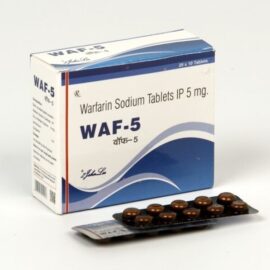
- Waf-5 — Warfarin 5 mg
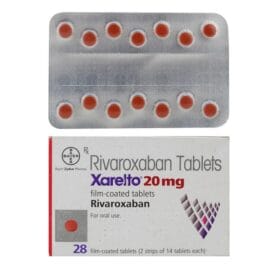
- Xarelto 20 — Rivaroxaban 20 mg
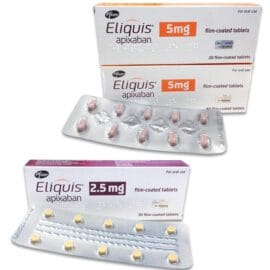
- Eliquis — Apixaban 2.5/5 mg
- Plavix — Clopidogrel 75 mg (Sanofi)
- Deplatt — Clopidogrel 75 mg (Torrent)
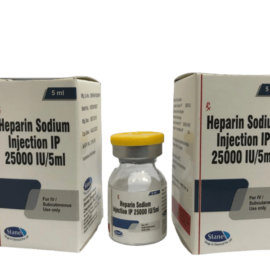
- Stanhep 25 — Heparin Sodium IV 25,000 IU
- Browse all Anti-Coagulants & Antiplatelets
Related Alternatives
Other products in General Health that customers also view:
More options in Anti Coagulants
Ranked by recent MedsBase order volume — what other customers in this category are picking.
| Strength | 1 mg, 2 mg, 5 mg |
|---|---|
| Quantity | 30 Tablet/s, 60 Tablet/s, 90 Tablet/s, 180 Tablet/s |
 Warf
Warf
Q & A
Warf
Related products




Reviews
There are no reviews yet