







Choose by research area
Best sellers — proven demand
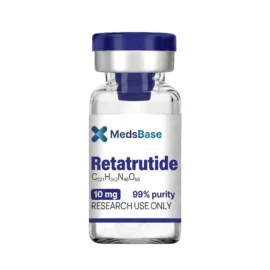
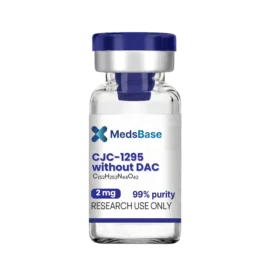
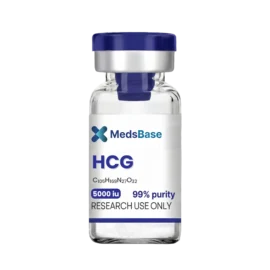
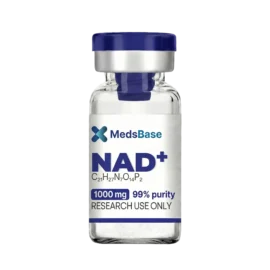
Compare compounds
Side-by-side reference for researchers choosing between related compounds. Every compound links to its full research guide and vial ladder.
Retatrutide vs other metabolic research compounds
| Compound | Research class | Format | Strength | Pack | Price | Price / vial | COA |
|---|---|---|---|---|---|---|---|
| Retatrutide | Incretin tri-agonist (GLP-1 / GIP / glucagon) | Lyophilized vial | 5 mg | 10 vials | US$150.00 | US$15.00 | On request |
| Tirzepatide | Incretin dual agonist (GLP-1 / GIP) | Lyophilized vial | 5 mg | 10 vials | US$105.00 | US$10.50 | On request |
| Semaglutide | Incretin (GLP-1 receptor agonist) | Lyophilized vial | 2 mg | 10 vials | US$60.00 | US$6.00 | On request |
| Mazdutide | Incretin dual agonist (GLP-1 / glucagon) | Lyophilized vial | 5 mg | 10 vials | US$560.00 | US$56.00 | On request |
| Survodutide | Incretin dual agonist (GLP-1 / glucagon) | Lyophilized vial | 5 mg | 10 vials | US$860.00 | US$86.00 | On request |
For in-vitro laboratory research use only — not for human or veterinary use. Prices shown for the entry pack (10 vials, base strength); full vial ladder available on each product page. HPLC ≥99% purity, COA available on request.
CJC-1295 with DAC vs without DAC
| Compound | Research class | Format | Strength | Pack | Price | Price / vial | COA |
|---|---|---|---|---|---|---|---|
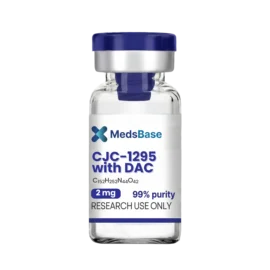
| CJC-1295 with DAC | GHRH analogue (DAC-bound, long-acting) | Lyophilized vial | 2 mg | 10 vials | US$225.00 | US$22.50 | On request |
| CJC-1295 without DAC | GHRH analogue (modified GRF 1-29) | Lyophilized vial | 2 mg | 10 vials | US$210.00 | US$21.00 | On request |
For in-vitro laboratory research use only — not for human or veterinary use. Prices shown for the entry pack (10 vials, base strength); full vial ladder available on each product page. HPLC ≥99% purity, COA available on request.
BPC-157 vs TB-500 research positioning
| Compound | Research class | Format | Strength | Pack | Price | Price / vial | COA |
|---|---|---|---|---|---|---|---|
| BPC-157 | Pentadecapeptide (gastric-derived, tissue repair) | Lyophilized vial | 2 mg | 10 vials | US$115.00 | US$11.50 | On request |
| TB-500 (Thymosin Beta-4) | Thymosin β-4 fragment (actin-binding) | Lyophilized vial | 2 mg | 10 vials | US$150.00 | US$15.00 | On request |
For in-vitro laboratory research use only — not for human or veterinary use. Prices shown for the entry pack (10 vials, base strength); full vial ladder available on each product page. HPLC ≥99% purity, COA available on request.
BPC-157 + TB-500 blend vs individual vials
| Compound | Research class | Format | Strength | Pack | Price | Price / vial | COA |
|---|---|---|---|---|---|---|---|
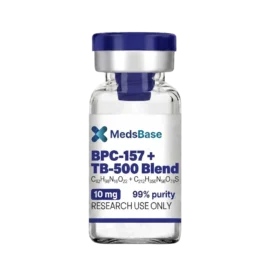
| BPC-157 + TB-500 Blend | Combined tissue-repair blend (pre-mixed) | Lyophilized vial | 10 mg | 10 vials | US$300.00 | US$30.00 | On request |
| BPC-157 | Pentadecapeptide (gastric-derived, tissue repair) | Lyophilized vial | 2 mg | 10 vials | US$115.00 | US$11.50 | On request |
| TB-500 (Thymosin Beta-4) | Thymosin β-4 fragment (actin-binding) | Lyophilized vial | 2 mg | 10 vials | US$150.00 | US$15.00 | On request |
For in-vitro laboratory research use only — not for human or veterinary use. Prices shown for the entry pack (10 vials, base strength); full vial ladder available on each product page. HPLC ≥99% purity, COA available on request.
GHK-Cu vs AHK-Cu
| Compound | Research class | Format | Strength | Pack | Price | Price / vial | COA |
|---|---|---|---|---|---|---|---|
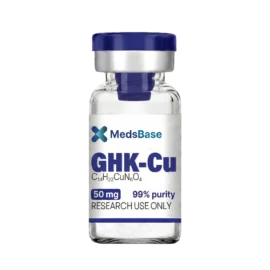
| GHK-Cu | Copper tripeptide (GHK) — cosmetic / regenerative | Lyophilized vial | 50 mg | 10 vials | US$105.00 | US$10.50 | On request |
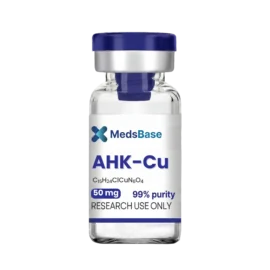
| AHK-Cu | Copper tripeptide (AHK) — cosmetic / hair | Lyophilized vial | 20 mg | 10 vials | US$120.00 | US$12.00 | On request |
For in-vitro laboratory research use only — not for human or veterinary use. Prices shown for the entry pack (10 vials, base strength); full vial ladder available on each product page. HPLC ≥99% purity, COA available on request.
Semax vs Selank
| Compound | Research class | Format | Strength | Pack | Price | Price / vial | COA |
|---|---|---|---|---|---|---|---|
| Semax | ACTH(4-10) analogue — nootropic | Lyophilized vial | 5 mg | 10 vials | US$150.00 | US$15.00 | On request |
| Selank | Tuftsin-derived anxiolytic peptide — nootropic | Lyophilized vial | 5 mg | 10 vials | US$150.00 | US$15.00 | On request |
For in-vitro laboratory research use only — not for human or veterinary use. Prices shown for the entry pack (10 vials, base strength); full vial ladder available on each product page. HPLC ≥99% purity, COA available on request.
Key takeaways
- MedsBase stocks 62 research peptides and companion compounds across ten biological clusters — tissue repair, growth-hormone secretagogues, GLP‑1/incretin metabolic compounds, cosmetic copper peptides, nootropic CNS peptides, longevity/mitochondrial peptides, reproductive/sexual signalling peptides, immune & antimicrobial peptides, fat-loss & exercise-mimetic compounds, and oncology-research peptides.
- Every vial is lyophilized, HPLC ≥99% purity, COA available on request, and shipped via a dedicated peptide courier with temperature-stable packaging.
- Peptides on this page are for in‑vitro laboratory research use only. None are FDA / EMA / MHRA approved for human therapy. Comparator-drug regulatory references (PT‑141 / Vyleesi, Tesamorelin / Egrifta, Tirzepatide / Mounjaro) are provided as clinical context only.
- Lyophilized storage: 2–8 °C for working stock, −20 °C for long-term storage of unopened vials. After reconstitution: 2–8 °C, use within ~30 days. Protect from light. Never freeze–thaw reconstituted solution.
- Below: a goal-led decision tree, a CAS-keyed A–Z reference table of the 39 core compounds (the 23 May 2026 additions are catalogued in the expansion block above), cluster-by-cluster guides, and a sterile reconstitution protocol.
Shipping & pricing
Every peptide order carries a flat $50 peptide shipping — dedicated courier charge, applied once per order whenever any Peptides item is in your cart. On a peptide-only order this is the only shipping charge; on a mixed order the peptide parcel ships via courier and any medications ship separately. Product price, this $50 charge, and tax (if any) are shown as separate lines at checkout.
Research Peptides at MedsBase — The Complete Reference
Peptides are short chains of amino acids that act as biological signalling molecules — coordinating tissue repair, immune responses, growth-hormone release, satiety, melanocortin activity, mitochondrial function, and dozens of other physiological processes. Research peptides have become one of the most actively studied categories in modern biotech, regenerative medicine, and longevity science.
This hub is the canonical reference for the entire MedsBase peptide catalogue: it groups the 62 in-stock compounds by research goal, provides a CAS-keyed analytical table for laboratory referencing, links each molecule to its dedicated research guide, and answers the practical questions researchers actually need answered before reconstitution — sterile technique, cold-chain storage, and how to read the Certificate of Analysis that accompanies every shipment.
Researcher quick‑reference shortcuts
📦 Catalogue expansion — May 2026
The catalogue grew from 39 to 62 in-stock compounds through a May 2026 expansion that added 22 new research molecules across four genuinely new mechanism classes and several extensions of existing clusters. New additions:
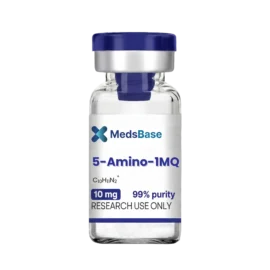
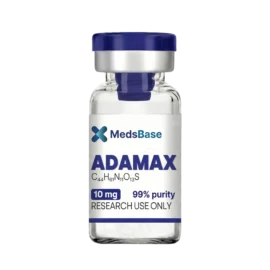
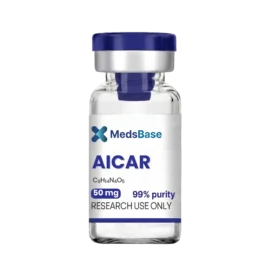
- NAD-axis & energy metabolism (new cluster): 5-Amino-1MQ (NNMT inhibitor — spares NAD precursors), AICAR (Acadesine) (cell-permeable AMPK activator), Vitamin B12 (Cyanocobalamin) (methylation + methylmalonyl-CoA mutase cofactor), L-Carnitine (long-chain fatty-acid mitochondrial shuttle), L-Glutathione (GSH) (master antioxidant tripeptide).
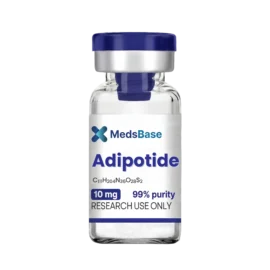
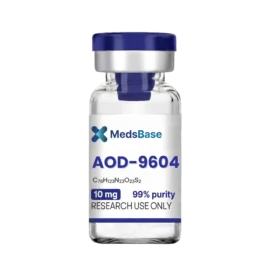
- Fat-loss & exercise-mimetic (new cluster): AOD-9604 (GHR-decoupled hGH C-terminal fragment), Adipotide (FTPP) (white-adipose vascular pro-apoptotic chimera), SLU-PP-332 (pan-ERR transcriptional exercise-mimetic), Super Shred Blend (L-Carnitine + MIC + ATP + Albuterol + B12 compounded blend).
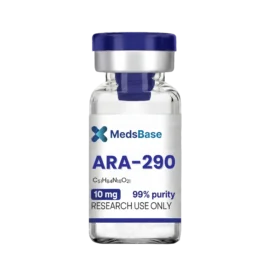
- Immune & antimicrobial (new cluster): Thymosin Alpha-1 (Tα1 / Thymalfasin) (defined 28-aa TLR9/TLR2 agonist), Thymalin (Khavinson multi-component thymic bioregulator), LL-37 (Cathelicidin) (broad-spectrum antimicrobial + immunomodulatory), VIP (Vasoactive Intestinal Peptide) (28-aa neuropeptide VPAC1/VPAC2 agonist), ARA-290 (Cibinetide) (innate-repair-receptor agonist — non-erythropoietic EPO derivative).
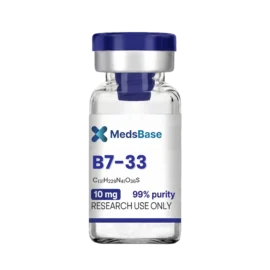
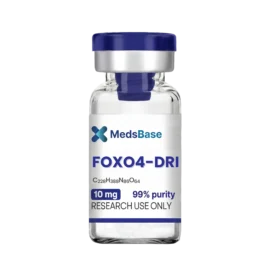
- Senolytic & anti-fibrotic (new cluster): FOXO4-DRI (D-retro-inverso senescent-cell clearance peptide — Baar 2017 Cell), B7-33 (biased RXFP1 relaxin B-chain analogue — single-chain anti-fibrotic), Pinealon (Khavinson tripeptide bioregulator).
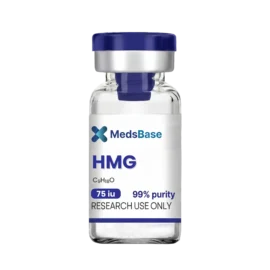
- HPG-axis & reproductive expansion: HCG (Human Chorionic Gonadotropin) — Research Grade (LHCGR agonist; 33–37 h half-life), HMG (Human Menopausal Gonadotropin / Menotropin) — Research Grade (dual LHCGR + FSHR agonist; the urinary-extracted mixed-gonadotropin preparation).
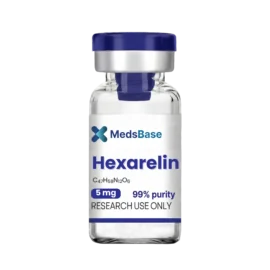
- GH-axis & cosmetic extension: Hexarelin Acetate (Examorelin) (potent GHSR-1a agonist; CD36 cardioprotective signalling), SNAP-8 (Acetyl Octapeptide-3) (topical SNARE-complex inhibitor — extends the cosmetic-peptide cluster).
- Oncology research (new niche): PNC-27 (p53-HDM2 membrane-targeting chimera — tumour-selective membrane lysis).
Each new compound has a dedicated research-grade product page with CAS number (where canonical), molecular formula, published-research summary, dosing protocol references, and sibling links to mechanistically-related compounds.
Pick by research goal
The fastest way to navigate a 62-compound catalogue is by the biological pathway you are studying. The seven clusters below cover every SKU on this category page.
1. Tissue repair & recovery
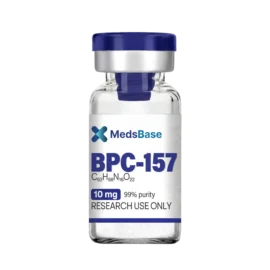
The most-researched cluster in regenerative peptide science. BPC‑157 is the prototype — a stable 15-amino-acid fragment of body protection compound found in gastric juice, studied for tendon, ligament, gastrointestinal, and vascular repair. TB‑500 (thymosin β‑4) is its frequent stack partner, acting on actin polymerization and angiogenesis. KPV is the α‑MSH tripeptide fragment with anti-inflammatory effects studied in colitis and skin-barrier models.
- BPC‑157 · Full research guide
- TB‑500 (Thymosin Beta-4) · Full research guide
- BPC‑157 + TB‑500 Blend · BPC vs TB: which to pick
- Peptide Healing Stack (BPC + TB + BAC)
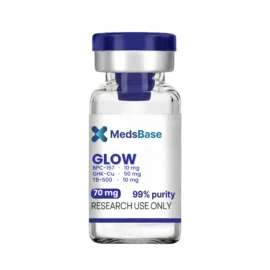
- GLOW Blend (BPC‑157 + GHK-Cu + TB‑500)
- KPV (Lys‑Pro‑Val) · Full research guide
- Background: Best peptides for recovery — comparative analysis
2. Growth-hormone axis (GHRH & GHRP secretagogues)
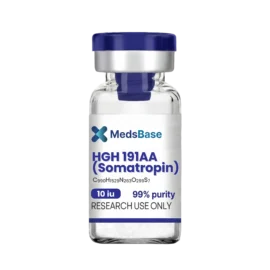
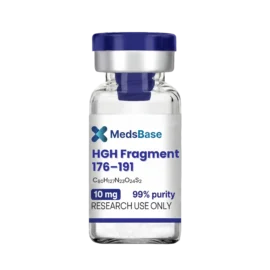
These peptides stimulate endogenous growth-hormone release through two complementary mechanisms. GHRH analogues (Sermorelin, CJC‑1295, Tesamorelin) bind the GHRH receptor on pituitary somatotrophs. GHRPs / ghrelin mimetics (Ipamorelin, GHRP‑2, GHRP‑6, Hexarelin) bind the GHS-R1a receptor for amplified pulsatile release. The classical research stack pairs one of each — e.g. CJC‑1295 + Ipamorelin — for synergistic GH release with minimal cortisol/prolactin elevation. HGH 191AA is recombinant human growth hormone itself (somatropin); HGH Fragment 176‑191 is a lipolysis-selective C-terminal fragment without the growth-promoting effects of full-length GH. IGF‑1 LR3 sits downstream of GH and represents the anabolic readout.
- Sermorelin · Full research guide
- CJC‑1295 with DAC (4–8 day half-life)
- CJC‑1295 without DAC (Mod-GRF 1‑29, ~30 min half-life)
- Tesamorelin (the comparator drug, Egrifta, is FDA-approved for HIV-associated lipodystrophy — the only FDA-approved GHRH analogue)
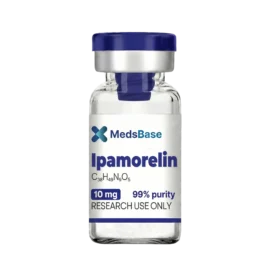
- Ipamorelin (the cleanest GHRP for selectivity)
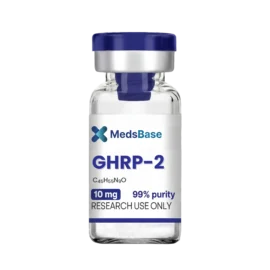
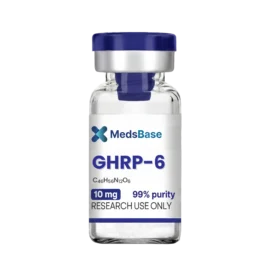
- GHRP‑2 Acetate · GHRP‑6 Acetate
- HGH 191AA (Somatropin)
- HGH Fragment 176‑191
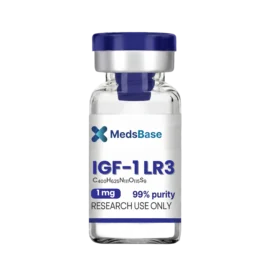
- IGF‑1 LR3 · Full research guide
- Background: CJC‑1295 + Ipamorelin stack guide · Stack mechanism deep-dive
3. GLP‑1 & incretin/metabolic peptides
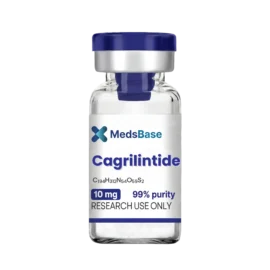
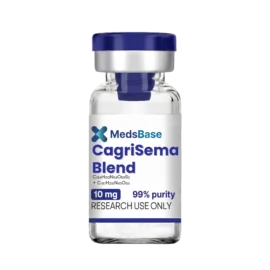
The most clinically advanced peptide cluster — every compound in this group has either an FDA-approved comparator drug or a Phase 2/3 trial readout. Semaglutide (comparator: Ozempic / Wegovy) is the GLP‑1 monoagonist that established the class. Tirzepatide (comparator: Mounjaro / Zepbound) adds GIP for dual-agonist weight loss. Retatrutide is the triple agonist (GLP-1 + GIP + glucagon) currently in Phase 3 with the largest weight-loss readouts to date. Mazdutide and Survodutide are dual GLP‑1/glucagon agonists. Cagrilintide is a long-acting amylin analogue typically researched alongside semaglutide (“CagriSema”).
- Semaglutide
- Tirzepatide
- Retatrutide · Mechanism guide · Research protocol · Retatrutide vs Tirzepatide
- Mazdutide
- Survodutide
- Cagrilintide
- Background: Peptide stacks for fat loss
4. Cosmetic, skin & hair-research peptides
GHK‑Cu is the prototype copper tripeptide — the most-researched cosmetic peptide, with documented effects on collagen synthesis, hair-follicle stimulation, and wound healing. AHK‑Cu is its hair-specific analogue. Melanotan II is a synthetic α‑MSH analogue studied for melanocortin-receptor pigmentation effects (and the parent compound of bremelanotide, sold separately as PT‑141 below).
- GHK‑Cu (Copper Tripeptide) · Mechanism guide · GHK-Cu for hair-loss research
- AHK‑Cu
- Melanotan II · Full research guide
5. Nootropic & CNS peptides
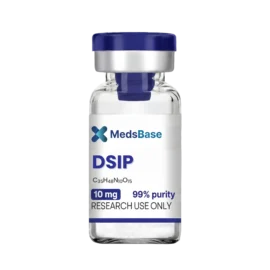
Short peptides studied for blood-brain barrier penetration and CNS-receptor effects. Semax and Selank are Russian-developed regulatory peptides studied for attention/anxiolysis (both built around the ACTH 4‑7 / Tuftsin motifs respectively). DSIP is delta-sleep-inducing peptide. Adamax is a research compound being investigated as a Semax follow-on.
6. Longevity & mitochondrial peptides
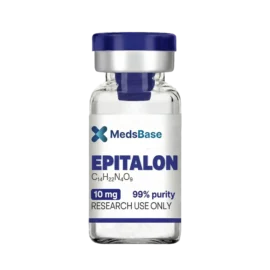
The newest cluster — peptides studied for cellular ageing, mitochondrial function, and telomere biology. Epitalon is the pineal-derived tetrapeptide studied for telomerase activity. NAD⁺ is the central redox cofactor whose age-related decline drives several longevity hypotheses. SS‑31 (Elamipretide) is a cardiolipin-targeted tetrapeptide with FDA orphan-drug designation for primary mitochondrial myopathy (a regulatory marker that the molecule has passed Phase 2 safety milestones, though it is not approved for general use). MOTS‑c is a mitochondrial-derived peptide encoded in the 12S rRNA gene.
- Epitalon · Full research guide
- NAD⁺ · Full research guide
- SS‑31 (Elamipretide) · Full research guide
- MOTS‑c
7. Sexual, reproductive & muscle-research peptides
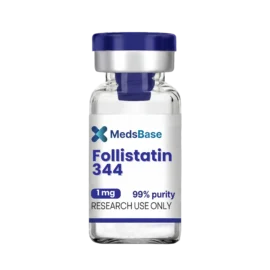
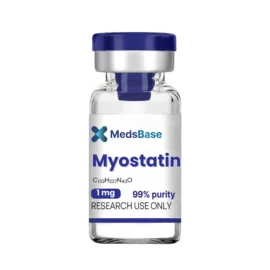
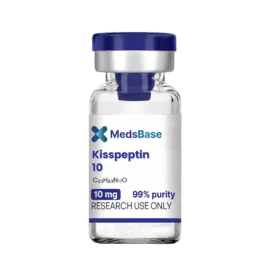
PT‑141 (Bremelanotide) is the comparator molecule to FDA-approved Vyleesi for hypoactive sexual desire disorder. Kisspeptin‑10 is the upstream activator of GnRH at the hypothalamic-pituitary-gonadal axis. Oxytocin Acetate is the nonapeptide studied for social bonding and parturition. Follistatin 344 binds and neutralises myostatin, and GDF‑8 (Myostatin) itself is included for researchers studying the inhibition axis directly.
- PT‑141 (Bremelanotide) · Full research guide
- Kisspeptin‑10
- Oxytocin Acetate
- Follistatin 344
- GDF‑8 (Myostatin)
CAS-keyed A–Z reference table
Analytical reference for the 39 core compounds — the 23 compounds added in the May 2026 expansion are catalogued in the expansion block above, each linked to its dedicated product page. Compounds are listed alphabetically. CAS numbers, molecular formulae, and molecular weights are provided where the compound has a formal registration; recombinant proteins and proprietary research compounds are flagged accordingly. Click any compound name to open its product page; the full Certificate of Analysis with batch-specific HPLC purity is available on request.
| Compound | CAS | Molecular formula | MW (Da) | Class / research use |
|---|---|---|---|---|
| Adamax | Not registered (research compound) | — | — | Nootropic / CNS |
| AHK‑Cu | 76549‑44‑9 (peptide) + Cu(II) | C₁₄H₂₆N₇O₃·Cu | — | Cosmetic / hair |
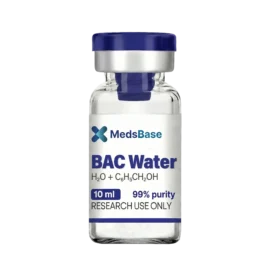
| BAC Water | N/A (sterile reconstitution vehicle) | H₂O + 0.9% benzyl alcohol | — | Reconstitution diluent |
| BPC‑157 | 137525‑51‑0 | C₆₂H₉₈N₁₆O₂₂ | 1419.5 | Tissue repair / GI |
| BPC‑157 + TB‑500 Blend | Composite | — | — | Tissue repair (combo) |
| Cagrilintide | 1415456‑99‑3 | C₁₈₃H₂₈₆N₄₄O₅₆ | ~4144 | Amylin analogue / metabolic |
| CJC‑1295 with DAC | 863288‑34‑0 | C₁₅₂H₂₅₂N₄₄O₄₂ | 3367.9 | GHRH analogue (long-acting) |
| CJC‑1295 without DAC | 446262‑90‑4 | C₁₄₉H₂₄₆N₄₄O₄₂S | 3358.9 | GHRH analogue (Mod-GRF 1‑29) |
| DSIP | 62568‑57‑4 | C₃₅H₄₈N₁₀O₁₅ | 848.8 | Sleep-research peptide |
| Epitalon | 307297‑39‑8 | C₁₄H₂₂N₄O₉ | 390.4 | Longevity / telomere research |
| Follistatin 344 | Recombinant protein | — | ~38,000 | Myostatin pathway |
| GDF‑8 (Myostatin) | Recombinant protein | — | ~26,000 (dimer) | Myostatin reference standard |
| GHK‑Cu | 89030‑95‑5 | C₁₄H₂₃N₆O₄·Cu | 402.9 | Cosmetic / collagen / hair |
| GHRP‑2 Acetate | 158861‑67‑7 | C₄₅H₅₅N₉O₆ | 817.9 | GHRP / ghrelin mimetic |
| GHRP‑6 Acetate | 87616‑84‑7 | C₄₆H₅₆N₁₂O₆ | 873.0 | GHRP / ghrelin mimetic |
| GLOW Blend | Composite | BPC + GHK-Cu + TB-500 | — | Cosmetic + repair (combo) |
| HGH 191AA | 12629‑01‑5 | C₉₉₀H₁₅₂₈N₂₆₂O₃₀₀S₇ | 22,124 | Recombinant somatropin |
| HGH Fragment 176‑191 | 66004‑57‑7 | C₇₈H₁₂₅N₂₃O₂₃S₂ | 1817.1 | Lipolysis-selective GH fragment |
| IGF‑1 LR3 | 946870‑92‑4 | C₄₀₀H₆₂₅N₁₁₁O₁₁₅S₉ | 9111.5 | IGF-1 long-arg analogue |
| Ipamorelin | 170851‑70‑4 | C₃₈H₄₉N₉O₅ | 711.9 | GHRP (selective) |
| Kisspeptin‑10 | 374675‑21‑5 | C₆₃H₈₃N₁₇O₁₄ | 1302.5 | HPG-axis upstream activator |
| KPV | PubChem CID 125672 | C₁₆H₃₀N₄O₄ | 342.4 | α-MSH fragment / anti-inflammatory |
| Mazdutide | 2259147‑25‑2 | — | ~4860 | GLP-1 / glucagon dual agonist |
| Melanotan II | 121062‑08‑6 | C₅₀H₆₉N₁₅O₉ | 1024.2 | Melanocortin agonist |
| MOTS‑c | 1627580‑64‑6 | C₇₅H₁₃₃N₂₃O₂₁S₂ | 1720.0 | Mitochondrial-derived peptide |
| NAD⁺ | 53‑84‑9 | C₂₁H₂₇N₇O₁₄P₂ | 663.4 | Redox cofactor / longevity |
| Oxytocin Acetate | 6233‑83‑6 (acetate) | C₄₃H₆₆N₁₂O₁₂S₂ | 1007.2 | Nonapeptide / social-bonding research |
| Peptide Healing Stack | Composite | BPC + TB‑500 + BAC | — | Tissue repair (bundle) |
| PT‑141 (Bremelanotide) | 189691‑06‑3 | C₅₀H₆₈N₁₄O₁₀ | 1025.2 | Melanocortin-4 agonist |
| Retatrutide | 2381089‑83‑2 | — | ~4731 | GLP-1 / GIP / glucagon triple agonist |
| Selank | 129954‑34‑3 | C₃₃H₅₇N₁₁O₉ | 751.9 | Tuftsin analogue / anxiolytic |
| Semaglutide | 910463‑68‑2 | C₁₈₇H₂₉₁N₄₅O₅₉ | 4113.6 | GLP-1 monoagonist |
| Semax | 80714‑61‑0 | C₃₇H₅₁N₉O₁₀S | 813.9 | ACTH 4-7 analogue / nootropic |
| Sermorelin | 86168‑78‑7 | C₁₄₉H₂₄₆N₄₄O₄₂S | 3358.0 | GHRH analogue (GRF 1-29) |
| SS‑31 (Elamipretide) | 736992‑21‑5 | C₃₂H₄₉N₉O₅ | 639.8 | Cardiolipin-targeted mito peptide |
| Survodutide | 2406796‑94‑9 | — | ~4830 | GLP-1 / glucagon dual agonist |
| TB‑500 (Thymosin Beta-4) | 77591‑33‑4 | C₂₁₂H₃₅₀N₅₆O₇₈S | 4963.5 | Actin-binding / tissue repair |
| Tesamorelin | 218949‑48‑5 | C₂₂₁H₃₆₆N₇₂O₆₇S | 5135.8 | GHRH analogue (long-acting) |
| Tirzepatide | 2023788‑19‑2 | — | 4813.5 | GLP-1 / GIP dual agonist |
CAS values and molecular weights are provided for analytical/reference use. Where a compound is a recombinant protein or proprietary research compound without a single formal CAS registration, that fact is noted explicitly rather than substituted with an arbitrary identifier. Batch-specific HPLC purity (typically ≥99.0%), sequence verification, and full COA are available on request for any shipment.
Reconstitution & sterile technique
Every peptide on this page ships lyophilized (freeze-dried) under vacuum-stoppered glass. Reconstitution introduces the working solution at the concentration appropriate for the planned research dosing. Three rules cover ~95% of reconstitution problems.
- Use bacteriostatic water, not sterile water alone, for any solution intended to be held longer than 24 hours. BAC water contains 0.9% benzyl alcohol that prevents bacterial growth in the multi-dose vial; sterile water lacks this preservative and supports microbial contamination within hours.
- Add diluent slowly, down the side of the vial wall. Direct injection onto the lyophilized cake denatures peptide and creates clumping. After diluent contact, swirl gently — never shake. Most peptides denature on vigorous agitation. Full dissolution should take under 60 seconds; if cloudy after 5 minutes, suspect cap-seal compromise or expired diluent.
- Calculate concentration before drawing. A 5 mg BPC-157 vial reconstituted with 2 mL BAC water = 2500 mcg/mL. On a standard insulin syringe with 100-unit / 1 mL graduation, 10 units = 0.1 mL = 250 mcg. The full reconstitution math — including how syringe markings map to peptide dose — is worked example-by-example in the BPC‑157 reconstitution & dosing calculator and the BAC water sterile-technique guide.
Storage & cold-chain protocol
Peptide stability is temperature-dependent and the working stability window differs substantially between the lyophilized and reconstituted state.
Canonical storage profile (applies to all lyophilized peptides in this catalogue)
- Lyophilized vial, unopened, long-term: −20 °C (standard lab freezer). Stable for 18–24 months under these conditions for most sequences.
- Lyophilized vial, working stock: 2–8 °C (refrigerator). Stable for several months while you’re actively pulling from it.
- Reconstituted solution: 2–8 °C (refrigerator). Use within ~30 days. Some sequences (e.g. GHRP-class, BPC-157, TB-500) tolerate 30+ days well; others (e.g. growth-hormone fragments, oxidation-prone Met/Cys-containing peptides) drift in potency after 14 days.
- Protect from light at all storage stages — aromatic residues (Trp, Tyr, Phe) photodegrade.
- Do not freeze–thaw the reconstituted solution. Freezing aqueous peptide introduces ice-crystal damage and denaturation. Once liquid, keep refrigerated until depletion.
MedsBase ships in temperature-stable packaging designed to keep lyophilized vials below 25 °C across typical 5–14 day international transit. The peptide-specific courier route is the reason peptide orders are billed a separate $50 USD special-handling fee rather than the standard pharmacy courier — the route uses cold-chain operators and an EU-bonded warehouse rather than the general-medication network.
What “for research use only” actually means here
None of the compounds on this page are FDA-, EMA-, or MHRA-approved for human therapeutic use. They are sold for in‑vitro laboratory research, analytical reference, and academic study only. Where a peptide has a regulatory comparator drug — for example Tesamorelin (the approved drug Egrifta, indicated for HIV-associated lipodystrophy), PT‑141 (Vyleesi, indicated for HSDD), Semaglutide (Ozempic / Wegovy), or Tirzepatide (Mounjaro / Zepbound) — that comparator is identified for clinical context only. The compound you are purchasing is not the FDA-approved finished pharmaceutical product; it is the research-grade lyophilized material.
Several compounds (SS‑31 / Elamipretide has FDA orphan-drug designation for primary mitochondrial myopathy; Retatrutide is in Phase 3 trials; Mazdutide and Survodutide are in late-stage development) have favorable regulatory trajectories but remain non-approved as of catalogue date.
Frequently asked research questions
What is the typical shipping time on peptide orders?
The dedicated peptide-courier route ships from an EU-bonded warehouse and clears most destinations within 5–14 business days. The route is separate from the general MedsBase pharmacy network — that’s why peptide orders carry a flat $50 USD special-handling fee (the peptide courier itself ships free on peptide-only carts) and a separate dispatch confirmation. Every order is covered by the same reshipment-assurance policy applied to all products on the site.
Are the peptides HPLC-tested? Can I see a COA?
Yes. Every batch is tested at HPLC purity threshold of ≥99.0%. The Certificate of Analysis for a specific batch — with retention times, peak integration, mass spectrometry confirmation of molecular weight, and sequence verification — is available on request. Contact support after order placement with the batch ID printed on your vial and the COA will be emailed back within one business day.
What’s the difference between CJC‑1295 with DAC and without DAC?
The “DAC” stands for Drug Affinity Complex — a maleimidopropionyl group that lets the peptide bind covalently to circulating albumin, extending half-life from ~30 minutes to roughly 4–8 days. Without-DAC CJC‑1295 (also called Mod-GRF 1‑29) produces sharp pulsatile GH release approximating endogenous pulsatility; with-DAC CJC‑1295 produces a sustained “GH bleed” elevation across days. Researchers pick based on which pulse profile they’re modelling. With-DAC is more commonly paired with Ipamorelin for sustained GH/IGF‑1 elevation studies; without-DAC is preferred where preservation of the natural pulse pattern matters.
What is the difference between Retatrutide, Tirzepatide, Semaglutide, Mazdutide, and Survodutide?
All five are incretin-class peptides differing by which receptor(s) they activate. Semaglutide — GLP‑1 receptor only (monoagonist). Tirzepatide — GLP‑1 + GIP (dual agonist). Retatrutide — GLP‑1 + GIP + glucagon (triple agonist). Mazdutide and Survodutide — GLP‑1 + glucagon (dual agonists, without the GIP arm). Trial readouts on weight-loss magnitude correlate broadly with the number of receptor arms activated. See the Retatrutide vs Tirzepatide head-to-head for direct trial comparison.
Can I stack BPC‑157 and TB‑500?
The BPC‑157 + TB‑500 stack is one of the most-researched tissue-repair combinations in peptide science — BPC‑157 acts on local growth-factor signalling and angiogenesis at the injury site, while TB‑500 acts systemically on actin polymerization and cell migration. Both products are stocked individually, as a pre-mixed blend, or as part of the Peptide Healing Stack with BAC water included. See the BPC vs TB comparison guide for mechanistic differentiation.
Why does GHK-Cu come paired with copper but other peptides don’t?
GHK is a tripeptide (glycyl-L-histidyl-L-lysine) with high copper-binding affinity. The biological activity researched in cosmetic and wound-healing models — collagen synthesis upregulation, hair-follicle stem-cell activation — depends on the Cu(II) chelated form, not the free peptide. The same logic applies to AHK-Cu. Most other peptides on this page are studied in their free-acid or acetate-salt form without metal chelation.
What does “lyophilized” mean and why does it matter?
Lyophilization (freeze-drying) is the standard preservation method for peptides — the peptide is frozen, then water is removed by sublimation under vacuum, leaving a stable solid cake. Lyophilized peptides have far longer shelf life than aqueous solutions because hydrolysis, oxidation, and microbial growth all require water. Reconstitute only the working volume you’ll use within ~30 days; keep remaining vials freezer-stored.
Can I order bacteriostatic water separately?
Yes — BAC water ships as a standalone SKU. The Peptide Healing Stack bundles BAC water with BPC‑157 + TB‑500. Standard sizes are 10 mL multi-dose vials — sufficient for several rounds of reconstitution depending on peptide concentration and study design.
Which peptide guide should I read first if I’m new to this catalogue?
For the tissue-repair cluster: BPC‑157 research guide → Best peptides for recovery. For growth-hormone: CJC‑1295 + Ipamorelin stack. For GLP-1 / metabolic: Retatrutide mechanism guide. For cosmetic / skin: GHK‑Cu deep-dive. For longevity: Epitalon & NAD⁺. For the practical reconstitution side: BAC water guide.
Research-use disclaimer
All compounds in this catalogue are sold for in‑vitro laboratory research and analytical reference purposes only. They are not approved by the FDA, EMA, MHRA, or any other regulatory authority for human or veterinary therapeutic use. Researchers are responsible for compliance with local laws governing receipt, handling, and disposal of research materials. The molecular and dosing information on this page and linked product pages is provided for analytical and academic context only and should not be construed as medical advice.