







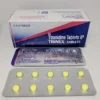

Tinima
⚡ Hurtigt svar — Hvad er Tinima?
Tinima er et nitroimidazol, der anvendes til behandling af trichomoniasis (enkeltdosis på 2 g), giardiasis, amøbiasis og bakteriel vaginose. Undgå alkohol under behandlingen og i 48 timer efter. Fremstillet under WHO-GMP-standarder.
📦 Hver ordre er dækket af vores Reshipment Assurance Policy — hvis din pakke ikke ankommer inden for 20 hverdage, sender vi en erstatning.
Hvorfor bestille fra MedsBase
Vores generiske medicin kommer fra WHO-GMP certificerede producenter og sendes verdensomspændende i diskret, neutral emballage — ingen medicinnavn på pakkens ydre. Kortbetalinger håndteres af en reguleret processor (kontoudtogsbeskrivelser inkluderer en reguleret betalingsprocessor — aldrig “MedsBase” eller medicinnavn). Crypto og SEPA bankoverførsel accepteres også. Hver ordre er dækket af vores Reshipment Assurance Policy.
Produktoverblik
Tinima er et lægemiddel, der indeholder den aktive ingrediens Tinidazol. Det er formuleret som tabletter, der hver indeholder 500 mg Tinidazol. Tinidazol er et antibiotikum, der er effektivt mod forskellige typer af bakterielle og protozoiske infektioner. Det virker ved at hæmme væksten og spredningen af bakterier og parasitter i kroppen og behandler derved infektioner forårsaget af disse mikroorganismer.
Anvendelser
Tinima-tabletter er ordineret til behandling af en bred vifte af infektioner, herunder bakteriel vaginosis, trichomoniasis, giardiasis og amøbiasis. Bakteriel vaginosis er en almindelig vaginal infektion forårsaget af en ubalance i bakterierne i skeden. Trichomoniasis er en seksuelt overført infektion forårsaget af en parasit, mens giardiasis og amøbiasis er tarminfektioner forårsaget af parasitter. Tinima er effektiv mod disse infektioner og hjælper med at lindre symptomer som vaginalt udflåd, mavesmerter og diarré.
Brugsanvisning
Tinima-tabletter skal indtages oralt med et helt glas vand, helst sammen med mad for at minimere maveubehag. Det er vigtigt at følge doseringsanvisningerne fra din læge. Knus, tyg eller del ikke tabletterne, da dette kan påvirke deres effektivitet. Tag Tinima i den fulde ordinerede periode, selvom symptomerne forbedres, før infektionen er helt fjernet.
Virkemåde
Tinidazol, den aktive ingrediens i Tinima-tabletter, virker ved at forstyrre DNA-syntesen hos bakterier og parasitter, hvilket fører til deres død. Det forstyrrer replikations- og reparationsprocessen af mikrobiellt DNA og hæmmer derved deres vækst og spredning i kroppen. Denne virkningsmekanisme gør Tinima effektivt mod en bred vifte af bakterielle og protozoiske infektioner, hvilket giver lindring fra symptomer og fremmer bedring.
Dosering og administration
Den anbefalede dosis af Tinima for voksne er typisk en enkelt dosis på 2 g som en enkelt tablet eller opdelt i to doser taget på hinanden følgende dage. For visse infektioner, såsom amøbiasis, kan doseringen variere. Det er afgørende at følge doseringsregimet ordineret af din læge og ikke at overskride den anbefalede dosis eller behandlingsvarighed.
Fordele
- Effektiv mod bakterielle og protozoiske infektioner
- Lindrer symptomer som vaginalt udflåd, mavesmerter og diarré
- Bekvem oral administration med eller uden mad
- Hurtig virkning for hurtig lindring af symptomer
- Kan ordineres som enkeltdosisbehandling for visse infektioner
Almindelige bivirkninger
Almindelige bivirkninger af Tinima kan omfatte kvalme, opkastning, diarré, mavesmerter, svimmelhed og hovedpine. Disse bivirkninger er normalt milde og midlertidige og aftager, efterhånden som kroppen tilpasser sig medicinen. Hvis bivirkninger vedvarer eller forværres, skal du kontakte din læge for yderligere vejledning.
Advarsler
Tinima kan interagere med visse lægemidler, herunder blodfortyndende midler, antimykotika og alkoholholdige produkter. Det er vigtigt at informere din læge om eventuelle eksisterende medicinske tilstande, allergier eller lægemidler, du tager, før du påbegynder Tinima-behandling. Undgå at indtage alkohol under behandling med Tinima, da det kan øge risikoen for bivirkninger som kvalme og opkastning.
Opbevaringsinformation
Opbevar Tinima-tabletter ved stuetemperatur væk fra fugt og varme. Opbevar medicinen utilgængeligt for børn og kæledyr. Brug ikke Tinima efter den udløbsdato, der er trykt på emballagen, og bortskaff eventuelle ubrugte portioner korrekt.
Ansvarsfraskrivelse:
Vores eneste hensigt er at sikre, at forbrugerne får information, der er ekspertgransket, nøjagtig og pålidelig. Dog bør oplysningerne heri IKKE bruges som erstatning for rådgivning fra en kvalificeret læge. Oplysningerne her er kun til informationsformål. Dette dækker muligvis ikke alle mulige bivirkninger, lægemiddelinteraktioner, advarsler eller påmindelser. Konsulter venligst din læge og drøft alle dine spørgsmål relateret til enhver sygdom eller medicin. Vi har til hensigt at støtte, ikke erstatte, læge-patient-forholdet.
Ofte stillede spørgsmål
Kan jeg drikke alkohol, mens jeg tager Tinima?
Nr. Tinima kan forårsage en disulfiram-lignende reaktion med alkohol — rødmen, kvalme, opkastning, hovedpine, hjertebanken og i sjældne tilfælde arytmi. Undgå al alkohol under behandlingen OG i 72 timer efter den sidste dosis, inklusive mundskyllevand, hostesaft og fermenterede fødevarer.
Hvad bruges Tinima typisk til?
Tinima behandler anaerobe og protozo-infektioner — mest almindeligt bakteriel vaginose, trichomoniasis, giardiasis, amøbiasis og nogle intraabdominale/tandinfektioner. Enkeltdosis på 2 g er almindelig ved trichomoniasis og giardia.
Er Tinima sikkert under graviditet?
Generelt undgås i første trimester. Brug i andet og tredje trimester kan være acceptabelt, når fordelene opvejer risici under specialistvejledning. Tinidazol har lidt færre reproduktionstoksicitetsdata end metronidazol, så metronidazol er det foretrukne nitroimidazol, hvis det er nødvendigt under graviditet.
Hvad er de mest almindelige bivirkninger?
Metallisk smag, kvalme, midlertidig perifer neuropati ved langvarig brug (paræstesi, prikken — stop og søg vurdering), mørknet urin (ufarligt) og sjælden cerebellar ataksi ved meget høje doser. Hududslæt kan forekomme.
Interagerer Tinima med andre lægemidler?
Ja — betydelige interaktioner med warfarin (INR kan stige kraftigt), lithium (toksicitetsrisiko), 5-fluorouracil, phenytoin og disulfiram (psykoserisiko — kombiner aldrig). Undgå også med busulfan.
Hvordan adskiller Tinima sig fra metronidazol?
Tinidazol har en længere halveringstid (~14 timer vs ~8 timer), så enkeltdosisregimer er ofte mere praktiske. Dækningsspektrummet er ens. Begge har den disulfiram-lignende alkoholreaktion; begge undgås i første trimester af graviditeten.
Andre antiinfektive lægemidler
- Cipmox — amoxicillin
- Clavam Dry Syrup — amoxicillin + clavulanate
- Cetil — cefuroxim
- Cefoprox — cefpodoxim
- Taxim-O DT — cefixim
Flere muligheder inden for antibiotika
Rangeret efter seneste MedsBase ordrevolumen — hvad andre kunder i denne kategori vælger.


 Tinima
Spørgsmål & svar
Tinima
Relaterede produkter

Anmeldelser
Der er ingen anmeldelser endnu