









Gravitor SR
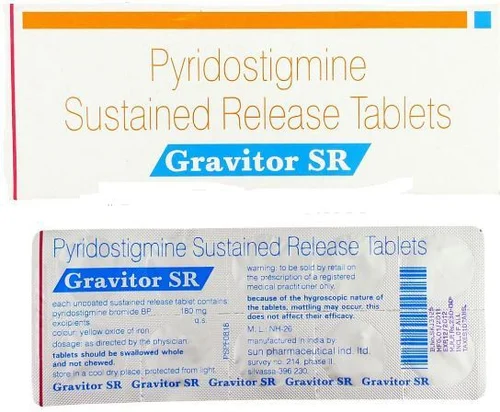
✅ Förbättrad muskelstyrka
✅ Förbättrad neuromuskulär överföring
✅ Symtomlindring vid myasthenia gravis
✅ Förbättrad muskelkoordination
✅ Bättre motorisk funktion
Gravitor SR innehåller pyridostigmin.
✓ Medicinskt granskad av Morgan Ellis — Apoteksforskare · 8 års erfarenhet · Senast granskad: maj 2026
⚡ Snabbsvar — Vad är Gravitor SR?
Gravitor SR är en oral depottablett (vanligtvis 180 mg, 8–12 timmars frisättning) innehållande pyridostigminbromid (180 mg) — en acetylkolinesterashämmare som används för att behandla myasthenia gravis. Verkningstid: 8–12 timmar per dos. SR-formuleringen föredras för nattlig svaghet och morgonptos; en tablett vid läggdags upprätthåller terapeutiska nivåer under natten. Den verkar genom att blockera nedbrytningen av acetylkolin vid den neuromuskulära korsningen, vilket återställer muskelstyrka hos patienter vars acetylkolinreceptorer blockeras av autoantikroppar. Dosering för vuxna vid myasthenia gravis: 30–120 mg var 4–6 timme för den snabbverkande formen (vanligtvis 60 mg tre till fem gånger dagligen); 180 mg var 12–24 timmar för den långverkande formen. Ta 30–45 minuter före måltider om dysfagi är det dominerande symtomet. Vanliga biverkningar: magkramper, diarré, illamående, svettning, ökad salivavsöndring, mios (små pupiller), muskelryckningar. Var uppmärksam på kolinerg kris — överdos kan efterlikna myasthenisk kris; edrofoniumtestet eller ispåsetestet kan skilja dem åt.
📦 Varje beställning omfattas av vår Reshipment Assurance Policy — om din försändelse inte anländer inom 20 arbetsdagar, skickar vi om den.
Varför beställa från MedsBase
Våra generiska läkemedel kommer från WHO-GMP-certifierade tillverkare och skickas världsvidt i diskreta, enkla förpackningar — inget läkemedelsnamn på försändelsens utsida. Kortbetalningar hanteras via en reglerad betalningsprocessor (kontoutdrag visar en reglerad kortbetalningsprocessor — aldrig “MedsBase” eller något läkemedelsnamn). Krypto och SEPA-banköverföring accepteras också. Varje beställning backas upp av vår Reshipment Assurance Policy.
Vad är Gravitor SR?
Gravitor SR är en oral pyridostigminbromid depottablett (vanligtvis 180 mg, 8–12 timmars frisättning) tillgänglig i 180 mg. Pyridostigmin är en kvartär-ammoniumreversibel acetylkolinesterashämmare introducerades 1955 och har sedan dess varit en av hörnstenarna i behandlingen av myasthenia gravis. Eftersom molekylen är en permanent laddad kvartär ammonium, passerar den inte blod-hjärnbarriären — centrala effekter är minimala jämfört med tertiär-amin-kolinesterashämmare som används vid Alzheimers demens.
Depotformen (Mestinon Timespan® / Gravitor SR SR) är utformad för att ge en 8–12 timmars frisättningsperiod, främst använd vid läggdags för att täcka nattlig svaghet och förhindra morgonptos eller dysfagi. Det är inte ett substitut för dagtid dosering med omedelbar frisättning vid måttlig till svår sjukdom — möjligheten att justera dosen dos-för-dos med den omedelbart frisatta formen är standardbasen för behandlingen.
Gravitor SR tillhandahålls av en WHO-GMP-certifierad tillverkare och är bioekvivalent med originalmärket pyridostigmin (Mestinon®).
Hur fungerar Gravitor SR?
Vid myasthenia gravis minskar autoantikroppar (vanligast anti-acetylkolinreceptor-antikroppar, ibland anti-MuSK) antalet fungerande acetylkolinreceptorer vid den neuromuskulära korsningen. Signalerna från motornerverna till musklerna blir ineffektiva och musklerna tröttnar snabbt — en kardinal egenskap hos sjukdomen.
Pyridostigmin hämmar reversibelt acetylkolinesteras, enzymet som bryter ner acetylkolin i den synaptiska klyftan. Med mindre enzymaktivitet kvarstår acetylkolin längre och når fler receptorer, vilket ger en starkare signal vid de kvarvarande fungerande acetylkolinreceptorerna. Den kliniska effekten är förbättrad muskelstyrka — särskilt vid ptos, dysfagi, dysartri och extremitetströtthet.
Pyridostigmin är symptomlindrande, inte sjukdomsmodifierande. Det påverkar inte den underliggande autoimmuna processen. Sjukdomsmodifierande behandling (kortikosteroider, azatioprin, mykofenolat, rituximab, ekulizumab, efgartigimod, tymektomi) behövs för att kontrollera sjukdomsaktiviteten vid måttliga till svåra fall.
Användningsområden och indikationer
- Myasthenia gravis — symtombehandling (huvudindikation; FDA-godkänd)
- Upphäva icke-depolariserande neuromuskulär blockering efter operation (IV-form, endast på sjukhus)
- Postoperativ ileus och urinretention — äldre indikation, mestadels historisk
- Off-label: ortostatisk hypotoni (autonom svikt), medfödda myastena syndrom, slow-channel syndrom, post-COVID-trötthet (mycket begränsad evidens)
Pyridostigmin är inte förstahandsval vid: Alzheimers demens (använd donepezil, rivastigmin, galantamin), Parkinsons sjukdom, eller som rutinmässig kognitiv förstärkare.
Gravitor SR-dosering och hur man tar det
Gravitor SR styrka: 180 mg.
Standarddosering för vuxna vid myastenia gravis:
- Långsamt frisättande 180 mg: vanligtvis 1 tablett vid läggdags för nattlig svaghet; upp till 1 tablett var 12–24 timmar. Många patienter använder SR endast på natten, med omedelbart frisatt pyridostigmin 60 mg var 4–6 timmar under dagen.
- Dagtid SR-dosering är mindre vanligt — dosen kan inte snabbt anpassas till dagtidens aktivitetstoppar (måltider, arbete, träning) som den omedelbart frisatta formen.
- Barn: 1 mg/kg per dos var 4–6 timme; titrera till effekt under specialistrådgivning.
- Nedsatt njurfunktion: dosjustera efter kreatininclearance — minska dos och frekvens vid CrCl <30 mL/min.
Hur man tar Gravitor SR korrekt
- Med eller utan mat — mat påverkar inte absorptionen signifikant. Vissa patienter tar det 30–45 minuter före måltider om dysfagi är det dominerande symtomet.
- Svälj hela. Krossa, dela eller tuggar INTE SR-tabletten – detta förstör den långsammare frisättningen och kan leda till en plötslig dosutlösning (kolinerga biverkningar).
- Planera dosering runt dina dagliga aktiviteter och måltider. Pyridostigmin är symptomatiskt — målet är att få maximal effekt när du behöver den som mest. De flesta patienter finner en personlig schemaläggning (t.ex. vid uppvaknande, före lunch, på eftermiddagen, före middag) bättre än stela fyratimmarsdosering.
- Spåra din dos-respons. För en kort dagbok under de första veckorna: dos, tid, symtomnivå. Detta hjälper din neurolog att justera schemat.
- Var uppmärksam på överdosering. Kolinerga biverkningar (abdominella kramper, diarré, svettning, salivavsöndring, muskelryckningar) och ökad svaghet är varningssignaler. Ökad svaghet vid pyridostigmin kan betyda antingen otillräcklig dos (myastenisk) eller för hög dos (kolinerg) — anta inte att mer är bättre.
- Berätta för varje läkare och tandläkare. Många läkemedel kan förvärra myasthenia gravis (aminoglykosider, fluorokinoloner, makrolider, magnesium, betablockerare, neuromuskulära blockermedel vid kirurgi, telitromycin — FDA svart låda). Undvik telitromycin helt.
- Ha extra doser tillgängliga när du reser eller under sjukdom. Infektioner, feber och emotionell stress kan öka behovet av pyridostigmin.
- Avbryt inte abrupt. Plötsligt upphörande kan orsaka en myasthenisk kris — allvarlig svaghet med respiratorisk svikt. Minskningar bör göras under specialistsupervision.
- Ha en nödfallsplan. Allvarlig svaghet med andningssvårigheter, sväljproblem eller oförmåga att lyfta armarna kräver akut vård – antingen en myasthen kris (underdosering eller sjukdomsutbrott) eller en kolinerg kris (överdosering) är ett medicinskt akutfall.
Biverkningar av Gravitor SR
Vanliga (ofta dosrelaterade – kolinerga biverkningar):
- Magsmärtor, diarré (vanligast – 30–50 % vid högre doser)
- Illamående, kräkningar
- Ökad salivavsöndring, svettning
- Mios (små pupiller), suddig syn, tårflöde
- Muskelryckningar, fascikulationer
- Ökad bronkial sekretion
- Hårdrang, ökad frekvens av urinering
Mindre vanligt men viktigt:
- Bradykardi (långsam hjärtfrekvens)
- Hypotension
- Hudutslag
- Ångest, agitation
- Kolinerg effekt på urinblåsan (trängningar)
Sällsynta men kräver akut vård:
- Kolinerg kris — svåra magkramper, kraftig diarré, salivavsöndring, svettning, fascikulationer, följt av ökande svaghet med respiratorisk svikt. Kan särskiljas från myasthen kris med edrofoniumtest eller ispåseprov. Behandling: avbryt pyridostigmin, intravenös atropin, stödjande vård.
- Anafylaxi eller svår överkänslighet
- Svår bradykardi, AV-block
- Bronkospasm (svår vid astma/KOL)
- Svår hypotoni
Varningar och försiktighetsåtgärder — KRITISKT
- Kolinerg kris kontra myasthen kris — båda presenterar med försämrad svaghet och respiratorisk svikt. Båda kan vara livshotande utan behandling. Anta aldrig att ökad pyridostigmindos kommer att lösa försämrad svaghet; konsultera din neurolog först.
- Astma, KOL, bronkiektasier — pyridostigmin ökar bronkialsekretion och kan utlösa bronkospasm. Använd med försiktighet; ha inhalationsmedel till hands.
- Bradykardi, AV-block, nyligen hjärtinfarkt — pyridostigmin kan sänka hjärtfrekvensen och försämra AV-ledning. Försiktighet; kardiologisk bedömning.
- Mekanisk tarm- eller urinvägsblockad — absolut kontraindikation.
- Läkemedel som försämrar myasthenia gravis — många. Framträdande exempel: aminoglykosider (gentamicin, neomycin, amikacin), fluorokinoloner, makrolider, telithromycin (FDA svart låda, använd ej vid MG), magnesium, betablockerare (särskilt propranolol), penicillamin, litium, neuromuskulära blockermedel vid kirurgi. Informera alla läkare, tandläkare och kirurger om att du har MG.
- Njurpåverkan — pyridostigmine utsöndras via njurarna; dosanpassning efter kreatininclearance krävs.
- Graviditet — pyridostigmine anses generellt vara den säkraste behandlingen för myasthenia gravis under graviditet; specialistövervakning är nödvändig.
- Kirurgi — berätta för din anestesiläkare om Gravitor SR och din myastenia gravis. Många anestesimedel och neuromuskulära blockningsmedel beter sig annorlunda vid MG.
- Körning — vanligtvis säkert, men suddig syn och mios kan påverka körförmåga vid dålig belysning.
Kontraindikationer – Vem bör INTE ta Gravitor SR
- Känd överkänslighet mot pyridostigmine, neostigmine, edrophonium eller något tablettillsatsmedel
- Mekanisk tarm- eller urinvägsblockad
- Akut peritonit
- Allvarlig bradykardi, komplett hjärtblock, nyligen hjärtinfarkt utan specialistbedömning
- Allvarlig astma eller aktiv bronkospasm (relativ)
Läkemedelsinteraktioner
| Kombinera med | Effekt | Vad man ska göra |
|---|---|---|
| Aminoglykosider (gentamicin, neomycin, amikacin) | Försämrar neuromuskulär överföring — kan utlösa myasthenisk kris | Undvik om möjligt. Om nödvändigt, övervakas noga; respiratorisk beredskap krävs. |
| Fluorokinoloner (ciprofloxacin, levofloxacin, moxifloxacin) | Kan förvärra MG; FDA-varning | Använd endast om det inte finns något alternativ; övervakas noga. |
| Telithromycin | Black-box varning — allvarliga försämringar av MG | Undvik absolut vid MG. |
| Makrolider (azitromycin, erytromycin, klaritromycin) | Kan förvärra MG | Använd med försiktighet; övervaka. |
| Magnesium (IV, hög dos oral) | Försämrar neuromuskulär överföring | Undvik magnesiumbaserade antacider och laxermedel om möjligt. IV magnesium är kontraindicerat. |
| Betablocker (särskilt propranolol) | Kan förvärra MG | Använd kardioselektiva betablockerare vid behov; observera. |
| Atropin, glykopyrrolat | Motverka pyridostigmin | Används medvetet vid kolinerg kris; annars undvik. |
| Neuromuskulära blockader (suxametonium, rocuronium, vecuronium) | Oförutsägbar respons vid MG | Anestesiläkaren måste känna till MG före operation. |
| Penicillamin, interferon-alfa, statiner (sällan), checkpoint-hämmare | Kan inducera eller förvärra MG | Specialistövervakning. |
Förvaringsinstruktioner
- Förvara vid rumstemperatur, 15–30°C. Skydda från fukt — pyridostigmin är hygroskopiskt.
- Förvara tabletter i originalförpackning eller flaska tills användning; skruva på locket ordentligt.
- Förvara inte i badrummet.
- Håll utom räckhåll för barn — pyridostigmintillskott orsakar allvarlig kolinerg toxicitet.
- Använd inte efter utgångsdatumet.
- Lämna oanvända tabletter tillbaka till apoteket för korrekt avyttring.
Relaterade alternativ på MedsBase
Andra läkemedel i lager för relaterade tillstånd:
- Bläddra bland alla neurologiska och epilepsimediciner
- Bläddra bland migränmediciner
- Bläddra bland läkemedel för psykisk hälsa och psykiatri
Vanliga frågor
Hur snabbt verkar Gravitor SR?
Verkan börjar efter 30–60 minuter; maximal effekt efter 1–2 timmar. Varaktighet är 8–12 timmar per dos för den omedelbart frisläppande formen. Patienter planerar vanligtvis doseringarna runt de aktiviteter som är viktigast — före måltider om dysfagi är det dominerande symtomet, vid uppvaknande om morgonsvaghet är problemet, före arbete eller bilkörning för uthållighet. Den optimala schemat är patientspecifik och finjusteras under de första veckorna under din neurologs vägledning.
Hur kan jag skilja mellan att behöva mer Gravitor SR och att ha för mycket?
De två liknar varandra — det är den svåraste delen av MG-hantering. Båda ger försämrad svaghet. Kolinerg överdos (för mycket pyridostigmin) är associerad med magkramper, kraftig diarré, svettning, salivavsöndring, mios (små pupiller) och synliga muskelryckningar (fasciculationer). Myasthenisk försämring (inte tillräckligt med läkemedel eller sjukdomsutbrott) är inte associerad med dessa kolinerga egenskaper. Vid tvekan, kontakta din neurolog eller sök akutvård — ta inte bara mer pyridostigmin. Edrofoniumtestet eller ispackningstestet kan skilja på akutmottagningen.
Kommer Gravitor SR att bota min myastenia gravis?
Nej — pyridostigmin är symtomlindrande, inte sjukdomsmodifierande. Det förbättrar styrkan i signalen från nerv till muskel men påverkar inte den underliggande autoimmuna processen. Sjukdomsmodifierande behandling vid måttlig till svår MG inkluderar kortikosteroider, azatioprin, mykofenolat, rituximab, ekulizumab, efgartigimod och tymektomi. De flesta patienter med måttlig till svår MG behöver så småningom både pyridostigmin för symtomkontroll plus ett sjukdomsmodifierande medel.
Varför förvärrar antibiotika som ciprofloxacin min MG?
Flera läkemedelsklasser stör den neuromuskulära överföringen: aminoglykosider, fluorokinoloner, makrolider, telitromycin, betablockare, magnesium, neuromuskulära blockmedel. De minskar acetylkolinfrisättningen vid nervänden eller blockerar postsynaptiska acetylkolinreceptorer. Hos en patient med MG kan detta tryck få balansen att gå från kompenserad till kris. Telitromycin är kontraindicerat (FDA black-box). Berätta för varje läkare, tandläkare och kirurg att du har MG innan något nytt recept skrivs.
När ska jag använda SR-formen jämfört med den omedelbart frisatta formen?
The SR (långsammare frisättning) form är idealisk för nattlig svaghet, morgonptos och svårigheter att svälja frukost – en tablett vid läggdags upprätthåller pyridostigminnivåer under natten och in på morgonen. Den omedelbart frisatta formen är grunden under dagen eftersom den möjliggör exakt timing kring måltider, arbete och aktivitet. Enbart SR under dagen ger vanligtvis inte den dos-för-dos justerbarhet som MG-behandling kräver. Många patienter använder SR på natten och den omedelbart frisatta formen under dagen.
Kan jag dricka alkohol när jag tar Gravitor SR?
Lätt, sporadisk alkoholkonsumtion tolereras vanligtvis men uppmuntras inte — alkohol förvärrar självständigt trötthet och muskelstyrka vid MG. Tung drickande och fyllefestande bör undvikas. Alkohol kan också göra dig uttorkad och göra biverkningarna av pyridostigmin (kramper, diarré) mer obehagliga.
Är Gravitor SR säkert att använda under graviditet?
Pyridostigmin anses generellt vara den säkraste MG-behandlingen under graviditet och har använts i decennier hos gravida MG-patienter. Specialistsupervision är nödvändig eftersom MG kan blossas upp under graviditet eller efter förlossning, och dosen kan behöva justeras. Magnesiumsulfat (används vid preeklampsi) är kontraindicerat vid MG — berätta för din barnmorska.
Vad ska jag göra om jag är sjuk eller har feber?
Infektioner, feber och emotionell stress ökar behovet av pyridostigmin och kan utlösa försämring av myasthenia gravis. Sök samma dag medicinsk rådgivning vid febersjukdom, särskilt om andningen eller sväljningen påverkas. Undvik antibiotika som förvärrar MG (aminoglykosider, fluorokinoloner, makrolider, telithromycin); ampicillin, ceftriaxon och doksycyklin är vanligtvis säkrare alternativ.
Kan Gravitor SR hjälpa mot trötthet vid långvarig COVID?
Bevisen är mycket begränsade. Vissa kliniker har använt pyridostigmin off-label för den autonoma dysfunktionskomponenten vid post-COVID-syndrom, med stöd från fallserier men inga stora RCT-studier. Doseringen och risken för biverkningar liknar dess användning vid myasthenia gravis. Detta är inte en primär indikation och bör endast övervägas efter specialistutvärdering.
Hur slutar jag ta Gravitor SR om jag inte längre behöver det?
Minskningsprocessen bör vara långsam och övervakas av din neurolog. Pyridostigmin är symptomatisk, så en dosminskning avslöjar bara den underliggande sjukdomen — om sjukdomen är väl kontrollerad (t.ex. genom immunosuppression eller tymektomi) kan dosen ofta minskas över veckor till månader. Plötsligt avbrott vid aktiv sjukdom kan utlösa myasthenia kris med respiratorisk svikt.
Var tillverkas Gravitor SR?
Gravitor SR levereras av en WHO-GMP-certifierad tillverkare och är bioekvivalent med originalmärkets pyridostigminbromid (Mestinon®). Analyscertifikat för batch finns tillgängliga på begäran.
Relaterade alternativ
Andra produkter inom Kroniska tillstånd som kunder även tittar på:
Fler alternativ inom neurologiska tillstånd och epilepsi
Rangerade efter senaste ordervolym på MedsBase — vad andra kunder i denna kategori väljer.
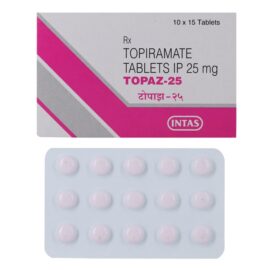

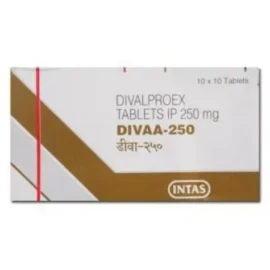

| Styrka | 180 mg |
|---|---|
| Kvantitet | 10 tabletter, 30 tabletter, 60 tabletter, 90 tabletter, 180 tabletter |
 Gravitor SR
Frågor & svar
Gravitor SR
Relaterade produkter






Recensioner
Det finns inga recensioner än