







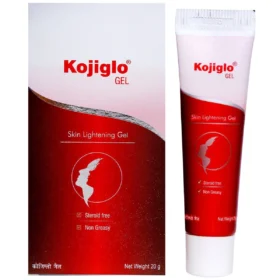
Kojiglo Gél
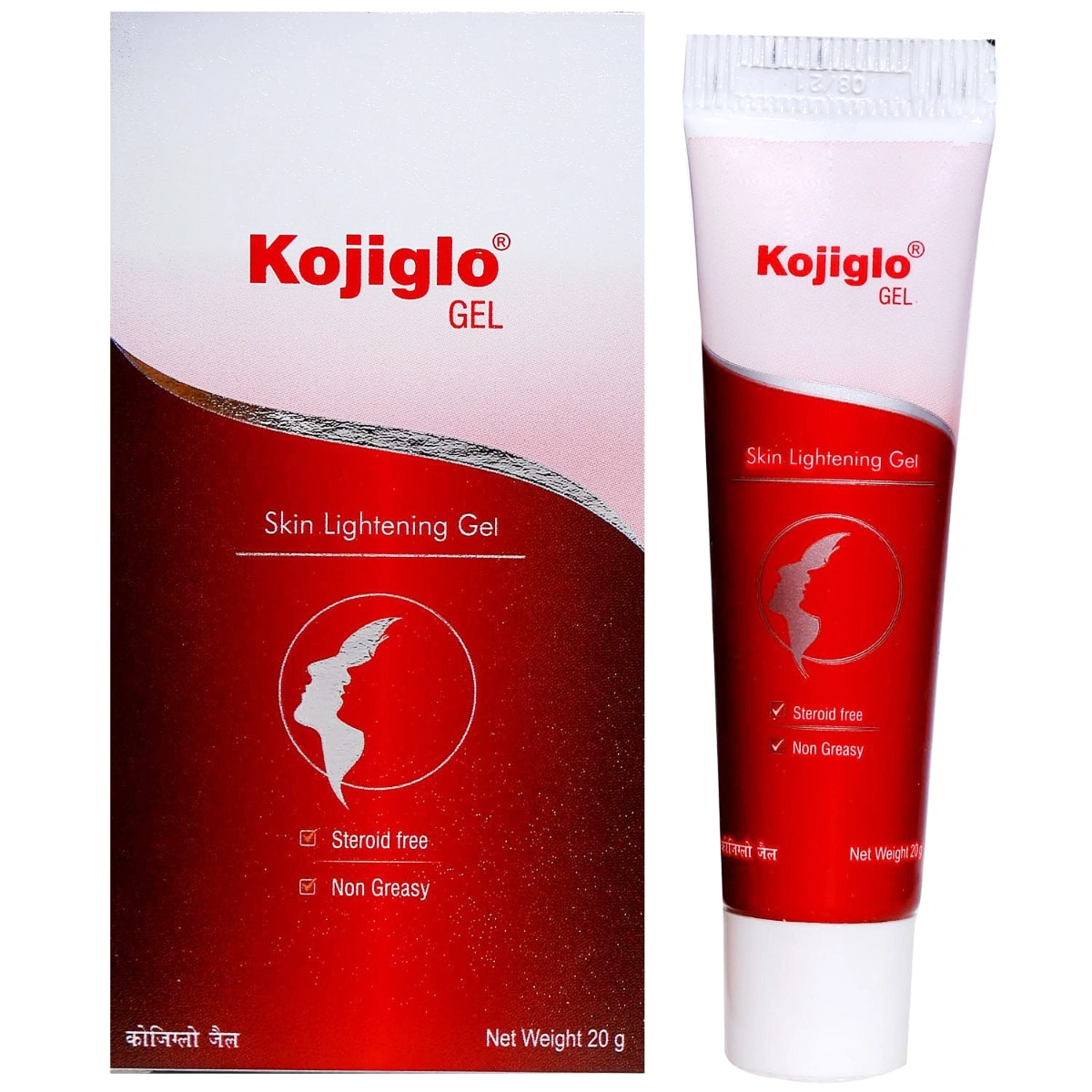
✅ Megvilágosítja a bőrtónust
✅ Csökkenti a hiperpigmentációt
✅ Csökkenti a sötét foltokat
✅ Simítja a bőr textúráját
✅ Kojic Acidot tartalmaz
A Kojiglo Gel Kojic Acidot tartalmaz.
✓ Orvosi ellenőrzés Morgan Ellis — Gyógyszerkutató · 8 év tapasztalat · Utolsó felülvizsgálat: 2026 május
⚡ Gyors válasz — Mi a Kojiglo Gel?
Kojiglo Gél egy kojisav 2% topikális depigmentáló gel a Glenmarktól, amelyet melasma, postinflammatorikus hiperpigmentáció (PIH), solaris lentigo (napfoltok), és más típusú bőrhiperpigmentáció kezelésére használnak. A kojicsav egy természetes gombaeredetű metabolit, amely gátolja a tirozináz enzimet — a melaninszintézis sebességét meghatározó enzimet — így fokozatos, egyenletes bőrvilágosodást eredményez 8–12 hét alatt. Vékony rétegben kell felvinni a sötét foltokra napi egyszer vagy kétszer; napi széles spektrumú SPF 50+ alkalmazása reggelente elengedhetetlen az eredmények megőrzéséhez. A kojicsav a hidrokinonnál enyhébb alternatíva — alkalmas a hidrokinonra érzékeny betegek számára, azoknak, akik el szeretnék kerülni az FDA által a hidrokinon OTC forgalmazására vonatkozó korlátozását, vagy azoknak, akik karbantartó kezelést keresnek a hidrokinon vagy Kligman-tripla kezelési ciklus után. Leggyakoribb mellékhatások: enyhe irritáció, kontakt dermatitis (felhasználók 3–5%-ánál) — végezzen tapasztesztet arcra való alkalmazás előtt.
📦 Minden rendelést fedez a Újraküldési Garancia — ha a csomagod nem érkezik meg 20 munkanapon belül, újraküldjük.
Miért rendelj a MedsBase-ról
Generikus gyógyszereink WHO-GMP minősítésű gyártóktól származnak, és diszkrét, egyszerű csomagolásban szállítjuk őket világszerte — a csomagon nem szerepel a gyógyszer neve. A kártyás fizetések egy szabályozott feldolgozón keresztül történnek (a számlaleírások egy szabályozott kártyafizetési feldolgozót tartalmaznak — soha nem “MedsBase” vagy bármilyen gyógyszer neve). Kriptovalutát és SEPA banki átutalást is elfogadunk. Minden rendelést a Reshipment Assurance Policy biztosíték fedez.
Mi a Kojiglo Gel?
A Kojiglo Gel egy topikális depigmentáló gel a Glenmarktól, mely tartalmazza kojisav 2%. 20 g-os tubusban kapható. A kojsav (5-hidroxi-2-(hidroximetil)-4H-pirán-4-on) egy természetes vegyület, amelyet eredetileg Aspergillus oryzae-ból nyernek, gombából izoláltak, amelyet a hagyományos japán erjesztésben használnak sake és szójaszósz előállításához. A bőrgyógyászatban az 1980-as évek óta használják topikális depigmentáló szerként, és világszerte elérhető akár receptre, akár OTC kozmetikumok formájában.
Hogyan működik a kojsav?
A kojsav három kiegészítő mechanizmuson keresztül világosítja a bőrt:
- Tirozináz gátlás — a kojsav elkötöz a rézatomot a tirozináz aktív helyén, amely a melanin bioszintézis sebességét meghatározó enzim. Kevesebb tirozináz aktivitás kevesebb melanin termelődést jelent a melanocitákban.
- Antioxidáns hatás — a kojsav semlegesíti az UV-sugárzás által generált szabad gyököket, ami közvetve csökkenti az UV által kiváltott melanocita stimulációt.
- Enyhe antibakteriális és gombaellenes hatás — hasznos azoknál a betegeknél, aknél a hiperpigmentáció alacsony fokú gyulladásos bőrállapotokkal jár együtt.
A hidrokinonhoz (a referencia depigmentáló szer) képest a kojsav körülbelül 10-szer kevésbé hatásos százalékos alapon — de jobban tolerált, sokkal alacsonyabb kontakt dermatitis aránnyal és gyakorlatilag nulla exogén ochronosis kockázattal (a visszafordíthatatlan kékes-szürke elszíneződés, amely korlátozza a hidrokinon hosszú távú használatát).
A látható világosodás általában 4–8 hét; maximális hatás 3–6 hónap a következetes napi használat és szigorú SPF alkalmazása után jelentkezik.
Felhasználás és indikációk
- Melasma (chloasma) — szimmetrikus barna foltok az arcokon, a homlokon, a felső ajkon, gyakran hormonális eredetűek; különösen hasznos érzékeny bőrű betegek számára, akik nem tolerálják a hidrokinont
- Posztinflammatóris hiperpigmentáció (PIH) a pattanások, ekcéma vagy égés után — különösen Fitzpatrick III–VI bőrtípusokon, ahol a PIH a legszembetűnőbb
- Napfoltok (solar lentigines, öregségi foltok)
- Szeplők (ephelides) — szerény hatás
- Karbantartó terápia hidrokinon vagy Kligman-triple ciklus után — szelídebb, mint a HQ, korlátlan használatra
- Terhesség és szoptatás — gyakran használják biztonságosabb depigmentáló választásként, ha a HQ ellenjavallt (bár a topikális retinoidokat továbbra is kerülni kell)
A Kojiglo Gel alkalmas nem a következőkre: mély dermális pigmentmelasma (lézer vagy kémiai hámlasztás), sérült vagy ekcémás bőr, vagy napvédelem helyettesítéseként.
Kojiglo Gel adagolása és alkalmazási módja
A Kojiglo Gel 20 g-os tubusban érhető el, 2%-os kójiksav tartalommal.
Hogyan kell helyesen alkalmazni a Kojiglo Gelt
- Óvatosan mosd enyhe, nem habzó tisztítószerrel, majd óvatosan megtöröljük. Várjunk 10–15 percet.
- Először végezzen tapasztesztet — alkalmazzon kis mennyiséget a felkar belső részére 24–48 órával az arcra való felhasználás előtt. A kojiksav 3–5%-ban érintkezési dermatitiszt okoz.
- Csak a sötét foltokra vigyen fel vékony réteget — ne az egész arcra. Kerülje a környező egészséges bőrt, hogy elkerülje a határvonalak kialakulását.
- Kerülje a szemeket, a száj sarkait, az ajkakat, a nyálkahártyákat és a szemhéjakat.
- Naponta egyszer vagy kétszer — kezdje napi egyszeri alkalmazással (általában éjszaka), majd napi kétszerire növelje, ha jól tolerálja.
- Napi széles spektrumú SPF 50+ alkalmazása reggel elengedhetetlen — a UV-sugárzás néhány nap alatt hatástalanítja a kojiksav hatását. Frissítse 2–3 óránként kint tartózkodás esetén. Széles karimájú kalap. Kerülje a szoláriumot teljesen.
- Kezelés időtartama — a kojiksav folyamatosan használható 3–6 hónapig, majd 4–8 hét szünetet tartva folytatható. A hosszú távú használat általában elfogadható, de a karbantartás inkább időszakos, mint folyamatos alkalmazással történjen.
- Azonnal szakítsa meg a kezelést, ha ha tartós csípés, érintkezési dermatitisz vagy visszafordított sötétedés jelentkezik.
A Kojiglo Gél mellékhatásai
Gyakori (enyhe, 1-2 héten belül elmúlik):
- Enyhe csípés, égés vagy bizsergés a kenés helyén – különösen az első héten
- Erythema (enyhe pirosság) a kezelt területeken
- Enyhe szárazság vagy hámlás
- Enyhe fényérzékenység – hangsúlyozza az SPF-50+ szabályt
Kevesebb gyakori, de fontos:
- Kontakt dermatitis (3-5% a felhasználók közül) – ekcémás reakció a kenés helyén. Állítsa le és váltson másik szerre.
- Perzisztens erythema vagy gyulladás utáni hiperpigmentáció, amely paradox módon irritációból származik – csökkentse a gyakoriságot vagy ideiglenesen állítsa le
A hidrokinontól eltérően a kojiksav nem okoz exogén ochronosist (a visszafordíthatatlan kékes-szürke elszíneződést). Ez a fő biztonsági előnye hosszú távú használat esetén.
Ellenjavallatok és figyelmeztetések
- Túlérzékenység a kojiksavra
- Aktív ekcéma, dermatitis vagy sérült bőr a kezelendő területen – először kezelje a gyulladást
- Aktív herpes labialis (nátha) – halassza a kezelést a gyógyulásig
- 12 év alatti gyermekek – általában nem javasolt; ha szükséges, gyermekbőrgyógyászati felügyelet mellett
- Terhesség és szoptatás — a helyi alkalmazású kojiksav rendszerszintű felszívódása minimális és általában biztonságosnak tekinthető; gyakran választják depigmentáló szernek, ha a hidrokinon kontraindikált
Gyógyszerkölcsönhatások
A helyi alkalmazású kojiksav rendszerszintű felszívódása minimális és nincsenek klinikailag jelentős rendszerszintű gyógyszerinterakciói. Kezelendő helyi interakciók:
- Egyéb helyi depigmentáló szerek (hidrokinon, arbutin, tretinoin, azealinsav) — dermatológus irányítása mellett kombinálhatóak szinergikus hatás érdekében, de növelik az irritáció kockázatát; egyesével vezethetők be
- Topikális retinoidok (tretinoin, adapalén, tazarotén) — gyakran kombinálják; különböző napszakokban alkalmazandó (retinoid este, kojiksav reggel) az irritáció minimalizálása érdekében
- Kémiai hámlasztás és mikrodermabrázió — szüneteltetni kell a kojiksav használatát 1–2 héttel a kezelés előtt és után az utókezeléses irritáció kockázatának csökkentése érdekében
- SPF / napvédőszerek — kötelező kiegészítő termék
A Kojiglo Gel összehasonlítása alternatívákkal
| Hatóanyag | Potencia | Jellemző tulajdonság |
|---|---|---|
| Kojic acid 2% (Kojiglo Gel) | Enyhe–közepes | Kíméletesebb, mint a HQ; biztonságos hosszú távon; nincs ochronosis kockázat |
| Hydroquinone 4% (Eukroma) | Erős (arany standard) | FDA korlátozás (szakorvosi használat); max. 4–6 hónap; ochronosis kockázat |
| Kligman tripla (Melacare, Triluma) | Legerossebb | HQ + tretinoin + szteroid; közepes–súlyos melasmára; 8 be/8 ki ciklus |
| HQ + Kojic kombináció (Eukroma-KJ) | Közepes–eros | Ötvözi a HQ hatékonyságát a kojic jól tolerálhatóságával |
| 15–20%-os azeleinsav | Mérsékelt | Terhesség alatt biztonságos alternatíva; gyulladáscsökkentő |
| Niacinamide 4–5% | Enyhe | OTC; nagyon kíméletes; hosszú távú kozmetikai használat |
Tárolás és eltarthatóság
A Kojiglo Gelt 25°C alatt, eredeti csomagolásában, közvetlen napfénytől távol tárolja (a kójiksav fényérzékeny). Minden használat után szorosan zárja le a kupakot. Tartsa gyermekek elől elzárva. Használja fel a gyártó által előírt időn belül az első nyitás után (általában 6 hónap) vagy a nyomtatott lejárati dátum előtt, attól függően, hogy melyik hamarabb következik be.
Gyakran Ismételt Kérdések
A kójiksav biztonságosabb, mint a hidrokinon?
Igen — a kójiksav enyhébb, sokkal alacsonyabb a kontakt dermatitis kialakulásának kockázata, és gyakorlatilag nulla az exogén ochronosis (a visszafordíthatatlan kékes-szürke elszíneződés, ami korlátozza a hidrokinon hosszú távú használatát) kockázata. A kompromisszum az, hogy a kójiksav kb. 10-szer kevésbé hatékony százalékos arányban — az eredmények lassabban érhetők el és szerényebbek. Enyhe-közepes mértékű melasma vagy PIH esetén a kójiksav gyakran a megfelelő választás. Súlyos melasma esetén a hidrokinon vagy a Kligman-trió hatékonyabb.
Mennyi idő múlva látok eredményt?
A látható világosodás általában 4–8 hét következetes napi alkalmazás és szigorú fényvédelem után jelentkezik. A maximális hatás 3–6 hónap múlva érhető el. Ha 12 hét után nincs látható javulás, érdemes lehet erősebb szerre váltani (hidrokinonra vagy Kligman-trióra orvosi felügyelet mellett).
Használhatom a Kojiglo Gelt terhesség alatt?
A helyi kójiksavnak minimális a szisztémás felszívódása, és általában biztonságosnak tekintik terhesség és szoptatás alatt. Gyakran választják a terhesség alatti pigmentcsökkentő szerként, amikor a hidrokinon (terhesség alatt kerülendő) és a helyi retinoidok (terhesség alatt kerülendő) kontraindikáltak. Mindig erősítse meg szülész-nőgyógyászával vagy bőrgyógyászával, mielőtt bármilyen helyi kezelést megkezd terhesség alatt.
Össze lehet kombinálni a kójiksavat C-vitaminnal vagy niacinamiddal?
Igen — a kójiksav jól kombinálható helyi C-vitaminnal (L-askorbinsav 10–20%) és niacinamiddal (4–5%) a fokozott pigmentcsökkentő és antioxidáns hatás érdekében. Alkalmazza különböző időpontokban a pH-val kapcsolatos kölcsönhatások minimalizálása érdekében: C-vitamin reggel fényvédő alatt, niacinamid és kójiksav este.
A kójiksav kifehéredíti az egész arcomat, ha egészséges bőrre kerül?
A kójiksav jól célozza meg az aktív melanocitákat — a pigmentfoltokat hatékonyabban világosítja, mint az egészséges bőrterületeket. Hosszantartó, kiterjedt használat során az egészséges környező bőr enyhén világosodhat, ami enyhe határvonalat hozhat létre a kezelt foltok körül. Ennek minimalizálása érdekében csak a sötét foltokra kenje, ne az egész arcra.
Miért van szükség fényvédőre, ha éjszaka használom a kójiksavat?
Az UV-sugárzás stimulálja a melanocitákat, hogy több melanint termeljenek, ami napokon belül megsemmisíti a kójiksav hatását. Napi széles spektrumú SPF 50+ nélkül a kójiksav (és bármely más pigmentcsökkentő szer) lényegében hatástalan. A fényvédő nem opcionális; ez az elsődleges terápia — a pigmentcsökkentő szer csak kiegészítő.
A Kojiglo Gel végleges megoldás a melasmára?
Egyetlen pigmentcsökkentő szer sem végleges megoldás a melasmára — az alapvető hajlam a túlzott melanintermelésre fennmarad. Következetes fényvédelem, hormonális stabilitás és időszakos karbantartó kezelés mellett az eredmények évekig fenntarthatók. A kezelés abbahagyása VAGY a fényvédő elhagyása fokozatosan visszahozhatja a melasmát.
Hol rendelhetem meg online a Kojiglo Gelt?
Rendelhet Kojiglo Gelt a MedsBase-től szabványos kiszerelésben (20 g-os tubus). A rendelések világszerte diszkrét csomagolásban szállítunk.
Kapcsolódó alternatívák
Egyéb termékek a Általános egészség vásárlók által szintén megtekintett termékek:
További lehetőségek a szépségápolás és bőrgyógyászat területén
Rangsorolva a MedsBase legutóbbi rendelési adatai alapján — hogy ebben a kategóriában más vásárlók mit választanak.
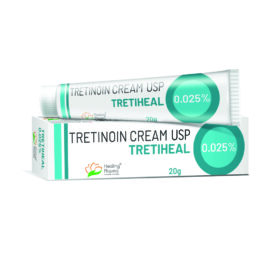


| Erősség | 20 g |
|---|---|
| Mennyiség | 1 tubus, 2 tubus, 3 tubus, 6 tubus |
 Kojiglo Gél
Kérdések és válaszok
Kojiglo Gél
Kapcsolódó termékek




Vélemények
Még nincsenek vélemények