








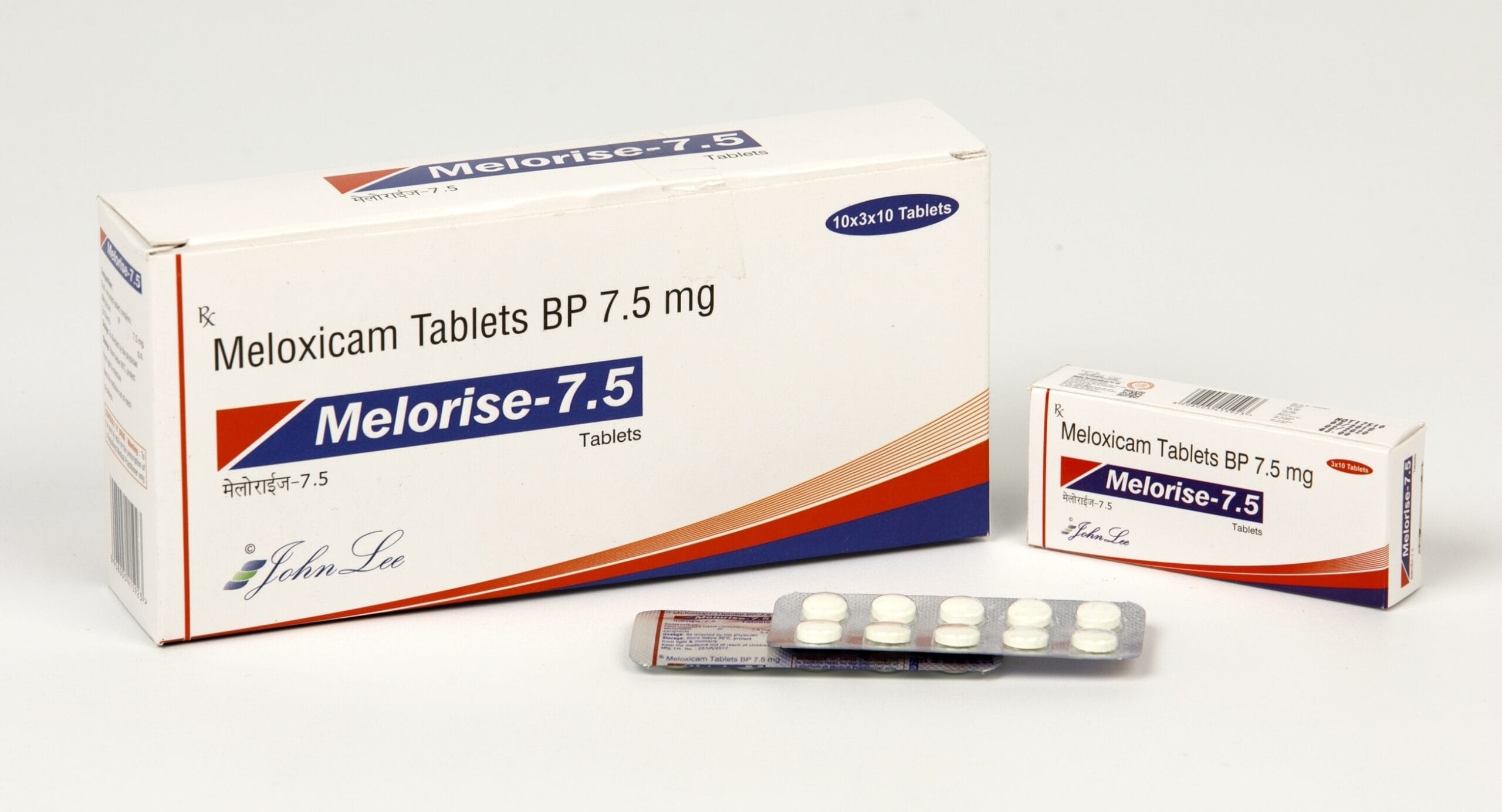
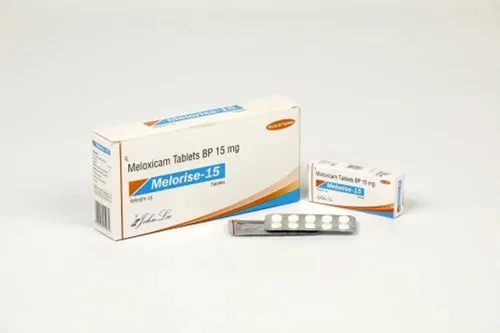
Melorise


✅ Fájdalomcsillapítás
✅ Csökkenti a gyulladást
✅ Enyhíti az ízületi merevséget
✅ Improves mobility
✅ Ízületi gyulladások kezelése
A Melorise meloxicamot tartalmaz.
✓ Orvosi ellenőrzés Morgan Ellis — Gyógyszerkutató · 8 év tapasztalat · Utolsó felülvizsgálat: 2026 május
⚡ Gyors válasz — Mi a Melorise?
Melorise egy meloxicam tabletta elérhető 7,5 mg és 15 mg erősségű. A meloxicam egy preferenciális COX-2 NSAID hosszú felezési idővel (~20 óra) rendelkező gyógyszer, amely lehetővé teszi a napi egyszeri adagolásra. napi egyszeri adagolást. Arthrosis kezelésére (7,5 mg/nap), rheumatoid arthritisre és ankylozáló spondylitisre (15 mg/nap) használják, erős gyulladáscsökkentő hatással rendelkezik, és a nem szelektív NSAID-khoz képest enyhén kedvezőbb GI profil mutat. Étellel együtt szedendő.
📦 Minden rendelést fedez a Újraküldési Garancia — ha a csomagod nem érkezik meg 20 munkanapon belül, újraküldjük.
Miért rendelj a MedsBase-ról
Generikus gyógyszereink WHO-GMP minősítésű gyártóktól származnak, és diszkrét, egyszerű csomagolásban szállítjuk őket világszerte — a csomagon nem szerepel a gyógyszer neve. A kártyás fizetések egy szabályozott feldolgozón keresztül történnek (a számlaleírások egy szabályozott kártyafizetési feldolgozót tartalmaznak — soha nem “MedsBase” vagy bármilyen gyógyszer neve). Kriptovalutát és SEPA banki átutalást is elfogadunk. Minden rendelést a Reshipment Assurance Policy biztosíték fedez.
Melorise szájon át szedhető tabletta formájában kapható meloxicam, egy oxicam osztályba tartozó NSAID, amely előnyben részesíti a COX-2 gátlását. Terápiás dózisban (7,5–15 mg/nap) a meloxicam jelentősebben gátolja a COX-2-t (a gyulladást kiváltó izoformát), mint a COX-1-et (a gyomrot védő izoformot), ami a klasszikus nem szelektív NSAID-okhoz (pl. diklofenák, ibuprofén, naproxén) képest mérsékelt, de valós csökkenést jelent a gyomorfekély kockázatában.
A meloxicamnak körülbelül 20 órás hosszú plazmafelezési ideje van, ami egyszerű napi egyszeri adagolásra és stabil 24 órás gyulladáscsökkentő hatást biztosít – gyakorlati előny krónikus gyulladásos ízületi betegségekben, ahol a kezelés betartása fontos.
Mire használják a Melorise-t?
- Arthrosis — 7,5 mg naponta egyszer (15 mg/nap, ha szükséges és jól tolerálható)
- Rheumatoid arthritis — 15 mg naponta egyszer
- Ankylosing spondylitis — 15 mg naponta egyszer
- Akut mozgásszervi fájdalom és sérülés
- Juvenilis idiopátiás arthritis (szakorvosi felügyelet, testsúlyalapú adagolás)
- Primáris dysmenorrhoea (off-label, rövid kurzusok)
Hogyan működik a meloxicam?
A meloxicam preferenciális COX-2 gátló. Terápiás dózisban körülbelül 10-szeres szelektivitást mutat a COX-2-re a COX-1-hez képest, ami a nem szelektív NSAID-k (ibuprofen, diklofenák, naproxén) és a erősen szelektív koxibok (celecoxib, etoricoxib) közé helyezi. Klinikai vizsgálatok és meta-analízisek igazolják a gyomor-bélrendszeri fekélyek és vérzések arányának mérsékelt, de valós csökkenését a nem szelektív NSAID-khoz képest, miközben a fájdalomcsillapító hatás hasonló.
Melorise adagolása
- Osteoarthritis: 7,5 mg naponta egyszer étkezéssel (növelhető 15 mg/nap-ra)
- Rheumatoid arthritis és ankylosáló spondylitis: 15 mg naponta egyszer étkezéssel
- Idős kor: kezdés 7,5 mg naponta egyszer
- Maximum: 15 mg/nap
- Veseelégtelenség (enyhe-közepes): Maximum 7,5 mg/nap; kerülje, ha a CrCl < 30 mL/perc
- Májkárosodás: 7,5 mg/nap; kerülje súlyos károsodás esetén
Végig nyelje le vízzel. Mindig étkezés közben szedje. Ha elfelejt egy adagot, vegye be, amint eszébe jut, kivéve, ha a következő adag 8 órán belül esedékes – ebben az esetben hagyja ki.
Gasztrointesztinális, kardiovaszkuláris és vesebiztonság. A Meloxicam hordozza az összes szokásos NSAID kockázatot (gyomorfekély, szívroham, agyvérzés, akut veseelégtelenség, vérnyomásemelkedés). Használja a legalacsonyabb hatékony adagban a legrövidebb klinikailag indokolt ideig. Fontolja meg egy protonpumpa-gátló hozzáadását 2–4 hétnél hosszabb kezelések esetén. A szív- és érrendszeri betegségekkel rendelkező betegeknek orvossal kell konzultálniuk a kezelés megkezdése előtt.
Ki ne szedje a Melorise-t?
- Ismert túlérzékenység a meloxicamra vagy bármely NSAID-ra
- Aktív gyomorfekély vagy GI vérzés
- Aszpirin- vagy NSAID-által kiváltott asztma, csalánkiütés vagy angioödéma
- Súlyos szívelégtelenség (NYHA IV)
- Megállapított iszkémiás szívbetegség, perifériás érbetegség, cerebrovaszkuláris betegség (ha lehetséges, válasszon másik NSAID-t)
- Súlyos májkárosodás (Child-Pugh C)
- Súlyos vesekárosodás (CrCl < 30 mL/perc)
- Terhesség harmadik trimesztere
- Nemrégiben elvégzett CABG műtét
- Gyulladásos bélbetegség fellángolása
Melorise mellékhatásai
- Gyakori: gyomorrontás, hányinger, hasmenés, hasi fájdalom, fejfájás, szédülés, bőrkiütés, bokaödéma
- Nem gyakori: fekélyes gyomorbántalom, GI vérzés, emelkedett vérnyomás, emelkedett májenzymszint, fülzúgás, szívdobogásérzés
- Ritka, de súlyos: súlyos májmérgezés, Stevens-Johnson szindróma, akut veseelégtelenség, szívelégtelenség súlyosbodása, szívinfarktus, agyi érkatasztrófa, anafilaxiás reakció
Melorise vs más NSAID-k
| Gyógyszer | COX preferencia | Dose | GY-B kockázat |
|---|---|---|---|
| Meloxicam (Melorise) | Preferenciális COX-2 | 7,5–15 mg naponta egyszer | Mérsékelt-alacsony |
| Etodolac (Etova) | Preferenciális COX-2 | 200–400 mg naponta kétszer | Mérsékelt-alacsony |
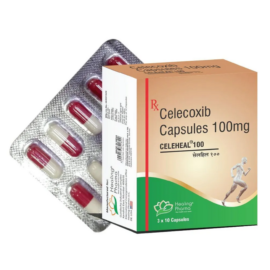
| Celecoxib (Celeheal) | Erősen szelektív COX-2 | 100–200 mg naponta kétszer | Legkisebb |
| Etoricoxib (Etorlee) | Erősen szelektív COX-2 | 60–120 mg naponta egyszer | Alacsony |
| Ibuprofen (Brufen) | Nem szelektív | 400 mg naponta háromszor | Mérsékelt |
| Nátrium-naproxén | Nem szelektív | 500 mg naponta kétszer | Mérsékelt |
| Diklofenák (Voveran SR) | Nem szelektív (enyhe COX-2) | 75 mg naponta kétszer | Közepes-magas |
Rendelés & Szállítás
A MedsBase világszerte szállít minden rendelést. A rendeléseket diszkrét csomagolásban szállítjuk, és eredeti gyártói csomagolásban érkeznek. Ha az Ön által választott csomagmézet nincs készleten, lépjen kapcsolatba az ügyfélszolgálattal az átfutási időért.
Orvosi nyilatkozat. Az oldalon található információk csak általános tájékoztató jellegűek. Nem helyettesítik az orvosod vagy gyógyszerészed tanácsát. Mindig konzultálj minősített egészségügyi szakemberrel a terápia megkezdése, megváltoztatása vagy leállítása előtt.
Gyakran Ismételt Kérdések
Mire használják a Melorise-t?
A Melorise (meloxicam) osteoarthritis, rheumatoid arthritis, ankylosing spondylitis és akut musculoskeletal fájdalom kezelésére használják. Az egyszerű, naponta egyszeri adagolás kényelmessé teszi krónikus gyulladásos állapotok esetén.
A meloxicam biztonságosabb a gyomor számára, mint az ibuprofen vagy a diclofenac?
Mérsékelten igen. A meloxicam preferenciális COX-2 aktivitása csökkenti a gyomorfekély és a felső-GI vérzés arányát a nem szelektív NSAID-khoz képest azonos gyulladáscsökkentő hatás mellett. Nem olyan gyengéd, mint a szelektív coxib-ok, például a celecoxib.
Melyik erősséget válasszam — 7,5 mg vagy 15 mg-t?
A 7,5 mg naponta egyszeri adag az osteoarthritis kezdő adagja és általában elegendő enyhe-közepes tünetek esetén. A 15 mg naponta egyszeri adagot rheumatoid arthritis, ankylosing spondylitis és akkor használják, ha a 7,5 mg nem elegendő osteoarthritis esetén.
Mennyi idő alatt hat a Melorise?
A fájdalomcsillapítás a dózis után 1–2 órán belül megkezdődik. A teljes gyulladáscsökkentő hatás krónikus arthritis esetén 1–2 hét napi használat alatt épül fel. A hosszú felezési idő miatt a stabil vérszint kialakítása 5–7 napot vesz igénybe.
Étellel együtt kell bevenni a Melorise-t?
Igen — mindig étellel vagy közvetlenül utána. Ez csökkenti a gyomorirritációt.
Hosszú távon is szedhetem a Melorise-t?
Igen, krónikus gyulladásos arthritis esetén a legalacsonyabb hatékony adagban. Évente legalább egyszer ellenőrizze a vérnyomást, a vesefunkciót és a májenzimeket. Fontolja meg a protonpumpa-gátló használatát hosszabb távú GI védelem érdekében.
Szedhetem a Melorise-t paracetamollal együtt?
Igen. A paracetamol más úton hat és biztonságosan kombinálható a meloxicammal erősebb fájdalomcsillapítás érdekében.
Szedhetem a Melorise-t aszpirinnel együtt?
Az alacsony dózisú aszpirin (kardioprotekció) folytatható meloxicammal, de a kombinált GI vérzési kockázat nő — általában protonpumpa-gátlót is felírnak.
A Melorise biztonságos a terhesség alatt?
Kerülje a 20. hét után; ellenjavallott a harmadik trimeszterben. A korai terhesség alatt csak szakorvosi tanácsra használható.
Mi a teendő, ha kihagyok egy adagot?
Vegye be, amikor eszébe jut, kivéve, ha a következő adag 8 órán belül esedékes – ilyenkor hagyja ki. Soha ne vegyen be dupla adagot.
Miben különbözik a meloxicam az etodolactól?
Mindkettő preferenciális COX-2 NSAID, hasonló GI profilokkal. A meloxicamot napi egyszer kell bevenni (20 órás felezési idő), az etodolactot naponta kétszer (7 órás felezési idő). Válasszon a betartási preferencia és az egyéni tolerancia alapján.
Kapcsolódó alternatívák
Egyéb termékek a Krónikus betegségek vásárlók által szintén megtekintett termékek:
További lehetőségek a fájdalomcsillapító gyógyszerek között
Rangsorolva a MedsBase legutóbbi rendelési adatai alapján — hogy ebben a kategóriában más vásárlók mit választanak.

| Erősség | 7,5 mg, 15 mg |
|---|---|
| Mennyiség | 30 tabletta, 60 tabletta, 90 tabletta, 180 tabletta |
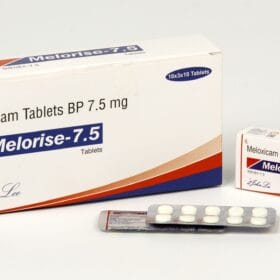 Melorise
Kérdések és válaszok
Melorise
Kapcsolódó termékek









Vélemények
Még nincsenek vélemények