








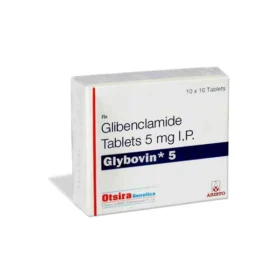
Glybovin
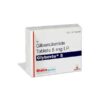
✅ Reglerar blodsockernivåerna
✅ Hanterar diabetes effektivt
✅ Hjälper till att förebygga komplikationer
✅ Förbättrar livskvaliteten
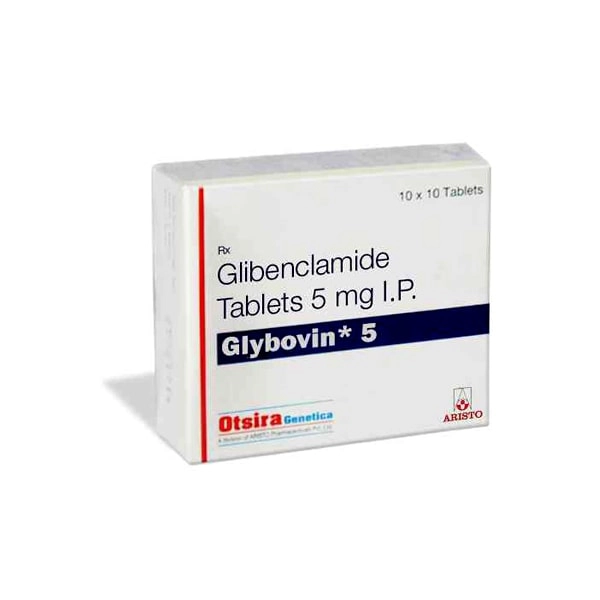
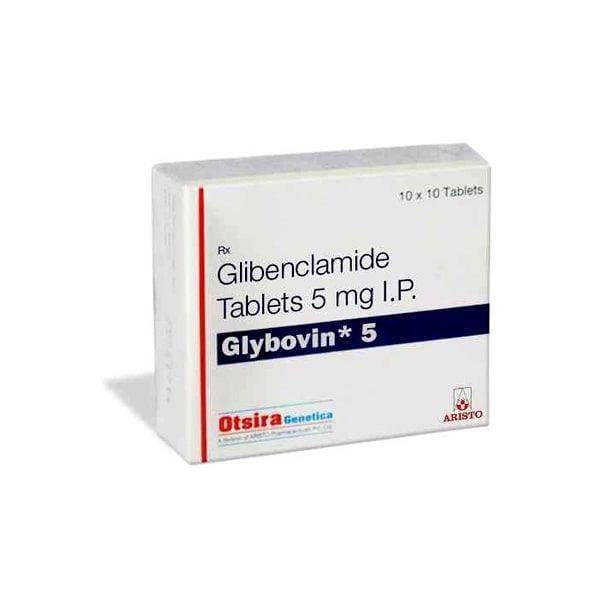
Glybovin innehåller Glibenclamid
✓ Medicinskt granskad av Morgan Ellis — Apoteksforskare · 8 års erfarenhet · Senast granskad: maj 2026
⚡ Snabbsvar — Vad är Glybovin?
Glybovin är ett varumärke för glibenclamid (kallas även glyburid i USA) (5 mg), en andra generationens sulfonylurea används för att behandla typ 2-diabetes. Det sänker blodsockret genom att stimulera bukspottkörteln att frisätta mer insulin. Sulfonylurea-preparat minskar vanligtvis HbA1c med 1,0–2,0 procentenheter och läggs till när metformin ensamt inte räcker till. Ta med eller strax före frukost för att matcha den postprandiella glukoshöjningen och minimera risken för hypoglykemi. Huvudrisker: lågt blodsocker (särskilt om måltider hoppas över) och måttlig viktökning (1–3 kg). Hypoglykemirisk: Högre än alla andra vanligt förekommande sulfonylurea-preparat — särskilt hos äldre och personer med nedsatt njurfunktion. Många geriatriska riktlinjer rekommenderar att undvika detta preparat. Undvik vid typ 1-diabetes, DKA, svår njur-/leverpåverkan och sulfaallergi. Inte en förstahandsbehandling enligt moderna riktlinjer men används fortfarande brett, är kostnadseffektiv och verksam.
📦 Varje beställning omfattas av vår Reshipment Assurance Policy — om din försändelse inte anländer inom 20 arbetsdagar, skickar vi om den.
Varför beställa från MedsBase
Våra generiska läkemedel kommer från WHO-GMP-certifierade tillverkare och skickas världsvidt i diskreta, enkla förpackningar — inget läkemedelsnamn på försändelsens utsida. Kortbetalningar hanteras via en reglerad betalningsprocessor (kontoutdrag visar en reglerad kortbetalningsprocessor — aldrig “MedsBase” eller något läkemedelsnamn). Krypto och SEPA-banköverföring accepteras också. Varje beställning backas upp av vår Reshipment Assurance Policy.
Vad är Glybovin?
Glybovin är ett oralt antidiabetiskt läkemedel som innehåller glibenclamid (kallas även glyburid i USA) (5 mg), tillverkad av Aristo Pharma. Den ordineras för vuxna med typ 2-diabetes, vanligtvis som tillägg till metformin när blodsockermålen inte uppnås med metformin ensamt. Finns i förpackningar om 30, 60, 90 eller 180 tabletter.
Hur fungerar Glybovin?
Glibenklamid stänger ATP-känsliga kaliumkanaler på pankreas betaceller, vilket utlöser frisättning av insulin. Det binder till både 140 kDa (SUR1) och 65 kDa receptorplatser, och bindningen är långvarig — detta ger en stark blodsockersänkande effekt men också den högsta risken för hypoglykemi bland de vanligt använda sulfonylureorna.
Verkanstid: En gång daglig dosering; halveringstid ~10 timmar men med aktiva metaboliter som ger en effektiv varaktighet på 18–24 timmar. Sulfonylurea är mest effektiva när det fortfarande finns en meningsfull endogen insulinproduktion — det vill säga, i tidigt till mellanstadium av typ 2-diabetes. De blir mindre effektiva när betacellfunktionen försämras över åren.
Förväntad HbA1c-reduktion som monoterapi: 1,0–2,0 procentenheter. Fastande glukos sjunker vanligtvis inom 3–7 dagar.
Dosering och administration
Startdos: 2,5 mg en gång dagligen med frukost. Titrera i steg om 2,5 mg varje vecka. Vanligt underhåll: 5–10 mg/dag; doser över 10 mg delas på morgon och kväll. Maximalt: 20 mg/dag.
- Timing är avgörande. Ta alltid med eller omedelbart före den första huvudmåltiden på dagen. Att ta på fastande mage eller utan att äta efteråt orsakar hypoglykemi.
- Ta inte en dubbel dos. Om du missar en dos, hoppa över den — ta nästa schemalagda dos vid nästa måltid.
- Övervaka blodsockret själv. Särskilt under de första 2–4 veckorna, vid dosjustering eller efter sjukdom.
- Ha med dig glukostabletter eller en sockerrik mellanmål. Sulfonylureor kan orsaka hypoglykemi timmar efter senaste dosen.
Biverkningar
Vanligt:
- Hypoglykemi — den främsta risken. Symptom: skakningar, svettning, hjärtklappning, hunger, förvirring, huvudvärk. Behandla med 15 g snabbverkande kolhydrater (glukostabletter, juice), följt av en mellanmål med komplexa kolhydrater.
- Viktuppgång — i genomsnitt 1–3 kg, på grund av insulinrelaterade anabola effekter.
- Illamående, mild magbesvär
- Hudutslag (vanligtvis tidigt, ibland ljuskänslighet)
Ovanligt men viktigt:
- Allvarlig eller långvarig hypoglykemi – särskilt hos äldre, njursvikt, uteblivna måltider eller läkemedelsinteraktioner
- Hyponatremi (sällsynt)
- Hemolytisk anemi vid G6PD-brist (sällsynt)
- Kolestatisk gulsot (sällsynt)
Läkemedelsinteraktioner
Ökar risken för hypoglykemi (höjer glibenklamid (kallas även glyburid i USA) eller tillför glukossänkande effekt):
- Insulin, meglitinider, andra diabetesläkemedel
- Alkohol (särskilt kraftigt drickande eller utan mat)
- Trimethoprim/sulfamethoxazol, fluconazol, klaritromycin
- Icke-selektiva betablockerare (döljer också hypoglykemisymptom)
- ACE-hämmare, salicylater i höga doser
- MAO-hämmare, fibrater
Minskar glukossänkande effekt:
- Kortikosteroider, orala preventivmedel, tiaziddiuretika, tyreoideahormoner, fenytoin, rifampicin, atypiska antipsykotika
Vem bör inte ta Glybovin?
- Typ 1-diabetes mellitus
- Diabetisk ketoacidos (DKA), med eller utan koma
- Svår njursvikt — Undvik vid måttlig till svår njursvikt (eGFR < 60). Aktiva metaboliter ackumuleras och orakar långvarig, svår hypoglykemi.
- Svår leversvikt
- Känd sulfonamid (sulfa)allergi
- Graviditet — sulfonylureor är inte första valet under graviditet (insulin föredras)
- Amning — begränsad data; undvik
- G6PD-brist (relativ kontraindikation)
Hos äldre (> 65 år): börja med halvan av den vanliga dosen och titrera långsamt — risken för hypoglykemi och dess konsekvenser är högre.
Förvaring
Förvara Glybovin under 25°C på en torr plats, i originalblister. Förvara utom räckhåll för barn.
Vanliga frågor
Är Glybovin samma sak som glibenklamid (också kallad glyburid i USA)?
Ja. Glybovin är ett varumärke för glibenklamid (också kallad glyburid i USA) tillverkat av Aristo Pharma. Bioekvivalens krävs av myndigheterna, så den kliniska effekten är densamma som originalet vid samma dos.
Är glibenklamid samma sak som glyburid?
Ja — glibenklamid (internationellt icke-proprietärt namn, INN) och glyburid (United States Adopted Name, USAN) är samma läkemedel. Generiska tillverkare i olika regioner märker det olika.
Kan Glybovin orsaka viktuppgång?
Ja — sulfonylurea orsakar vanligtvis 1–3 kg viktökning under det första året. Detta beror delvis på att insulin är en anabol hormon och delvis på att personer äter extra mellanmål för att förhindra hypoglykemi. Om viktökning är ett bekymmer kan en DPP-4-hämmare eller SGLT-2-hämmare vara att föredra istället.
Vad ska jag göra om jag får en hypoglykemi?
Ta 15 g snabbt verkande kolhydrater omedelbart — 4–5 glukostabletter, 150 mL vanlig juice eller cola, eller 1 matsked honung. Kontrollera blodsockret efter 15 minuter; upprepa om det fortfarande är < 4,0 mmol/L. Följ upp med en mellanmål som innehåller komplexa kolhydrater (bröd, kex) för att förhindra återfall. Hypoglykemier från sulfonylurea kan vara långvariga — svåra episoder kräver medicinsk utvärdering.
Kan jag dricka alkohol när jag tar Glybovin?
Måttlig alkoholhalt med mat är vanligtvis säkert. Undvik rusdrycker och undvik alkohol på fastande mage — båda ökar risken för hypoglykemi dramatiskt. Alkohol kan också förvärra rodnad och illamående hos vissa personer som tar sulfonylurea.
Behöver jag fortfarande metformin om jag tar Glybovin?
Vanligtvis ja. Sulfonylurea används nästan alltid som tillägg till metformin, inte som ersättning. Metformin förblir förstahandsval och fungerar via en annan mekanism (minskad leverglukosproduktion), så de två läkemedlen har en additiv effekt.
Var kan jag köpa Glybovin online?
Du kan beställa Glybovin (5 mg) från MedsBase i förpackningar om 30, 60, 90 eller 180 tabletter. Vi skickar världen över, med diskret förpackning och äkta WHO-GMP-certifierade tillverkares lager.
Relaterade diabetesmediciner
- Amaryl — Glimepiride 1/2/4 mg (Sanofi)
- Glycomet SR — Metformin med långtidsfrisättning
- Januvia — Sitagliptin (DPP-4-hämmare)
- Jardiance — Empagliflozin (SGLT-2-hämmare)
- Glucored — Glibenclamid + Metformin kombination
- Glycomet-GP — Metformin + Glimepiride kombination
- Bläddra bland alla diabetesmediciner
Fler alternativ inom diabetes
Rangerade efter senaste ordervolym på MedsBase — vad andra kunder i denna kategori väljer.
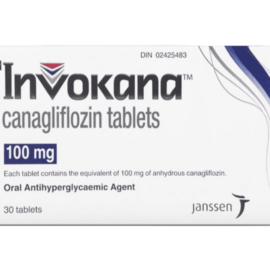
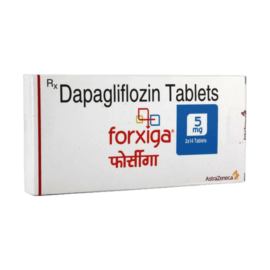
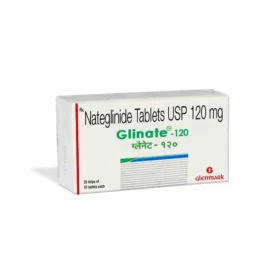

| Styrka | 5 mg |
|---|---|
| Kvantitet | 30 Tablett/er, 60 Tablett/er, 90 Tablett/er |
| Farmaceutisk form | Tabletter |
| Tillverkare | Aristo Pharma |
| Behandling | Typ 2-diabetes |
 Glybovin
Frågor & svar
Glybovin
Relaterade produkter

Recensioner
Det finns inga recensioner än