







Sefdin
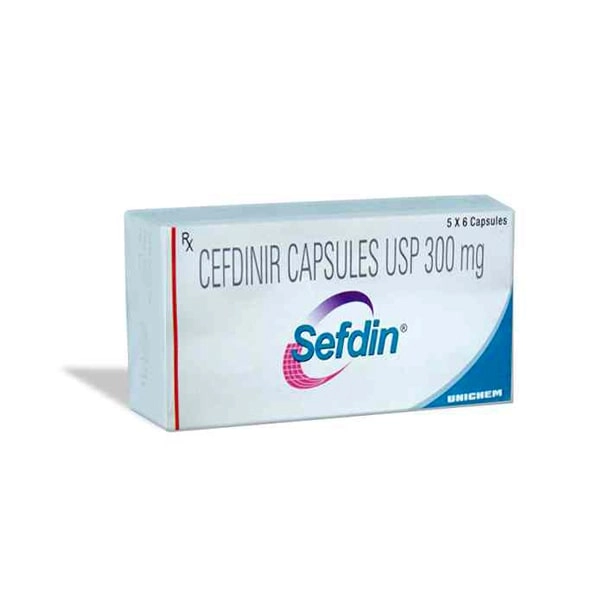
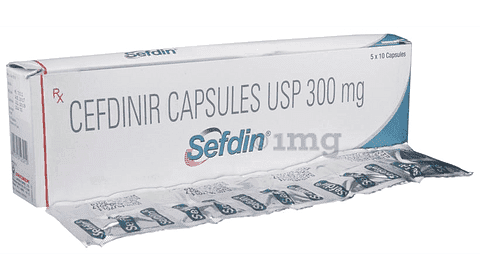

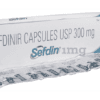
✅ Kraftfullt antibiotikum
✅ Behandlar bakteriella infektioner
✅ Förhindrar sjukdomsspridning
✅ Främjar snabb återhämtning
✅ Säker att använda
✓ Medicinskt granskad av Morgan Ellis — Apoteksforskare · 8 års erfarenhet · Senast granskad: maj 2026
⚡ Snabbt svar — Vad är Sefdin?
Sefdin är en cefdinir-kapsel för samhällsförvärvad pneumoni, bihåleinflammation och öroninflammation. Kan tas med eller utan mat. Undvik samtidig användning med järntillskott (minskar absorptionen avsevärt). Tillverkad enligt WHO-GMP-standarder.
📦 Varje beställning omfattas av vår Reshipment Assurance Policy — om din försändelse inte anländer inom 20 arbetsdagar, skickar vi om den.
Varför beställa från MedsBase
Våra generiska läkemedel kommer från WHO-GMP-certifierade tillverkare och skickas världsvidt i diskreta, enkla förpackningar — inget läkemedelsnamn på försändelsens utsida. Kortbetalningar hanteras via en reglerad betalningsprocessor (kontoutdrag visar en reglerad kortbetalningsprocessor — aldrig “MedsBase” eller något läkemedelsnamn). Krypto och SEPA-banköverföring accepteras också. Varje beställning backas upp av vår Reshipment Assurance Policy.
Sefdin-kapseln kan tas med eller utan mat. Du bör ta den regelbundet med jämna mellanrum enligt det schema som din läkare har föreskrivit. Att ta den samma tid varje dag hjälper dig att komma ihåg att ta den. Doseringen beror på vad du behandlas för, men du bör alltid genomföra en fullständig behandlingscykel med detta antibiotikum enligt din läkares ordination. Avbryt inte behandlingen förrän du har avslutat den, även om du känner dig bättre. Om du slutar ta den i förtid kan vissa bakterier överleva och infektionen kan återkomma.
De vanligaste biverkningarna av detta läkemedel inkluderar utslag, allergisk reaktion, illamående och diarré. Dessa är vanligtvis milda, men kontakta din läkare om de besvärar dig eller varar längre än några dagar.
Innan du använder det bör du berätta för din läkare om du är allergisk mot några antibiotika eller har några njur- eller leverproblem. Du bör också informera din vårdteam om alla andra läkemedel du tar eftersom de kan påverka, eller påverkas av, detta läkemedel. Gravida och ammande kvinnor bör rådfråga sin läkare innan de använder det. Undvik alkohol under tiden du tar detta läkemedel eftersom det kan orsaka obehagliga biverkningar som illamående, kräkningar, svettningar, ångest och hjärtklappning.
ANVÄNDNINGSFÖR SEFDIN-KAPSLAR
- Bakteriella infektioner
FÖRDELAR MED SEFDIN-KAPSLAR
Vid bakterieinfektioner
BIVERKNINGAR AV SEFDIN CAPSULE
Vanliga biverkningar av Sefdin
- Utslag
- Allergisk reaktion
- Illamående
- Diarré
HUR MAN ANVÄNDER SEFDIN CAPSULE
HUR SEFDIN CAPSULE FUNGERAR
Ansvarsfriskrivning:
Vår enda avsikt är att säkerställa att konsumenterna får information som är expertgranskad, korrekt och tillförlitlig. Informationen här ska dock INTE användas som ersättning för råd från en kvalificerad läkare. Informationen som tillhandahålls här är endast av informativ karaktär. Denna information kanske inte täcker alla möjliga biverkningar, läkemedelsinteraktioner, varningar eller försiktighetsåtgärder. Vänligen konsultera din läkare och diskutera alla dina frågor relaterade till sjukdomar eller läkemedel. Vår avsikt är att stödja, inte ersätta, relationen mellan läkare och patient.
Vanliga frågor
Vad används Sefdin för att behandla?
Sefdin (cefdinir) är ett tredjegenerations cefalosporinantibiotikum som är effektivt mot många grampositiva och gramnegativa bakterier. Vanliga indikationer inkluderar hud- och mjukdelsinfektioner, luftvägsinfektioner (bihåleinflammation, bronkit, lunginflammation), mellanöresinflammation, halsfluss, urinvägsinfektioner och ben- eller ledinfektioner orsakade av känsliga organismer.
Hur snabbt börjar Sefdin verka?
Förbättring märks vanligtvis inom 48–72 timmar. De flesta infektioner kräver en 7–10 dagars behandling; enkla urinvägsinfektioner och halsfluss kan avslutas på 5–7 dagar. Avsluta hela den ordinerade behandlingen även efter att symtomen försvunnit för att förhindra återfall och resistensutveckling.
Är Sefdin säkert om jag är allergisk mot penicillin?
Korsreaktivitet med penicilliner är verklig men lägre än vad som historiskt lärt ut — nuvarande uppskattningar är cirka 2 % för tredjegenerations cefalosporiner (högre för första generationen, lägre för tredje/fjärde generationen). Om din penicillinreaktion var ett mildt utslag är en cefalosporin vanligtvis acceptabel under uppsikt; om du hade anafylaxi, urtikaria eller någon IgE-medierad reaktion, undvik alla cefalosporiner om inte en specialistbedömning av allergi bekräftar tolerans.
Vilka är de vanliga biverkningarna av Sefdin?
Diarré, illamående och magbesvär är de vanligaste. Hudutslag, vaginal candida och huvudvärk rapporteras mer sällan. Clostridioides difficile-associerad kolit är en viktig men ovanlig risk — sök medicinsk rådgivning om diarrén är svår, vattnig eller innehåller blod. Långa behandlingar kan tillfälligt höja leverenzymer.
Kan jag ta Sefdin under graviditet eller amning?
Cefalosporiner är FDA Pregnancy Category B — djurstudier visar ingen skada och mänskliga data är lugnande. De används ofta under graviditet när ett antibiotikum verkligen behövs (urinvägsinfektion, GBS-profilaxi, korioamnionit). Utsöndring i bröstmjölk är minimal och anses vara förenlig med amning. Diskutera indikationen med din läkare.
Kan jag dricka alkohol när jag tar Sefdin?
De flesta cefalosporiner interagerar inte med alkohol, med två undantag (cefoperazon och cefamandol, som innehåller en N-metylthiotetrazolsidokedja som orsakar en disulfiramliknande reaktion). Cefdinir ingår inte i denna grupp. Alkohol kan dock förvärra magbesvär och bör undvikas under akut sjukdom.
Andra antibiotika
Andra antibiotika som kunder även överväger:
Fler alternativ inom antibiotika
Rangerade efter senaste ordervolym på MedsBase — vad andra kunder i denna kategori väljer.


| Styrka | 300 mg |
|---|---|
| Kvantitet | 30 Kapsel/s, 60 Kapsel/s, 90 Kapsel/s |
| Farmaceutisk form | Kapsel/er |
| Tillverkare | Torrent Pharma |
| Behandling | Bakteriella infektioner |
| Generiskt märke | Cefdinir |
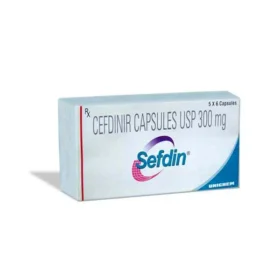 Sefdin
Frågor & svar
Sefdin
Relaterade produkter





Recensioner
Det finns inga recensioner än