







Ashvagandha
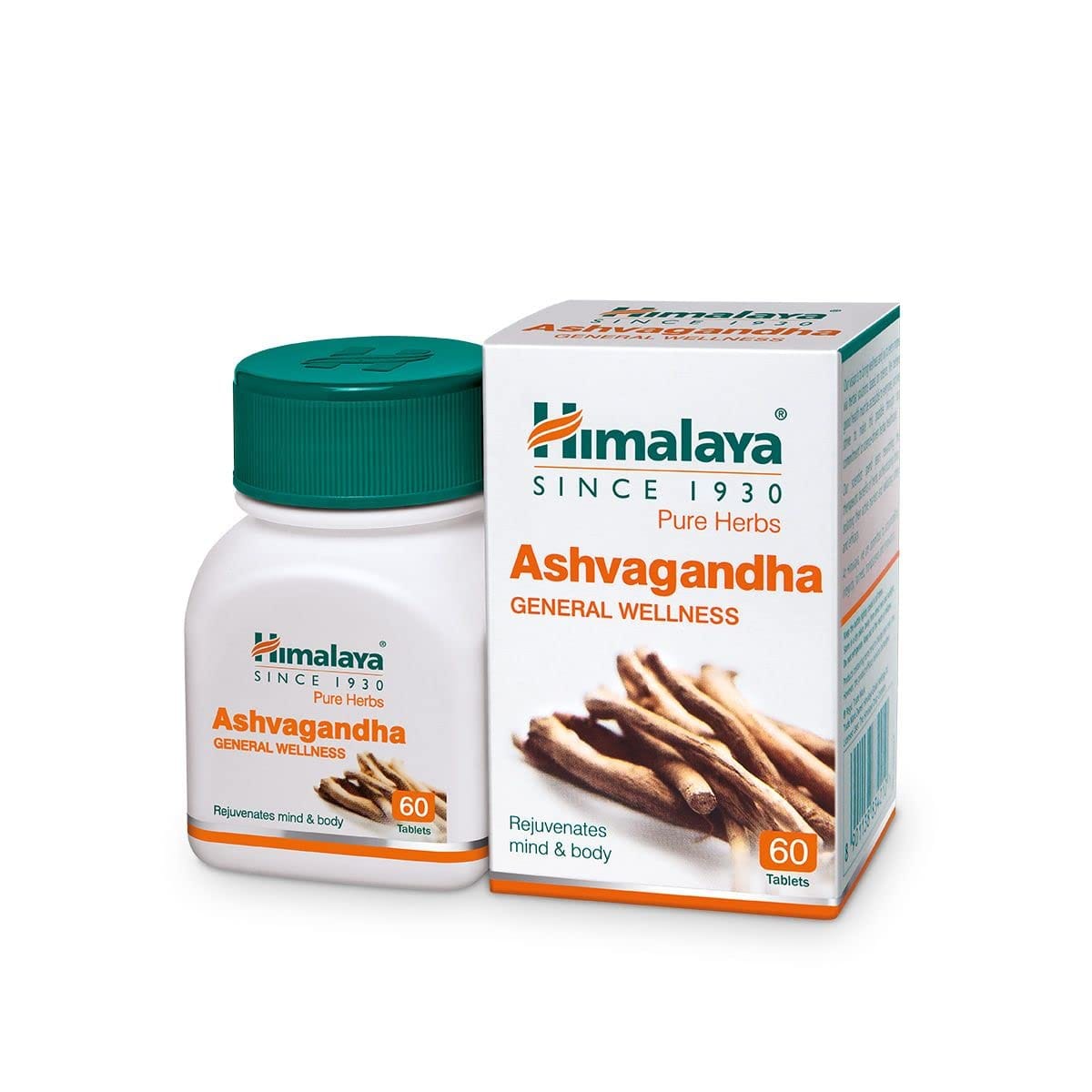
Ashvagandha (Withania somnifera 250/500 mg) — adaptogén növényi kivonat szubjektív stresszre, alvásra és vitalitásra. szerény RCT bizonyíték — csak kiegészítő, nem elsődleges terápia.
✓ Orvosi ellenőrzés Morgan Ellis — Gyógyszerkutató · 8 év tapasztalat · Utolsó felülvizsgálat: 2026 május
⚡ Gyors válasz
Az Ashvagandha (Withania somnifera gyökérkivonat 250/500 mg) egy ayurvédikus adaptogén növényi kiegészítő, amelyet hagyományosan stresszre, alvásra és általános vitalitásra használnak. Modern, kis létszámú RCT-k szerény haszonra utalnak stressz és szubjektív alvás terén — nem helyettesíti az antidepresszánsokat vagy hipnotikumokat diagnosztizált betegségekben.
📦 Minden rendelést fedez a Újraküldési Garancia — ha a csomagod nem érkezik meg 20 munkanapon belül, újraküldjük.
Miért rendelj a MedsBase-ról
A MedsBase-en kapható Ashvagandhát közvetlenül egy WHO-GMP tanúsított gyártótól szállítjuk, egyszerű, diszkrét csomagolásban. Minden rendelést lefed a Újraküldési Garancia — 20 üzleti napos érkezési ablak vagy ingyenes újraszállítás — és jogosult a mi hűségprogramunkra. Világszerte szállítunk a legtöbb célállomásra.
Az Ashwagandha egy hagyományos ayurvédikus gyógynövény, amelynek szerény modern kísérleti bizonyítékai vannak a stresszre és a szubjektív alvásminőségre vonatkozóan. Ez nem helyettesíti az SSRI/SNRI gyógyszereket súlyos depresszióban, a benzodiazepineket vagy buspiront diagnosztizált szorongásos zavarban, vagy az alváshigiéniát és a megfelelő hipnotikumot krónikus insomniában. Ha a tünetek 6–8 hét után is fennállnak, forduljon klinikai szakemberhez.
Mi az Ashvagandha és hogyan működhet
Az Ashvagandha egy 250/500 mg-os Withania somnifera gyökérkivonat, amelyet a Himalaya szállít. Az Ashwagandha (más néven indiai ginzeng vagy téli cseresznye) egy adaptogén növény, amelyet az ajurvédikus gyógyászatban használnak már több mint 3000 éve. Az aktív hatóanyagok a withanolidok — szteroid lactonok, amelyek gyenge GABAerg hatással rendelkeznek, antioxidáns hatást fejtenek ki, és moduláló hatással vannak a HPA tengelyre (a szervezet stresszválasz-rendszere).
Modern kis létszámú RCT-k (Chandrasekhar 2012, Lopresti 2019, mások) mérsékelt csökkenést mutatnak a szubjektív stressz pontszámokban, a nyálkortizol szintjében és az alvásminőség önértékelésében — de a vizsgálati minták kicsik (40–125 beteg), a követés rövid (60–90 nap), és a hatásmérték szerény. A növényi kiegészítők bizonyítékkínálata messze elmarad az SSRI-kéhoz képest.
What Agoprex is and how it works
| Használja | Tipikus adag | Megjegyzések |
|---|---|---|
| Általános stressz / vitalitás | 300–600 mg/nap kivonat | Keress standardizált withanolid tartalmat (≥ 5%) |
| Szubjektív alvásminőség | 300 mg lefekvés előtt | Némi bizonyíték modern RCT-kben |
| Szorongás csökkentése (off-label) | 500–600 mg/nap 2 adagban | Nem helyettesítő SSRI-t a diagnosztált GAD-ban |
| Sportolói regeneráció / kimerültség | 500 mg/nap | Vegyes bizonyíték |
Fogyasszon étkezés közben. A szubjektív hatások kialakulásához 4–8 hét szükséges.
Fontos biztonsági megfontolások
Az ashwagandha hagyományos ajurvédikus használatban magas dózisban abortívumként alkalmazható. Kerülje terhesség alatt. A szoptatás alatti használatra vonatkozó adatok hiányosak – általában kerülni szokták.
Az ashwagandha növelheti a T3/T4 szintet – hasznos lehet szubklinikus hypothyreosisban, de problémát okozhat hyperthyreosisban, Graves-kórban és levothyroxin szedésekor (növelheti a gyógyszer hatékonyságát). TSH-szint ellenőrzése javasolt, ha a tünetek pajzsmirigy-egyensúlyzavarra utalnak.
Az ashwagandha immunmodulátor, és súlyosbíthatja az autoimmun rohamokat lupus, rheumatoid arthritis, sclerosis multiplex vagy Hashimoto-kór esetén. Kerülje vagy óvatosan használja.
Enyhe GABAerg hatás – fokozott nyugtatási hatás kombináció esetén.
Ritkán jelentettek cholestatikus hepatitiszt magas dózisú ashwagandha szedése mellett. Szakítsa meg a szedést és forduljon orvoshoz, ha sárgaság, sötét vizelet vagy jobb felső hasi fájdalom jelentkezik.
Gyakori mellékhatások
- Enyhe emésztőrendszeri panaszok (gyomorfájás, laza széklet, hányinger) — a leggyakoribbak; általában étellel és dóziscsökkentéssel enyhülnek.
- Álomkészség — különösen magas dózisnál vagy nyugtatókkal kombinálva.
- Fejfájás — alkalmi.
- Allergiás reakciók (ritkán).
Amikor ez a megfelelő választás — és amikor nem
Az ashwagandha indokolt lehet kiegészítőként a jó alváshigiéniához, testmozgáshoz és stresszkezelési gyakorlatokhoz enyhe, helyzeti stresszben és rövid távú álmatlanságban szenvedő betegeknél. Nem nem helyettesítheti: SSRI/SNRI-t súlyos depressziós zavarban, buspiront vagy SSRI-t általános szorongásos zavarban, CBT-I-t és megfelelő altatót krónikus álmatlanságban, vagy orvosi értékelést bármilyen pszichiátriai tünet esetén, amely több hétnél tovább fennáll.
Tárolás
Hűvös, száraz helyen tároljuk, közvetlen napfénytől védve, eredeti csomagolásban.
Gyakran Ismételt Kérdések
Működik valójában az ashwagandha?
A modern randomizált kontrollált vizsgálatok szerény haszonra utalnak a szubjektív stressz, nyálkortizol és alvásminőség terén. A hatás valós, de kicsi — és a vizsgálati bizonyítékok sokkal gyengébbek, mint a vényköteles antidepresszánsok vagy altatók esetében. Kezeljük az ashwagandhát alacsony költségű, alacsony kockázatú kiegészítőként, nem pedig bevált terápiák helyettesítőjeként.
Mennyi idő, amíg az Ashwagandha hat?
A legtöbb publikált RCT 60–90 napos következetes használat után mutat javulást. Legalább 4–8 hetet adjon a válasz értékeléséhez. Ha a tünetek bármikor romlanak, forduljon orvoshoz.
Szedhetek Ashwagandhát SSRI mellett?
Általában igen, de említsd fel az író orvossal. Nincs meghatározott gyógyszerkölcsönhatás, de a növényi nyugtatók és SSRI kombinálása diagnosztizált szorongás/depresszióban szenvedő betegeknél legjobb, ha orvosi tudatossággal történik.
Biztonságos-e az ashvagandha terhesség alatt?
Nem — a történelmi abortívumként való használat és a korlátozott modern biztonsági adatok miatt az ashwagandhát kerülni kell terhesség és szoptatás alatt.
Hatással lehet az ashvagandha a pajzsmirigyemre?
Igen — enyhén emelheti a T3/T4 szintet. Ha hipotireózis miatt levotiroxint szed, beszéljen felíró orvosával a szedés megkezdése előtt; néhány hét után TSH-ellenőrzésre lehet szükség. Ha hipertireózisa vagy Graves-kórja van, kerülje.
Szunyósá tesz az ashvagandha?
Enyhe nyugtató hatásról számolnak be, különösen magasabb dózisoknál. Ha nem kívánatos a nappali szunyósság, este (HS) fogyassza reggel helyett.
Szedhetik gyermekek az ashvagandhát?
Az ayurvédikus hagyomány ismerteti gyermekkori használatát, de a modern vizsgálatokban kevéssé jellemzett. Kerüljük 12 év alatti gyermekeknél felügyelet nélkül.
Segít az ashvagandha a szorongásban?
Egyes betegek szubjektív szorongáscsökkenést tapasztalnak heteknyi használat után. A hatás kismértékű és lassabb, mint a buspiron vagy SSRI esetében. Kiegészítőként hasznos, nem helyettesítőként diagnosztizált szorongásos zavarban.
Károsíthatja az ashvagandha a májat?
Ritkán jelentettek kolesztatikus hepatitis esetét. A kockázat nem gyakori, de valós. Azonnal szakítsa meg a szedést, ha sárgaság, sötét vizelet vagy jobb felső hasi fájdalom jelentkezik.
Naponta vagy szükség szerint (PRN) szedjem az ashvagandhát?
A vizsgálatokban és a hagyományos használatban a napi szedés a jellemző. Az adaptogén hatások heteken belül fejlődnek. PRN használat nem vált ki azonnali hatást.
Egyéb Pszichés Egészségügyi Gyógyszerek
- Busiron (Buspirone — szorongásoldó bizonyított hatással)
- Lexaheal (Escitalopram SSRI)
- Mirtaz (Mirtazapin — depresszió alvással)
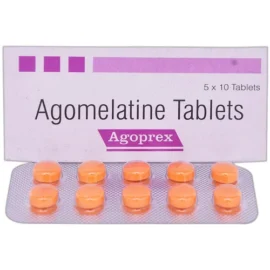
- Agoprex (Agomelatin — cirkadián melatoninerg)
- Tetrafol (L-metilfolát — augmentáció)
További lehetőségek a Pszichés Egészségügyi és Pszichiátriai Gyógyszerek között
Rangsorolva a MedsBase legutóbbi rendelési adatai alapján — hogy ebben a kategóriában más vásárlók mit választanak.
| Mennyiség | 1 palack, 2 palack, 3 palack, 6 palack |
|---|
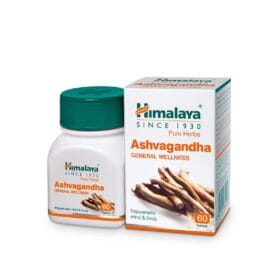 Ashvagandha
Kérdések és válaszok
Ashvagandha
Kapcsolódó termékek


Vélemények
Még nincsenek vélemények