








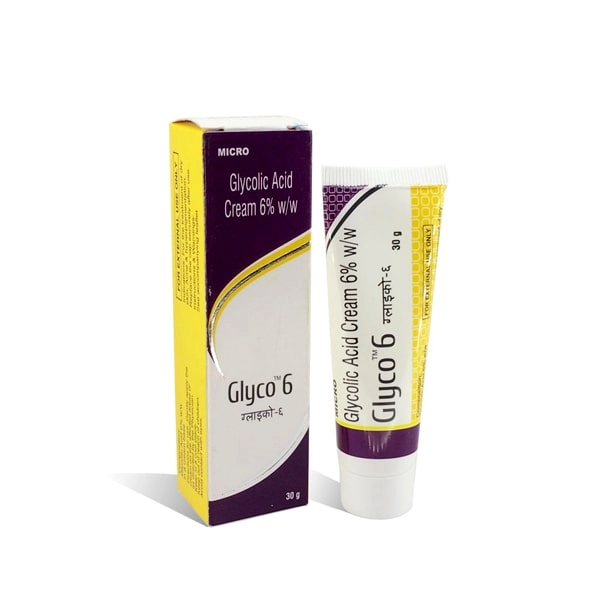
Glyco Cream
✅ Głęboko nawilża skórę
✅ Poprawia elastyczność skóry
✅ Redukuje drobne zmarszczki
✅ Wzmacnia promienność skóry
✅ Wspiera zdrowie skóry
✓ Zweryfikowany medycznie przez Morgan Ellis — Badacz farmaceutyczny · 8 lat doświadczenia · Ostatnia weryfikacja: maj 2026
⚡ Krótka odpowiedź — Czym jest Glyco Cream?
Glyco Cream zawiera kwas glikolowy 6% i 12% jako krem do stosowania miejscowego od Healing Pharma — alfa-hydroksykwas (AHA) — chemiczny środek złuszczający stosowany w leczeniu trądzik, przebarwienia pozapalne (PIH), drobne zmarszczki, uszkodzenia posłoneczne, nierówna tekstura skóry, rogowacenie mieszkowe i nierówny koloryt skóry. Kwas glikolowy jest najmniejszą cząsteczką spośród kwasów alfa-hydroksylowych, co sprawia, że wykazuje wysoką zdolność penetracji skóry. Nałóż cienką warstwę na noc na oczyszczoną, suchą skórę — zacznij od 2-3 nocy w tygodniu, zwiększaj częstotliwość w miarę tolerancji. Stosowanie kremu z filtrem SPF 50+ o szerokim spektrum każdego ranka jest obowiązkowe — AHA zwiększają wrażliwość na promieniowanie UV i bez codziennej ochrony przeciwsłonecznej dojdzie do nasilenia uszkodzeń posłonecznych i przebarwień (efekt przeciwny do zamierzonego). Poprawę tekstury skóry można zaobserwować po 4-8 tygodniach, , a przebarwień po 12-16 tygodniach. . Efekty uboczne: przejściowe pieczenie, łagodne zaczerwienienie, suchość, złuszczanie. Przeciwwskazane w aktywnym rzucie trądziku różowatego, egzemie lub uszkodzonej skórze.
📦 Każde zamówienie jest objęte naszą Polityka Gwarancji Ponownej Wysyłki — jeśli Twoja przesyłka nie dotrze w ciągu 20 dni roboczych, wysyłamy ją ponownie.
Dlaczego warto zamawiać z MedsBase
Nasze leki generyczne pochodzą od producentów posiadających certyfikat WHO-GMP i są wysyłane na cały świat w dyskretnym, zwykłym opakowaniu — bez nazwy leku na zewnątrz przesyłki. Płatności kartami są kierowane przez regulowanego procesora (opis wyciągu zawiera nazwę regulowanego procesora płatności — nigdy “MedsBase” ani żadnej nazwy leku). Akceptujemy również kryptowaluty i przelewy bankowe SEPA. Każde zamówienie jest objęte naszą Reshipment Assurance Policy.
Czym jest Glyco Cream?
Glyco Cream to preparat do stosowania miejscowego kwas glikolowy 6% i 12% krem od Healing Pharma, dostępny w tubie 30 g. Kwas glikolowy to naturalnie występujący kwas alfa-hydroksylowy (AHA) znajdujący się w trzcinie cukrowej, winogronach i innych roślinach. Ma najmniejszą cząsteczkę w rodzinie AHA (masa cząsteczkowa ~76 Da), co zapewnia mu najgłębszą penetrację skóry i najsilniejsze działanie złuszczające spośród popularnych kosmetycznych AHA (glikolowy > mlekowy > migdałowy > jabłkowy > winowy > cytrynowy). Stosowany w kosmetyce i dermatologii od końca lat 80. XX wieku, jest jednym z najlepiej przebadanych miejscowych środków złuszczających.
Stężenie 6% jest odpowiednie do codziennej pielęgnacji; stężenie 12% to mocniejsza formuła przeznaczona do skóry problematycznej (trądzik, PIH, rogowacenie mieszkowe) przy tej samej częstotliwości stosowania 2-3 razy w tygodniu. Dermatologiczne peelingi z kwasem glikolowym wykorzystują znacznie wyższe stężenia (20-70%) w kontrolowanych warunkach klinicznych.
Jak działa Glyco Cream?
- Zaburzenie funkcji korneodesmosomów — kwas glikolowy osłabia wiązania białkowe (korneodesmosomy), które utrzymują razem najbardziej zewnętrzne martwe komórki skóry (korneocyty). Komórki te łatwiej się złuszczają, odsłaniając świeższą skórę. To podstawowy mechanizm złuszczający.
- Stymulacja podstawowej odnowy naskórka — szybsze złuszczanie powierzchni sygnalizuje warstwie podstawnej zwiększenie obrotu keratynocytów, co prowadzi do cieńszej, bardziej jednolitej warstwy rogowej.
- Stymulacja kolagenu w skórze właściwej przy wyższych stężeniach — kwas glikolowy w stężeniu 8-12% lub wyższym wywołuje umiarkowany wzrost syntezy kolagenu typu I i III przez fibroblasty w skórze brodawkowej, przyczyniając się do poprawy drobnych zmarszczek po kilku tygodniach regularnego stosowania.
- Efekt depigmentacyjny — szybsze złuszczanie zabarwionych korneocytów i zwiększony obrót keratynocytów skracają czas przebywania melaniny w naskórku. Dlatego kwas glikolowy pomaga w przebarwieniach pozapalnych (PIH) i nierównomiernym kolorycie skóry.
- Działanie komedolityczne — poprzez zmniejszanie grubości warstwy rogowej w obrębie lejka mieszkowego, kwas glikolowy zapobiega powstawaniu mikrozaskórników, które są zalążkiem zmian trądzikowych.
- Skuteczność zależna od pH — wolny kwas glikolowy (niskie pH, ~3,5) jest bardziej aktywny niż zobojętnione (częściowo zbuforowane) formuły. Dobrze opracowany krem 6-12% o pH 3,5-4,0 ma klinicznie udowodnioną skuteczność; ta sama procentowość przy neutralnym pH jest znacznie mniej efektywna.
15–30 minut niewielka poprawa tekstury i blasku widoczna jest w ciągu 2-4 tygodni; wyraźna poprawa drobnych zmarszczek i powierzchownych przebarwień po 8-12 tygodniach; maksymalne korzyści po 16-24 tygodniach regularnego stosowania + ochrona przeciwsłoneczna.
Zastosowanie Glyco Cream
- Łagodny do umiarkowanego trądzik — szczególnie trądzik zaskórnikowy i z dominującym PIH
- Przebarwienia pozapalne (PIH) spowodowany trądzikiem, ukąszeniami owadów, kontaktowym zapaleniem skóry, drobnymi urazami
- Fotouszkodzenia i fotostarzenie — szorstka tekstura, wczesne drobne zmarszczki, powiększone pory, matowość
- Przebarwienia posłoneczne — piegi, plamy soczewicowate
- Łagodna melasma — jako uzupełnienie innych środków odbarwiających
- Rogowacenie mieszkowe (szorstka, grudkowata skóra na zewnętrznych częściach ramion/ud)
- Szorstkie łokcie, kolana, dłonie
- Rutyna pielęgnacyjna pomiędzy peelingami z kwasem glikolowym wykonywanymi przez dermatologa
Glyco Cream to NIE za:
- Aktywny rzut trądziku różowatego — nasili stan zapalny
- Ostre wypryski, kontaktowe zapalenie skóry, oparzenia słoneczne, uszkodzona skóra
- Twarz tuż po woskowaniu, nitkowaniu lub laserowaniu — odczekaj 7-14 dni
- Bezpośrednio po peelingach chemicznych, dermabrazji, mikrodermabrazji — odczekaj co najmniej 2 tygodnie
- Otwarte torbiele trądzikowe lub głębokie zmiany guzkowe — nie pomoże; skonsultuj się z dermatologiem w celu właściwego leczenia trądziku
- Ciężka melasma — pomoże tylko częściowo; wymaga kombinacji hydrochinonu/tretinoiny lub specjalistycznych procedur
Glyco Cream Sposób aplikacji
- Wieczorna rutyna: oczyść skórę łagodnym środkiem myjącym; osusz delikatnie ręcznikiem. Mokra skóra nasila uczucie pieczenia.
- Odczekaj 15-20 minut po oczyszczeniu przed nałożeniem, aby pozwolić barierze skórnej się zregenerować, a pH się unormować.
- Nałóż cienką warstwę wielkości ziarnka grochu na twarz (lub obszar docelowy). Unikaj powiek, ust, kącików nosa oraz uszkodzonej lub podrażnionej skóry. Ilość wielkości ziarnka ryżu wystarczy na jeden policzek.
- Spodziewaj się lekkiego pieczenia przez 2-5 minut podczas pierwszych kilku aplikacji; ustępuje ono w ciągu 1-2 tygodni w miarę budowania tolerancji.
- Początkowy schemat: 2-3 noce w tygodniu przez pierwsze 2 tygodnie. Zwiększ do co drugiej nocy, jeśli dobrze tolerowane. Większość użytkowników ustala rutynę podtrzymującą na 3-4 noce w tygodniu.
- Pomiń noce, w których używasz retinoidu (tretynoiny, adapalenu) — NIE stosuj AHA i retinoidu tej samej nocy.
- Poranna rutyna (obowiązkowa): oczyszczaj, nawilżaj, szerokospektralny krem z filtrem SPF 50+ każdego ranka, ponawiaj aplikację co 2-3 godziny ekspozycji na UV. AHAs zwiększają wrażliwość na promieniowanie UV, a pomijanie kremu z filtrem aktywnie pogarsza stan skóry.
- Oczekiwane rezultaty: poprawa tekstury i zdrowego blasku po 2-4 tygodniach, wyrównanie kolorytu/zmniejszenie przebarwień po 8-12 tygodniach, redukcja drobnych zmarszczek po 12-24 tygodniach.
Dzieci: zwykle nie stosuje się u osób poniżej 14 roku życia. Ciąża i karmienie piersią: niskie stężenie kwasu glikolowego jest generalnie uznawane za bezpieczne; wyższe stężenia (12%+) mają ograniczone dane dotyczące ciąży i zwykle są odstawiane w tym okresie — skonsultuj się z ginekologiem lub dermatologiem.
Działania niepożądane
- Częste (łagodne, oczekiwane): przejściowe pieczenie podczas aplikacji, lekkie zaczerwienienie, suchość, łuszczenie się skóry w ciągu pierwszych 1-2 tygodni stosowania
- Niezbyt częste: kontaktowe zapalenie skóry z podrażnienia, zaostrzenie trądziku różowatego, wysypka przypominająca trądzik
- Rzadko: alergiczne kontaktowe zapalenie skóry, znaczne podrażnienie/oparzenie chemiczne przy zbyt długim stosowaniu lub aplikacji na uszkodzoną skórę
- Paradoksalne PIH — jeśli skóra stanie się mocno podrażniona, może rozwinąć reaktywną hiperpigmentację. Stosuj oszczędnie; nie przekraczaj tolerancji skóry.
- Fotowrażliwość — skóra poddana działaniu AHA pozostaje bardziej wrażliwa na UV nawet do tygodnia po zaprzestaniu stosowania; codziennie stosuj SPF 50+ przez co najmniej ten okres
Przeciwwskazania i ostrzeżenia
- Nadwrażliwość na kwas glikolowy lub inne AHAs
- Aktywny rzut trądziku różowatego
- Aktywny wyprysk, zaostrzenie atopowego zapalenia skóry, kontaktowe zapalenie skóry, świeże oparzenie słoneczne, uszkodzona skóra
- Skóra świeżo woskowana, nitkowana lub poddana laserowaniu (odczekaj 7-14 dni)
- Niedawny peeling chemiczny/dermabrazja/mikrodermabrazja (odczekaj 2 tygodnie)
- Terapia izotretynoiną lub w ciągu 6 miesięcy po zakończeniu doustnego leczenia izotretynoiną — skóra jest nadmiernie wrażliwa; wymaga konsultacji dermatologicznej
- Wysokie stężenia (>10%) w ciąży bez konsultacji specjalistycznej
Interakcje lekowe
- Retinoidy miejscowe (tretynoina, adapalen, tazaroten) — NIE nakładaj tego samego wieczoru; standardem jest naprzemienne stosowanie co drugi wieczór. Alternatywą jest stosowanie AHA rano i retinoidu wieczorem.
- Nadtlenek benzoilu — ryzyko kumulacji podrażnień; zachowaj 30-minutowy odstęp lub stosuj naprzemiennie
- Inne kwasy AHA i BHA (kwas salicylowy) — nie łącz kilku peelingów w jednej aplikacji
- Hydrochinon lub inne substancje depigmentujące — łącz ostrożnie; naprzemienne stosowanie wieczorem sprawdza się przy melazmie/PPH
- Serum z witaminą C (kwas L-askorbinowy) — oba produkty mają niskie pH i mogą nasilać pieczenie; stosuj osobno rano i wieczorem lub co drugi dzień
- Leki fotouczulające (doksycyklina doustna, izotretynoina, amiodaron) — zwiększona fotowrażliwość; wymagana szczególna ochrona przeciwsłoneczna
Przechowywanie i termin ważności
Przechowuj Glyco Cream w temperaturze poniżej 25°C w oryginalnej tubce, z dala od bezpośredniego światła słonecznego i wilgoci. Szczelnie zamykaj po użyciu. Przechowuj w miejscu niedostępnym dla dzieci. Używaj w ciągu 6 miesięcy od pierwszego otwarcia lub przed datą ważności — kwas glikolowy traci skuteczność podczas długiego przechowywania w temperaturze pokojowej, a jego działanie i efekt pieczenia słabną.
Najczęściej zadawane pytania
Jak często powinienem stosować krem Glyco?
Zacznij od 2-3 nocy w tygodniu przez pierwsze 2 tygodnie. Jeśli dobrze tolerowany, zwiększ do co drugiej nocy. Większość użytkowników utrzymuje rutynę 3-4 nocy w tygodniu jako dawkę podtrzymującą. Codzienne stosowanie jest możliwe tylko dla skóry o wysokiej tolerancji na AHA i zwykle tylko przy stężeniu 6% — nie zaleca się zaczynać od takiej częstotliwości.
Czy mogę stosować krem Glyco z tretynoiną?
Tak, w naprzemienne noce. Nie nakładaj obu w tę samą noc — podrażnienia się nasilą, co może prowadzić do złuszczania, zaczerwienienia i potencjalnie reaktywnego PIH. Naprzemienne stosowanie AHA + retinoidów to standardowe połączenie w leczeniu trądziku z PIH. Zawsze w połączeniu z codziennym SPF 50+.
Dlaczego krem Glyco szczypie?
Kwas glikolowy to produkt o niskim pH (pH ~3,5 dla dobrze sformułowanego kremu z wolnym kwasem). Niskie pH na zakończeniach nerwowych skóry wywołuje ostre uczucie szczypania. Jest to normalne, przejściowe (2-5 minut) i ustępuje w miarę budowania tolerancji przez 1-2 tygodnie. Jeśli trwa dłużej niż 30 minut, powoduje wyraźne pieczenie lub utrzymujące się zaczerwienienie/wysypkę, przerwij stosowanie i skonsultuj się z dermatologiem.
Czy naprawdę muszę codziennie stosować krem z filtrem?
Tak. Skóra poddana działaniu AHA jest bardziej wrażliwa na UV nawet do tygodnia po ostatniej aplikacji. Bez codziennego szerokospektralnego SPF 50+ aktywnie tworzysz nowe uszkodzenia słoneczne i przebarwienia szybciej, niż AHA usuwa stare. Krem z filtrem jest ważniejszy niż sam krem. To najczęstszy powód, dla którego kuracje AHA “nie działają” u niektórych użytkowników — pomijają codzienną ochronę przeciwsłoneczną.
Czy mogę stosować krem Glyco, jeśli mam trądzik różowaty?
Nie podczas aktywnego zaostrzenia. W kontrolowanym trądziku różowatym niskie stężenie kwasu glikolowego może czasem pomóc w wygładzeniu tekstury, ale należy to robić tylko pod kierunkiem dermatologa, zaczynając od najniższego stężenia i częstotliwości. W trądziku różowatym bezpieczniej jest wypróbować stężenie 6% niż 12%.
Czy mogę używać kremu Glyco na ciele (ramiona, nogi, plecy)?
Tak — kwas glikolowy jest bardzo skuteczny w przypadku rogowacenia mieszkowego (szorstkie grudki na zewnętrznych częściach ramion/ud), szorstkich pięt/łokci, trądziku na ciele oraz przebarwień na plecach. Należy nakładać na suchą skórę po kąpieli; skóra tułowia i kończyn jest grubsza niż skóra twarzy i lepiej toleruje wyższe stężenia. Codzienne stosowanie kremu z filtrem przeciwsłonecznym na odsłonięte partie ciała nadal obowiązuje.
Czy krem Glyco jest bezpieczny w ciąży?
Niskie stężenie kwasu glikolowego (6% lub mniej) jest ogólnie uważane za akceptowalne w ciąży, ponieważ wchłanianie ogólnoustrojowe jest bardzo niskie. W przypadku wyższych stężeń (12%+) dostępne dane dotyczące ciąży są ograniczone i zazwyczaj zaleca się ich odstawienie w trakcie ciąży. W razie wątpliwości należy skonsultować się z lekarzem prowadzącym ciążę.
Gdzie można zamówić krem Glyco online?
Krem Glyco można zamówić w MedsBase w standardowych opakowaniach (30 g tubka). Zamówienia są wysyłane na cały świat w dyskretnym opakowaniu. Kremy z niskim stężeniem kwasu glikolowego (do 10%) są dostępne bez recepty w większości jurysdykcji; wyższe stężenia mogą wymagać recepty w niektórych krajach.
Powiązane produkty na MedsBase
- A-Ret Gel (tretynoina) — miejscowy retinoid na receptę; standardem jest stosowanie co drugą noc
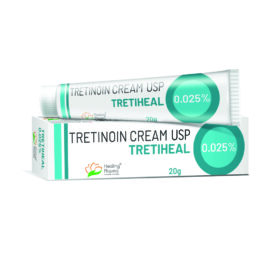
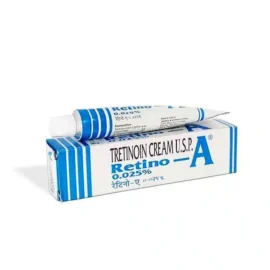
- Retino-A Cream (tretinoina) — kremowa forma tretynoiny
- Krem Melalite Forte — hydrochinon do miejscowego rozjaśniania przebarwień (stosowanie co drugą noc sprawdza się dobrze w przypadku PIH)
- Krem Kojiglo Forte — monoskładnikowy depigmentant z kwasem kojowym
- Epilite — depigmentant bez hydrochinonu
Przydatne lektury: Opinie klientów MedsBase.
Powiązane alternatywy
Inne produkty w Zdrowie ogólne które klienci również przeglądają:
Więcej opcji w kategorii Pielęgnacja skóry i urody
Ranking według liczby ostatnich zamówień MedsBase — co wybierają inni klienci w tej kategorii.


| Moc | 6% |
|---|---|
| Ilość | 1 Tubka, 3 Tubki, 6 Tubaek |
| Postać farmaceutyczna | Krem/y |
| Producent | Healing Pharma |
| Leczenie | BEAUTY & SKIN CARE |
| Marka generyczna | Halobetasol |
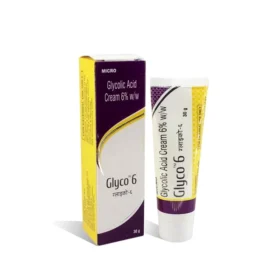 Glyco Cream
Pytania i odpowiedzi
Glyco Cream
Produkty powiązane





Opinie
Nie ma jeszcze opinii