








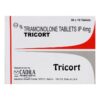
Trinicalm Plus

✅ Kontroluje objawy psychiatryczne
✅ Kontroluje ruchy mimowolne
✅ Zmniejsza lęk
✅ Poprawia funkcje motoryczne
✅ Poprawia jakość życia
Trinicalm Plus zawiera trifluoperazynę i triheksyfenidyl.
✓ Zweryfikowany medycznie przez Morgan Ellis — Badacz farmaceutyczny · 8 lat doświadczenia · Ostatnia weryfikacja: maj 2026
⚡ Szybka odpowiedź — Co to jest Trinicalm Plus?
Trinicalm Plus zawiera stałą kombinację dawek trifluoperazyna 5 mg + triheksyfenidyl 2 mg od producenta z certyfikatem WHO-GMP (Tripada Healthcare) — antyspsychotyk pierwszej generacji (D2 antagonist) w połączeniu z lekiem antycholinergicznym przeciwparkinsonowskim w celu zapobiegania pozapiramidowym działaniom niepożądanym (EPS — parkinsonizm, dystonia, akatyzja), które często wywołują typowe leki przeciwpsychotyczne o wysokiej skuteczności. Stosowane głównie w krajach, gdzie typowe leki przeciwpsychotyczne są nadal regularnie używane w leczeniu schizofrenii i ciężkiego lęku/pobudzenia. Ważne ostrzeżenia: trifluoperazyna posiada oznaczenie FDA czarna skrzynka dla śmiertelności w demencji u osób starszych, dodatkowo wysokie ryzyko późnej dyskinezy i zespołu neuroleptycznego; triheksyfenidyl wywołuje działania niepożądane o charakterze antycholinergicznym (zaburzenia poznawcze, zatrzymanie moczu, upadki u osób starszych) oraz uznany potencjał nadużywania (poszukiwany ze względu na efekt euforyczny/stymulujący przy dawkach supraterapeutycznych).
📦 Każde zamówienie jest objęte naszą Polityka Gwarancji Ponownej Wysyłki — jeśli Twoja przesyłka nie dotrze w ciągu 20 dni roboczych, wysyłamy ją ponownie.
Dlaczego warto zamawiać z MedsBase
Nasze leki generyczne pochodzą od producentów posiadających certyfikat WHO-GMP i są wysyłane na cały świat w dyskretnym, zwykłym opakowaniu — bez nazwy leku na zewnątrz przesyłki. Płatności kartami są kierowane przez regulowanego procesora (opis wyciągu zawiera nazwę regulowanego procesora płatności — nigdy “MedsBase” ani żadnej nazwy leku). Akceptujemy również kryptowaluty i przelewy bankowe SEPA. Każde zamówienie jest objęte naszą Reshipment Assurance Policy.
Co to jest Trinicalm Plus?
Trinicalm Plus to tabletka doustna zawierająca trifluoperazyna 5 mg + triheksyfenidyl 2 mg w stałej dawce kombinacji, produkowana przez Tripada Healthcare. Połączenie to rozwiązuje długotrwały problem związany z typowymi lekami przeciwpsychotycznymi pierwszej generacji: silne antagoniści D2 takie jak trifluoperazyna rutynowo powodują pozapiramidowe działania niepożądane (polekowy parkinsonizm, akatyzja, ostra dystonia), które ograniczają tolerancję i adherencję. Współpodawanie leku antycholinergicznego przeciwparkinsonowskiego, takiego jak triheksyfenidyl, łagodzi te objawy ruchowe.
To jest podejście drugiego rzutu we współczesnej psychiatrii — pierwszym rzutem jest zastosowanie atypowego leku przeciwpsychotycznego (który ma niższe ryzyko EPS i nie wymaga rutynowego pokrycia antycholinergicznego). Kombinacja pozostaje powszechna w krajach, gdzie typowe leki przeciwpsychotyczne są pierwszego rzutu ze względów kosztowych lub dostępności.
Składniki leków
Funkcja każdego składnika
| Składnik | Klasa | Mechanizm | Rola w tej kombinacji |
|---|---|---|---|
| Trifluoperazyna 5 mg | Antypsychotyk fenotiazynowy pierwszej generacji (wysokiej mocy) | Silne antagonizowanie2 w szlakach mezolimbicznych, mezokortykalnych, nigrostriatalnych i tuberoinfundibularnych | Podstawowe działanie przeciwpsychotyczne; również zatwierdzony do krótkotrwałego leczenia ciężkiego niepsychotycznego lęku niepodatnego na standardowe środki (historyczne wskazanie) |
| Triheksyfenidyl 2 mg | Centralnie działający lek antycholinergiczny przeciwparkinsonowski | Antagonizm receptorów M1 muskarynowych w jądrach podstawowych, przywracając równowagę acetylocholina/dopamina | Zapobiega i leczy parkinsonizm, dystonię i akatyzję wywołane trifluoperazyną |
Approved Indications
- Schizofrenia i inne zaburzenia psychotyczne wymagające terapii trifluoperazyną z profilaktycznym leczeniem objawów pozapiramidowych
- Silny lęk/pobudzenie niewrażliwe na standardowe leczenie (historyczne wskazanie trifluoperazyny; współczesne leczenie pierwszego rzutu obejmuje SSRI i atypowe leki przeciwpsychotyczne)
Dawkowanie
| Wskazanie | Typowa dawka | Maksymalnie | Uwagi |
|---|---|---|---|
| Schizofrenia/psychoza | 1 tabletka (5/2) 2–3 razy na dobę | 3 tabletki (15 mg trifluoperazyny + 6 mg triheksyfenidylu) na dobę | Całkowita dawka trifluoperazyny 5–15 mg/dobę w połączeniu stałym; wyższe dawki trifluoperazyny wymagają osobnego dawkowania |
| Silny lęk | 1 tabletka 2 razy na dobę | 2 tabletki/dzień | Tylko krótkoterminowo — tygodnie, a nie miesiące; należy rozważyć zmianę na SSRI/SNRI |
| Osoby w podeszłym wieku | ½ tabletki 2 razy dziennie, jeśli połączenie jest nieuniknione | — | Wysokie ryzyko EPS, efektów antycholinergicznych i upadków; ostrzeżenie black-box dotyczące demencji |
Efekty uboczne (według składnika)
Działania niepożądane trifluoperazyny
| Mechanizm | Efekty | Uwagi |
|---|---|---|
| D2 Blokada (nigrostriatalna) | Ostra dystonia (wywracanie oczu, kręcz szyi, zaciskanie szczęki), parkinsonizm (drżenie, sztywność, bradykinezja), akatyzja (wewnętrzny niepokój), dyskineza późna (długotrwałe ruchy mimowolne) | Wysokie ryzyko — dlatego triheksyfenidyl jest przepisywany równolegle; dyskineza późna może być nieodwracalna i rozwija się przy długotrwałej ekspozycji |
| D2 Blokada (tuberoinfundibularna) | Hiperprolaktynemia (mlekotok, ginekomastia, brak miesiączki, zaburzenia funkcji seksualnych) | Częste przy typowych lekach wysokopotencjalnych |
| H1 blokada | Sedacja | Mniejsze niż chlorpromazyna |
| Blokada alfa-1 | Niedociśnienie ortostatyczne | Mniejsze niż chlorpromazyna |
| Wydłużenie odstępu QT | Ryzyko zaburzeń rytmu serca | Podstawowe EKG; ostrożność przy stosowaniu z innymi lekami wydłużającymi odstęp QT |
| Inne | Nadwrażliwość na światło, zmiany oczne, żółtaczka | Długoterminowe obawy |
| Rzadkie, ale poważne | Złośliwy zespół neuroleptyczny (hipertermia, sztywność, niestabilność autonomiczna, zaburzenia stanu psychicznego) | Nagły przypadek medyczny |
| Rzadko | Obniżony próg drgawkowy | Ostrożność w padaczce |
Działania niepożądane triheksyfenidylu
| Mechanizm | Efekty | Uwagi |
|---|---|---|
| Działanie antycholinergiczne obwodowe | Suchość w ustach, niewyraźne widzenie, zaparcia, zatrzymanie moczu | Częste; szczególnie problematyczne przy BPH |
| Działanie antycholinergiczne ośrodkowe | Zaburzenia świadomości, upośledzenie pamięci, spowolnienie poznawcze, pobudzenie | Największe ryzyko u osób starszych – związane z długotrwałym pogorszeniem funkcji poznawczych |
| Inne | Tachykardia, zawroty głowy, upadki | Ryzyko upadków u osób starszych |
| Ważne | Potencjał nadużywania | Triheksyfenidyl jest poszukiwany w dawkach supraterapeutycznych ze względu na działanie euforyzujące/pobudzające/halucynogenne; niektóre jurysdykcje wprowadziły kontrolę. Pacjenci z historią nadużywania substancji wymagają monitorowania |
Interakcje lekowe
Wydłużenie odstępu QT: unikać łączenia z innymi lekami wydłużającymi odstęp QT — ziprasidon, citalopram (wysoka dawka), metadon, ondansetron, fluorochinolony.
Efekt antycholinergiczny (kumulacja): triheksyfenidyl już zwiększa obciążenie antycholinergiczne — łączyć ostrożnie z TLPD, paroksetyną, lekami przeciwhistaminowymi, oksybutyniną, hioscyjaminą; u osób starszych może to powodować splątanie, upadki i zatrzymanie moczu.
Depresja OUN: alkohol, benzodiazepiny, opioidy — dodatkowe działanie sedatywne.
Leki przeciwnadciśnieniowe: addytywne działanie ortostatyczne.
Antagonizm lewodopy: trifluoperazyna D2 blokada zmniejsza efekt lewodopy — problematyczne w chorobie Parkinsona.
Dlaczego współczesna praktyka często unika tego połączenia
Gdzie atypowe leki przeciwpsychotyczne są dostępne i przystępne cenowo, współczesna praktyka zazwyczaj unika stosowania leków przeciwpsychotycznych pierwszej generacji + rutynowego podawania leków antycholinergicznych ponieważ:
- ryzyko późnych dyskinez jest znacznie wyższe w przypadku leków przeciwpsychotycznych pierwszej generacji — efekt kumulacyjny, często nieodwracalny
- Obciążenie poznawcze związane z lekami antycholinergicznymi jest obecnie powiązane z długotrwałym pogorszeniem funkcji poznawczych i ryzykiem demencji u osób starszych
- Potencjał nadużywania triheksyfenidylu jest rozpoznany — niektóre jurysdykcje wprowadziły ograniczenia w przepisywaniu
- Leki atypowe (ryzperydon, kwetiapina, aripiprazol, ziprasidon) mają niższe ryzyko objawów pozapiramidowych i rzadko wymagają rutynowego podawania leków antycholinergicznych
To połączenie pozostaje w użyciu tam, gdzie typowe leki przeciwpsychotyczne są lekami pierwszego wyboru ze względu na koszt lub dostępność, w długotrwałych schematach leczenia pacjentów oraz u pacjentów, którzy są stabilni i dobrze tolerują leczenie po latach terapii.
Najczęściej zadawane pytania
Dlaczego triheksyfenidyl jest łączony z trifluoperazyną?
Wysokopotencjalne leki przeciwpsychotyczne pierwszej generacji, takie jak trifluoperazyna, rutynowo powodują polekową chorobę Parkinsona, dystonię i akatyzję z powodu blokady D2 w zwojach podstawy. Triheksyfenidyl jest lekiem antycholinergicznym przeciwparkinsonowskim, który przywraca równowagę acetylocholina/dopamina i zapobiega tym ruchowym skutkom ubocznym.
Czy Trinicalm Plus nadal jest dobrym wyborem w 2026 roku?
Współczesna praktyka zazwyczaj preferuje atypowe leki przeciwpsychotyczne (ryzperydon, kwetiapina, aripiprazol, ziprasydon), jeśli są dostępne — mniejsze ryzyko objawów pozapiramidowych (EPS), brak potrzeby rutynowego stosowania leków antycholinergicznych. Połączenie trifluoperazyny i triheksyfenidylu pozostaje powszechne w przypadkach, gdy typowe leki przeciwpsychotyczne są lekami pierwszego wyboru oraz w stabilnych, długotrwałych schematach leczenia.
Co to jest dyskineza późna i dlaczego jest ważna?
Dyskineza późna to zaburzenie ruchowe — mimowolne, powtarzające się ruchy twarzy, ust, języka lub kończyn — które może rozwinąć się po miesiącach lub latach leczenia lekami przeciwpsychotycznymi blokującymi dopaminę. Częściej występuje przy stosowaniu leków przeciwpsychotycznych pierwszej generacji i może być nieodwracalna nawet po odstawieniu leku. Standardem jest coroczne badanie przy użyciu Skali Nieprawidłowych Ruchów Mimowolnych (AIMS).
Czy Trinicalm Plus powoduje przyrost masy ciała?
W mniejszym stopniu niż atypowe leki przeciwpsychotyczne, takie jak olanzapina czy klozapina. Trifluoperazyna ma jedynie umiarkowany wpływ metaboliczny.
Czy triheksyfenidyl uzależnia?
Triheksyfenidyl jest poszukiwany w dawkach przekraczających terapeutyczne ze względu na działanie euforyzujące i pobudzające w niektórych środowiskach i uznawany jest za substancję o potencjale nadużywania. Niektóre jurysdykcje wprowadziły kontrolę przepisywania tego leku. Pacjenci z historią nadużywania substancji wymagają monitorowania; zaleca się przechowywanie leku w zamknięciu, jeśli w domu są dzieci lub osoby narażone.
Czy mogę pić alkohol podczas przyjmowania Trinicalm Plus?
Należy unikać — zwiększa to sedację, ryzyko ortostatyczne i upadków. Alkohol nasila również efekty poznawcze triheksyfenidylu.
Czy Trinicalm Plus jest bezpieczny dla pacjentów w podeszłym wieku?
Obciążenie antycholinergiczne, sedacja, ryzyko ortostatyczne i upadków sprawiają, że ta kombinacja jest słabo tolerowana przez osoby starsze. Dotyczy to również ostrzeżenia dotyczącego demencji (trifluoperazyna). Monoterapia atypowym lekiem przeciwpsychotycznym jest zwykle lepszym wyborem, gdy konieczne jest leczenie przeciwpsychotyczne.
Czy mogę nagle odstawić Trinicalm Plus?
Lepiej stopniowo zmniejszać dawkę. Nagłe odstawienie może spowodować dyskinezę odstawienną (ujawnienie utajonych ruchów późnych), bezsenność, pobudzenie i nawrót psychozy. Odstawienie leku antycholinergicznego może wywołać odbicie cholinergiczne (pocenie się, dolegliwości żołądkowo-jelitowe, niepokój). Należy stopniowo zmniejszać dawkę pod nadzorem lekarza.
Czym Trinicalm Plus różni się od ryzperydonu lub kwetiapiny?
Leki atypowe (ryzperydon, kwetiapina, aripiprazol, ziprasydon) wiążą D2 receptory bardziej luźno i dodają 5-HT2A antagonizm — niższe ryzyko EPS, brak potrzeby rutynowego stosowania leków antycholinergicznych, niższe ryzyko dyskinezji późnych. Kompromis: więcej metabolicznych skutków ubocznych u niektórych atypowych (olanzapina, kwetiapina).
Jak należy przechowywać Trinicalm Plus?
Store at 15–30 °C in the original blister packaging away from moisture and sunlight. Przechowuj w zamknięciu, jeśli w domu są dzieci lub osoby wymagające opieki — oba składniki, szczególnie triheksyfenidyl, mogą być poszukiwane w celu nadużycia.
Powiązane alternatywy
Inne produkty w Choroby przewlekłe które klienci również przeglądają:
Więcej opcji w leczeniu lęku sytuacyjnego
Ranking według liczby ostatnich zamówień MedsBase — co wybierają inni klienci w tej kategorii.


| Moc | 5mg+2mg |
|---|---|
| Ilość | 30 tabletek, 60 tabletek, 90 tabletek, 180 tabletek |
 Trinicalm Plus
Pytania i odpowiedzi
Trinicalm Plus
Produkty powiązane













Opinie
Nie ma jeszcze opinii