








Supatret-0.04-Gel-1
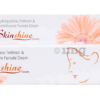
✅ Zmniejsza pigmentację skóry
✅ Zmniejsza widoczność ciemnych plam
✅ Wyrównuje koloryt skóry
✅ Nawilża skórę
✅ Promotes skin hydration
✓ Zweryfikowany medycznie przez Morgan Ellis — Badacz farmaceutyczny · 8 lat doświadczenia · Ostatnia weryfikacja: maj 2026
💡 Szybka odpowiedź — co to jest krem Skinshine?
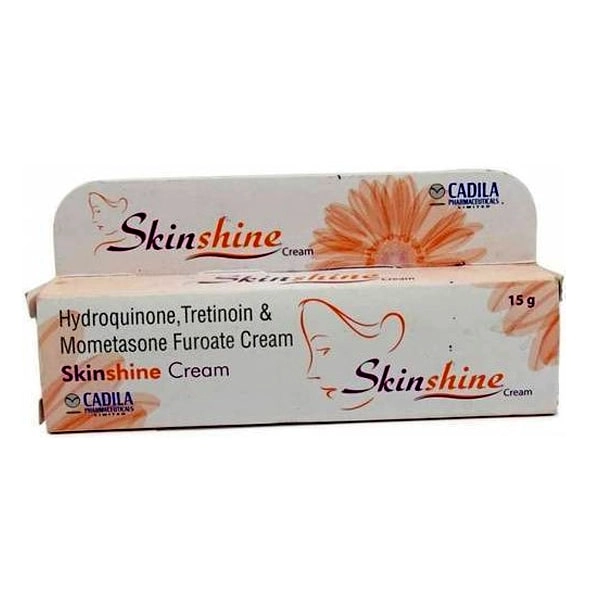
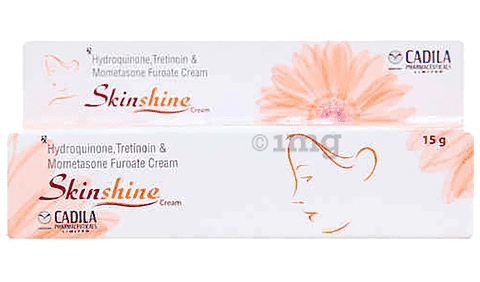
Supatret-0.04-Gel-1 zawiera hydrochinon 4% + tretynoinę 0,025% + mometazon 0,1% — miejscowy środek odbarwiający stosowany w leczeniu melasmy, przebarwień pozapalnych (PIH) oraz nierównomiernej pigmentacji twarzy. Nakładaj cienką warstwę wyłącznie na przebarwione obszary wieczorem. W trakcie kuracji obowiązkowe jest codzienne stosowanie kremu z filtrem SPF 50+ o szerokim spektrum działania. Standardowy cykl Kligmana: 4–6 miesięcy stosowania, następnie faza podtrzymująca bez steroidów (kwas azelainowy, niacynamid, kwas kojowy) w celu uniknięcia ochronozy.
📦 Każde zamówienie jest objęte naszą Polityka Gwarancji Ponownej Wysyłki — jeśli Twoja przesyłka nie dotrze w ciągu 20 dni roboczych, wysyłamy ją ponownie.
Dlaczego warto zamawiać z MedsBase
Nasze leki generyczne pochodzą od producentów posiadających certyfikat WHO-GMP i są wysyłane na cały świat w dyskretnym, zwykłym opakowaniu — bez nazwy leku na zewnątrz przesyłki. Płatności kartami są kierowane przez regulowanego procesora (opis wyciągu zawiera nazwę regulowanego procesora płatności — nigdy “MedsBase” ani żadnej nazwy leku). Akceptujemy również kryptowaluty i przelewy bankowe SEPA. Każde zamówienie jest objęte naszą Reshipment Assurance Policy.
Dlaczego warto zamawiać z MedsBase
Dlaczego warto wybrać krem Skinshine z MedsBase:
- producenta certyfikowanego przez WHO-GMP — pochodzące z regulowanego zakładu, oryginalne opakowanie z numerem partii i datą ważności.
- Dyskretne opakowanie — zwykła koperta bez widocznej nazwy leku na zewnątrz.
- Wysyłka na cały świat z Reshipment Assurance — jeśli Twoja przesyłka nie dotrze w ciągu 20 dni roboczych, wysyłamy ją ponownie bez dodatkowych kosztów (zgodnie z warunkami polityki).
- Punkty lojalnościowe — 1 punkt za każde wydane 1$ (z wyłączeniem peptydów); 100 punktów = 5$ zniżki.
Co to jest krem Skinshine i jak działa
Krem Skinshine to miejscowy krem odbarwiający zawierający hydrochinon 4% + tretynoinę 0,025% + mometazon 0,1%. Hydrochinon jest inhibitorem tyrozynazy — blokuje enzym przekształcający tyrozynę w melaninę, co rozjaśnia istniejące przebarwienia i hamuje powstawanie nowych. W połączeniu z retinoidem (tretynoiną) i miejscowym steroidem (nowoczesna formuła Kligmana), retinoid przyspiesza odnowę naskórka, dzięki czemu rozjaśnione komórki szybciej się złuszczają, a steroid łagodzi podrażnienia wywołane przez pozostałe składniki — poprawiając tolerancję podczas 4–6-miesięcznej kuracji. Producent: Sun Pharma (certyfikat WHO-GMP).
Wskazania
- Melasma — symetryczna brązowa pigmentacja twarzy, często wywołana hormonami.
- Przebarwienia pozapalne — ciemne plamy po trądziku, egzemie, oparzeniach lub urazach.
- Plamy soczewicowate słoneczne — plamy starcze wywołane słońcem na twarzy, dłoniach i dekolcie.
- Piegi i ephelides — stosowanie punktowe; efekty częściowo ustępują pod wpływem słońca.
Jak stosować (cykl Kligmana)
| Faza | Harmonogram |
|---|---|
| Inicjacja | Nakładaj małą kropkę wieczorem tylko na przebarwione miejsce. W przypadku obaw o podrażnienia, rozpocznij stosowanie co drugą noc przez 1–2 tygodnie. |
| Faza aktywna | Stosuj raz na noc przez 4–6 miesięcy. Kontroluj miesięcznie; przerwij, jeśli nie ma poprawy po 8 tygodniach. |
| Ochrona przeciwsłoneczna | Codziennie rano obowiązkowo stosuj SPF 50+ o szerokim spektrum. Ekspozycja na UV może zniweczyć efekty 4–6 miesięcy pracy w ciągu kilku dni. |
| Przerwa | Po 4–6 miesiącach przejdź na fazę podtrzymującą: SPF + środek bez hydrochinonu (kwas azelainowy 15–20%, kwas kojowy, niacynamid, kwas traneksamowy). |
| Ponowne stosowanie | Wznów tylko w przypadku nawrotu przebarwień i tylko po 2–3-miesięcznej przerwie, aby zapobiec ochronozie. |
⚠️ Ochronoza & długotrwałe stosowanie — Ciągłe stosowanie hydrochinonu dłużej niż 6 miesięcy — zwłaszcza bez rotacji — może powodować egzogenną ochronozę, paradoksalne ciemnoniebieskie przebarwienia, które są w dużej mierze nieodwracalne. Zasada 4–6 miesięcy stosowania/przerwy istnieje z tego powodu. Nie stosować w ciąży, podczas karmienia piersią ani na uszkodzoną skórę.
Efekty uboczne
- Częste: Łagodne pieczenie, kłucie, suchość, łuszczenie się, przejściowe zaczerwienienie w ciągu pierwszych 2–3 tygodni. Zwykle ustępuje, gdy skóra się przyzwyczai.
- Rzadsze: kontaktowe zapalenie skóry na hydrochinon, nadwrażliwość na światło, zapalenie skóry wokół ust w przypadku aplikacji w pobliżu ust.
- Rzadkie, ale poważne: egzogenna ochronoza przy długotrwałym stosowaniu, odbarwienie otaczającej skóry w kształcie halo w przypadku zbyt szerokiej aplikacji.
Interakcje lekowe
Unikaj jednoczesnego stosowania silnych środków miejscowych (nadtlenek benzoilu, kwasy alfa-hydroksylowe, peelingi glikolowe, mikrodermabrazja) na tym samym obszarze bez 24-godzinnej przerwy. Unikaj produktów zawierających rezorcynę, nadtlenek lub salicylany, aby zapobiec przebarwieniom i dodatkowym podrażnieniom.
Przeciwwskazania
- Ciąża i karmienie piersią (tretynoina w preparatach złożonych jest teratogenna; hydrochinon ma ograniczone dane dotyczące bezpieczeństwa w ciąży).
- Dzieci poniżej 12 roku życia.
- Znana nadwrażliwość na hydrochinon, retinoidy lub steroidy.
- Aktywny wyprysk, silne oparzenie słoneczne lub otwarte rany w miejscu aplikacji.
- Bielactwo — środki odbarwiające na plamistej utracie pigmentu mogą pogorszyć kontrast.
Przechowywanie
Przechowywać w temperaturze poniżej 25°C, z dala od bezpośredniego światła. Hydrochinon utlenia się i brązowieje przy długotrwałym kontakcie z powietrzem — wyrzucić, jeśli zauważalnie ściemnieje lub nabierze ostrego zapachu. Dokładnie zakręcać tubę po każdym użyciu.
Najczęściej zadawane pytania
Jak szybko zobaczę efekty stosowania kremu Skinshine?
Delikatne rozjaśnienie zaczyna być widoczne po 4–6 tygodniach; pełny efekt w przypadku melazmy zwykle osiąga się po 3–6 miesiącach. Jeśli po 8 tygodniach nie ma zmian, należy zweryfikować diagnozę lub przyczynę (słońce, hormony, stan zapalny).
Dlaczego hydrochinon jest ograniczony w wielu krajach?
Amerykańska FDA wycofała hydrochinon dostępny bez recepty z rynku we wrześniu 2020 roku po ocenie zgłoszeń przypadków ochronozy i niekontrolowanego stosowania w kosmetykach. Europa (UE), Japonia i większość Azji mają podobne ograniczenia. Produkt pozostaje dostępny na całym świecie do użytku medycznego pod nadzorem specjalisty.
Czy mogę stosować krem Skinshine na całej twarzy?
Nie — nakładać tylko na przebarwione plamy, nie na całą twarz. Stosowanie na całej twarzy grozi odbarwieniem halo normalnie pigmentowanej skóry i zwiększa ryzyko ochronozy.
Co oznacza “cykl Kligmana”?
Protokół polegający na 4–6 miesiącach stosowania potrójnego kremu, a następnie 2–3 miesiącach planu podtrzymującego bez hydrochinonu (kwas azelainowy, niacynamid, kwas kojowy) przed ewentualnym wznowieniem. Ten schemat zmniejsza ryzyko ochronozy przy jednoczesnym kontrolowaniu pigmentacji.
Czy mogę stosować krem Skinshine w ciąży?
Nie. Składnik tretinoin jest przeciwwskazany w ciąży (kategoria X). Dane dotyczące bezpieczeństwa hydrochinonu w ciąży są ograniczone. Zaleca się odłożenie leczenia do czasu zakończenia ciąży i karmienia piersią.
Dlaczego krem z filtrem jest obowiązkowy?
Ekspozycja na promieniowanie UV jest głównym czynnikiem stymulującym syntezę melaniny i wiodącą przyczyną nawrotów melasmy. Bez codziennego stosowania szerokospektralnego filtra SPF 50+ leczenie hydrochinonem nie przyniesie efektów. Nakładaj ponownie co 2 godziny podczas ekspozycji na słońce.
Czy mogę łączyć krem Skinshine z peelingami chemicznymi?
Tylko pod kontrolą dermatologiczną. Peelingi mogą nasilać działanie hydrochinonu, ale także zwiększać podrażnienia, ryzyko przebarwień pozabiegowych i ochronozy. Przerwij stosowanie hydrochinonu na 7 dni przed i po zabiegu.
Co to jest ochronoza i jak ją rozpoznać?
Egzogenna ochronoza to paradoksalne, niebiesko-czarne ciemnienie skóry poddanej długotrwałemu leczeniu hydrochinonem. Rozwija się stopniowo i jest w większości nieodwracalna. Jeśli leczone obszary ciemnieją lub przybierają szarawy odcień po 4+ miesiącach, natychmiast przerwij stosowanie hydrochinonu i skonsultuj się z dermatologiem.
Jakie są alternatywy dla hydrochinonu?
Do podtrzymania efektów lub dla pacjentów nietolerujących hydrochinonu: kwas azelainowy 15–20%, kwas kojowy 1–4%, kwas traneksamowy (doustnie lub miejscowo), niacynamid 4–10%, cysteamina 5% oraz arbutyna. Żaden nie działa tak szybko jak hydrochinon, ale wszystkie mają lepszy długoterminowy profil bezpieczeństwa.
Czym krem Skinshine różni się od innych kremów z hydrochinonem?
Zawiera hydrochinon w połączeniu z tretinoin i miejscowym steroidem (potrójna formuła Kligmana). W porównaniu z monoterapią hydrochinonem, ta kombinacja działa szybciej, ale ma większy potencjał drażniący i nie nadaje się do długotrwałego stosowania.
Inne leki z zakresu pielęgnacji skóry i urody
- Melalite Forte Cream — hydrochinon 4% na melasmę
- Retino-A Cream — tretynoina na trądzik i starzenie się skóry
- Melacare Cream — potrójna formuła Kligmana na melasmę
- Permite Cream — permetryna 5% na świerzb
- Tenovate Cream — klobetazol 0,05% na ciężkie stany zapalne
Zastrzeżenie medyczne. Ta treść służy wyłącznie do ogólnej informacji o produkcie i nie stanowi porady medycznej ani nie zastępuje konsultacji z wykwalifikowanym pracownikiem służby zdrowia. Stosuj jakiekolwiek leki miejscowe lub doustne wyłącznie pod odpowiednim nadzorem medycznym; niewłaściwe użycie może spowodować poważne szkody.
Więcej opcji w kategorii Pielęgnacja skóry i urody
Ranking według liczby ostatnich zamówień MedsBase — co wybierają inni klienci w tej kategorii.
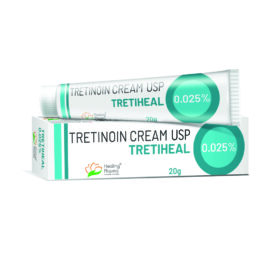


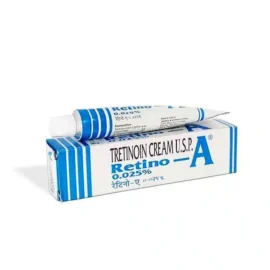
| Moc | 2% i 0,1% i 0,025% |
|---|---|
| Ilość | 1 Tubka, 3 Tubki, 6 Tubaek |
| Postać farmaceutyczna | Krem/y |
| Producent | Cadila Pharma |
| Leczenie | Melasma |
| Marka generyczna | Żel z tretynoiną w mikrosferach |
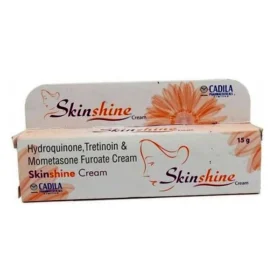 Supatret-0.04-Gel-1
Pytania i odpowiedzi
Supatret-0.04-Gel-1
Produkty powiązane







Opinie
Nie ma jeszcze opinii