








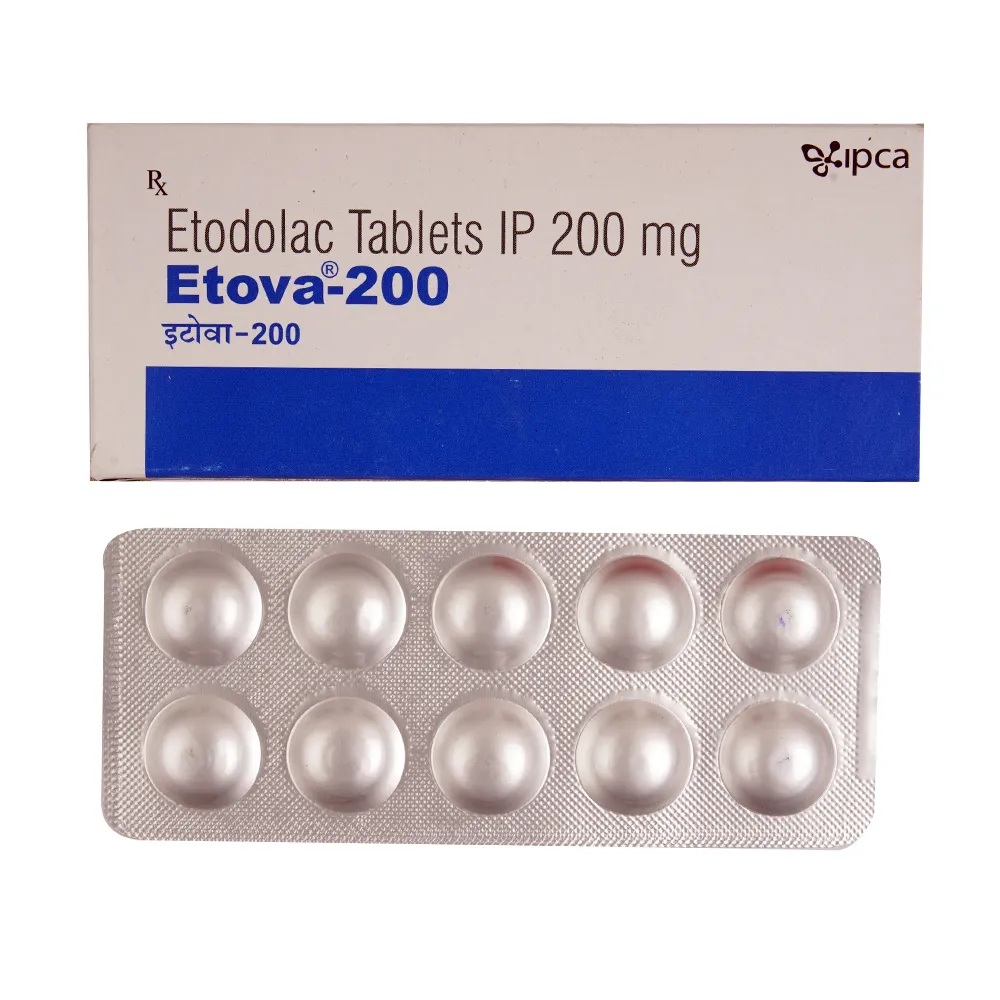
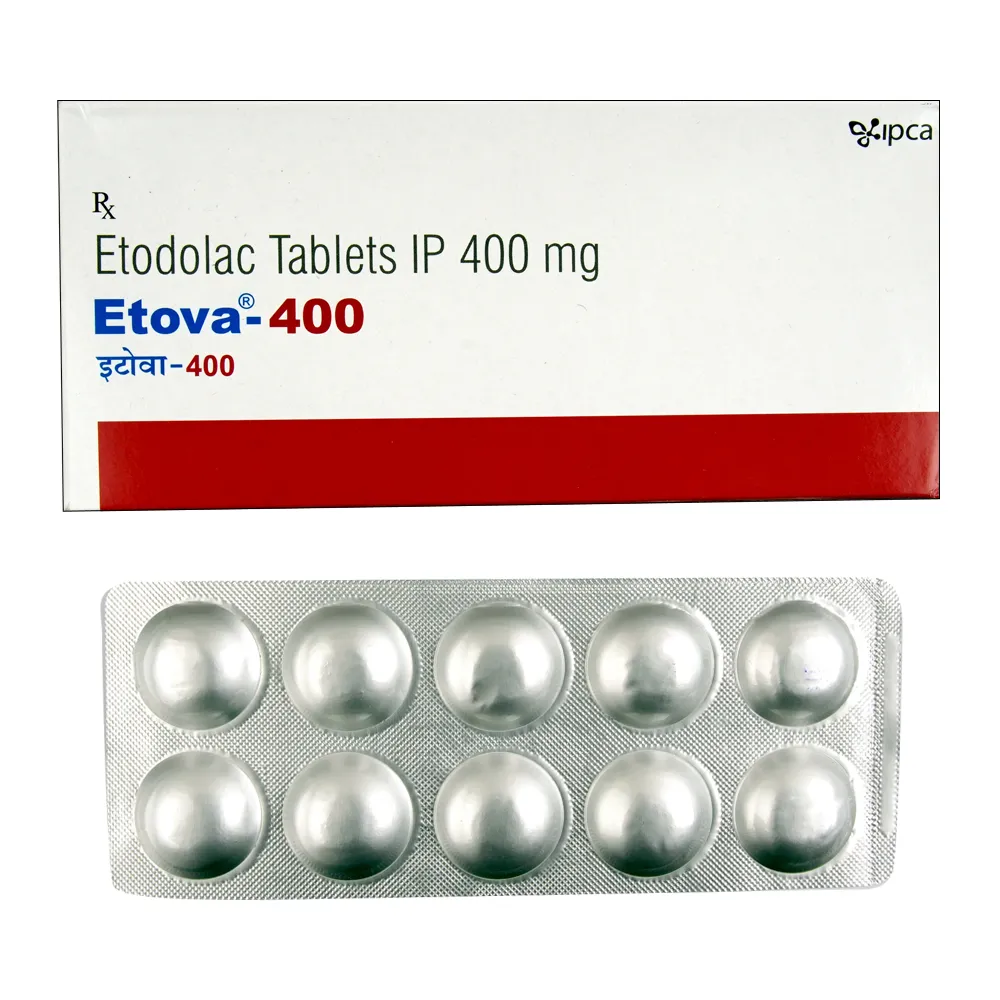
Etova
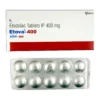
✅ Alină durerea
✅ Reduce inflamația
✅ Tratează simptomele artritei
✅ NSAID prescris
✅ Opțiune de medicament oral
Etova conține Etodolac.
✓ Verificat medical de Morgan Ellis — Cercetător farmaceutic · 8 ani de experiență · Ultima recenzie: mai 2026
⚡ Răspuns rapid — Ce este Etova?
Etova este un etodolac comprimat disponibil în 200 mg și 400 mg concentrații. Etodolac este un NSAID preferențial COX-2 — la doze terapeutice, blochează enzima COX-2, care provoacă inflamația, mai mult decât COX-1, care protejează stomacul, oferind un profil gastrointestinal ușor mai blând decât diclofenacul, ibuprofenul sau naproxenul. Doza obișnuită pentru adulți este 200–400 mg de două ori pe zi, în timpul mesei. Etova este utilizat pe scară largă pentru osteoartrită, artrită reumatoidă, dureri musculo-scheletice acute și dureri postoperatorii.
📦 Fiecare comandă este acoperită de politica noastră de Politica noastră de Reexpediere Garantată — dacă coletul dumneavoastră nu sosește în 20 de zile lucrătoare, îl relivrăm.
De ce să comanzi de la MedsBase
Medicamentele noastre generice sunt procurate de la producători certificați WHO-GMP și expediate la nivel mondial în ambalaje discrete și simple — fără denumirea medicamentului pe exteriorul coletului. Plățile cu cardul sunt procesate printr-un procesor reglementat (descrierile de pe extrasul de cont includ un procesor de plăți cu card reglementat — niciodată “MedsBase” sau numele vreunui medicament). Acceptăm și criptomonede și transferuri bancare SEPA. Fiecare comandă este susținută de Politica noastră de Asigurare pentru Relivrare.
Etova este un comprimat oral care conține etodolac, un AINS de generația a doua comercializat de Ipca Laboratories. Etodolacul aparține clasei acizilor piranocarboxilici și are o preferință documentată de 5–10 ori mai mare pentru COX-2 decât pentru COX-1 la dozele clinice. Acest lucru îl plasează între AINS-urile neselective clasice (ibuprofen, diclofenac) și inhibitorii COX-2 foarte selectivi (celecoxib), cu un profil de risc în general intermediar.
Timpul de înjumătățire de 7 ore al etodolacului permite o administrare simplă de două ori pe zi, iar activitatea preferențială COX-2 înseamnă mai puține rapoarte de indigestie, gastrită și boală ulceroasă pepticulă decât în cazul AINS-urilor neselective cu efect antiinflamator echivalent.
Pentru ce se utilizează Etova?
- Osteoartrită — dureri articulare, rigiditate, gamă redusă de mișcare
- Poliartrită reumatoidă — ameliorarea simptomatică a acceselor inflamatorii
- Durere musculo-scheletală acută — entorse, întinderi, leziuni ale țesuturilor moi
- Durere postoperatorie — inclusiv proceduri dentare, ortopedice și ginecologice
- Lombalgie
- Spondilită anchilozantă — opțiune de linia a doua atunci când indometacina nu este tolerată
- Dismenoree primară
- Durere dentară și orofacială
Cum funcționează etodolacul?
Etodolac are activitate preferențială COX-2 — la doze terapeutice, inhibă enzima COX-2, care provoacă inflamația, mai mult decât COX-1, care protejează stomacul. Acest lucru conferă un risc moderat mai mic de ulcer gastro-intestinal comparativ cu AINS-urile neselective clasice, cum ar fi diclofenacul, ibuprofenul și naproxenul.
Lanțul terapeutic al evenimentelor este același pentru toate AINS-urile:
- Leziunea tisulară sau inflamația eliberează fosfolipide din membranele celulare
- Fosfolipaza A₂ le transformă în acid arahidonic
- Ciclooxigenaza (COX-1/COX-2) transformă acidul arahidonic în prostaglandine — moleculele responsabile de durere, umflare și febră
- Etodolac blochează enzimele COX, astfel încât se produce mai puțină prostaglandină, ceea ce duce la reducerea durerii și a inflamației
Deoarece prostaglandinele protejează și mucoasa gastrică, reglează fluxul sanguin renal și influențează funcția plachetelor, același mecanism care ameliorază durerea este responsabil și pentru principalele efecte adverse ale AINS: iritație gastrică, retenție de lichide, hipertensiune arterială și (la unii pacienți) stres renal.
Doze Etova
- Osteoartrită, artrită reumatoidă: 200–400 mg de două ori pe zi, în timpul mesei. Maxim 1.200 mg/zi (rar necesar).
- Durere acută, durere postoperatorie: 200–400 mg de două ori pe zi timp de 3–7 zile.
- Vârstnici, greutate corporală scăzută (< 60 kg), insuficiență renală: începeți cu 200 mg de două ori pe zi și ajustați doar dacă este necesar.
Luați cu alimente sau lapte pentru a reduce iritația gastrointestinală. Înghițiți comprimatele întregi cu apă. Dozele trebuie administrate la interval de aproximativ 12 ore (de ex. la 8 dimineața și la 8 seara). Dacă uitați o doză: luați-o când vă amintiți, cu excepția cazului în care următoarea doză este programată în următoarele 4 ore — atunci omiteți-o.
Siguranță gastrointestinală — citiți acest lucru înainte de prima doză. Fiecare AINS, inclusiv Etova, prezintă un risc real de gastrită, ulcer peptic și hemoragie gastrointestinală superioară. Riscul este cel mai mare la pacienții peste 65 de ani, la cei cu antecedente de ulcer și la oricine ia și aspirină în doze mici, corticoesteroizi, SSRI sau anticoagulante. Luați Etova cu alimente, utilizați cea mai mică doză eficientă pentru cel mai scurt timp rezonabil, și întrebați medicul despre prescrierea concomitentă a unui inhibitor de pompă protonică (omeprazol, pantoprazol) dacă aveți nevoie de el pentru mai mult de 2–4 săptămâni.
Cine nu ar trebui să ia Etova?
- Hipersensibilitate cunoscută la Etodolac sau la orice AINS
- Ulcer peptic activ sau recidivant, hemoragie sau perforație gastrointestinală
- Astm, urticarie sau rinită declanșate de aspirină sau alt AINS (“boală respiratorie exacerbată de aspirină”)
- Insuficiență cardiacă severă (clasa NYHA IV)
- Insuficiență hepatică severă (Child–Pugh C)
- Insuficiență renală severă (CrCl < 30 mL/min)
- Trimestrul al treilea de sarcină (risc de închidere prematură a ductusului arterios și oligohidramnios)
- Intervenție chirurgicală recentă de bypass coronarian (CABG) — contraindicatie absolută pentru toate AINS-urile
Risc cardiovascular
Toate AINS-urile (cu excepția aspirinei în doze mici) cresc riscul de infarct miocardic și accident vascular cerebral și pot agrava insuficiența cardiacă. Riscul depinde de doză și durată și este în general cel mai mare cu agenții selectivi COX-2 și cu diclofenac. Pacienții cu boli cardiace ischemice stabilite, boli arteriale periferice, accident vascular cerebral sau hipertensiune arterială necontrolată ar trebui să folosească AINS-uri neselective (ibuprofen sau naproxen) la cea mai mică doză eficientă sau să folosească paracetamol acolo unde este posibil.
Siguranță renală
AINS-urile reduc producția de prostaglandine renale, ceea ce poate provoca retenție de sare și apă, creșterea tensiunii arteriale și — la pacienții vulnerabili — leziune renală acută. Grupurile cu risc ridicat sunt persoanele în vârstă, pacienții sub tratament cu inhibitori ACE/ARB plus diuretice (“triplul impact”), oricine este deshidratat (vărsături, diaree, căldură, exercițiu intens) și cei cu boală renală cronică preexistentă. Întrerupeți administrarea AINS și consultați un medic dacă dezvoltați scădere a producției de urină, umflături sau creștere neexplicată a greutății.
Efecte secundare ale Etova
Etova este în general bine tolerată la dozele standard.
- Frecvente (1–10%): dispepsie, durere abdominală, greață, constipație sau diaree, cefalee, amețeli, umflarea ușoară a gleznelor, erupții cutanate
- Mai puțin frecvente: ulcer peptic, hemoragie gastrointestinală (rată mai mică decât la AINS-urile neselective, dar tot posibilă), enzime hepatice crescute, agravarea hipertensiunii, tinnitus
- Rare dar grave: hepatotoxicitate severă, sindromul Stevens-Johnson, leziune renală acută, agravarea insuficienței cardiace, anafilaxie
Etova vs Celecoxib și Ibuprofen
| Medicament | Preferință COX | Doza tipică | Risc GI | Risc CV |
|---|---|---|---|---|
| Etodolac (Etova) | Preferențial COX-2 | 200–400 mg de 2 ori pe zi | Mai mic | Moderate |
| Celecoxib | Foarte selectiv COX-2 | 100–200 mg de 2 ori pe zi | Cel mai scăzut | Moderate |
| Ibuprofen | Neselectiv | 400 mg de 3-4 ori pe zi | Moderate | Scăzut (≤ 1.200 mg/zi) |
| Diclofenac | Neselectiv (ușor COX-2) | 50 mg de 3 ori pe zi | Moderat-ridicat | Mai mare |
| Naproxen | Neselectiv | 500 mg de două ori pe zi | Moderate | Cel mai scăzut |
Comandă și Livrare
MedsBase oferă transport la nivel mondial pentru fiecare comandă. Comenzile sunt expediate în ambalaje discrete și ajung în cutii originale ale producătorului. Dacă doza sau dimensiunea ambalajului preferat nu este în stoc, contactați serviciul de asistență pentru a afla termenul de livrare.
Notă medicală. Informațiile de pe această pagină sunt furnizate doar în scop educativ general. Nu înlocuiesc sfaturile medicului sau farmacistului dumneavoastră. AINS-urile au riscuri bine documentate gastrointestinale, cardiovasculare și renale — vă rugăm să consultați un profesionist calificat în sănătate înainte de a începe, întrerupe sau modifica terapia, mai ales dacă aveți antecedente de ulcer, boli de inimă, boli renale, astm sau sunteți gravidă.
Întrebări frecvente
Pentru ce se utilizează Etova?
Etova (etodolac) este utilizată pentru osteoartrită, artrită reumatoidă, spondilită anchilozantă, durere musculo-scheletală acută, durere postoperatorie și dismenoree primară.
Este etodolac mai sigur pentru stomac decât diclofenacul?
Da, la doze antiinflamatoare echivalente. Activitatea preferențială COX-2 a etodolacului produce mai puține ulcerații și hemoragii gastrointestinale decât AINS-urile neselective precum diclofenacul, ibuprofenul și naproxenul. Totuși, nu este lipsit de riscuri și ar trebui luat cu alimente.
Cât durează până începe să actioneze Etova?
Scăderea durerii începe de obicei în 30–60 de minute; efectul maxim se atinge în 1–2 ore. Efectul antiinflamator se acumulează în 1–2 săptămâni de administrare regulată.
Este Etova un inhibitor COX-2 precum celecoxibul?
Etodolacul are o selectivitate preferențială (de 5–10 ori) dar nu este la fel de selectiv ca celecoxibul (de 30–400 ori). Pentru pacienții cu risc ridicat de ulcer, celecoxibul este opțiunea COX-2 mai puternică; etodolacul ocupă o poziție intermediară.
Pot lua Etova pe termen lung?
Da, pentru artrita inflamatorie cronică, dar utilizați cea mai mică doză eficientă și luați în considerare adăugarea unui inhibitor de pompă protonică după 2–4 săptămâni. Tensiunea arterială, funcția renală și enzimele hepatice ar trebui evaluate cel puțin anual.
Este Etova sigură în boli de inimă?
Ca toate AINS-urile, etodolacul prezintă un anumit risc cardiovascular. La pacienții cu boli cardiace stabilite, naproxenul sau ibuprofenul în doze mici sunt adesea preferate. Consultați-vă cu medicul înainte de a începe tratamentul.
Pot să iau Etova cu paracetamol?
Da. Etodolac și paracetamol acționează pe căi diferite și pot fi combinate pentru un efect analgezic mai puternic.
Pot să consum alcool în timp ce iau Etova?
Consumul moderat este de obicei tolerat. Consumul regulat sau excesiv crește riscul de hemoragii gastrointestinale și ar trebui evitat.
Este Etova sigur în timpul sarcinii?
Evitați după 20 de săptămâni; contraindicate în trimestrul al treilea. Utilizați doar sub îndrumare specializată în sarcină timpurie.
Ce fac dacă uit o doză?
Luați-o când vă amintiți, cu excepția cazului în care urmează doza următoare în decurs de 4 ore. Nu luați niciodată o doblă doză.
Pot să conduc în timp ce iau Etova?
Majoritatea oamenilor pot. Dacă simțiți amețeli sau somnolență, evitați condusul până când efectul se atenuează.
Alternative conexe
Alte produse din Afecțiuni cronice pe care clienții le vizualizează de asemenea:
Mai multe opțiuni în medicamente pentru durere
Clasificate în funcție de volumul recent de comenzi MedsBase — ce aleg alți clienți în această categorie.
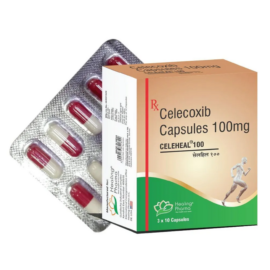
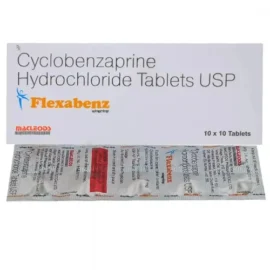
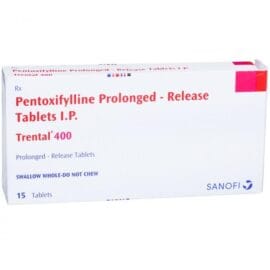
| Concentrație | 200 mg, 400 mg |
|---|---|
| Cantitate | 30 Comprimat/e, 60 Comprimat/e, 90 Comprimat/e, 180 Comprimat/e |
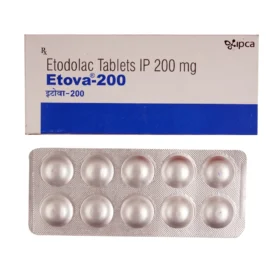 Etova
Etova
Întrebări și răspunsuri
Etova
Produse similare



Recenzii
Nu există recenzii încă