








Granicip
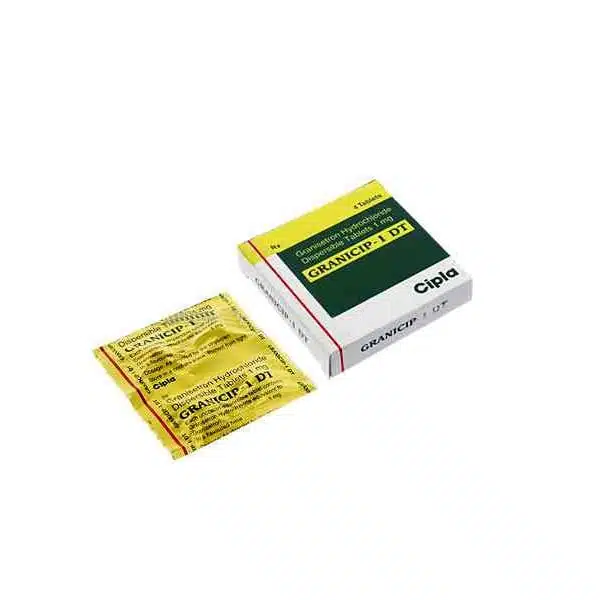
Granicip (Granisetron 1 mg / 2 mg) — antagonist 5-HT3 de generația a doua, o dată pe zi, pentru chimioterapie, radioterapie și PONV. Timp de înjumătățire mai lung (~9 ore) comparativ cu ondansetron.
✓ Verificat medical de Morgan Ellis — Cercetător farmaceutic · 8 ani de experiență · Ultima recenzie: mai 2026
⚡ Răspuns rapid — Ce este Granicip?
Granicip conține granisetron 1 mg / 2 mg, un antagonist al receptorului 5-HT3 de generația a doua în aceeași clasă cu ondansetronul, dar cu o semivieță mai lungă (~9 ore vs 4 ore). Este utilizat pentru a preveni indusă de chimioterapie, indusă de radioterapie, și greata și voma postoperatorie. Semiviața mai lungă înseamnă acoperire orală o dată pe zi sau doză unică IV pentru chimioterapia moderat emetogenă. Fabricat de Cipla conform standardelor WHO-GMP.
📦 Fiecare comandă este acoperită de politica noastră de Politica noastră de Reexpediere Garantată — dacă coletul dumneavoastră nu sosește în 20 de zile lucrătoare, îl relivrăm.
De ce să comanzi de la MedsBase
Medicamentele noastre generice sunt procurate de la producători certificați WHO-GMP și expediate la nivel mondial în ambalaje discrete și simple — fără denumirea medicamentului pe exteriorul coletului. Plățile cu cardul sunt procesate printr-un procesor reglementat (descrierile de pe extrasul de cont includ un procesor de plăți cu card reglementat — niciodată “MedsBase” sau numele vreunui medicament). Acceptăm și criptomonede și transferuri bancare SEPA. Fiecare comandă este susținută de Politica noastră de Asigurare pentru Relivrare.
Granisetron vs ondansetron — când să alegi granisetron
Ambele molecule blochează receptorul 5-HT3 și au o eficacitate maximă similară. Diferențele semnificative din punct de vedere clinic:
- Timp de înjumătățire: granisetron ~9 h, ondansetron ~4 h. O singură doză de granisetron acoperă mai bine o zi de chimioterapie de 24 de ore.
- Semnal QT: ondansetron are cel mai semnificativ semnal cardiac (limita FDA de doză de 16 mg IV); granisetronul este intermediar; palonosetronul este cel mai sigur.
- Frecvența de administrare: granisetronul se administrează de obicei o dată pe zi pe cale orală sau o singură dată IV; ondansetronul se administrează la fiecare 8 ore.
- Constipație: similară între cele două, dar puțin mai rară cu granisetron.
- Cost: ondansetronul este mai ieftin și mai larg disponibil; granisetronul este preferat atunci când administrarea o dată pe zi simplifică conformitatea.
De ce să comanzi de la MedsBase
Granicip este furnizat de la producător certificat WHO-GMP. Fiecare comandă este expediată discret în întreaga lume și este acoperită de Politica noastră de Reexpediere Garantată — dacă nu sosește în 20 de zile lucrătoare, retrimitem fără costuri suplimentare. Granisetronul este antagonistul 5-HT3 de administrare o dată pe zi de alegere atunci când respectarea unui program cu multiple doze este o problemă și este o alternativă utilă pentru pacienții care tolerează ondansetronul slab.
Mecanism de acțiune
Granisetronul este un antagonist foarte selectiv al receptorului de serotonină 5-HT3 pe aferentele vagale (periferice) și pe zona de declanșare a chemoreceptorilor din area postrema (centrală). Chimioterapia și radiațiile determină celulele enterocromafine din intestin să elibereze serotonină, care altfel ar provoca vărsături prin centrul medular al vărsăturilor. Prin blocarea receptorului 5-HT3, granisetronul întrerupe acest semnal atât la nivel periferic, cât și central. Nu se leagă de receptorii D2, H1, muscarinici sau adrenergici alfa — de unde lipsa sedării, a reacțiilor extrapiramidale și a efectelor secundare anticolinergice.
Indicații
- CINV (indusă de chimioterapie): chimioterapie moderat și puternic emetogenă — de obicei combinată cu dexametazonă ± un antagonist NK1 (aprepitant) pentru regimuri puternic emetogene.
- Greață indusă de radioterapie: iradiere totală a corpului, radioterapie abdominală la doze mari.
- Greață și vărsături postoperatorii (PONV): doză unică IV la inducție sau la sfârșitul intervenției chirurgicale.
- Greață refractară la chimioterapie: după eșecul ondansetronului (toleranța încrucișată este incompletă — schimbarea poate salva unii pacienți).
Doza
| Indicație | Doza |
|---|---|
| CINV (oral, adulți) | 2 mg PO cu 1 oră înainte de chimioterapie, apoi 2 mg zilnic timp de până la 5 zile (sau 1 mg de două ori pe zi) |
| CINV (IV) | 10 mcg/kg (sau doză fixă de 1 mg) IV cu 30 de minute înainte de chimioterapie |
| PONV | 1 mg IV la inducție sau la sfârșitul intervenției chirurgicale (doză unică) |
| Pediatric (CINV) | 10–40 mcg/kg IV (max 3 mg pe doză); sub supraveghere specializată |
| Afectare renală/hepatică | Nu este necesară reducerea de rutină a dozei; disfuncția hepatică severă poate prelungi eliminarea |
Efecte secundare
- Foarte frecvente: cefalee (~14–21%), constipație (~3–9%)
- Frecvente: amețeală, oboseală, astenie, creștere tranzitorie a AST/ALT, insomnie, tulburare ușoară a gustului
- Mai puțin frecvente: hipertensiune, hipotensiune, durere abdominală, erupție cutanată
- Rare dar grave: prelungire QT/torsade de pointes, sindrom serotoninergic (cu SSRIs/triptane), hipersensibilitate severă
Interacțiuni medicamentoase
- Medicamente care prelungește intervalul QT: evitați utilizarea concomitentă cu azitromicină, fluoroquinolone, citalopram, metadonă, antipsihotice (în special la pacienții cu tulburări electrolitice).
- Medicamente serotoninergice (SSRI, SNRI, IMAO, triptane, tramadol, fentanil, linezolid): sindrom serotoninergic raportat rar.
- Inductori puternici ai CYP3A4 (rifampicină, fenitoină, carbamazepină, iarba Sfântului Ioan): pot reduce nivelurile de granisetron.
- Inhibitori puternici ai CYP3A4 (ketoconazol, ritonavir, claritromicină): pot crește ușor nivelurile — impactul clinic este mic.
Întrebări frecvente
Cum diferă Granicip de Ondem (ondansetron)?
Ambele sunt antagoniști 5-HT3, dar granisetronul are o semiviață mai lungă (~9 h vs ~4 h), astfel încât o singură doză orală acoperă o zi de chimioterapie. Ondansetronul necesită administrare la fiecare 8 ore. Ondansetronul are un semnal QT ușor mai ridicat și o limită FDA de 16 mg IV pe doză. Pentru greață necomplicată, ondansetronul este mai ieftin; pentru adherența în ziua chimioterapiei, granisetronul simplifică programul.
Când începe să acționeze Granicip?
Acțiunea începe în 30–60 de minute după administrare orală și în 5–10 minute după administrare intravenoasă. Luați doza orală cu 1 oră înainte de chimioterapie pentru cea mai bună protecție.
Este granisetronul sigur în timpul sarcinii?
Granisetronul este clasificat de FDA în categoria B (studiile pe animale nu arată efecte nocive; datele umane controlate sunt limitate). Rezervați-l pentru greata refractară indusă de chimioterapie sau hiperemeză când agenții de primă linie au eșuat; se recomandă supraveghere specializată.
Pot lua Granicip pentru rău de mișcare sau greață în sarcină?
Nu. Granisetronul este rezervat pentru greața indusă de chimioterapie, radioterapie și postoperatorie. Răul de mișcare este histaminergic/colinergic — folosiți prometazină (Avomine), cinarizină sau meclozină. Primul tratament pentru greața în sarcină este doxilamina + B6 (Doxinate, Pregnidoxin NU).
Granicip provoacă sedare?
Nu. Ca și alte antagoniste 5-HT3, granisetronul nu provoacă sedare, reacții extrapiramidale sau efecte secundare anticolinergice. Durerile de cap și constipația sunt principalele efecte secundare.
Pot consuma alcool în timp ce iau Granicip?
Cantități mici ocazionale sunt puțin probabil să interacționeze farmacologic, dar alcoolul poate agrava greața și deshidratarea în timpul chimioterapiei — evitați în timpul ciclurilor active de tratament.
Ce se întâmplă dacă greața mea nu este controlată?
Adăugați dexametazonă, un antagonist NK1 (aprepitant) sau olanzapină pentru chimioterapie cu emetogeneză ridicată. Trecerea la un alt antagonist 5-HT3 (palonosetron) sau la o altă clasă (antagonist D2) este rezonabilă atunci când o moleculă a eșuat.
Constipația este o problemă?
Da — constipația apare la până la 1 din 11 utilizatori la tratamentele pe mai multe zile. Mențineți hidratarea, fibrele și laxativele profilactice (senna/bisacodil/movicol) în timpul ciclurilor de chimioterapie.
Cum se păstrează Granicip?
Păstrați comprimatele la temperatura camerei (sub 30°C), protejate de lumină. Depozitați în afara accesului copiilor. Nu utilizați după data de expirare tipărită pe cutie.
Antagoniștii 5-HT3 sunt singura opțiune pentru greața indusă de chimioterapie?
Nu. Regimurile moderne de prevenire a greței și vărsăturilor induse de chimioterapie (CINV) combină un antagonist 5-HT3 + dexametazonă + (pentru chimioterapie cu emetogeneză ridicată) un antagonist NK1 precum aprepitant. Olanzapina este, de asemenea, utilă în cazurile refractare. Antagoniștii 5-HT3 ca monoterapie sunt recomandați în principal pentru regimuri cu emetogeneză moderată.
Alte tratamente pentru greață
- Ondem (comprimat de ondansetron)
- Emeset 4 ODT (ondansetron orodispersibil)
- Ondem Injectabil (ondansetron IV/IM)
- Dompewal (domperidonă — antagonist D2)
- Stemetil MD (proclorperazină ODT)
- Vizualizați toate tratamentele pentru greață
Mai multe opțiuni în Tratamente pentru greață
Clasificate în funcție de volumul recent de comenzi MedsBase — ce aleg alți clienți în această categorie.
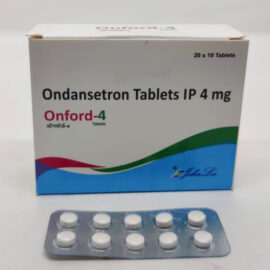

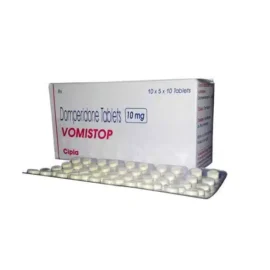

| Concentrație | 1 mg |
|---|---|
| Cantitate | 28 Comprimat/e, 56 Comprimat/e, 84 Comprimat/e |
| Formă farmaceutică | Comprimat/e |
| Producător | Cipla Inc |
| Indicație | Greață, Vărsături |
| Brand generic | Granisetron |
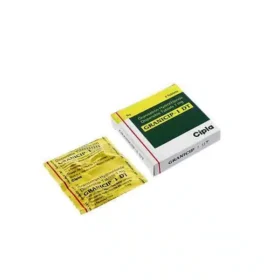 Granicip
Întrebări și răspunsuri
Granicip
Produse similare



Recenzii
Nu există recenzii încă