








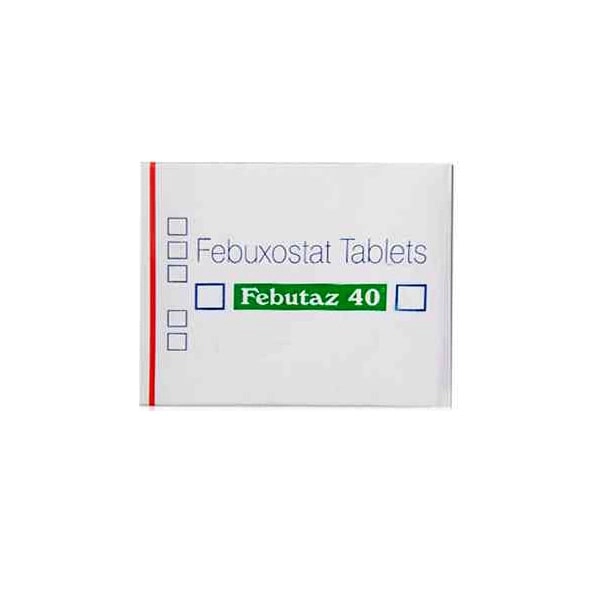
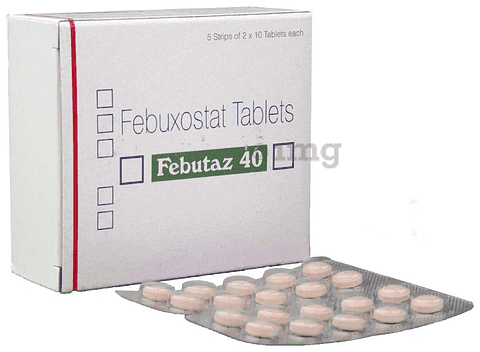
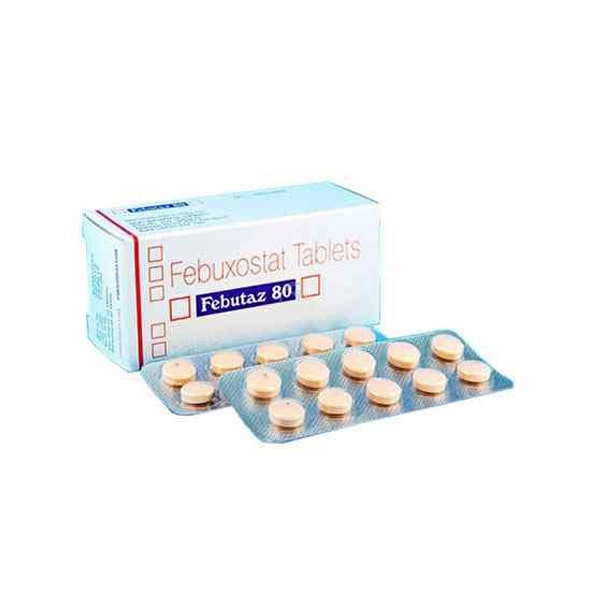
Febutaz

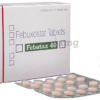
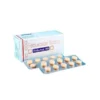
✅ Controllează acidul uric
✅ Previne atacurile de gută
✅ Reduce durerea articulară
✅ Îmbunătățește funcția renală
✅ Sporăște sănătatea generală
✓ Verificat medical de Morgan Ellis — Cercetător farmaceutic · 8 ani de experiență · Ultima recenzie: mai 2026
Răspuns rapid
Febutaz conține febuxostat 40 mg / 80 mg produs de Sun Pharma. Este utilizat pentru scăderea pe termen lung a acidului uric seric la adulții cu gută cronică (terapia de reducere a uratului) — inclusiv la cei cu pietre renale de urat. Luați exact conform indicațiilor clinicianului — nu ajustați singuri doza.
📦 Fiecare comandă este acoperită de politica noastră de Politica noastră de Reexpediere Garantată — dacă coletul dumneavoastră nu sosește în 20 de zile lucrătoare, îl relivrăm.
De ce să comanzi de la MedsBase
Fiecare lot este procurat de la un producător certificat WHO-GMP. Comenzile sunt expediate în ambalaje simple, fără marcă, de la partenerii noștri de onorare și sunt acoperite de Politica noastră de Reexpediere Garantată. Am servit 1.400+ clienți verificați cu un rating mediu de 4,9/5 pe mai mult de 600 de medicamente.
⚠ Precauție cardiovasculară — alopurinolul este terapia de primă linie preferată pentru reducerea uratului
The 2018 CARES trial a arătat o mortalitate cardiovasculară și generală mai mare la pacienții tratați cu febuxostat față de alopurinol la pacienții cu gută ȘI boli cardiovasculare stabilite. The 2020 FAST trial nu a găsit un exces într-o populație europeană. Ghidurile majore (ACR 2020, EULAR 2016) recomandă alopurinol ca tratament de primă intenție; febuxostat este rezervat pentru pacienții care nu tolerează sau nu ating ținta cu alopurinol, sau care au contraindicații HLA-B*5801. Discutați istoricul cardiovascular cu medicul prescriptor înainte de începerea tratamentului.
Ce este Febutaz și cum funcționează
Febutaz conține febuxostat, un inhibitor selectiv nepurinic al xantin-oxidazei. Prin blocarea xantin-oxidazei, oprește conversia hipoxantinei și xantinei în acid uric, reducând nivelul seric de urat. Spre deosebire de alopurinol (un analog purinic), febuxostatul este metabolizat în principal în ficat, astfel încât poate fi utilizat în insuficiență renală ușoară până la moderată fără ajustarea dozei.
Febutaz este autorizat pentru managementul cronic al hiperuricemiei la pacienții cu gută, inclusiv gută tofacee. Nu este un tratament pentru un acces acut de gută; accesele se tratează cu AINS, colchicină sau corticosteroizi.
Doza și modul de administrare
| Grup de pacienți | Doza recomandată |
|---|---|
| Adulți cu gută cronică — doză inițială | 40 mg o dată pe zi |
| Creștere după 2–4 săptămâni dacă nivelul seric de urat > 0,36 mmol/L (6 mg/dL) | Crește la 80 mg o dată pe zi |
| Insuficiență renală severă (TFG <30) | Utilizați cu precauție; date limitate; luați în considerare alternative |
| Afectare hepatică severă (Child-Pugh C) | Evitați — nu a fost studiat |
| Gută tofacee / niveluri foarte ridicate de urat la bază | Poate fi necesară doza de 80 mg de la început sub supraveghere specializată |
Luați la aceeași oră în fiecare zi, cu sau fără mâncare. Continuați pe termen nedefinit — gută este o afecțiune cronică. Nivelul țintă de urat seric este de obicei < 0,36 mmol/L (< 6 mg/dL); pentru gută tofacee, < 0,30 mmol/L (< 5 mg/dL) pentru dizolvarea tofusului.
✅ Prescrieți profilaxia pentru puseuri acute în primele 6 luni
Inițierea oricărui tratament de reducere a uratelor poate declanșa puseuri de gută pe măsură ce cristalele se elimină din articulații. Ghidurile ACR și EULAR recomandă profilaxia colchicină 0,5–1 mg/zi sau AINS timp de cel puțin 3–6 luni la începerea febuxostatului — nu întrerupeți febuxostatul dacă apare o criză.
Efecte secundare
| Efect secundar | Frecvență | Note |
|---|---|---|
| Criză de gută (terapie timpurie) | Foarte frecvent în primele 6 luni | Folosiți profilaxia; nu întrerupeți febuxostatul |
| Creștere a enzimelor hepatice | Frecvente | Verificați testele hepatice la bază, la 2 luni, apoi periodic |
| Dureri de cap | Frecvente | De obicei ușoară |
| Diaree, greață | Frecvente | Luați cu mâncare |
| Erupție cutanată | Puțin frecvente | Întrerupeți dacă este extinsă; rapoarte rare de reacții cutanate severe |
| Evenimente cardiovasculare (în boli cardiovasculare stabilite | Semnal CARES | Discutați cu cardiologul; luați în considerare alopurinol |
| Hepatotoxicitate (severă) | Rare | Întrerupeți și cereți consult |
Interacțiuni medicamentoase
| Combinație | Efect | Acțiune |
|---|---|---|
| Azathioprine, mercaptopurină | Creștere majoră a nivelurilor de 6-mercaptopurină — toxicitate medulară | Evitați combinația |
| Teofilină | Nivelurile de teofilină pot crește | Monitorizați |
| AINS, colchicină, aspirină în doze mici | Utilizate împreună pentru profilaxia puseelor — protocol standard | Nu este o interacțiune veritabilă; pot fi prescrise concomitent |
| Diuretice (tiazidice, de ansă) | Cresc nivelul seric de urat — poate fi necesară doză mai mare de febuxostat | Monitorizați nivelul țintă de urat |
| Warfarin | Nicio interacțiune clinic semnificativă | Monitorizarea standard a INR |
Cine nu ar trebui să ia Febutaz
- Azatioprină sau mercaptopurină concomitentă
- Afectare hepatică severă (Child-Pugh C)
- Boală cardiovasculară stabilizată — alopurinol preferat, cu excepția cazurilor în care alopurinolul nu poate fi utilizat
- Criză acută de gută (tratați mai întâi criza; începeți febuxostat după 2 săptămâni dacă pacientul este naiv)
- Hiperuricemie asimptomatică fără istoric de gută (fără beneficiu)
- Sarcină/alăptare (fără date umane)
De ce apare febuxostat într-o categorie de vezică și prostată
Hiperuricemia este o cauză principală a pietrelor renale de acid uric și contribuie la nefropatia uratică cronică. Scăderea uratului seric — prin febuxostat sau alopurinol — reduce recurența pietrelor la pacienții cu pietre de urat documentate. Pietrele de acid uric beneficiază și de alcalinizarea urinară (citrat de potasiu) și un aport ridicat de lichide. Dacă indicația dumneavoastră este pietrele renale și nu gută, urologul sau nefrologul dumneavoastră va combina febuxostatul cu citrat, hidratare și restricție alimentară de purine.
Întrebări frecvente
Care este ținta corectă pentru uratul seric?
< 0,36 mmol/L (< 6 mg/dL) pentru gută tipică. < 0,30 mmol/L (< 5 mg/dL) când există tofi vizibili sau pietre recurente — ținte mai scăzute dizolvă cristalele mai repede.
De ce s-ar putea să am mai multe crize după ce începeți?
Scăderea nivelului de acid uric seric destabilizează suprafața cristalelor. Cristalele se desprind și declanșează accese. Acesta este motivul pentru care colchicina 0,5–1 mg/zi sau un AINS sunt prescrise concomitent în primele 3–6 luni. Nu întrerupeți febuxostatul — întreruperea agravează accesele viitoare.
Ar trebui să iau allopurinol în schimb?
Allopurinoul este de primă intenție conform ghidurilor ACR 2020 / EULAR 2016. Febuxostatul este preferat atunci când allopurinoul nu poate atinge ținta în ciuda titrării adecvate, când allopurinoul nu este tolerat sau când testarea HLA-B*5801 indică risc de reacții cutanate severe (relevant în unele populații asiatice).
Și despre semnalul cardiovascular?
CARES (2018, SUA) a arătat o mortalitate cardiovasculară și generală mai mare față de allopurinol la pacienții cu boli cardiovasculare stabilite. FAST (2020, Europa) nu a găsit exces la pacienții fără boli cardiovasculare anterioare. Discutați istoricul cardiac cu medicul prescriptor.
Pot consuma alcool?
Alcoolul — mai ales berea — crește nivelul de acid uric seric. Reducerea constantă a alcoolului este modificarea stilului de viață cu cel mai mare impact asupra acidului uric. Cantități modeste pot fi acceptabile; discutați cu medicul prescriptor.
Ce alimente ar trebui să evit?
Alimentele bogate în purine (organe interne, anșoa, sardine, băuturi îndulcite cu fructoză) cresc nivelul de acid uric. Laptele și cireșele au efect protector. Dieta singură rareori atinge ținta — este un adjuvant, nu un substitut.
Cât de repede se vor micșora tofusurile?
Tofusurile se dizolvă în lunile sau anii de menținere a acidului uric sub 0,30 mmol/L. Tofusurile mai mici dispar primele. Dacă tofusurile nu se micșorează după 12 luni în ciuda nivelului sub-țintă confirmat al acidului uric, este indicat un consult specializat.
Am nevoie de analize de sânge periodice?
Da. Acid uric seric la fiecare 4–6 săptămâni în timpul titrării; apoi la 6 luni. Teste hepatice la bază, la 2 luni, apoi periodic. eGFR cu restul analizelor de rutină.
Ce fac dacă uit o doză?
Luați-l imediat ce vă amintiți în aceeași zi. Dacă este a doua zi, omiteți doza uitată — nu dublați doza.
Cât timp trebuie să iau febuxostat?
Indefinit pentru gută instalată. Întreruperea determină revenirea acidului uric și redepunerea cristalelor, declanșând accese în câteva săptămâni până la luni.
Alte Medicamente pentru Vezică și Prostată
- Cystone — adjunct herbal pentru calculi urinari/renali
- Silofast (silodosin) — blocant alfa pentru HBP
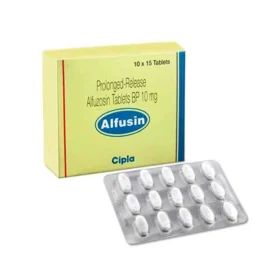
- Alfusin (alfuzosin 10 mg ER) — blocant alfa
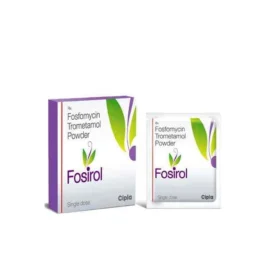
- Fosirol 3 g (fosfomicină) — doză unică pentru infecții urinare
- Ketosteril — adjunct nutrițional renal
Notă medicală. Informațiile de pe această pagină sunt doar în scop educativ general și nu înlocuiesc sfatul unui clinician calificat. Discutați orice medicament nou sau modificare de doză cu medicul sau farmacistul dumneavoastră, mai ales dacă sunteți gravidă, alăptați, aveți alte afecțiuni medicale sau luați alte medicamente.
Mai multe opțiuni în vezică și prostată
Clasificate în funcție de volumul recent de comenzi MedsBase — ce aleg alți clienți în această categorie.
| Concentrație | 40 mg, 80 mg |
|---|---|
| Cantitate | 30 Comprimate/s, 60 Comprimate/s, 90 Comprimate/s |
| Formă farmaceutică | Comprimat/e |
| Producător | Sun Pharma |
| Indicație | Hiperuricemie / Gută cronică |
| Brand generic | Febuxostat |
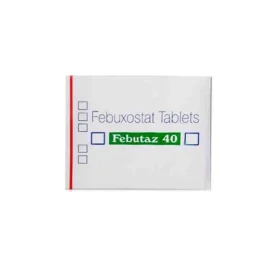 Febutaz
Întrebări și răspunsuri
Febutaz
Produse similare


Recenzii
Nu există recenzii încă