








Pyridium
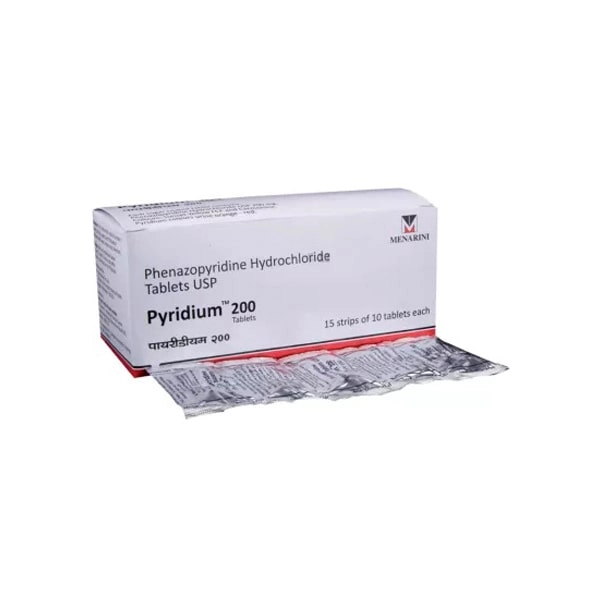
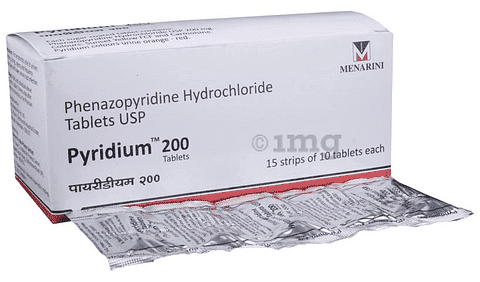
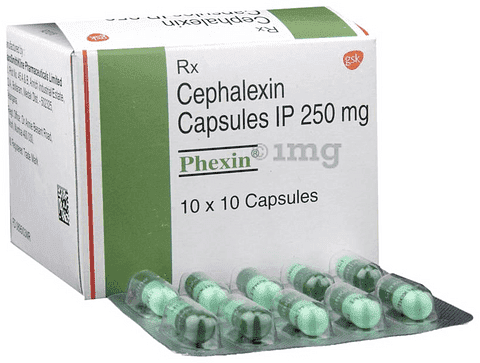
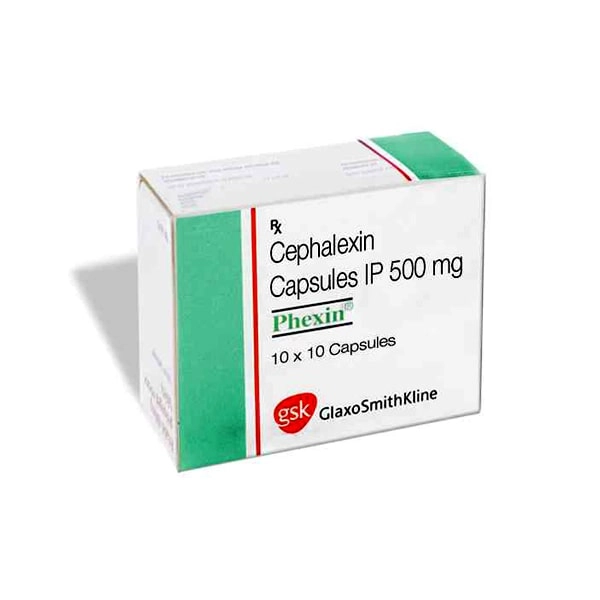
✅ Ameliorează durerea urinară
✅ Reduce disconfortul vezical
✅ Atenuează urgența urinară
✅ Formulă cu acțiune rapidă
✅ Disponibil fără prescripție medicală
✓ Verificat medical de Morgan Ellis — Cercetător farmaceutic · 8 ani de experiență · Ultima recenzie: mai 2026
⚡ Răspuns rapid — Ce este Pyridium?
Pyridium este un analgezic urinar care ameliorază arsura, urgența și frecvența asociate infecțiilor urinare. NU este un antibiotic — utilizat doar ca adjuvant timp de 2 zile în terapia antibiotică definitivă. Provocă decolorarea inofensivă a urinei în nuanțe portocalii-roșii. Fabricat conform standardelor WHO-GMP.
📦 Fiecare comandă este acoperită de politica noastră de Politica noastră de Reexpediere Garantată — dacă coletul dumneavoastră nu sosește în 20 de zile lucrătoare, îl relivrăm.
De ce să comanzi de la MedsBase
Medicamentele noastre generice sunt procurate de la producători certificați WHO-GMP și expediate la nivel mondial în ambalaje discrete și simple — fără denumirea medicamentului pe exteriorul coletului. Plățile cu cardul sunt procesate printr-un procesor reglementat (descrierile de pe extrasul de cont includ un procesor de plăți cu card reglementat — niciodată “MedsBase” sau numele vreunui medicament). Acceptăm și criptomonede și transferuri bancare SEPA. Fiecare comandă este susținută de Politica noastră de Asigurare pentru Relivrare.
Comprimatul Pyridium este cel mai bine administrat cu alimente, după o gustare. Acest lucru va reduce tulburările gastrice care pot fi provocate de medicament. În general, utilizarea acestui medicament nu ar trebui să depășească mai mult de 2 zile. Consultați-vă medicul cu privire la doză și durată și respectați strict instrucțiunile.
Unele efecte secundare frecvente asociate acestui medicament includ dureri de cap, greață, vărsături, diaree, erupții cutanate și decolorarea urinei. Aceste efecte secundare sunt de obicei temporare și dispar după încheierea tratamentului. Cu toate acestea, dacă persistă sau se agravează, ar trebui să anunțați medicul.
Înainte de a începe tratamentul cu acest medicament, ar trebui să informați medicul dacă sunteți gravidă, alăptați sau suferiți de probleme de ficat, rinichi sau inimă. De asemenea, ar trebui să anunțați medicul dacă luați orice alt medicament pentru aceeași afecțiune sau pentru alte boli.
UTILIZĂRI ALE COMPRIMATELOR PYRIDIUM
- Calmare simptomatică a durerii
BENEFICIILE COMPRIMATELOR PYRIDIUM
În calmarea simptomatică a durerii
EFECTE SECUNDARE ALE COMPRIMATELOR PYRIDIUM
Efecte secundare frecvente ale Pyridium
- Dureri de cap
- Greață
- Vărsături
- Diarree
- Erupție cutanată
- Schimbarea culorii urinei
CUM SE UTILIZEAZĂ COMPRIMATELE PYRIDIUM
Declinare de responsabilitate:
Singura noastră intenție este să ne asigurăm că consumatorii primesc informații verificate de experți, exacte și de încredere. Cu toate acestea, informațiile conținute aici NU trebuie folosite ca înlocuitor pentru sfatul unui medic calificat. Informațiile furnizate aici sunt doar în scop informativ. Acestea pot să nu acopere toate efectele secundare posibile, interacțiunile medicamentoase sau avertismentele. Vă rugăm să consultați medicul și să discutați toate întrebările legate de orice boală sau medicament. Intenționăm să sprijinim, nu să înlocuim relația medic-pacient.
Întrebări frecvente
Pyridium este un antibiotic?
Nu. Pyridium (fenazopiridina) este un analgezic pentru tractul urinar — ameliorază senzația de arsură, urgență și durere cauzată de infecția tractului urinar, dar NU tratează infecția bacteriană subiacentă. Trebuie combinat cu un antibiotic adevărat (cum ar fi nitrofurantoină, trimetoprim, fosfomicină sau o fluoroquinolonă) ales în funcție de sensibilitate. Utilizarea Pyridium singur permite progresia infecției.
Cât de repede ameliorază Pyridium simptomele infecției urinare?
De obicei în 30–60 de minute de la prima doză, cu efect maxim la 2–3 ore. Majoritatea oamenilor au nevoie doar de 2–3 zile de Pyridium (alături de un tratament antibiotic de 3–7 zile) — simptomele se ameliorază de obicei înainte ca antibioticul să termine eliminarea bacteriilor.
De ce urinez portocaliu?
Pyridium conține un colorant puternic portocaliu-roșu care este eliminat neschimbat în urină. Schimbarea de culoare este inofensivă și normală — dar poate păta permanent lenjeria intimă și lentilele de contact (scoateți lentilele pe durata tratamentului). De asemenea, interferează cu testele rapide cu bandelette urinare, așa că anunțați orice persoană care vă face analize urinare.
Cine nu ar trebui să ia Pyridium?
Evitați în cazul insuficienței renale semnificative (clearance de creatinină sub 50 mL/min — medicamentul se acumulează), deficit de G6PD (risc de hemoliză), afecțiuni hepatice severe și hipersensibilitate cunoscută. Precauție la pacienții în vârstă și cei cu anemie. Datele despre utilizarea în sarcină și alăptare sunt limitate; tratamente scurte sunt uneori folosite în sarcină sub îndrumare medicală.
Care sunt efectele secundare ale Pyridium?
Dureri de cap, amețeli și tulburări gastrointestinale ușoare sunt cele mai frecvente. Rare, dar importante: metahemoglobinemie (cianoză, dificultate de respirație, dureri de cap — căutați imediat ajutor medical), anemie hemolitică la pacienții cu deficit de G6PD, și gălbirea pielii sau sclerelor care poate indica metahemoglobinemie sau afectare hepatică.
Cât timp pot lua Pyridium?
Maximum 2 zile fără evaluare medicală. Pyridium controlează simptomele, nu vindecă. Dacă durerea persistă după 2 zile, infecția de bază nu răspunde la antibiotic și aveți nevoie de reevaluare, cultură urinară și eventual un alt antibiotic.
Alte Medicamente pentru Tractul Urinar
Alte Medicamente pentru Tractul Urinar pe care clienții le iau în considerare:
Mai multe opțiuni în Antibiotice
Clasificate în funcție de volumul recent de comenzi MedsBase — ce aleg alți clienți în această categorie.
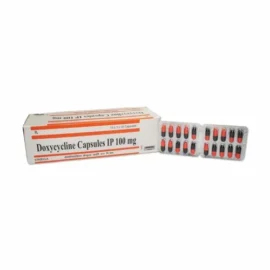


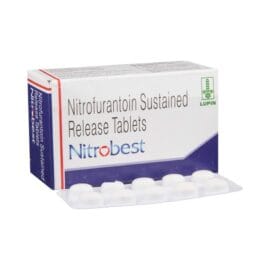
| Concentrație | 200 mg, 250 mg, 500 mg |
|---|---|
| Cantitate | 30 Comprimate/s, 60 Comprimate/s, 90 Comprimate/s |
| Formă farmaceutică | Comprimat/e |
| Producător | Menarini |
| Indicație | Infecții bacteriene ale tractului urinar |
| Brand generic | PhenazopyridineC |
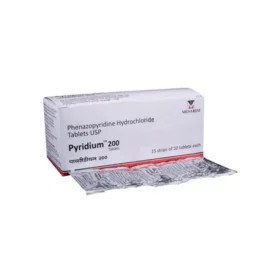 Pyridium
Întrebări și răspunsuri
Pyridium
Produse similare





















Recenzii
Nu există recenzii încă