








Roko
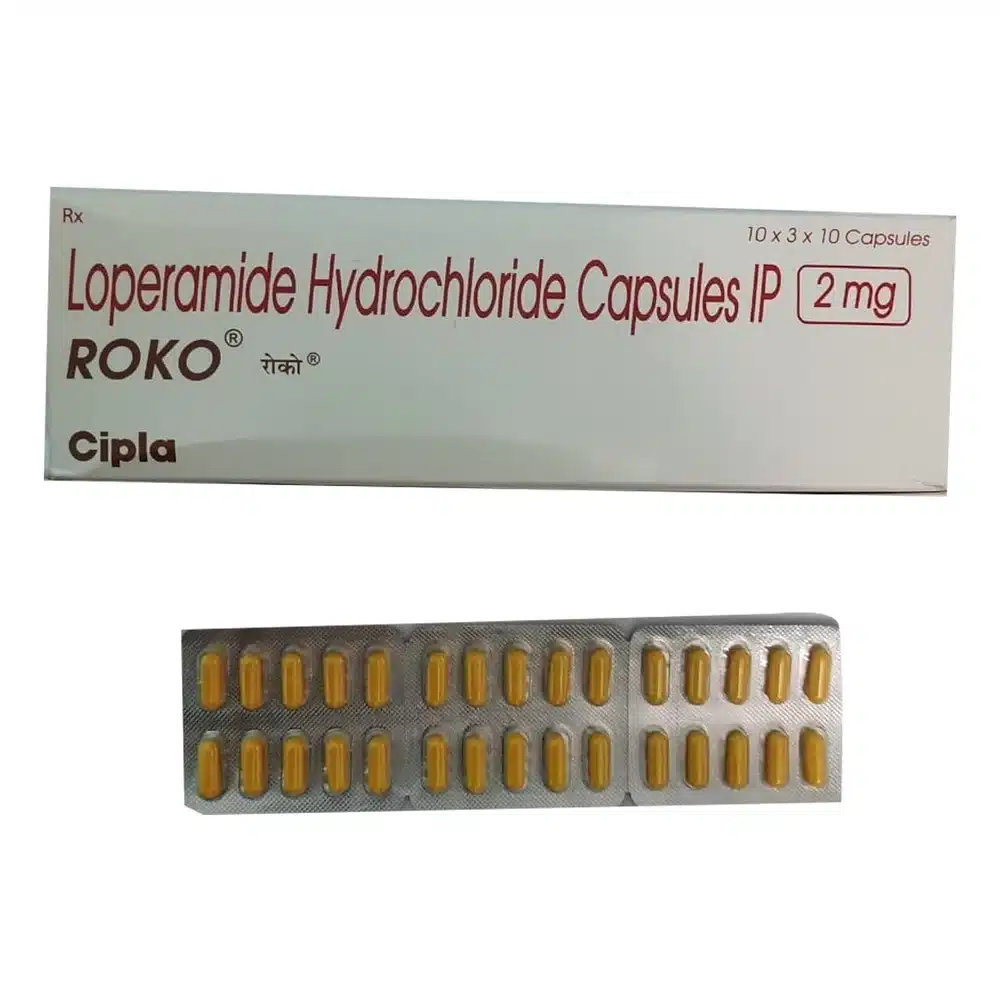
✅ Ușurare Simptome de Diaree
✅ Normalizează Funcția Intestinală
✅ Alină Simptomele Asociate
✅ Rapid și Eficient
✅ Îmbunătățire a Calității Vieții
Roko conține Loperamidă hidroclorură
✓ Verificat medical de Morgan Ellis — Cercetător farmaceutic · 8 ani de experiență · Ultima recenzie: mai 2026
Răspuns Rapid — Ce este Roko?
Comprimatul Roko conține loperamidă hidroclorură 2 mg — un agonist al receptorilor opioizi restricționat la peretele intestinal care încetinește motilitatea intestinală și ameliorază diareea acută și cronică. Fabricat de Cipla, doza standard este de 4 mg inițial, urmată de 2 mg după fiecare scaun lichid, până la maximum 16 mg în 24 de ore. Reduce frecvența și urgența scaunelor fără efectele asupra sistemului nervos central ale altor opioide.
📦 Fiecare comandă este acoperită de politica noastră de Politica noastră de Reexpediere Garantată — dacă coletul dumneavoastră nu sosește în 20 de zile lucrătoare, îl relivrăm.
De ce să comanzi de la MedsBase
Medicamentele noastre generice sunt procurate de la producători certificați WHO-GMP și expediate la nivel mondial în ambalaje discrete și simple — fără denumirea medicamentului pe exteriorul coletului. Plățile cu cardul sunt procesate printr-un procesor reglementat (descrierile de pe extrasul de cont includ un procesor de plăți cu card reglementat — niciodată “MedsBase” sau numele vreunui medicament). Acceptăm și criptomonede și transferuri bancare SEPA. Fiecare comandă este susținută de Politica noastră de Asigurare pentru Relivrare.
Ce este Roko?
Roko este un comprimat antidiareic care conține loperamidă hidroclorură 2 mg, fabricată de Cipla Ltd în India. Loperamida este un agonist sintetic al receptorilor opioizi care acționează specific în peretele intestinal pentru a încetini motilitatea intestinală și a reduce frecvența scaunelor. Spre deosebire de opioizii mai vechi (codeină, difenoxilat), loperamida nu are practic nicio activitate asupra sistemului nervos central la dozele terapeutice, deoarece este exclusă activ din creier de către transportorul P-glicoprotein al barierei hemato-encefalice.
Această direcționare farmacologică face ca Roko să fie deosebit de potrivit pentru controlul diareei, fără sedarea, euforia, depresia respiratorie sau potențialul de abuz asociat cu alte opioide. A fost un pilon al tratamentului antidiareic la nivel mondial de la introducerea sa în anii 1970 și este inclus în Lista Model OMS de Medicamente Esențiale.
Utilizări ale Roko
- Diaree acută neinfecțioasă — debut brusc, de obicei autolimitativă, cauzată de indisciplină alimentară, gastroenterită virală (după dispariția simptomelor infecțioase) sau efecte secundare ale medicamentelor.
- Diaree cronică — în sindromul intestinului iritabil cu diaree (IBS-D), boala inflamatorie intestinală în remisie, post-vagotomie sau sindromul intestinului scurt.
- Diareea călătorului — ameliorare simptomatică în plus față de rehidratarea adecvată.
- Reducerea debitului ileostomiei — la pacienții cu stomii cu debit ridicat unde pierderea de lichide este problematică.
- Diaree indusă de radioterapie — la pacienții care urmează radioterapie pelvină.
- Diaree indusă de chimioterapie — în special la regimurile bazate pe irinotecan.
Cum funcționează Roko
Loperamida se leagă de receptorii μ-opioizi din plexul mienteric al intestinului gros — rețeaua de celule nervoase care reglează peristaltismul. Legarea inhibă eliberarea de acetilcolină și prostaglandine, ceea ce reduce forța și frecvența contracțiilor intestinale. Rezultatul este timp de tranzit mai lent, oferind colonului mai multă oportunitate de a reabsorbi apă și electroliți din scaun. Volumul net al scaunului scade și scaunul devine mai ferm.
Loperamida reduce, de asemenea, anomalile tonusului sfincterului anal observate în diaree, îmbunătățind continența. La doze terapeutice, nu există efect analgezic sau opioid central datorită barierei de eflux P-glicoproteică la nivelul barierei hemato-encefalice. Acesta este motivul pentru care loperamida nu este clasificată ca substanță controlată în majoritatea țărilor.
Doza și administrare
Doza pentru adulți pentru diaree acută: 4 mg (două comprimate) inițial, urmat de 2 mg (un comprimat) după fiecare scaun lichid ulterior. Maxim 16 mg (8 comprimate) în 24 de ore. Întrerupeți când scaunul devine format.
Doza pentru adulți pentru diaree cronică: 4 mg inițial, apoi 2 mg după fiecare scaun lichid sau după necesitate. Doza de întreținere 2–12 mg zilnic, ajustată în funcție de răspunsul clinic. Maxim 16 mg zilnic.
Copii cu vârsta între 4–8 ani: 1 mg de până la 3 ori pe zi, maxim 2 zile. Copii 9–12 ani: 2 mg de două ori pe zi, maxim 5 zile. Nu utilizați la copiii sub 4 ani fără sfat medical.
Cum se utilizează Roko
- Luați comprimatele întregi cu apă. Roko nu trebuie luat în combinație cu alimente.
- În paralel cu Roko, mențineți o hidratare corespunzătoare — sunt recomandate săruri de rehidratare orală (SRO) pentru a înlocui fluidele și electroliții pierduți.
- Întrerupeți administrarea Roko imediat ce diareea se rezolvă sau scaunul devine format. Nu continuați profilactic.
- Solicitați sfat medical dacă diareea nu se îmbunătățește în 48 de ore sau dacă apar febră, scaun sângeros sau dureri abdominale severe.
- Nu depășiți 16 mg (8 comprimate) într-o perioadă de 24 de ore.
Efecte secundare ale Roko
- Frecvente: constipație (în special la utilizarea prelungită); dureri abdominale sau crampe; balonare; greață; gură uscată; amețeli.
- Mai puțin frecvente: erupții cutanate; flatulență; vărsături; oboseală.
- Rare dar grave: ileus paralitic (în special la doze mari sau la copii mici); megacolon toxic în puseul de colită ulceroasă; reacții alergice, inclusiv angioedem; constipație severă care duce la obstrucție intestinală.
- La supradoză extremă (>60 mg): aritmie cardiacă — prelungirea intervalului QT, torsade de pointes — datorită blocării canalelor de sodiu periferice. Acest risc a dus la limitări privind dimensiunile ambalajelor în mai multe țări.
Precauții și avertismente
- Diară cu sânge sau febră ridicată: NU utilizați Roko — acestea pot sugera o infecție bacteriană invazivă (Salmonella, Shigella, C. difficile) sau colită, unde încetinirea motilității poate înrăutăți evoluția.
- Puseu acut de colită ulceroasă: contraindicated — risc de megacolon toxic.
- Colită asociată antibioticelor (C. difficile): evitați — încetinirea motilității poate încremeni toxinele în colon.
- Copii sub 2 ani: contraindicate — risc de ileus paralitic.
- Insuficiență hepatică severă: metabolism redus — utilizați cu precauție, doze mai mici.
- Sarcina: date limitate; utilizați doar dacă beneficiile depășesc clar riscurile.
- Alăptarea: cantități mici eliminate în laptele matern — tratamentele scurte sunt în general considerate sigure.
Interacțiuni medicamentoase
Interacțiuni importante: ritonavir, quinidină, itraconazol, ketoconazol — inhibă metabolismul loperamidei și efluxul P-glicoproteic, crescând nivelurile plasmatice și riscul de efecte opioid centrale și toxicitate cardiacă; colestiramină — se leagă de loperamidă în intestin, reducând absorbția; Medicamente care prelungesc intervalul QT (amiodaronă, sotalol, antibiotice macrolide, unele antipsihotice) — risc aditiv de aritmie la doze mari de loperamidă; alte opioide — efecte centrale teoretice aditive la doze foarte mari.
Depozitare
Depozitați sub 25 °C în blisterul original, protejat de umiditate. Păstrați în afara accesului copiilor. Nu utilizați după data de expirare.
Întrebări frecvente
Cât de repede acționează Roko?
Alinarea simptomelor începe de obicei în 30 de minute - 1 oră de la prima doză de 4 mg. Efectul maxim este la 4-5 ore. Majoritatea episoadelor de diaree acută se rezolvă în 24 de ore de la începerea tratamentului cu Roko, deși diareea cronică necesită dozaj continuu pe termen mai lung, adaptat la răspunsul individual.
Pot lua Roko pentru diareea călătorului?
Da — Roko este eficient pentru ameliorarea simptomatică a diareei călătorului și poate fi combinat cu terapia antibiotică adecvată în cazurile moderate-gravă. Dacă apar scaun cu sânge, febră ridicată sau dureri abdominale severe, căutați ajutor medical în loc să vă tratați singur doar cu loperamidă.
Este Roko sigur pentru utilizare pe termen lung?
Pentru afecțiuni cronice precum SII-D sau managementul ileostomiei, loperamida poate fi utilizată pe termen lung sub supraveghere medicală la cea mai mică doză eficientă. Monitorizați apariția constipației și ajustați doza după necesități. Utilizarea pe termen lung la doze standard nu este asociată cu dependență sau toleranță.
Pot să-i administrez Roko copilului meu?
Loperamida nu este recomandată pentru copiii sub 2 ani din cauza riscului crescut de ileus paralitic. Pentru copiii de 4-8 ani, pot fi administrate doze de 1 mg pentru perioade scurte. Consultați întotdeauna un pediatru mai întâi și asigurați-vă că copilul primește suficiente fluide cu săruri de rehidratare orală, indiferent dacă se folosește Roko sau nu.
De ce loperamida nu creează dependență?
Loperamida este eliminată activ din creier de către P-glicoproteina de la bariera hemato-encefalică. La doze terapeutice, practic nici o cantitate nu ajunge la receptorii opioidii centrali responsabili de euforie sau dependență. La doze extrem de mari (>60 mg), transportatorul se saturază și pot apărea unele efecte centrale — motiv pentru care s-au introdus limite de ambalaj în mai multe țări.
Când NU ar trebui să iau Roko?
Nu luați Roko dacă aveți: scaun cu sânge, febră ridicată (peste 38,5 °C), dureri abdominale severe sugestive pentru ileus sau peritonită, colită asociată antibioticelor sau o exacerbare activă a colitei ulceroase sau a bolii Crohn. În aceste situații, încetinirea motilității poate agrava afecțiunea de bază.
Ce ar trebui să fac dacă am luat accidental prea mult?
O supradoză moderată (până la 16 mg peste limita zilnică) provoacă de obicei doar constipație severă sau crampe abdominale. Supradozele mari (peste 60 mg într-o zi) pot provoca aritmii cardiace și necesită atenție medicală urgentă — monitorizare ECG și îngrijiri de susținere. Dacă aveți dubii, contactați centrul de toxicoze sau căutați îngrijire de urgență.
Alternative conexe
Alte produse din Sănătate generală pe care clienții le vizualizează de asemenea:
| Cantitate | 30 Capsule/s, 60 Capsule/s, 90 Capsule/s |
|---|
 Roko
Roko
Întrebări și răspunsuri
Roko
Produse similare

Recenzii
Nu există recenzii încă